
Common sense prevails. Monorail to Miami Beach is out, Metromover is in | Editorial
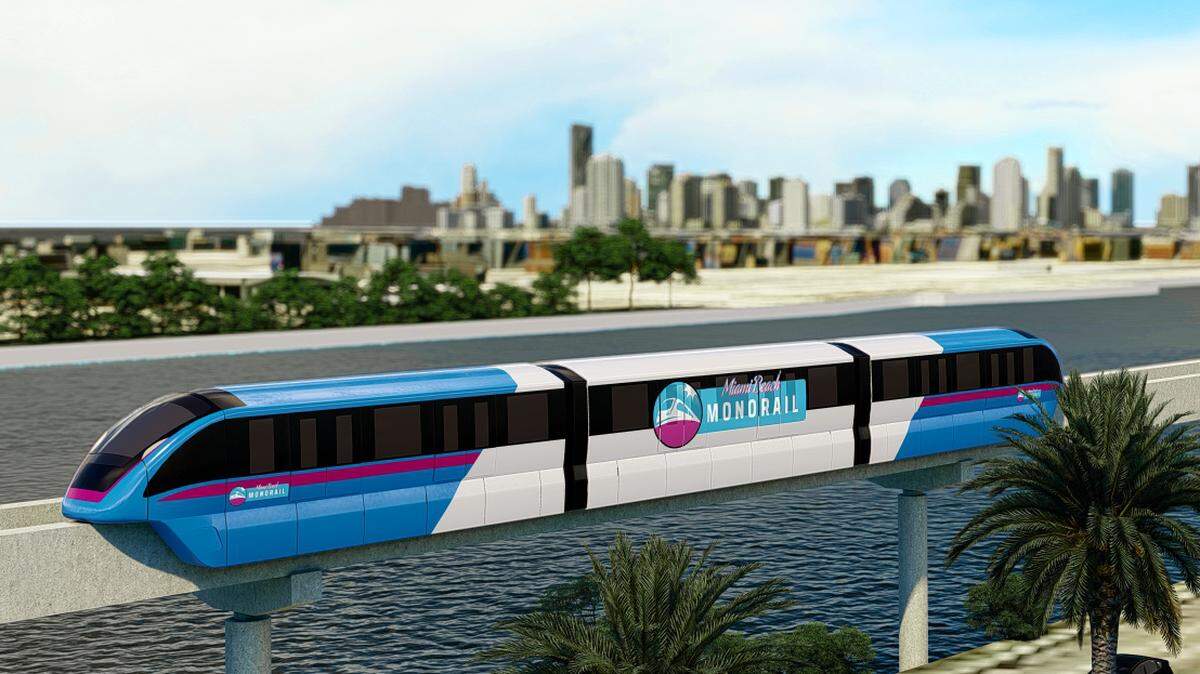
Miami desperately needs better and more rapid transit — it really, really does. What it does not need is a monorail to Miami Beach that would cover just four miles while costing $1.3 billion and requiring anyone using the Metromover system to change transit systems.
Thankfully, Miami-Dade Mayor Daniella Levine Cava made the right call Wednesday when she abandoned the monorail plan in favor of a Metromover extension from downtown Miami over Biscayne Bay.
A sleek new monorail dropping passengers on the Beach sounded cool, back when the deal was inked at the end of Mayor Carlos Gimenez’s administration in 2020. But the costs soared even as pro-Metromover-extention voices became louder, prompting the Herald Editorial Board to argue against the monorail plan earlier this year. Miami-Dade would have paid for the privately developed and operated transit line with tax dollars, more than $100 million a year to cover construction and operating costs according to the most recent forecasts, as the Miami Herald reported.
Transit advocates have long wanted the county to extend the Metromover — the free rail service that runs from Brickell to the Adrienne Arsht Center for the Performing Arts and the school board’s administration building — rather than build the monorail. Levine Cava’s administration continued negotiating with the monorail consortium anyway — until now. This year was the deadline for a final agreement between the monorail group and the county.
We don’t know for sure yet how much the extension will cost although the county released estimates late Wednesday indicating the Metromover option could save as much as half a billion dollars over the monorail project. Notably, the county proceeded with caution on the monorail proposal, only going so far as to sign an interim agreement for $14 million to allow commissioners to delve more deeply into the idea.
And though it seems like common sense that there would be built-in savings from using a system already in the county, a 2019 county study estimated the extension would cost roughly the same as the monorail.
But there is one important thing the extension offers, and it’s what transit advocates have been asking for all along: a “one-seat” ride. As Levine Cava described it in a video she released Wednesday with District 5 Commissioner Eileen Higgins, you’ll be able to travel “from Government Center all the way to Miami Beach” in one seat. We would love to see a Miami where that kind of seamless transportation exists.
We’ve been talking about rapid transit to the Beach for decades — at least since the ’80s — as a way to help with our unceasingly bad traffic, and because a good transit system is the baseline of a community that functions well. If Miami wants to be a city of the future, decent transportation options are critical. An extension of the existing Metromover makes the most sense.
BEHIND THE STORY
MOREWhat's an editorial?
Editorials are opinion pieces that reflect the views of the Miami Herald Editorial Board, a group of opinion journalists that operates separately from the Miami Herald newsroom. Miami Herald Editorial Board members are: opinion editor Amy Driscoll and editorial writers Isadora Rangel and Mary Anna Mancuso. Read more by clicking the arrow in the upper right.
What's the difference between an op-ed and a column?
How does the Miami Herald Editorial Board decide what to write about?
The Editorial Board, made up of experienced opinion journalists, primarily addresses local and state issues that affect South Florida residents. Each board member has an area of focus, such as education, COVID or local government policy. Board members meet daily and bring up an array of topics for discussion. Once a topic is fully discussed, board members will further report the issue, interviewing stakeholders and others involved and affected, so that the board can present the most informed opinion possible. We strive to provide our community with thought leadership that advocates for policies and priorities that strengthen our communities. Our editorials promote social justice, fairness in economic, educational and social opportunities and an end to systemic racism and inequality. The Editorial Board is separate from the reporters and editors of the Miami Herald newsroom.
How can I contribute to the Miami Herald Opinion section?
The Editorial Board accepts op-ed submissions of 650-700 words from community members who want to argue a specific viewpoint or idea that is relevant to our area. You can email an op-ed submission to oped@miamiherald.com. We also accept 150-word letters to the editor from readers who want to offer their points of view on current issues. For more information on how to submit a letter, go here.
This story was originally published November 2, 2022 at 5:51 PM.