
DeSantis spokeswoman links ‘Don’t Say Gay’ bill to ‘groomers’ — and on our dime | Editorial
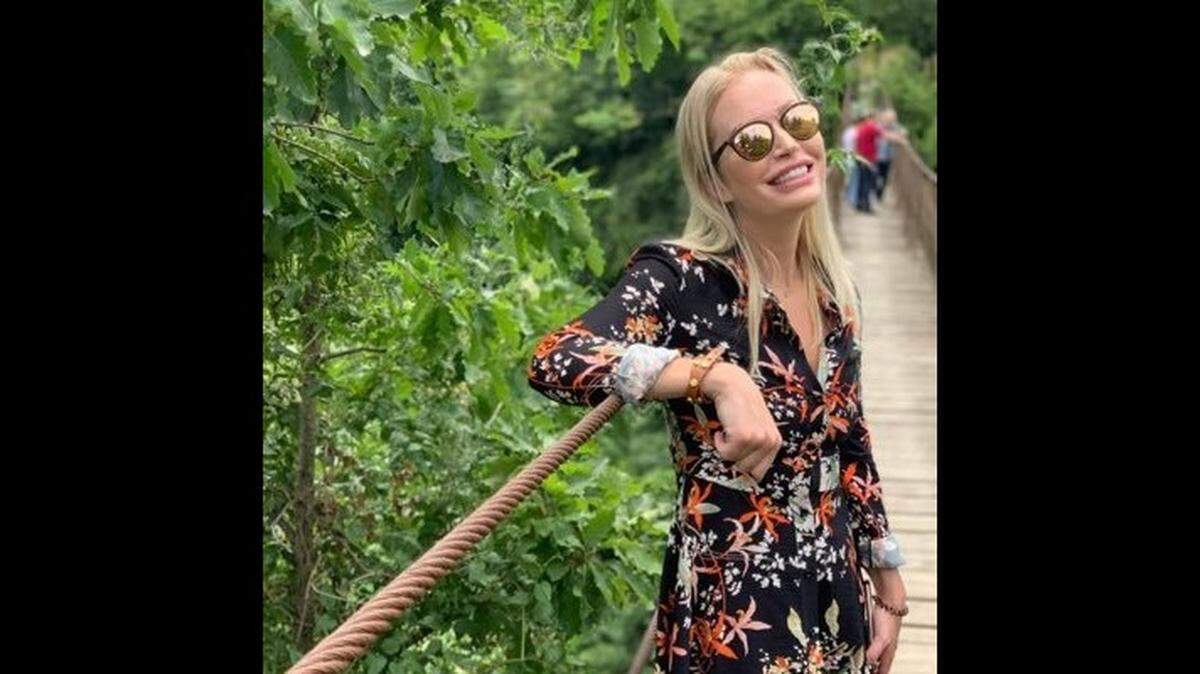
In an age when former President Donald Trump has set a low bar for political discourse on social media, Gov. Ron DeSantis’ press secretary stoops as low as her fingers can type — sometimes initiating the vitriol, other times taking the bait from her critics.
Christina Pushaw has insinuated on Twitter that opponents of the bill critics call “Don’t Say Gay” are grooming young children for sex (or are at least OK with that). She’s cast doubt on COVID-19 vaccines. She’s peddled an antisemitic conspiracy theory, though she claimed she didn’t know that’s what it was. She couldn’t bring herself, or her boss, to condemn a neo-Nazi demonstration in Orlando. (“Do we even know if they are Nazis?” was the best she could come up with in a now-deleted post.)
We have become so numb to the cesspool social media can be that Pushaw’s antics might not feel out of the ordinary. But she’s not just a private citizen — a card she’s tried to pull by saying she’s using her “personal account” on Twitter. She’s speaking on behalf of the governor of the nation’s third-largest state while taxpayers foot her $120,000 annual salary.
She apparently believes she’s doing good work.
“My role as a spokesperson is to help convey the governor’s messages and shape the broader conversation around policy issues that are relevant to Floridians,” Pushaw told the Herald Editorial Board via email. “I generally use social media to debunk lies spread by political actors and their mouthpieces in the media, such as the blatant lie that [House Bill] 1557 is the ‘Don’t Say Gay’ bill or targets LGBT people in any way.”
Pushaw does some traditional press secretary work, such as answering media inquiries, including for this editorial. But she seems more engaged in partisan wars, driving a wedge between Floridians and throwing firebombs into already emotionally-charged debates.
That’s best suited for people on DeSantis’ campaign payroll, not the taxpayers’.
These are just some examples of her Twitter behavior:
▪ She got locked out of her Twitter account for 12 hours for “abusive behavior” toward an Associated Press reporter who wrote a story about her boss. She threatened to put the reporter “on blast” if he didn’t change the story and then later retweeted the article, writing “drag them” in a now-deleted post.
▪ She peddled what the Anti-Defamation League called “a staple of anti-Semitic conspiracy theorists” by linking COVID-19 restrictions in the Republic of Georgia to a visit to the country by the Jewish Rothschild banking family. Pushaw initially posted that condemnations of her statement were “laughable” but later deleted her tweet after she said she spoke with the ADL about why accusing Jews of manipulating global events for financial gain is anti-Semitic.
▪ She has cast doubt on COVID-19 vaccines. When the White House press secretary got infected, Pushaw tweeted: “Jen Psaki, despite being fully vaccinated, just tested positive. She supports vaccine mandates to stop the spread of the virus. Where is the logic?” Pushaw failed to mention that people who are vaccinated are less likely to develop serious illness and die.
Some critics have called on DeSantis to fire or denounce Pushaw but they fail to recognize she’s doing exactly what she was hired to do: his dirty work on social media. Like the governor, she rarely apologizes or backs down. He, too, wouldn’t condemn the Orlando neo-Nazi demonstrations in January and instead accused Democrats of trying to “smear” him.
The debate over the so-called “Don’t Say Gay” bill (HB 1557) offered another glimpse into how Pushaw operates. She linked bill opponents with “grooming,” a term used to describe how sexual abusers gain access to a victim, usually a younger person, through manipulation and coercion.
“If you’re against the Anti-Grooming Bill, you are probably a groomer or at least you don’t denounce the grooming of 4-8 year old children. Silence is complicity. This is how it works, Democrats, and I didn’t make the rules,” Pushaw tweeted last Friday.
Calling gay men groomers and pedophiles is a common homophobic trope. And yet she still tried to spin her comment as reasonable when the Herald Editorial Board asked her to explain it.
“Talking about adult topics with young children is a tactic of groomers, and as I said, not everyone who opposes the bill is a groomer — but they apparently don’t see a problem with adults instructing very young children about sexual topics. And sadly, that creates an environment where grooming can happen,” Pushaw’s emailed statement read, in part.
Despite Pushaw’s denial, the bill, approved by the Legislature this week, does target the LGBTQ community, even though it doesn’t mention the word “gay.” The measure bans schools from providing classroom instruction on sexuality and gender identity in K-3 and in a manner that’s not “age-appropriate,” as determined by the state, in other grades. One of the sponsors admitted on the Senate floor that one of the reasons for the bill was a “trend” among young people coming out as LGBTQ.
Pushaw’s offensive rhetoric is clearly acceptable to her boss and to most of the Republican establishment. And we’re the ones paying for it. Be ready for more Pushaws in the future — courtesy of your tax dollars.
BEHIND THE STORY
MOREWhat's an editorial?
Editorials are opinion pieces that reflect the views of the Miami Herald Editorial Board, a group of opinion journalists that operates separately from the Miami Herald newsroom. Miami Herald Editorial Board members are: opinion editor Amy Driscoll and editorial writers Isadora Rangel and Mary Anna Mancuso. Read more by clicking the arrow in the upper right.
What's the difference between an op-ed and a column?
How does the Miami Herald Editorial Board decide what to write about?
The Editorial Board, made up of experienced opinion journalists, primarily addresses local and state issues that affect South Florida residents. Each board member has an area of focus, such as education, COVID or local government policy. Board members meet daily and bring up an array of topics for discussion. Once a topic is fully discussed, board members will further report the issue, interviewing stakeholders and others involved and affected, so that the board can present the most informed opinion possible. We strive to provide our community with thought leadership that advocates for policies and priorities that strengthen our communities. Our editorials promote social justice, fairness in economic, educational and social opportunities and an end to systemic racism and inequality. The Editorial Board is separate from the reporters and editors of the Miami Herald newsroom.
How can I contribute to the Miami Herald Opinion section?
The Editorial Board accepts op-ed submissions of 650-700 words from community members who want to argue a specific viewpoint or idea that is relevant to our area. You can email an op-ed submission to oped@miamiherald.com. We also accept 150-word letters to the editor from readers who want to offer their points of view on current issues. For more information on how to submit a letter, go here.
This story was originally published March 10, 2022 at 7:00 AM.