
Women of Florida, follow Casey DeSantis’ lead and get tested for breast cancer | Editorial
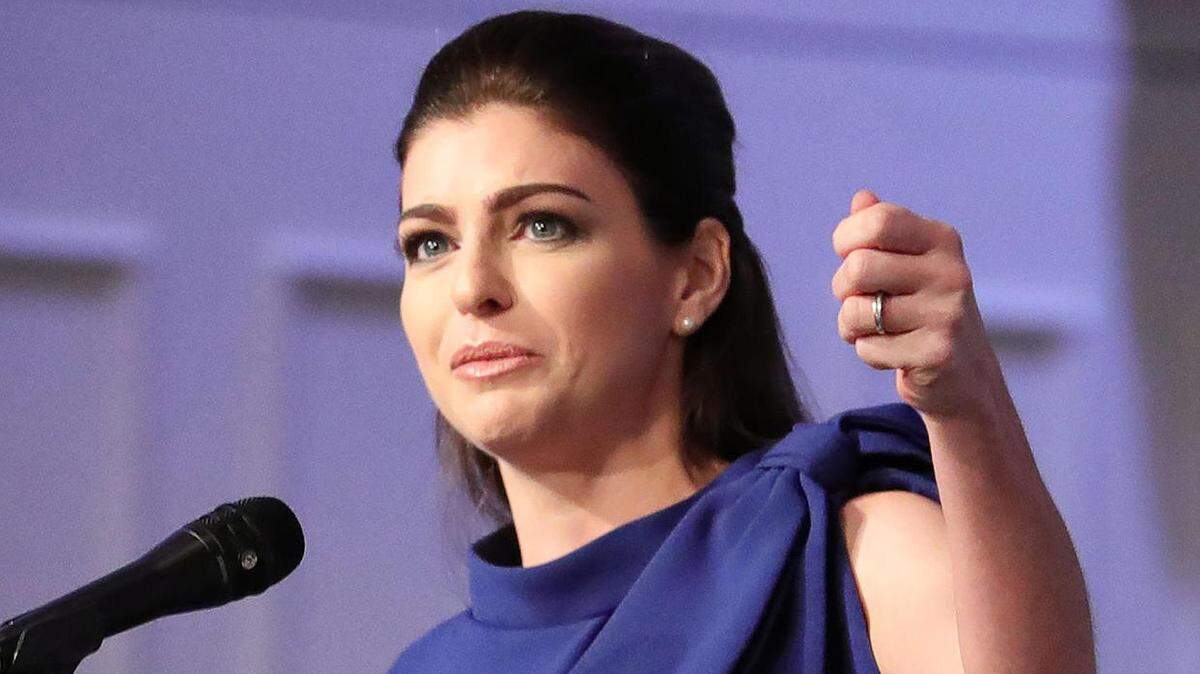
The Cancer Statistics Center estimates that 20,160 new cases of breast cancer have been diagnosed in the state of Florida this year. Monday, that estimate grew by at least one: That is when Gov. Ron DeSantis announced that his wife, Casey — Florida’s first lady — has breast cancer.
We wish her the very best in medical care, in emotional support, in overcoming and in healing. Casey DeSantis is the mother of three small children and she is, as the governor said, “the centerpiece of our family.” No doubt, women across the state can relate.
The governor’s very personal, very moving announcement coincides with the start of National Breast Cancer Awareness Month, which began on Oct. 1. (Go to miamidade.gov for information on activities and initiatives.)
Think pink
It will be a month swathed in pink, the symbolic color of the fight to find a cure for breast cancer. But pink should be more than a symbol. Consider it a call to action and be aware — not all pink is created equal, according to many activists and survivors.
For instance, Hil Moss an MBA/MPH candidate at Yale University and a breast-cancer survivor writes in STAT that awareness is key. Her recommendations?
▪ “Buy only pink products that contribute a substantial amount to research. If a company peddling its pink-ribboned-sneaker donates just 5% of the proceeds to research, pass on that purchase and instead identify companies that direct a substantial portion to breast cancer organizations — many generously donate 100%.”
▪ “Contribute to small businesses run by breast cancer survivors.” She says that financial burdens are an important and harmful side effect of breast-cancer treatment, and one that survivors can live with may shoulder for the rest of their lives. “Instead of buying pink products from major corporations, search for small businesses run by survivor-entrepreneurs and consider making purchases from them this October — and beyond.”
▪ ”Donate directly to research.” With the abundance of breast cancer awareness products available, Moss says, “It can be easy to forget that donations don’t require an intermediary. Reach out directly to esteemed cancer research organizations, such as your local cancer center, and make a donation.” Moss also suggests donating to specific initiatives, such as those dedicated to reducing racial disparities in breast cancer outcomes.
Get checked
We wish Casey DeSantis resounding victory over breast cancer. We hope, given her high profile, that her diagnosis spurs women throughout the state to renew their commitment to preserving their own health, for their sake and for the sake of their families.
That begins with making an appointment for a mammogram and examination.
The Editorial Board’s recent series on the impact of women’s lives during the COVID crisis confirmed that, too often, women burdened by the added responsibilities imposed by the pandemic, made everyone — and everything — a priority except themselves.
They, and the people who love them, should step up in support of early diagnosis, treatment and caring.
BEHIND THE STORY
MOREWhat's an editorial?
Editorials are opinion pieces that reflect the views of the Miami Herald Editorial Board, a group of opinion journalists that operates separately from the Miami Herald newsroom. Miami Herald Editorial Board members are: opinion editor Amy Driscoll and editorial writers Isadora Rangel and Mary Anna Mancuso. Read more by clicking the arrow in the upper right.
What's the difference between an op-ed and a column?
How does the Miami Herald Editorial Board decide what to write about?
The Editorial Board, made up of experienced opinion journalists, primarily addresses local and state issues that affect South Florida residents. Each board member has an area of focus, such as education, COVID or local government policy. Board members meet daily and bring up an array of topics for discussion. Once a topic is fully discussed, board members will further report the issue, interviewing stakeholders and others involved and affected, so that the board can present the most informed opinion possible. We strive to provide our community with thought leadership that advocates for policies and priorities that strengthen our communities. Our editorials promote social justice, fairness in economic, educational and social opportunities and an end to systemic racism and inequality. The Editorial Board is separate from the reporters and editors of the Miami Herald newsroom.
How can I contribute to the Miami Herald Opinion section?
The Editorial Board accepts op-ed submissions of 650-700 words from community members who want to argue a specific viewpoint or idea that is relevant to our area. You can email an op-ed submission to oped@miamiherald.com. We also accept 150-word letters to the editor from readers who want to offer their points of view on current issues. For more information on how to submit a letter, go here.
This story was originally published October 5, 2021 at 6:00 AM.