
Florida’s COVID pandemic is full blown, but, once again, state isn’t sharing life-saving data | Editorial
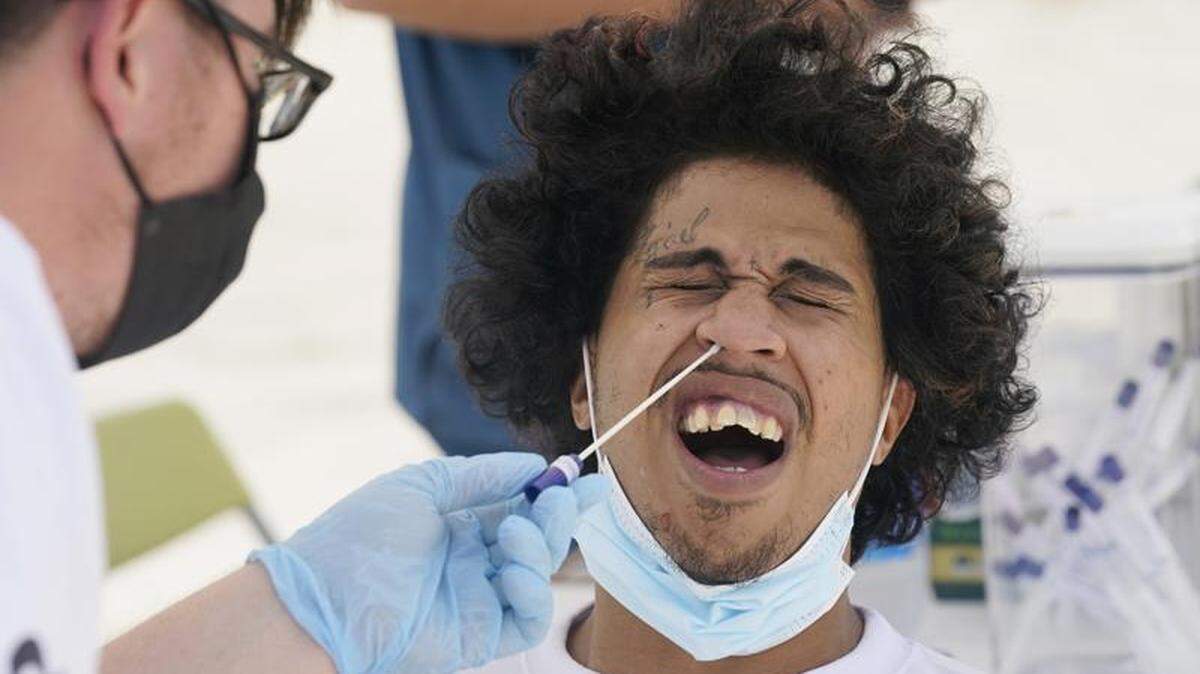
At this point, we already know that Florida’s COVID-19 cases are rising “at an alarming rate,” as U.S. Surgeon General Vivek Murthy said on Thursday.
But it’s become more cumbersome for the average Floridian to find detailed information about the pandemic that was easily available until a couple of months ago. After Gov. Ron DeSantis essentially declared victory on the pandemic by canceling all local restrictions in May, the state scaled back reporting data to the public. With cases down and vaccines widely available, the state Department of Health went from releasing reports of coronavirus numbers on a daily basis to a weekly basis and it stopped releasing hospital data and classifying deaths by county.
Turns out, though, we haven’t beaten COVID-19 yet, and Florida now accounts for 20% of all cases in the country.
It’s time for the DOH to start sharing that data with the public in a comprehensive manner again.
Florida still is gathering such data, just not releasing it like it used to.
Much of that information can still be found in various reports and databases from the federal government and the Centers for Disease Control and Prevention, Jason Salemi, a University of South Florida epidemiologist, told the Herald Editorial Board. He added that the CDC has gotten a lot better at gathering that information from states and sharing it.
Salemi uses those federal reports to complement state data to update his own online COVID dashboard, which has been a lifesaver for journalists and Floridians looking for one-stop information about the pandemic. But the point is that Florida should make that information more easily available to the public and not rely on private citizens with the knowledge and time to dig up that data.
Crucial information should be at Floridians’ fingertips right now. Only if they are armed with the best data can they make decisions for their health and that of their loved ones, as DeSantis and many Republicans believe they should be left alone to do.
Salemi believes the Department of Health has limited its public data sharing for a “good reason.” Gathering, analyzing and releasing that information is time consuming, and “I’m hoping this is freeing” DOH staff to focus on fighting the pandemic, he said.
We hope he is right.
But we have also seen a pattern of Florida obfuscating information since the beginning of the pandemic. The state spent a year stonewalling and evading requests for information about vital matters such as the number of COVID deaths recorded by medical examiners’ offices and details about contact tracing to see where transmission was occurring.
It was only after the Herald and other news organizations filed a public-records lawsuit in April 2020 that the DeSantis administration began releasing detailed information about coronavirus fatalities at long-term-care facilities. The data showed that, as of May 2020, nursing homes and assisted-living facilities accounted for one in three coronavirus deaths in the state.
Florida ranks second-worst in the nation for vaccination rates among nursing home staff. The state has stopped releasing information about individual long-term-care facilities, the Tampa Bay Times reported. Some of that information is available through the Centers for Medicare & Medicaid Services website, but it’s only updated biweekly. The state used to publish that data daily.
Before DeSantis prematurely declared the end of the pandemic in Florida, the state’s information sharing wasn’t perfect — and we had to fight for it — but it provided Floridians with more easily accessed data to help them make more-informed health decisions.
Now that we’re back in the crosshairs of the coronavirus, it’s time the Department of Health make transparency a priority again.
BEHIND THE STORY
MOREWhat's an editorial?
Editorials are opinion pieces that reflect the views of the Miami Herald Editorial Board, a group of opinion journalists that operates separately from the Miami Herald newsroom. Miami Herald Editorial Board members are: opinion editor Amy Driscoll and editorial writers Isadora Rangel and Mary Anna Mancuso. Read more by clicking the arrow in the upper right.
What's the difference between an op-ed and a column?
How does the Miami Herald Editorial Board decide what to write about?
The Editorial Board, made up of experienced opinion journalists, primarily addresses local and state issues that affect South Florida residents. Each board member has an area of focus, such as education, COVID or local government policy. Board members meet daily and bring up an array of topics for discussion. Once a topic is fully discussed, board members will further report the issue, interviewing stakeholders and others involved and affected, so that the board can present the most informed opinion possible. We strive to provide our community with thought leadership that advocates for policies and priorities that strengthen our communities. Our editorials promote social justice, fairness in economic, educational and social opportunities and an end to systemic racism and inequality. The Editorial Board is separate from the reporters and editors of the Miami Herald newsroom.
How can I contribute to the Miami Herald Opinion section?
The Editorial Board accepts op-ed submissions of 650-700 words from community members who want to argue a specific viewpoint or idea that is relevant to our area. You can email an op-ed submission to oped@miamiherald.com. We also accept 150-word letters to the editor from readers who want to offer their points of view on current issues. For more information on how to submit a letter, go here.
This story was originally published July 27, 2021 at 2:31 PM.