
Suspended license cases are clogging the courts. Miami-Dade can — and should — break the cycle | Editorial
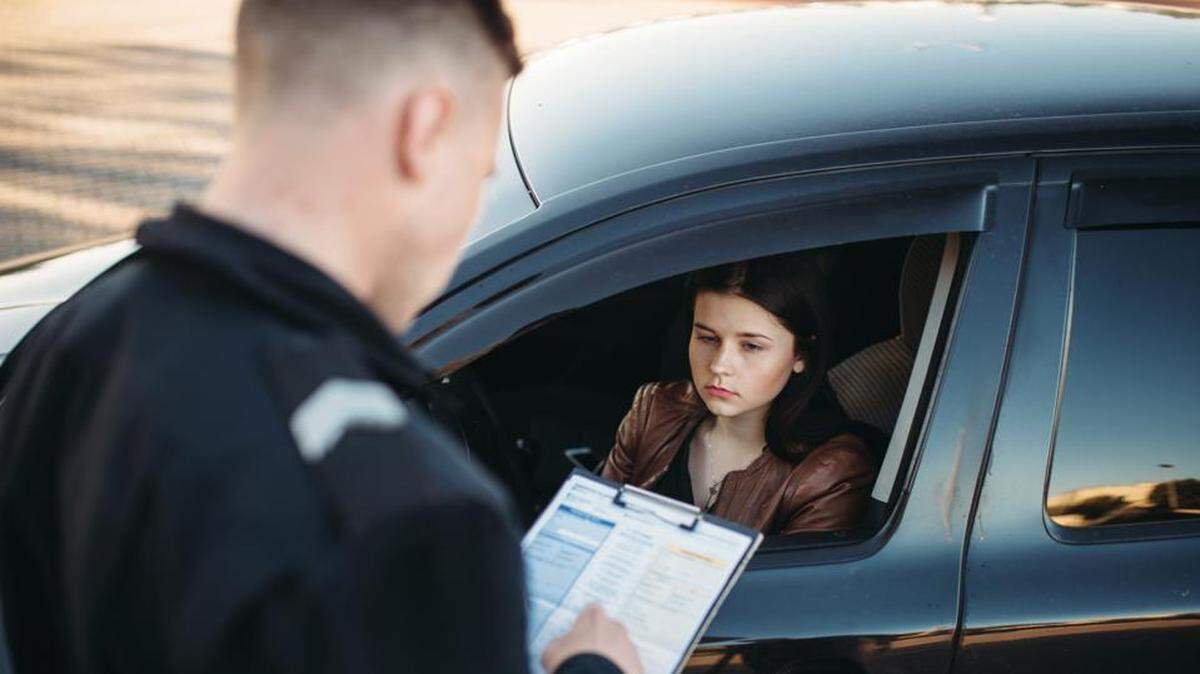
More than a third of drivers in Miami-Dade County have suspended licenses — and not because they are terrible drivers, despite our treacherous roads.
No, these suspensions are usually the result of something a lot more mundane: a unpaid ticket or toll, or failing to pay the fine for not having an insurance card during a traffic stop.
Those cases clog up the courts. Sometimes, they even wind up with an arrest — the modern-day equivalent of a debtors’ prison, as one judge put it. That can ruin lives.
For those too poor to pay the initial fine, the escalating costs of late fees — debt collectors can tack on a whopping 40 percent surcharge — can become insurmountable. That only makes matters worse: Jacking up fines and fees for relatively minor driving offenses further punishes people without resources and pushes them toward driving illegally to get to work or school.
There’s a broader implication, too. When a license is suspended, so is insurance. That increases the chances of being hit by an uninsured motorist. And up go insurance costs, for all of us.
This week, the county took a promising first step toward breaking that terrible cycle.
On Tuesday, the Miami-Dade County Driver’s License Suspension Task Force met for the first time to start figuring out how to prevent unnecessary license suspensions, help people pay fines more easily and gauge whether the fines are appropriate to their ability to pay. The group, including representatives from the county, police, state attorney’s office, the public defender and the court clerk’s office, will make a recommendation to the County Commission.
There seems to be broad support. Commissioner Eileen Higgins has been pushing the effort. State Attorney Kathy Fernandez Rundle is advocating for it, so is Public Defender Carlos Martinez. That’s encouraging.
According to Judge Steve Leifman, the task force chairman, more than 630,000 people have suspended licenses in Miami-Dade right now, and those suspensions are tied to about 1.3 million open court cases.
Leifman, who is among those who have been trying to get traction on this issue for years, said the courts hear “tens of thousands of these cases” every year.
“The resources that we use to actually hear those cases is enormous,” he said, “and in some ways, we’re just part of the problem because we’re just processing people and not solving the problem.”
Some ideas being floated for consideration include holding traffic court online, as the county has done during the pandemic; extending traffic court hours into evenings and weekends; texting people court notices; redesigning tickets to more clearly outline next steps; allowing community service to count for a portion of fees; and forgiving some debt.
The proposals will no doubt run into speed bumps. Some ideas may veer into state law, task force members said, but many options are within county control. The task force will need to make sure the county’s clerk’s office, responsible for ticket processing and fine collections, continues to get sufficient revenue. Discretion on arrests in cases where public safety is at issue should remain in the hands of police.
But the overall, and overdue, idea — stopping unnecessary license suspensions and, with that, the unfair cycle of debt that pushes people further into poverty — is a terrific one. It’s an opportunity to do some real good for our community.
BEHIND THE STORY
MOREWhat's an editorial?
Editorials are opinion pieces that reflect the views of the Miami Herald Editorial Board, a group of opinion journalists that operates separately from the Miami Herald newsroom. Miami Herald Editorial Board members are: opinion editor Amy Driscoll and editorial writers Isadora Rangel and Mary Anna Mancuso. Read more by clicking the arrow in the upper right.
What's the difference between an op-ed and a column?
How does the Miami Herald Editorial Board decide what to write about?
The Editorial Board, made up of experienced opinion journalists, primarily addresses local and state issues that affect South Florida residents. Each board member has an area of focus, such as education, COVID or local government policy. Board members meet daily and bring up an array of topics for discussion. Once a topic is fully discussed, board members will further report the issue, interviewing stakeholders and others involved and affected, so that the board can present the most informed opinion possible. We strive to provide our community with thought leadership that advocates for policies and priorities that strengthen our communities. Our editorials promote social justice, fairness in economic, educational and social opportunities and an end to systemic racism and inequality. The Editorial Board is separate from the reporters and editors of the Miami Herald newsroom.
How can I contribute to the Miami Herald Opinion section?
The Editorial Board accepts op-ed submissions of 650-700 words from community members who want to argue a specific viewpoint or idea that is relevant to our area. You can email an op-ed submission to oped@miamiherald.com. We also accept 150-word letters to the editor from readers who want to offer their points of view on current issues. For more information on how to submit a letter, go here.
This story was originally published May 26, 2021 at 4:10 PM.