
Floridians, don’t let state lawmakers deny your right to know what government is doing | Editorial
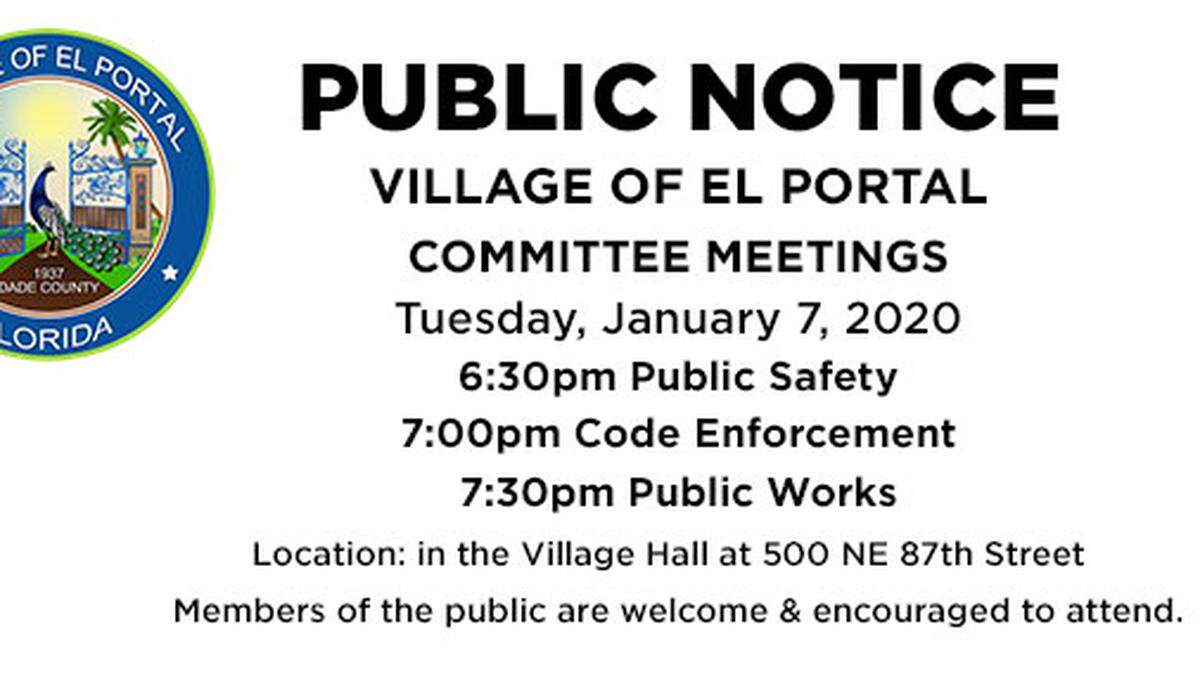
We said it last year, and in 2017 and in years before that. As the Florida Legislature begins its session on Tuesday, we’ll say it again: Floridians have the right to know what their local governments are doing on their behalf. Therefore, state legislators should reject a proposal that would deliberately keep their constituents in the dark.
By law, counties and municipalities must inform residents about upcoming issues at commission, council and School Board meetings, zoning hearings, budget hearings, land-use hearings, etc. that will have an impact on their their neighborhoods, property values, schools, taxes, etc.
In other words, their quality of life.
The most effective way to do this has been by publishing legal notices in local newspapers. And it still is.
However, several Republican lawmakers, year after year, have tried to eliminate the requirement that local governments publish what are called “public notices” in newspapers, allowing them to put notices exclusively online, instead.
This year, unfortunately, is no different.
State Rep. Randy Fine, R-Palm Bay, has filed House Bill 7 — co-sponsored by Rep. Anthony Sabatini, R-Howey-in-the-Hills — that would merely require legal notices be posted on a “publicly accessible website,” including “a governmental agency’s official website or other private website designated by the governmental agency for the posting of legal notices and advertisements that is accessible via the Internet.”
Floridians already have options as to where they find such vital information. Still, a 2017 survey by the Mason Dixon Polling & Research found that 83 percent of state residents say that state and local governments should be required to put public notices in local newspapers on a regular basis.
In addition, the vast majority of Floridians — 82 percent — responded that they would not visit a county or municipality website to look for public notices.
There’s other data that bears repeating:
More that 1.2 million Florida residents do not have access to the internet, according to a report by Nielsen Scarborough in 2018. Many elderly and minority residents — whom Republicans shamelessly target when it comes to voting and other rights — can’t afford a computer and the fees they incur.
In addition to their print audience, newspapers’ web audience is typically 10 times larger than most city or county websites.
Newspapers are required to post copies of the public notices on floridapublicnotices.com, which has more traffic than many city or county websites, is easily searchable and is available to the public for free.
Notices posted exclusively online will only be seen by people who look for them. Currently, people find notices when they are looking for other information in a newspaper.
Internet access is not as readily available in some rural areas or for some segments of the population, including many whose quality of life is already precarious.
Newspapers provide a paper trail when new legal notices are published and added to the newspaper’s website. That paper trail likely will disappear if left to local governments.
Clearly, this is a years-long effort to keep Floridians out of the loop, less likely to petition their government at local government meetings or able to hold their elected leaders accountable. It’s another attempt, too, to gouge newspapers — which many lawmakers wrongly consider the enemy — by cutting into their revenue.
Still, Floridians themselves will pay the highest price if lawmakers allow this assault on open government and democracy to pass.
This story was originally published January 14, 2020 at 1:45 PM.