Ready for a hurricane? Check your list for South Florida storm season
Get ready, South Florida. The most dreaded time of the year starts June 1 and runs through Nov. 30.
Although forecasters expect a “below normal” hurricane season in 2026 with fewer storms, all it takes is one. Tropical storms and hurricanes can destroy homes and threaten your safety with their winds and floods.
The good news? As technology has improved, forecasts are better at tracking a storm’s path, giving us time to prepare or leave an area. Florida also has one of the strictest building codes in the country.
Whether you’re new to the state have been in Florida forever, here’s a hurricane preparation guide to help you survive the season:
What are the names for the 2026 Atlantic hurricane season?
Storm names for the 2026 Atlantic hurricane season are:
Arthur, Bertha, Cristobal, Dolly, Edouard, Fay, Gonzalo, Hanna, Isaias, Josephine, Kyle, Leah, Marco, Nana, Omar, Paulette, Rene, Sally, Teddy, Vicky and Wilfred.
Before storms are in the forecast
You should do a few things even before a storm is forecast:
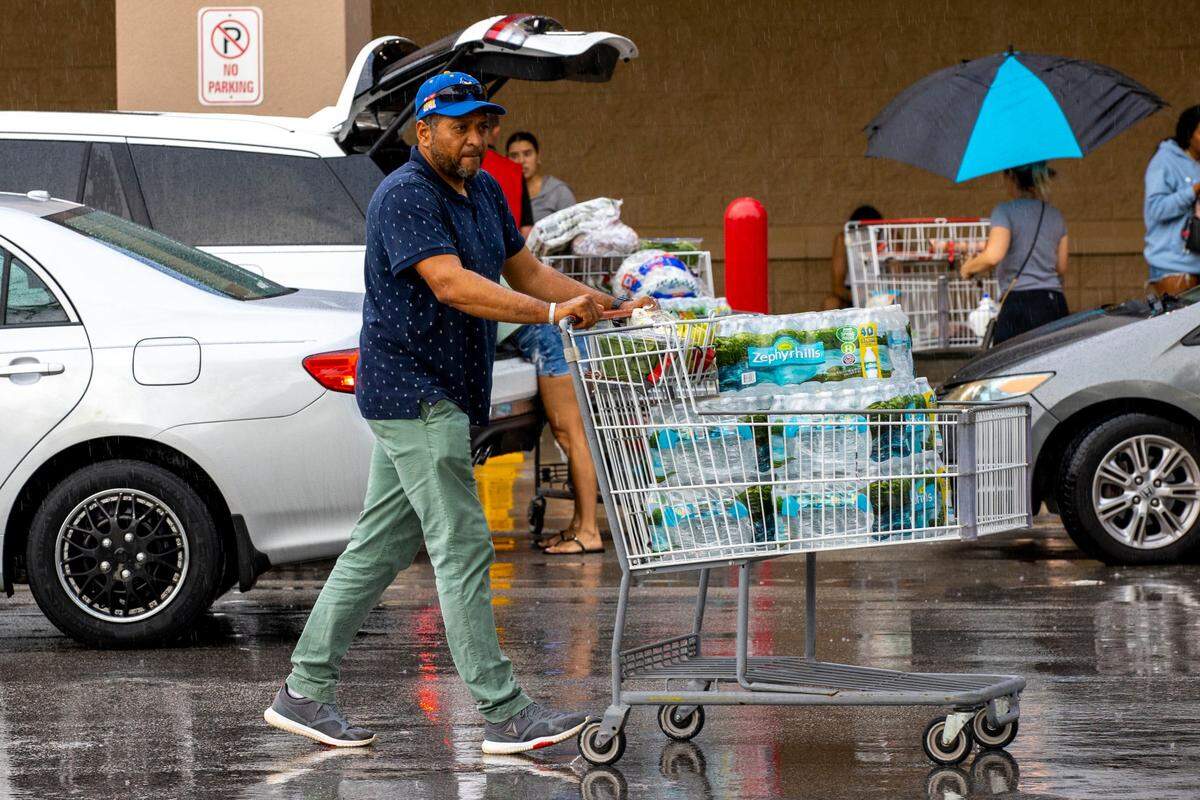
Each member of your home should have canned or nonperishable food for at least seven days and at least one gallon of water per person. Make sure you have enough food and water for your pet, too.
Your kit should also include flashlights, a battery-operated or cranked radio, cash, a first-aid kit, medicine.
Tip: Don’t wait until a storm is coming to stock up. Start buying items little by little ahead of time. That way you can shop around for bargains and not face empty shelves. Also, only buy food you eat. So if a storm stays away or at the end of the season, your stockpile won’t go to waste.
Other reminders:
- Inspect your shutters, roof and fences in case repairs or replacements are needed. Start pruning your trees, too.
- If you have home and flood insurance, check that your policies are current and if you have sufficient coverage for hurricane season.
- Check to see if you live in an evacuation zone and discuss possible evacuation routes with your family.
In Miami-Dade, check your zone at miamidade.gov/hurricane. In Broward, visit broward.org/hurricane. In the Florida Keys, visit monroecounty-fl.gov/897/Evacuation-Information.
If you’re planning to spend the storm elsewhere in Florida, the Florida Division of Emergency Management has online maps you can refer to for all 67 counties.
If a tropical storm or hurricane is coming
If a tropical storm or hurricane is forecast to hit Miami-Dade, Broward, Palm Beach or Monroe counties, here’s how to prepare:
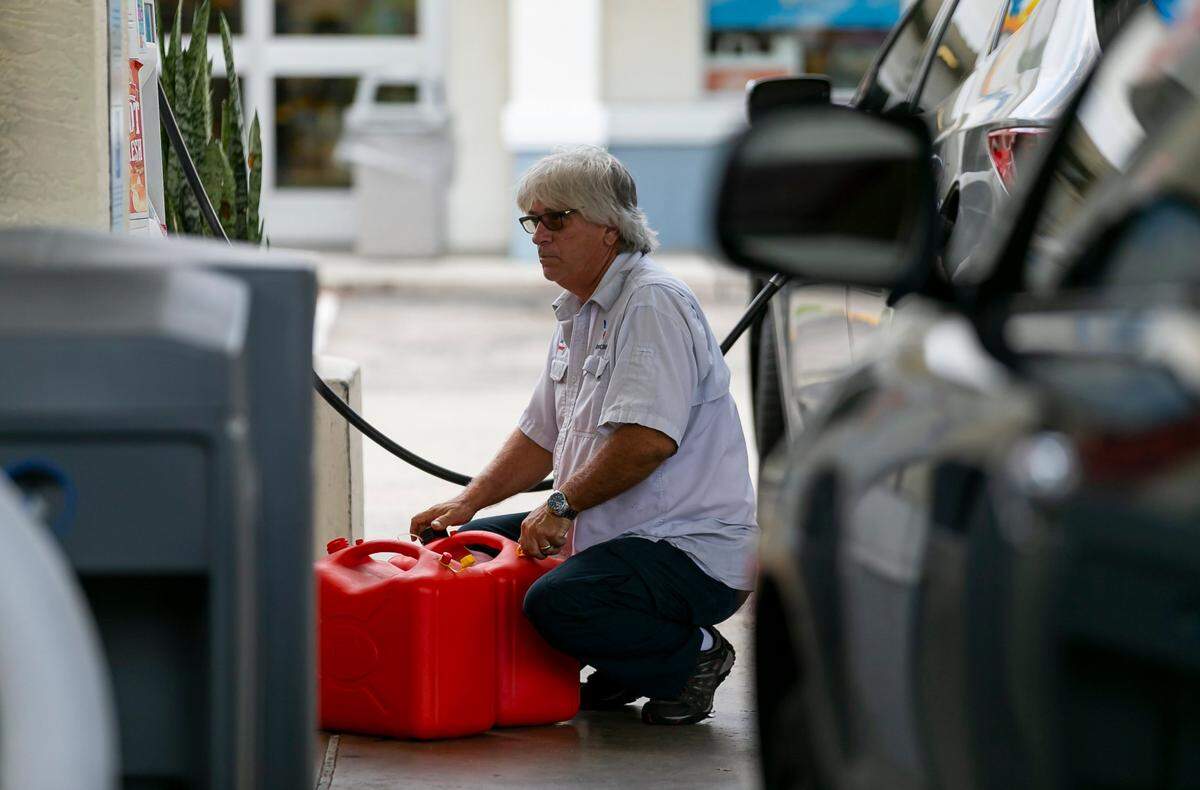
- Fuel up your car, charge your power banks, withdraw cash, buy supplies (food, water, medicine, etc.) you still need.
- Bring your patio furniture, pets and potted plants inside. Tie down anything that could become airborne. If you have a boat, secure it properly.
- Monitor local news for updates from the National Hurricane Center, your local National Weather Service office and local officials on the storm’s track, what type of hazards to expect and if there are any evacuation orders in effect.
- Get sandbags.
- Find a safe place to park your car.
- Put your shutters up and don’t leave trash on the curb. If you don’t have shutters or hurricane-proof windows, board up your windows with 5/8-inch plywood. Don’t tape your windows. That’s stupid — and it doesn’t work.
During the storm
The storm has arrived, the power is out and your kids are making shadow puppets with the flashlight. Here’s what you should and shouldn’t do:
- Keep your hurricane kit nearby at all times and try to stay in a room with few or no windows.
- Don’t take a bath or shower during the storm, Miami-Dade County says. Lightning can travel through plumbing.
- Don’t use your generator during the storm, even if you lose power. Wait for the storm to pass before turning it on.
- Don’t leave your house during the storm. And don’t let the eye of the hurricane or tropical storm deceive you. While it might seem calm, things can quickly change. The winds surrounding the center of the storm are the strongest.
- If your home begins to fall apart, get in the tub and pull a mattress over yourself to protect from debris, Miami-Dade County says.
After the storm
The worst is over, the storm is gone and you need a drink. There are still a few things to do first:
- Report property damage and power outages.
- Monitor for curfew and boil-water-order notices.
- If you want to use a generator, make sure to keep it at least 20 feet from homes, including your neighbors, to prevent carbon monoxide poisoning. Never use it indoors, including in your garage. If you live in an apartment, use a battery-powered generator or portable power station.
- Put the shutters away, bring your patio furniture out again and start yard cleanup.
- If you plan to go out — maybe to seek air conditioning, a hot meal or to check on Grandma — be careful on the roads. Downed trees, fallen power lines, traffic lights outages, and debris could affect your trip. Some roads may also be flooded. Don’t drive or walk through standing water.
OK, now you can kick back and relax. At least until the next storm comes.
This story was originally published May 27, 2026 at 5:38 AM.