The ‘cone of uncertainty’ is getting smaller — but it still matters if you’re outside it
READ MORE
Hurricane season is here: What to know
It’s time to prepare just in case a storm threatens us this year. Do you have enough supplies? Do you know what to do? Here are guides to help you through the season
Expand All
When a potential new storm hits the headlines, it’s the first question most people ask: “Are we inside the cone?”
The National Hurricane Center’s iconic “cone of uncertainty” turns 20 this year, and thanks to better forecasting, it’s once again shrinking. But hurricane experts say that most people still don’t understand what the cone means, and why they should still pay attention even if their city isn’t within the shaded white area on the map.
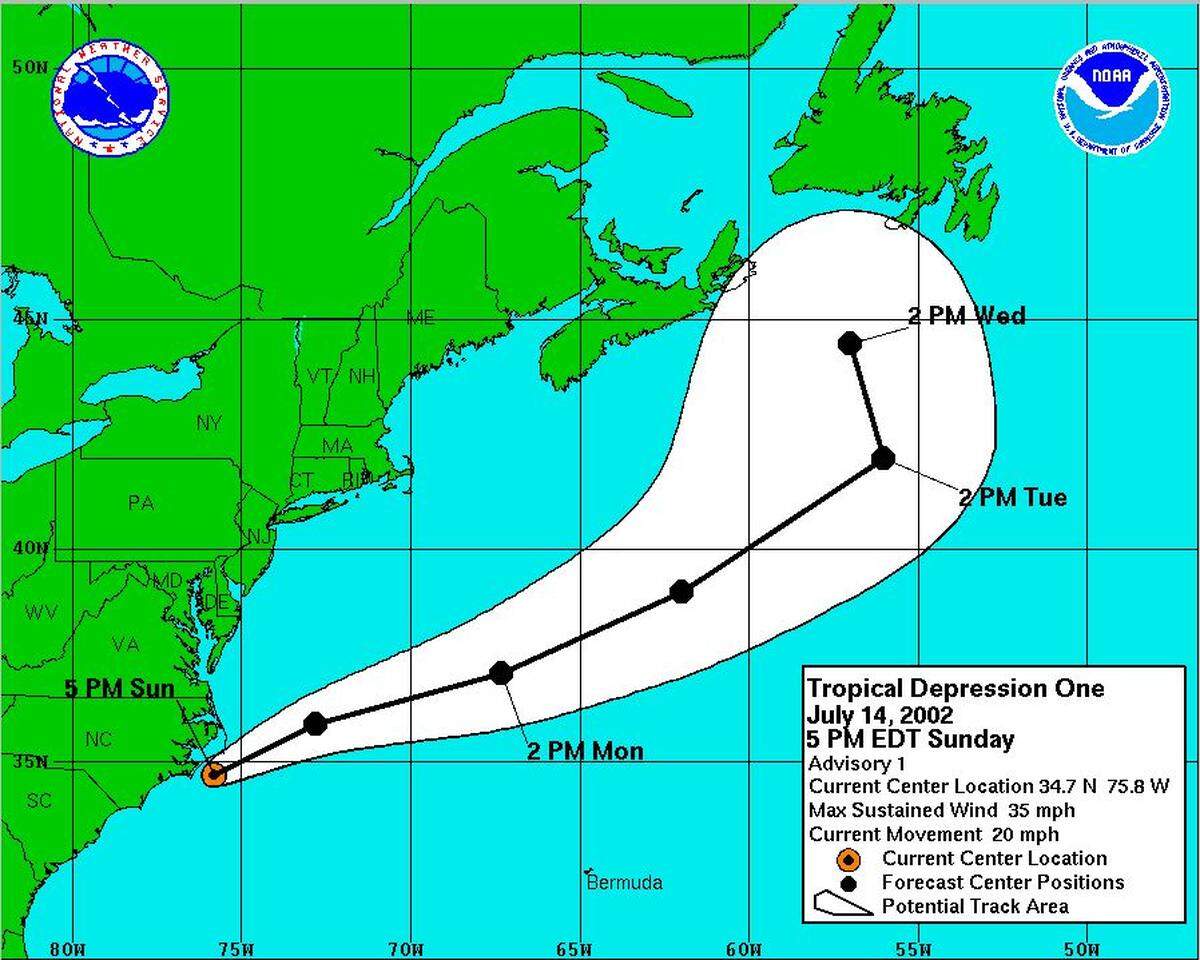
When a tropical depression gets strong enough to earn a name, it also gets a cone. The map projects the next five days of the storm’s path, represented by a white shaded area with a thick black line running through the center. The cone starts out small by the immediate forecasts for 12 or 24 hours out, and grows bigger as it approaches the five-day estimate.
The size of the shaded area is dictated by a formula: a two-thirds likelihood that the storm’s center will remain within an area, based on the errors and successes of past forecasts.
“That’s just telling you some general idea of where the center of the storm will most likely be over the next five days,” said Michael Brennan, branch chief of the hurricane specialist unit at the hurricane center. “It doesn’t tell you the whole story. It’s like the cover of a book.”
A steadily shrinking cone
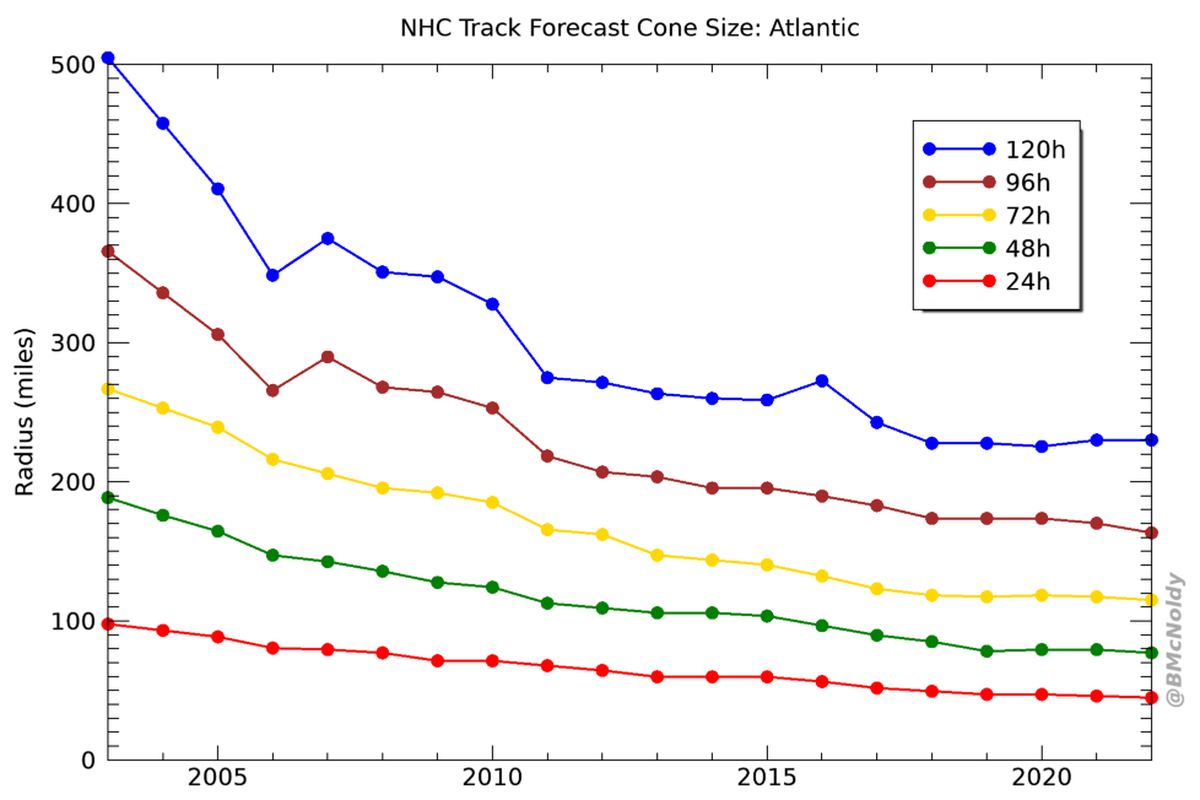
Every year, scientists recalculate the cone based on the previous five years of track errors. As forecasting improves, older, worse years drop off and newer, better ones take their place. The result is a steadily shrinking cone.
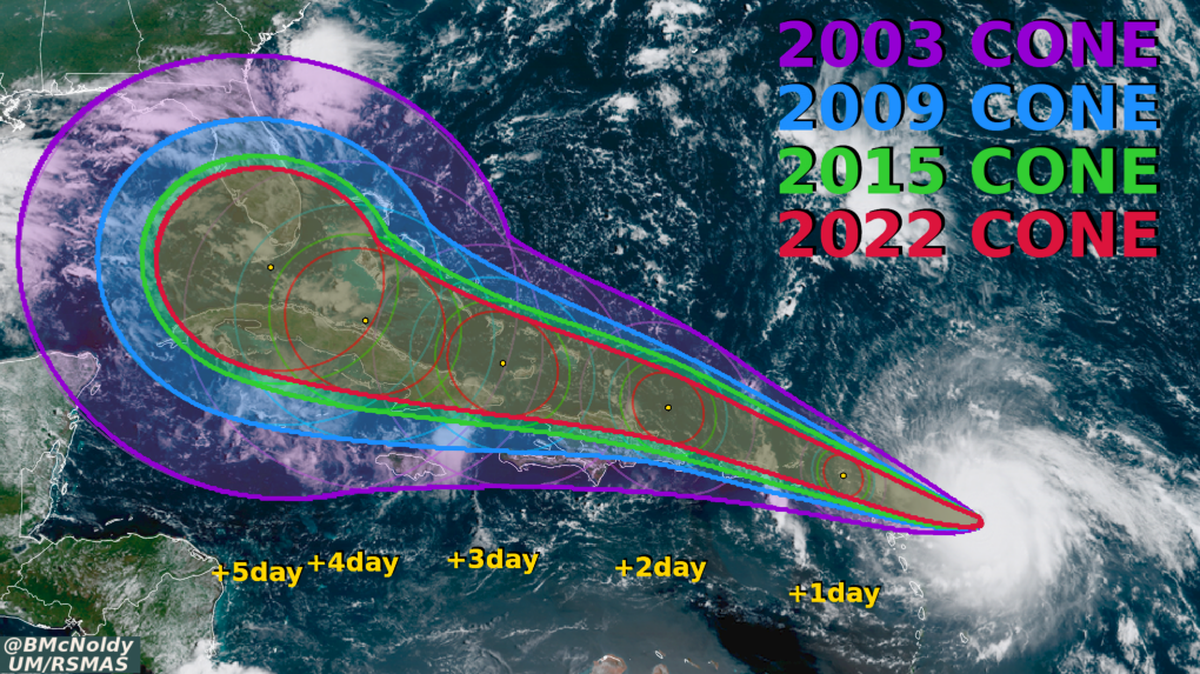
Brian McNoldy, a senior research associate at the University of Miami’s Rosenstiel School of Marine and Atmospheric Science, mapped the hurricane center’s cones over the last two decades and found massive improvement, especially in the later predictions.
He found that “a two-day forecast now is as accurate as a one-day forecast was a decade ago, and a five-day forecast now is more accurate than a three-day forecast was two decades ago.”
And while that’s a testament to better hurricane models, satellites and skilled forecasters, it also presents a problem for hurricane experts.
“Over time the cone has generally gotten smaller and smaller, which is telling you that the track forecasts are getting better, but it makes the messaging harder because more of the risks fall outside the cone,” Brennan said.
Where the risk really is
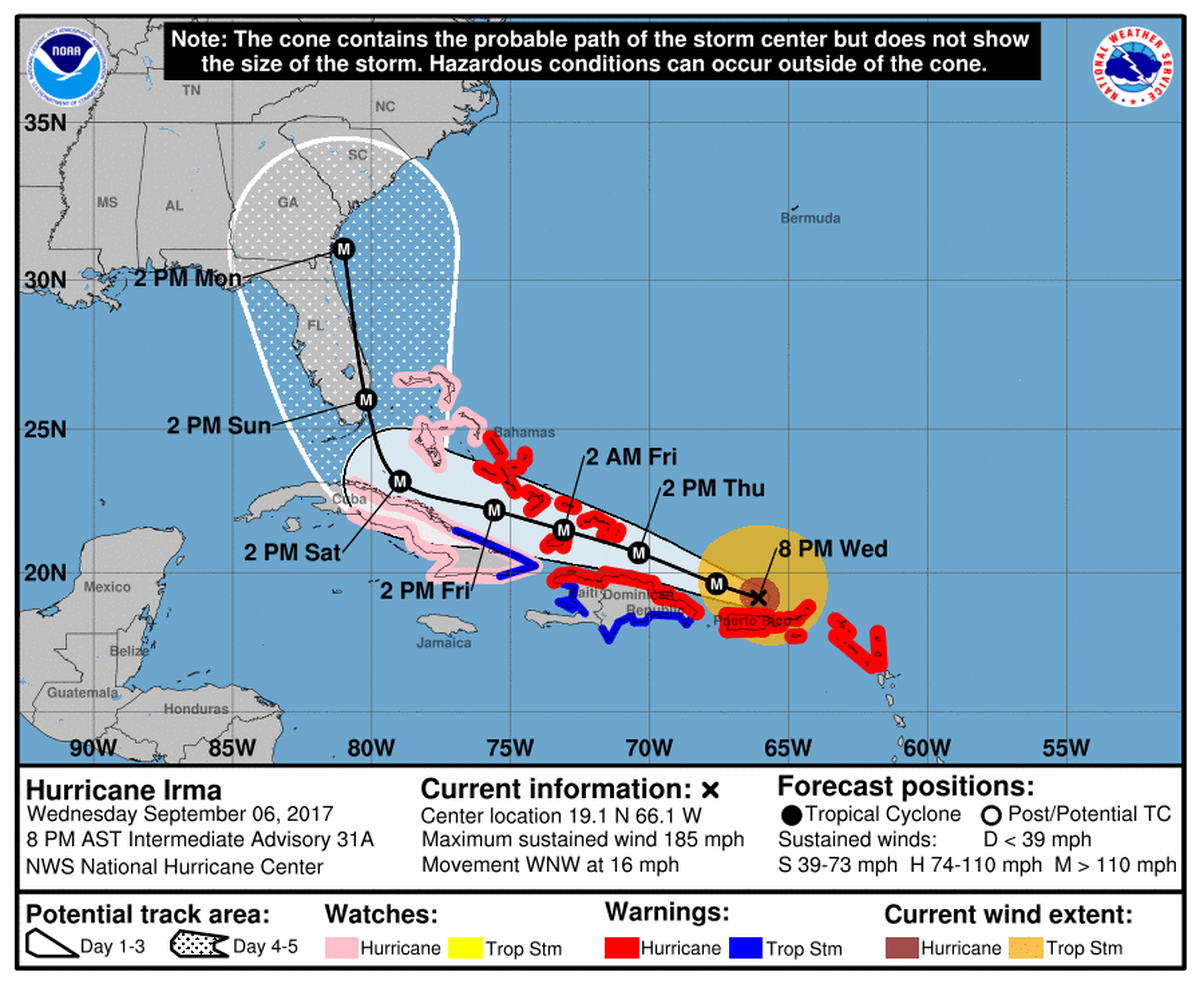
And that’s what most people get wrong about the cone. It doesn’t show you where storm-force winds, flooding rains, storm surge or tornadoes will be felt. It only shows the rough area a storm could be headed next, based on a strict formula.
So that sigh of relief some storm watchers feel when they see their county or city slip outside of the cone’s shaded area? Don’t listen to it.
“There’s nothing magic about the edge of the cone,” McNoldy said.
The reason the cone shrinks as a storm draws near is just math. The hurricane center can’t narrow or grow the cone to represent their confidence in the forecast or where impacts might be felt.
“Ironically as you get closer to the event the cone gets smaller and the impacts are more likely to be outside the cone,” Brennan said.
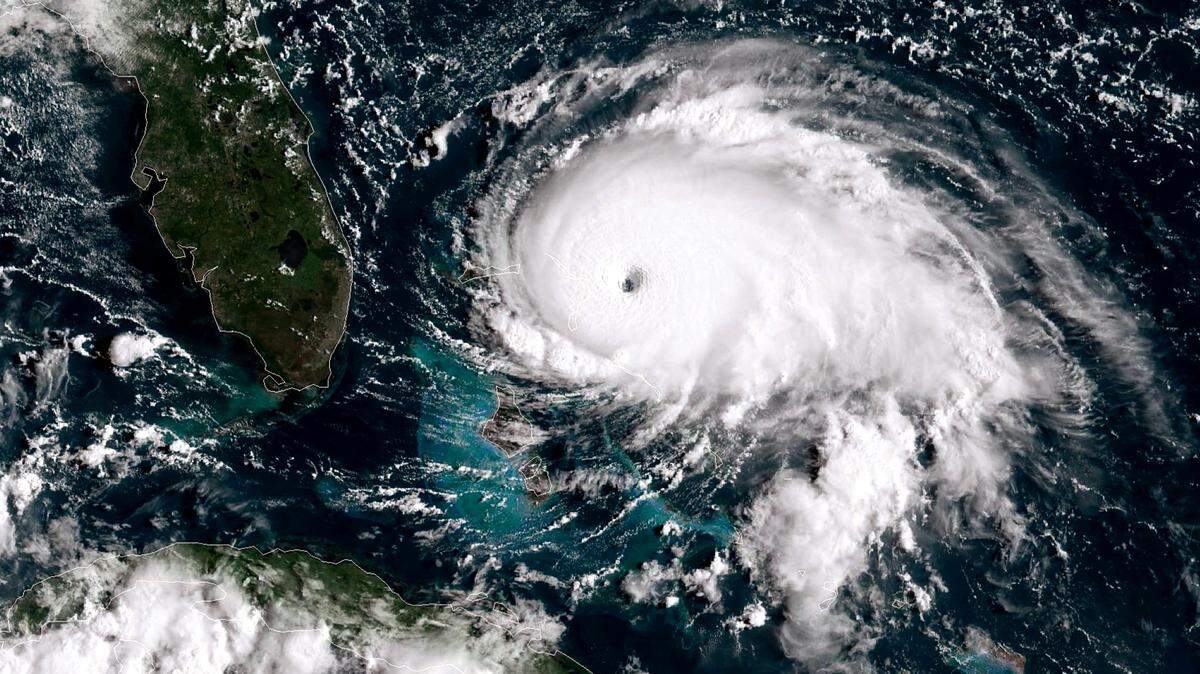
To help with that problem, the hurricane center added the size of a storm’s wind field to the cone map in 2017. Now storm watchers can see exactly how much farther tropical storm-force winds extend beyond the cone. The center also started announcing storm-surge watches and warnings, along with its tropical storm and hurricane watches and warnings, to help people understand how big of an area a storm might affect.
Hitting the limit?
As the cone continues to shrink, scientists sometimes talk about a point where forecasting just can’t improve anymore and the cone stays the same size. They call it the “limit of predictability.”
But that doesn’t mean a world where the cone of uncertainty is just a line. The world’s weather has a certain amount of chaos in it, and the computer models and human forecasting will never be perfect.
McNoldy, like other researchers, thinks science is fast approaching that limit, especially for the closer predictions like 12 or 24 hours out.
“We’re getting close,” he said. “You don’t really know that you’re there until you have years of hindsight and see nothing is changing.”
This story was originally published June 1, 2022 at 6:00 AM.