Hurricane Wilma did THAT to South Florida? Take a look at the 2005 storm
AI-generated summary reviewed by our newsroom.
- Hurricane Wilma caused over $20 billion in damage across South Florida in 2005.
- Widespread outages, structural damage and flooding delayed recovery for weeks.
- Officials imposed curfews and requested federal aid, National Guard support followed.
No one expected Hurricane Wilma to be the bully that it was. But Wilma gave South Florida a good beat-down in October 2005.
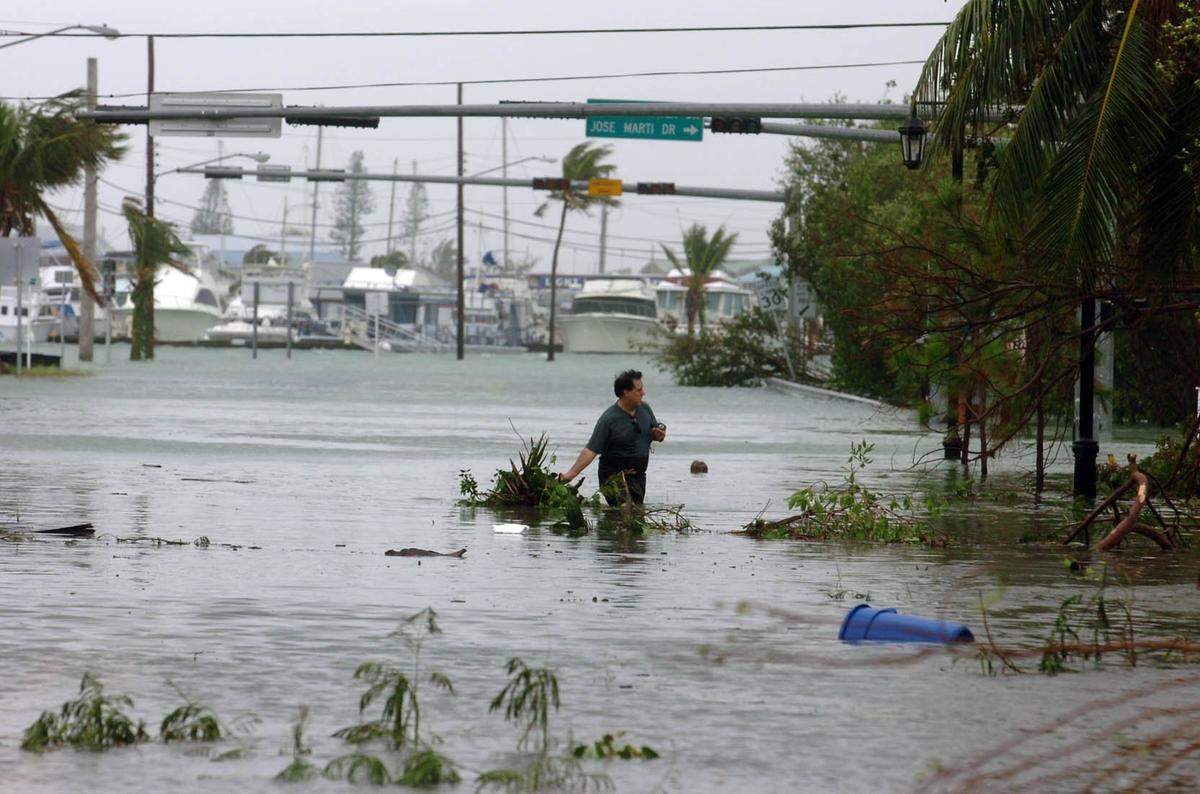
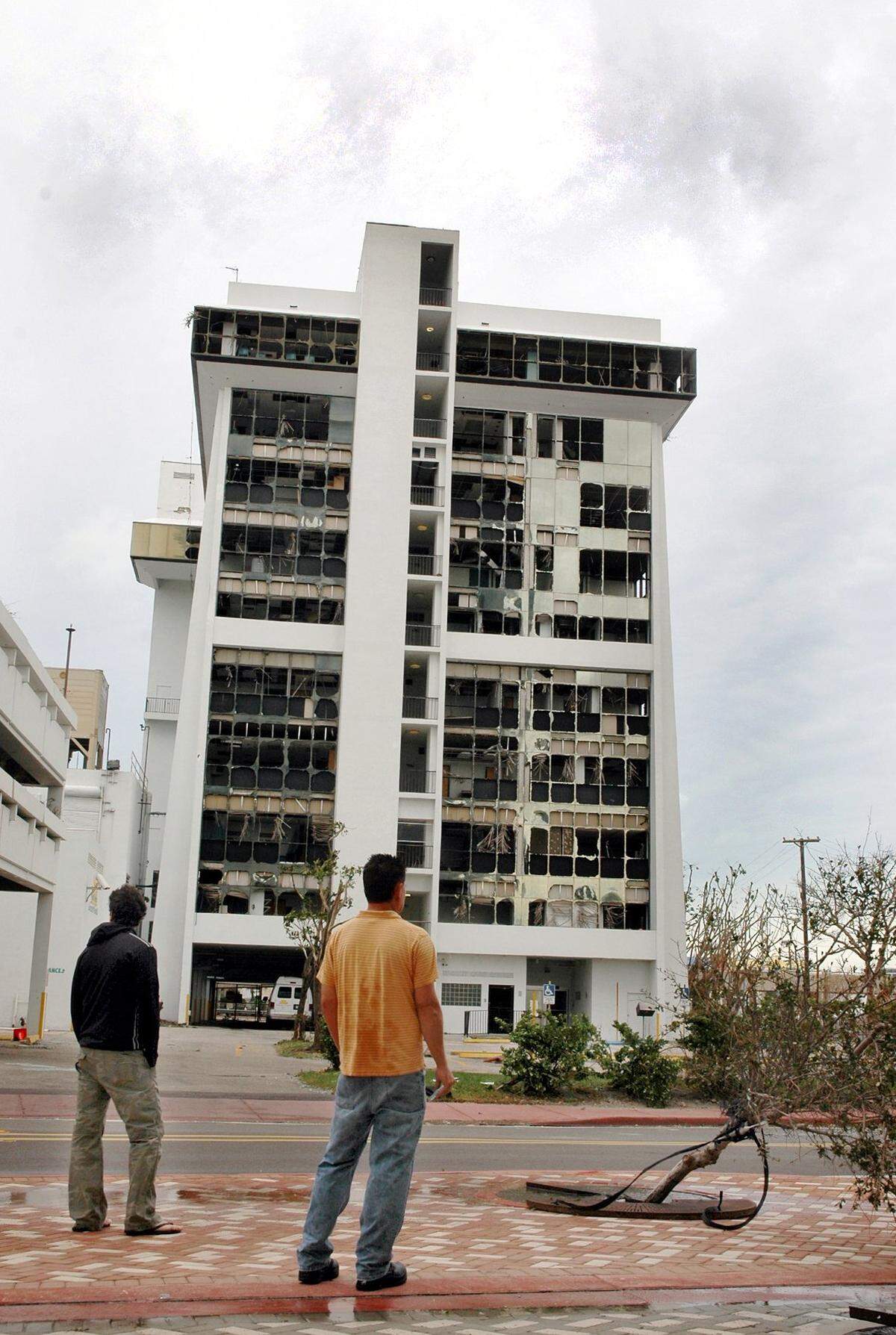
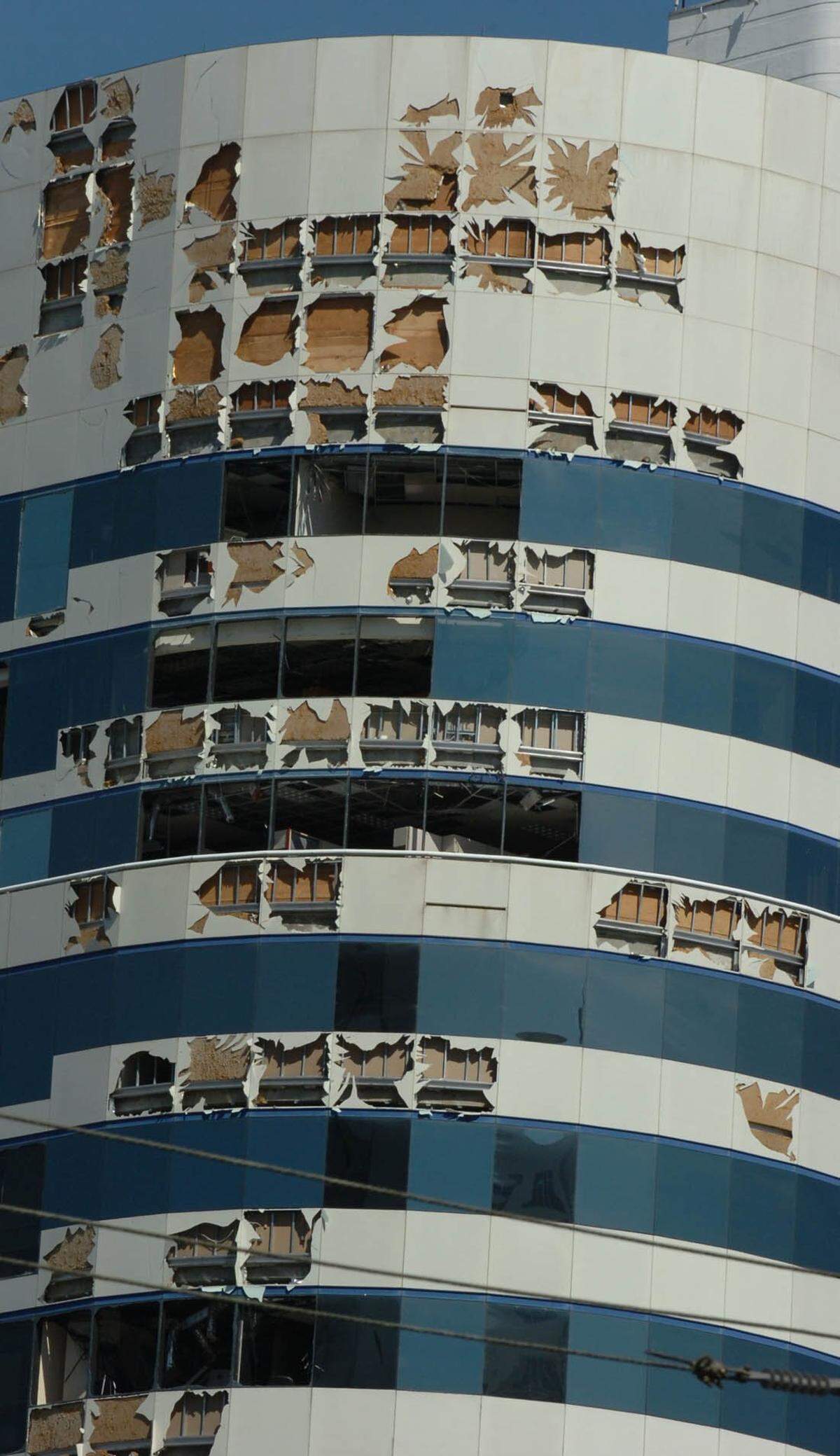
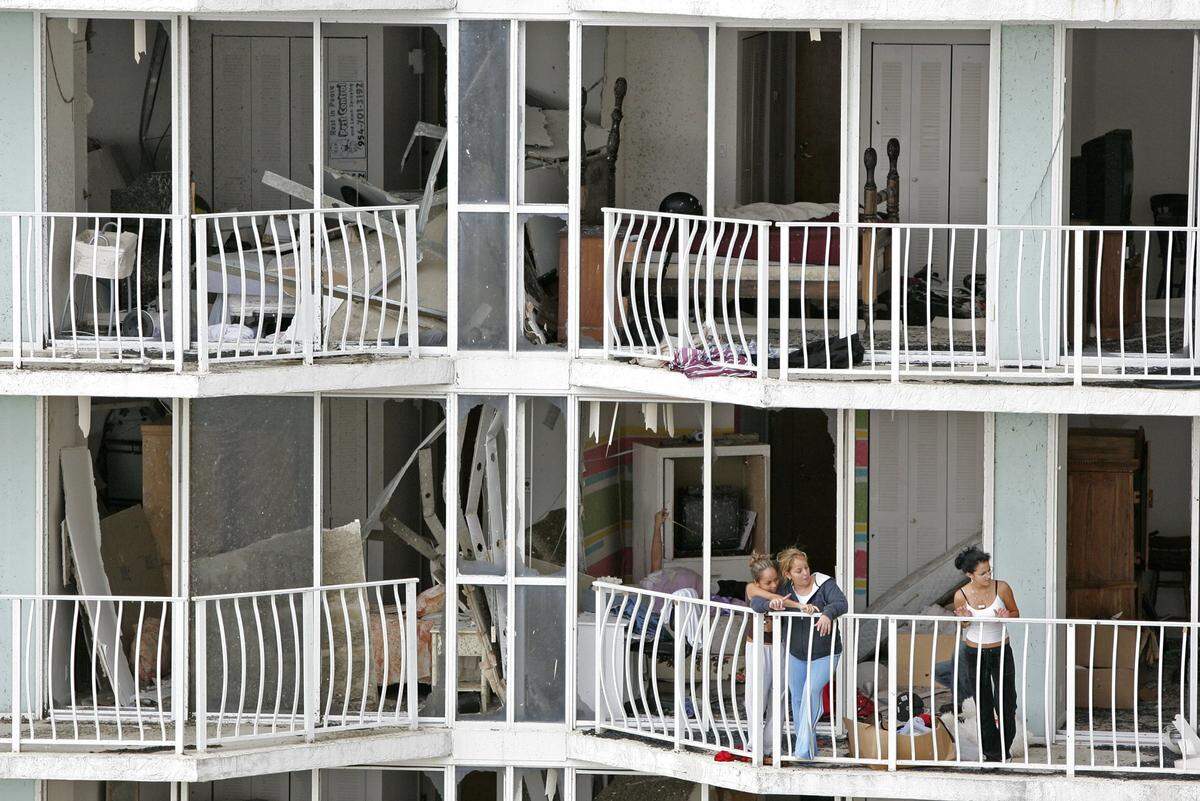
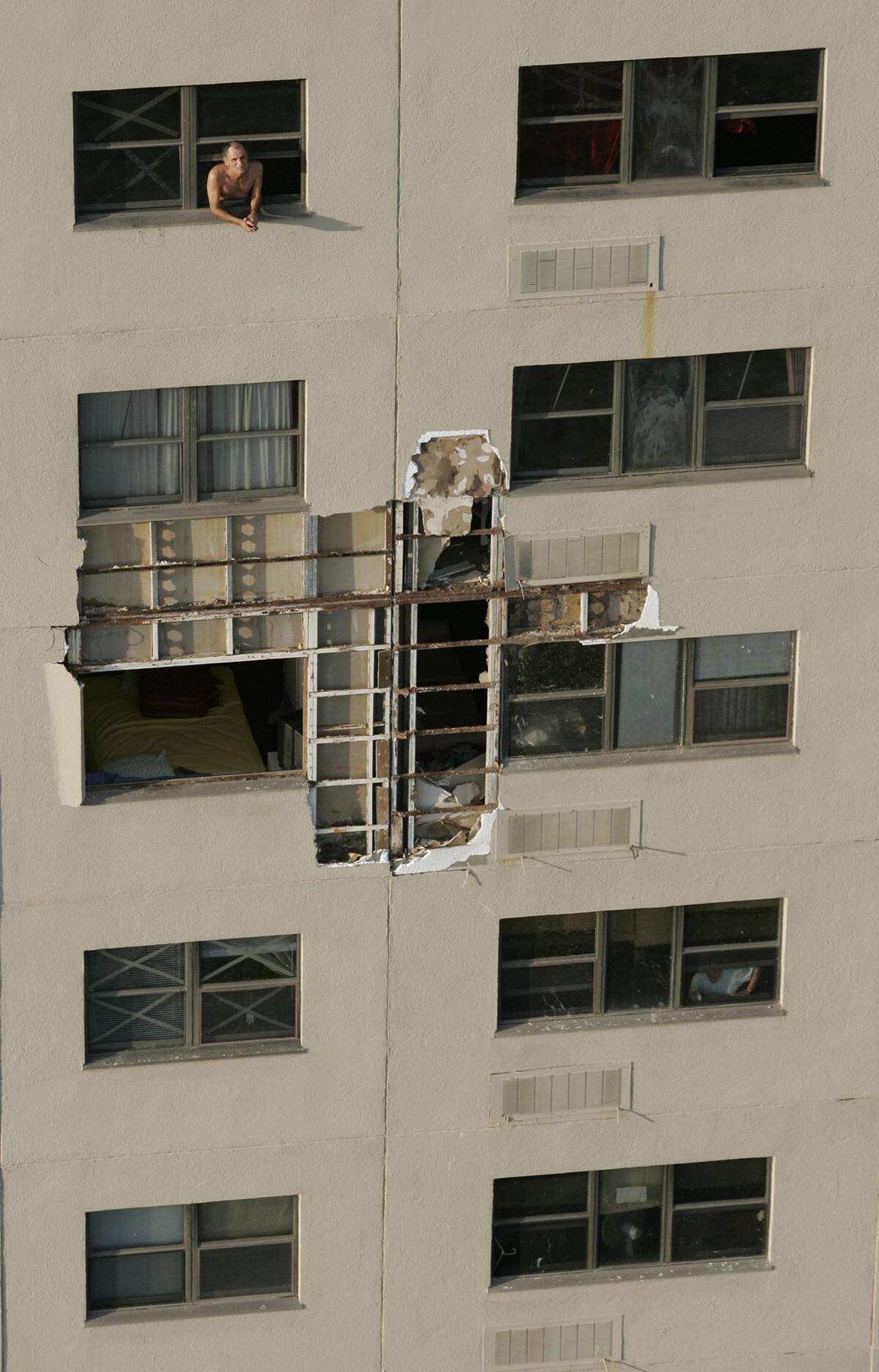
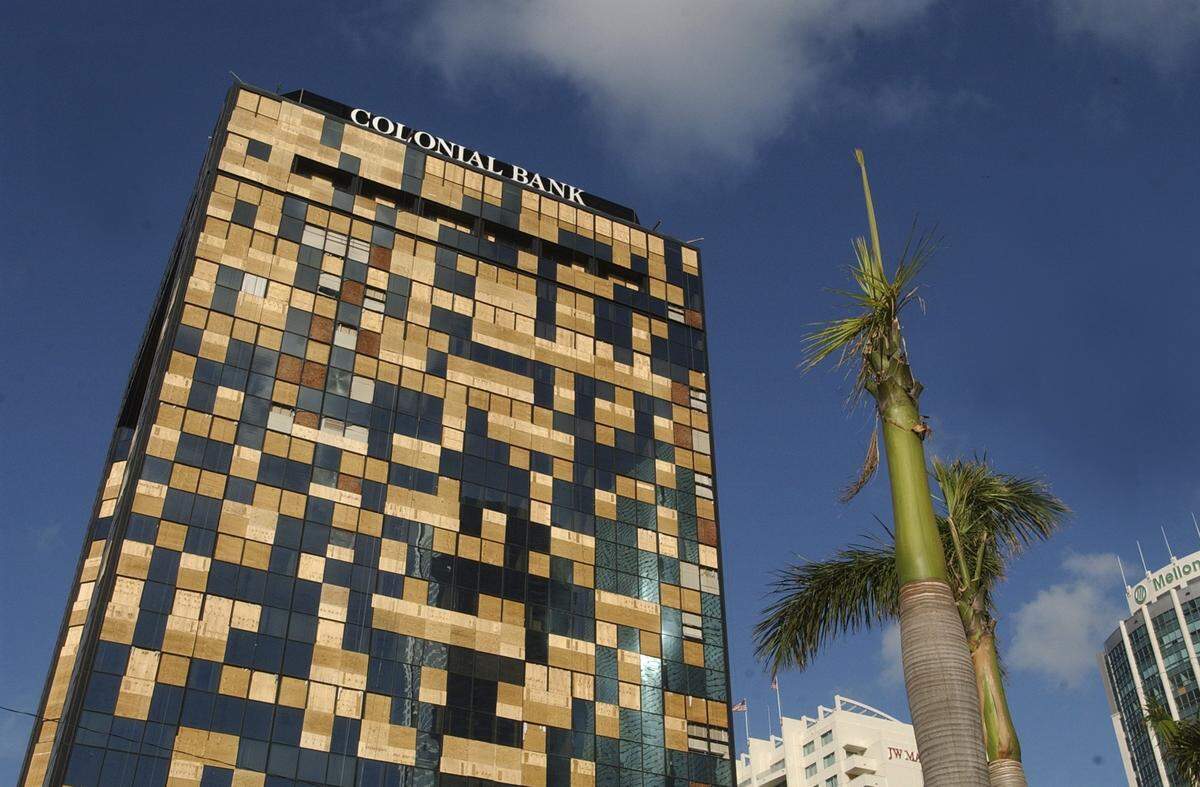
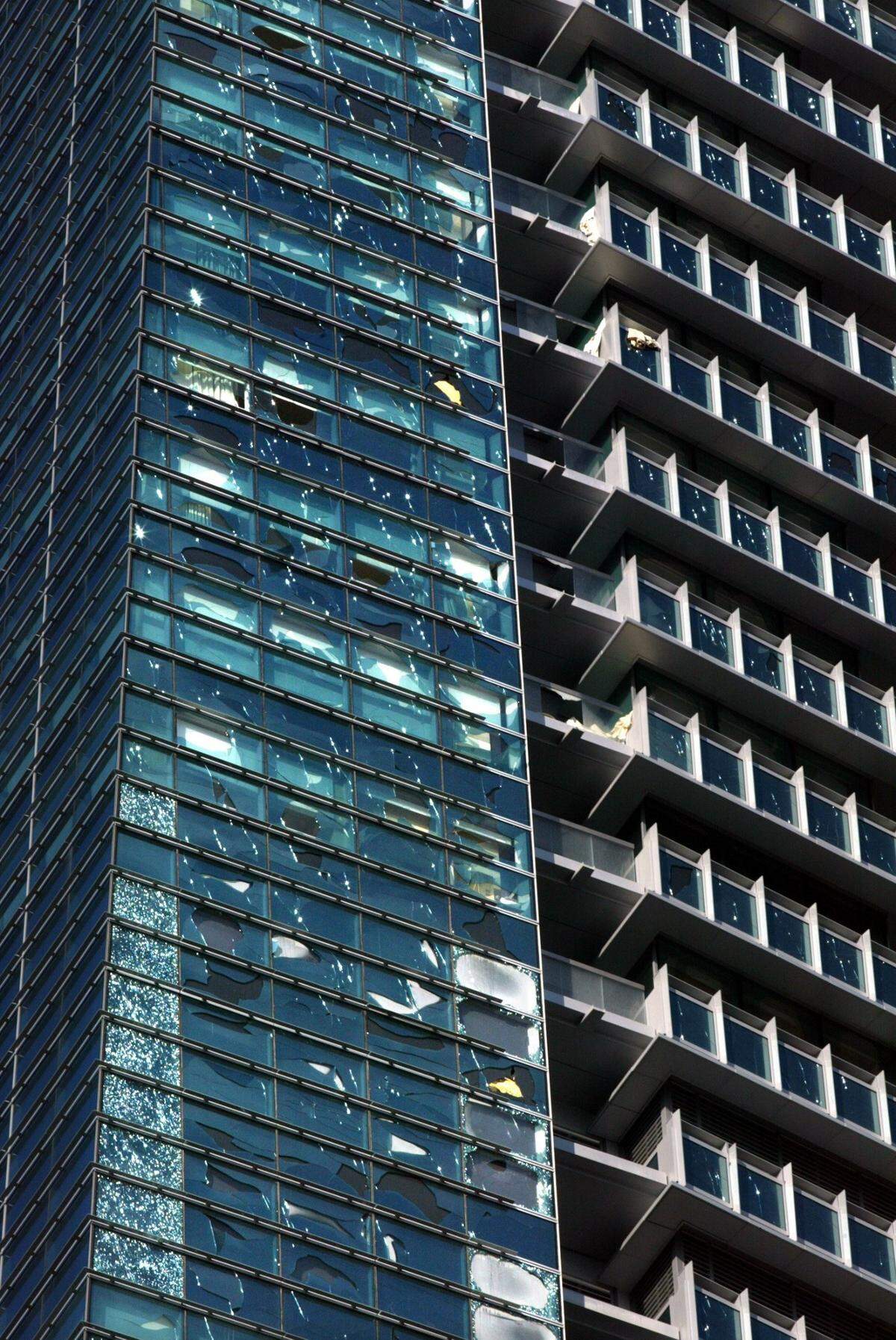
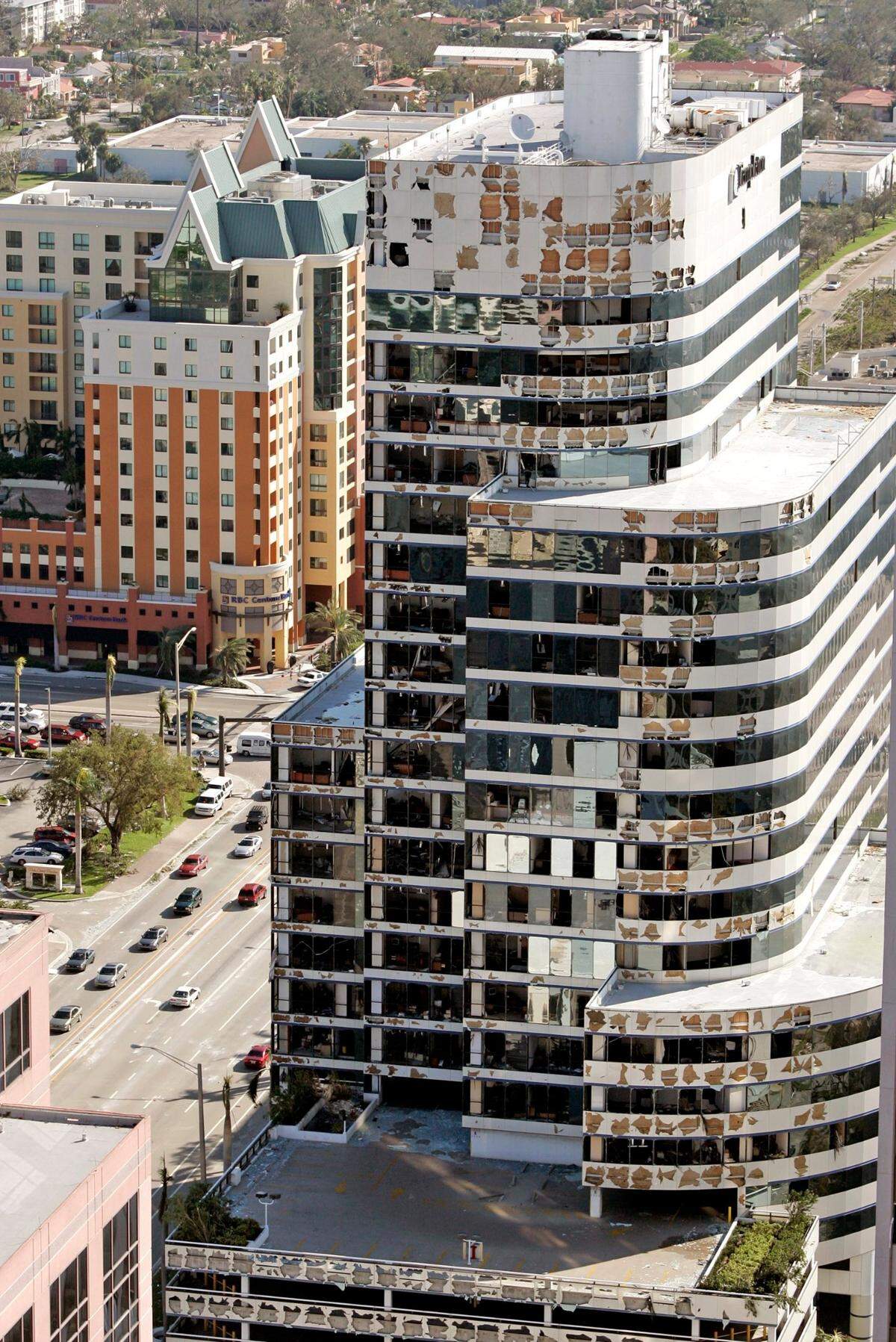
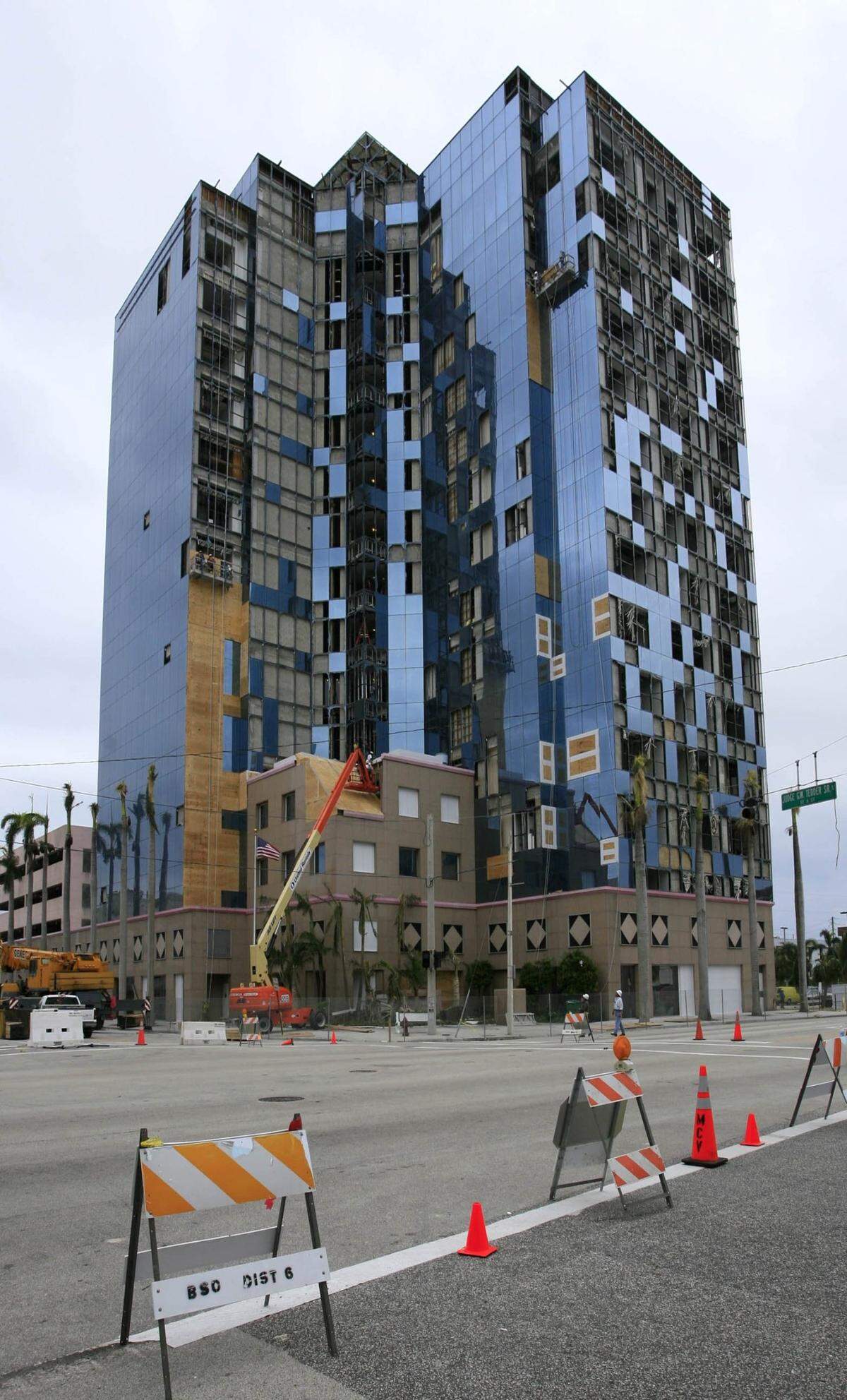
High-rise windows blew out. Roofs caved. Streets went under water.
Hurricane Wilma, which swept across South Florida on Oct. 24, 2005, caused more than $20 billion in damage. The storm led to weeks of electrical outages and long lines for gas — and a lot of cleanup and rebuilding.
MORE: Are you ready for hurricane season? Use this guide on how to prepare for a storm
Let’s take a look at what the storm and its aftermath looked like in South Florida with photos and reports from the Miami Herald archives:
Hurricane Wilma strikes South Florida
Published Oct. 25-25, 2005
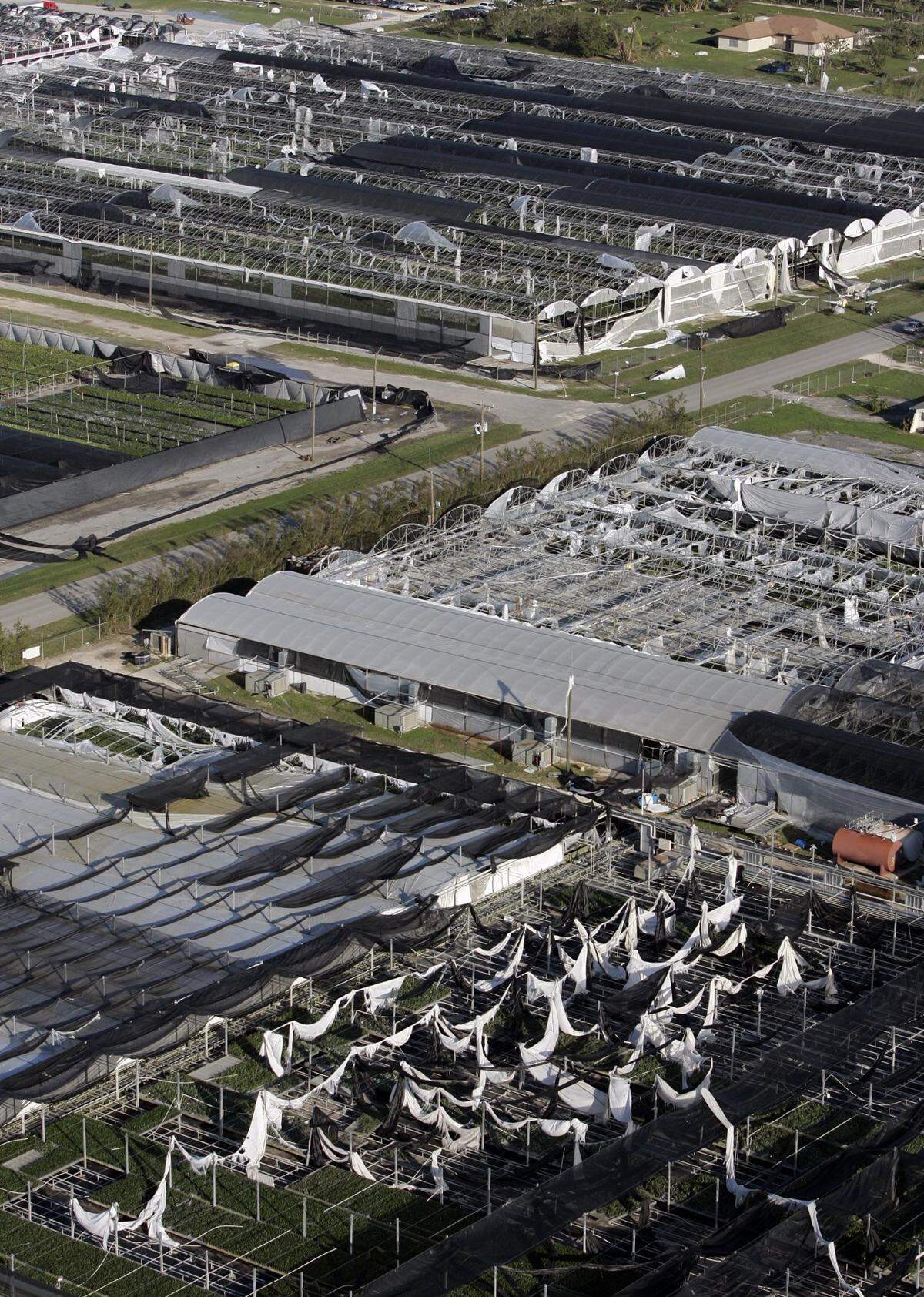
On the day after Hurricane Wilma, damage reports confirmed that the storm left South Florida a ravaged landscape. Nearly every square foot of it.
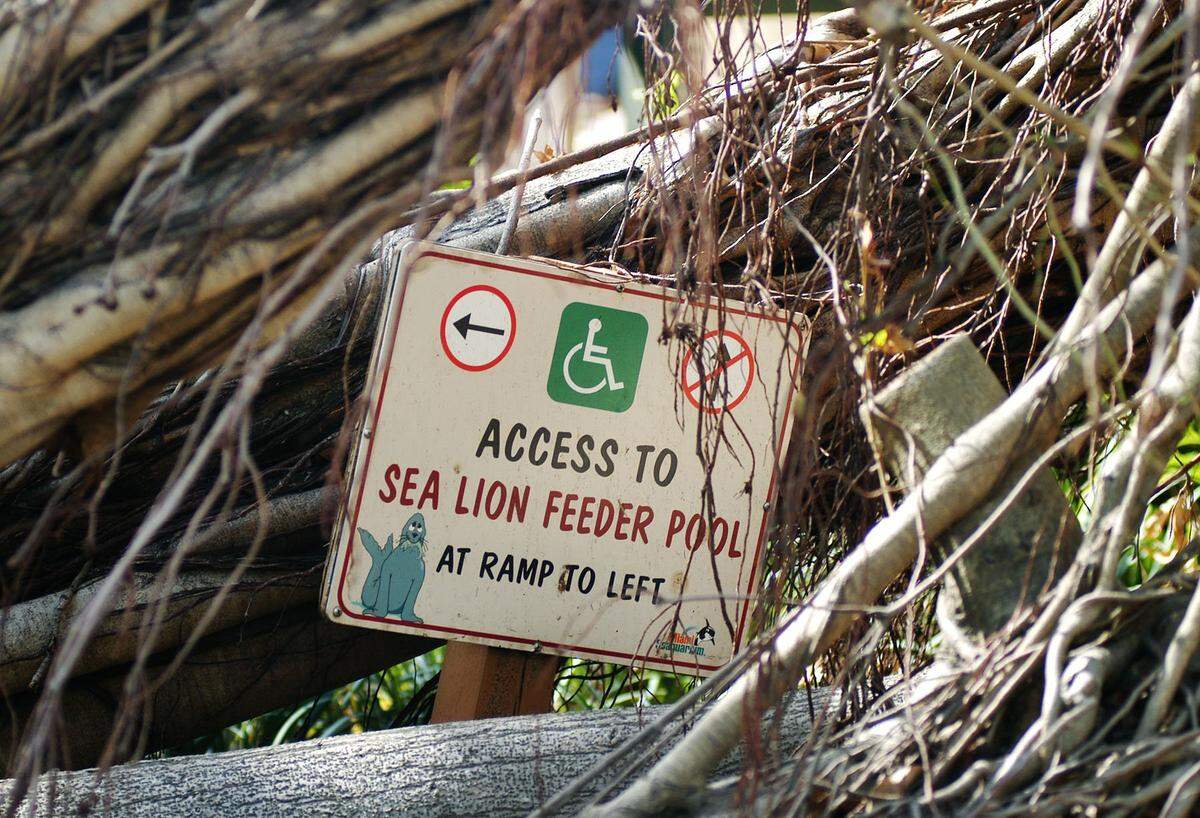
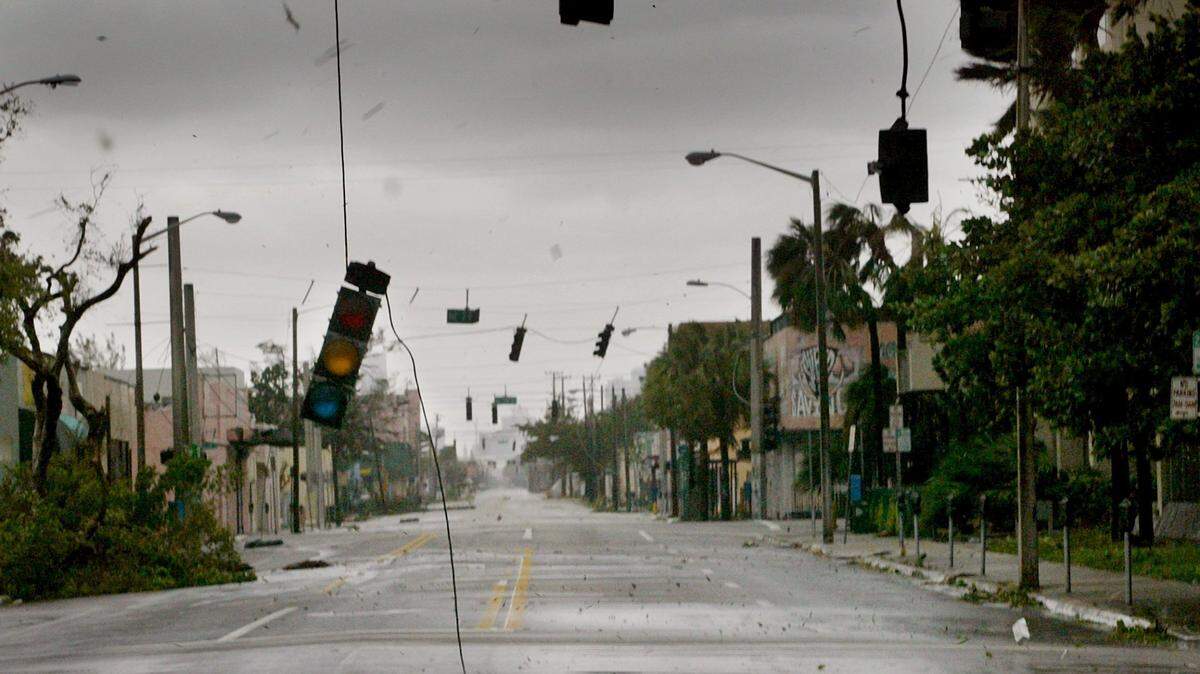
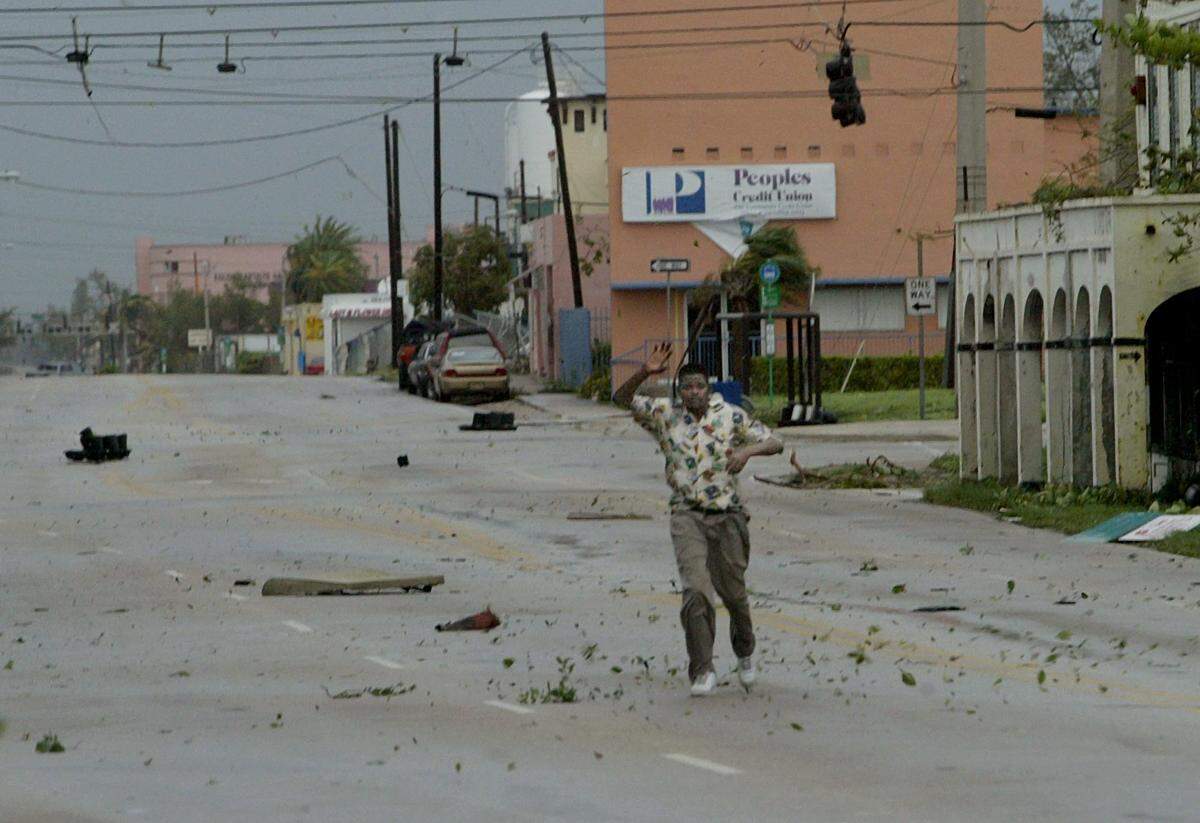
Mile after mile of the region’s precious tree canopy was badly frayed or destroyed. From Key West to Belle Glade and Jupiter, roadways were blocked by felled trees and littered with tree limbs, roof tiles and other debris. Few traffic lights were working in either Miami-Dade or Broward counties.
“Heart-rending” is how Broward Mayor Kristen Jacobs described damage across her county after a helicopter flyover Tuesday.
MORE: See how the ‘Big One’ in Miami, Hurricane Andrew, changed our lives
Wilma has also caused at least seven deaths, including that of a 1-year-old Miami-Dade boy fatally injured Monday when the car he was riding in was hit by a falling utility pole.
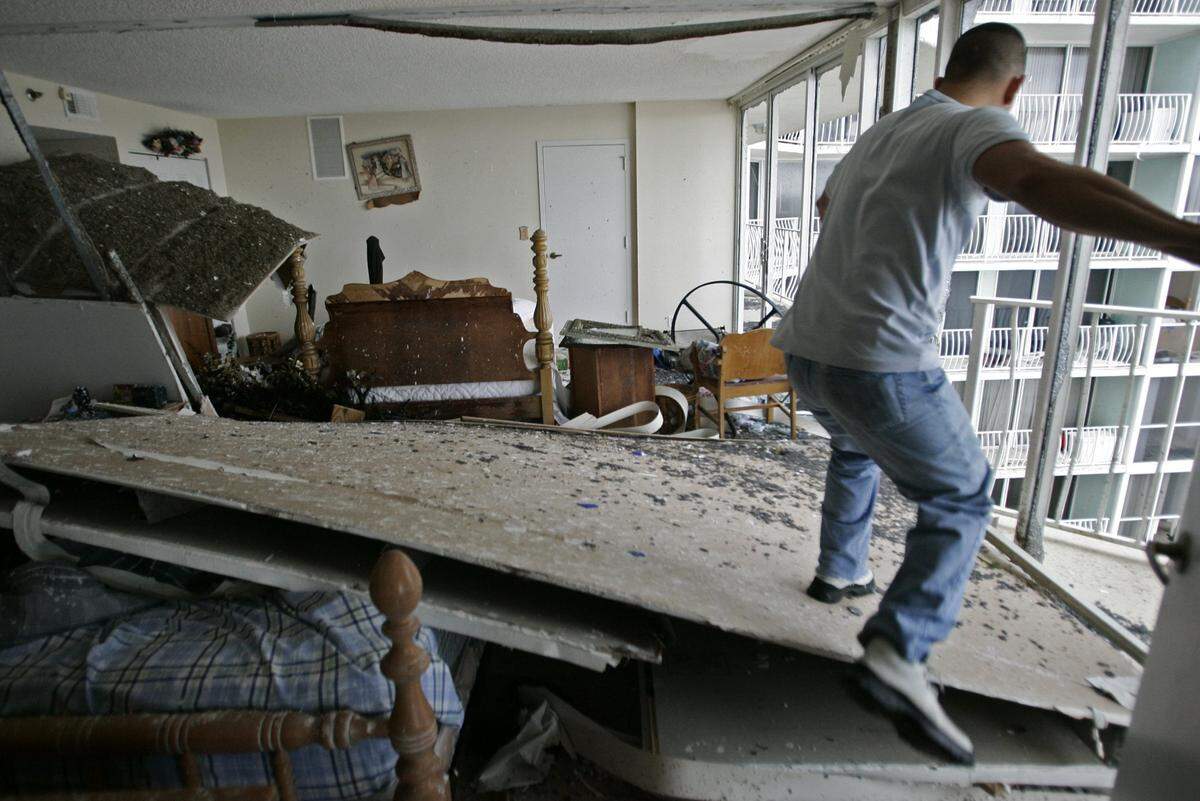
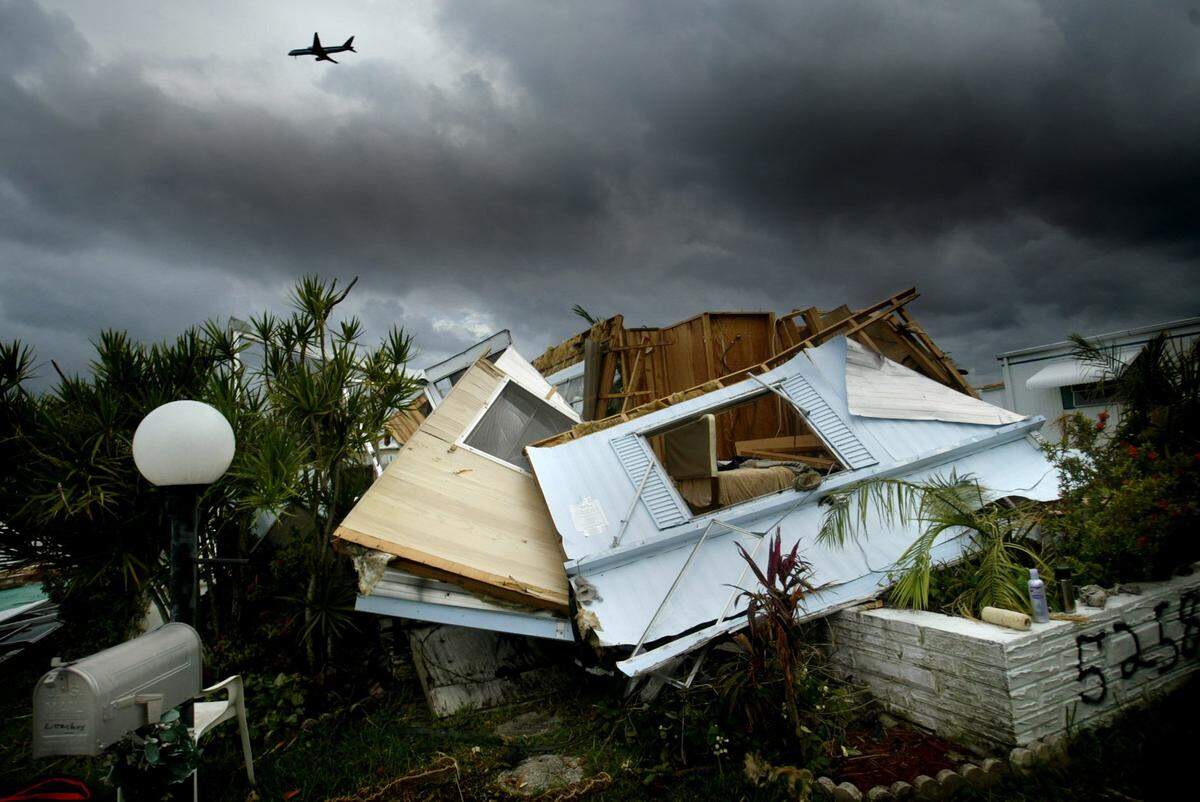
There were pockets of severe damage: Blown-out windows on glass-sheathed skyscrapers in downtown Fort Lauderdale and Miami, mobile-home parks left in heaps of twisted metal, a stretch of Metrorail track nearly 2,000 feet long collapsed near Miami’s Civic Center.
In Miami’s poorer communities, such as Allapattah and Liberty City, a helicopter inspection suggested extensive roof damage to homes, businesses and churches. Gaping holes in roofs and large sections of missing shingles with the plywood and paper exposed were evident.
But what was perhaps most striking about the storm was the breadth and scope of damage, which left virtually no one in South Florida unscathed.
For South Florida, normal is a long way away, Gov. Jeb Bush warned Tuesday.
“People are frustrated,” Bush said during a visit to Miami-Dade’s Emergency Operations Center. “Tomorrow will be better than today. There will be a full-blown recovery effort and people will start getting their lives will back together.”
Local authorities, concerned about their ability to ensure general security, imposed curfews across the region and promised to arrest violators. There have been scattered arrests for looting and curfew violations.
In an unprecedented move, Miami Beach officials closed access to nonresidents at three access points - the MacArthur, Tuttle and Venetian causeways - and waits for ID checks were long.
Preliminary damage estimates, based on a series of computer models, put the damage from Hurricane Wilma at $6 billion to $10 billion, said Sam Miller of the Florida Insurance Council. That makes Wilma the most damaging storm to hit the state this year.
The storm come ashore south of Naples on Monday morning as a Category 3 hurricane. Wilma lost little of its intensity as it rapidly cut across the Florida peninsula in a wide and destructive swath that took in virtually all of Miami-Dade, Broward, Monroe and Palm Beach counties.
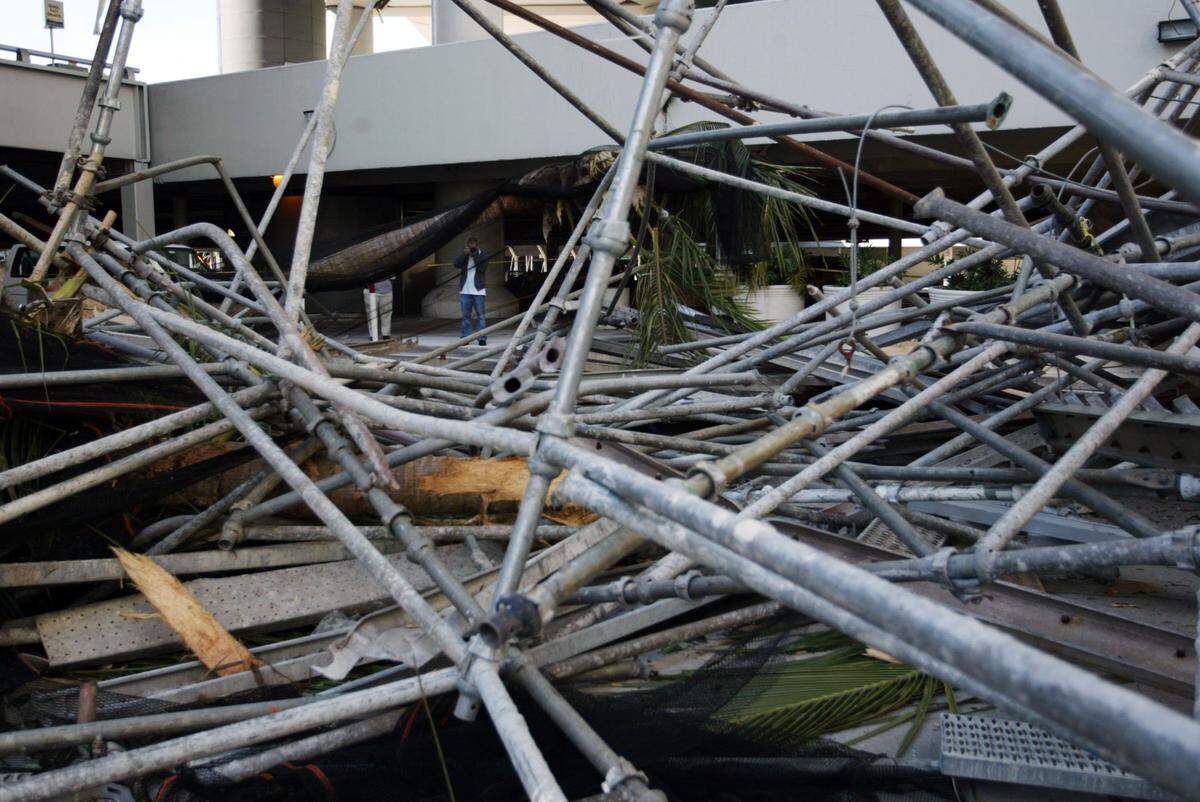
Although Miami International Airport reopened, still-shuttered Hollywood-Fort Lauderdale International Airport had no water pressure and no electricity, as well as extensive roof damage to several terminals.
Schools are expected to remain closed the rest of the week in Miami-Dade, Broward and Monroe counties, in part because of lack of power and widespread damage. John Winn, the state education commissioner, said hundreds of portable classrooms were rendered unusable and many schools had sections blown off their roofs and standing water in classrooms and hallways.
In neighborhood after neighborhood there was plenty of more-mundane damage - tiles torn off roofs, crumpled and scattered screened patio enclosures, twisted street signs and downed streetlights and dangling traffic lights, trees blocking roadways and driveways - only so much that it seemed unreal.
In Plantation, Paulo Llanus said the landscape was so changed he didn’t recognize his mobile home when he and his mother, Lucera, returned from a shelter on Monday.
“The screened patio is down, the aluminum holding the roof is gone and the garage is gone,” said Lucera Lora, recounting the devastation at her home.
In Hallandale Beach, Plantation and North Miami, there were reports of damage to apartment towers, including shattered windows, soaked carpeting and hallways littered with debris and insulation.
Sunny Isles Beach Police Lt. Rick Feisthammel reported about a dozen storm-related injuries such as cuts from broken glass and punctured feet from boards with nails sticking out.
But like others, Feisthammel found a little something to be grateful for.
“The weather is beautiful so at least we aren’t sweating to death,” he said.
Meantime, more help is on the way. The Salvation Army and American Red Cross will be setting up food kitchens in coming days, Gov. Bush said.
Broward County Sheriff Ken Jenne has also asked for the National Guard to be deployed to relieve deputies.
State officials, meanwhile, were pushing hard to have federal funds flow to individual homeowners in South Florida hit by Wilma.
“We’re not going to have [what happened] in the last hurricane,” said U.S. Rep. Ileana Ros-Lehtinen. “The governor is on top of it.”
What Hurricane Wilma looked like in South Florida
.JPG "0610170782 (1).JPG")