What’s the worst thing you can do in a hurricane? How to avoid harm in a Florida storm
READ MORE
Hurricane season survival guide
What you need to know to stay safe during the 2023 hurricane season, including having hurricane kits, evacuation plans, emergency contacts and steps to take during a storm scenario.
Expand All
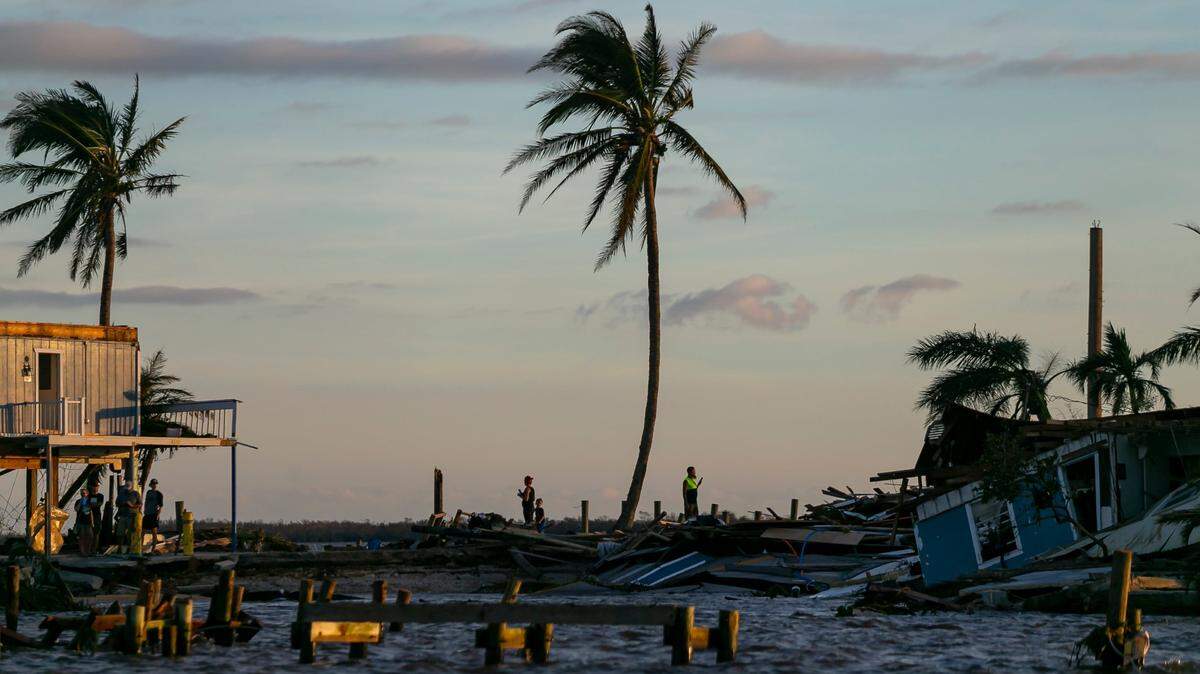
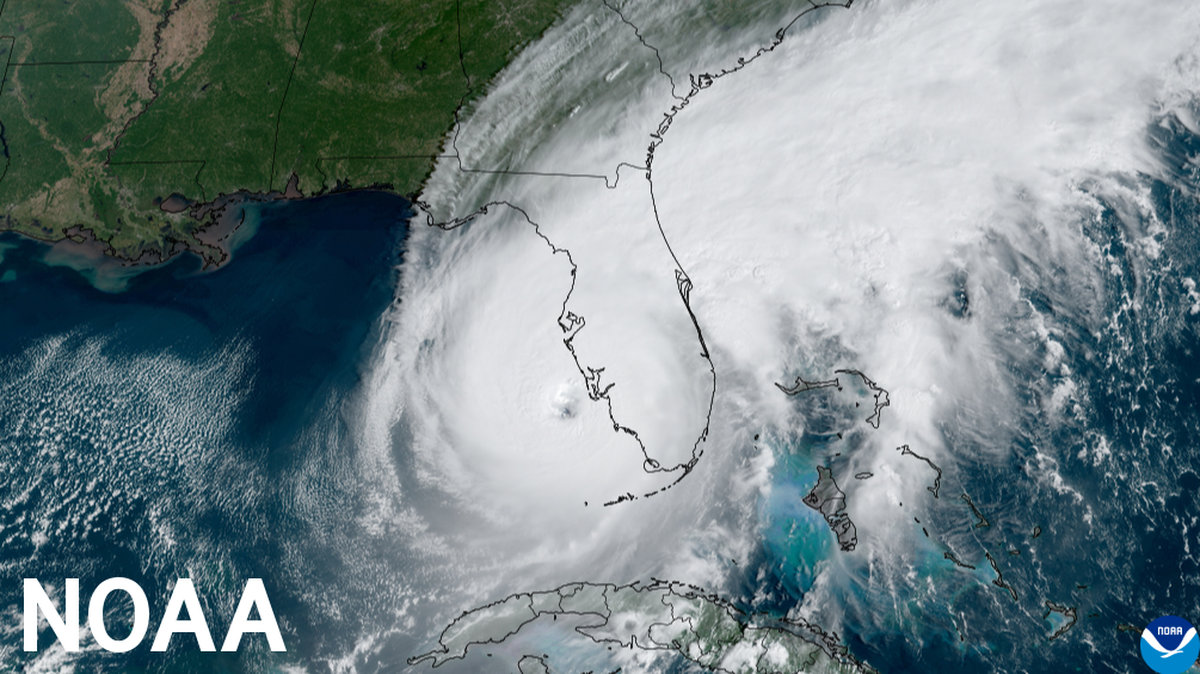
Hurricane Ian was deadly. The September 2022 storm killed 66 people in Florida, many from storm surge, according to the federal weather agency.
Ian also caused $109.5 billion in damage, “the costliest hurricane to ever affect that state,” the National Oceanic and Atmospheric Administration said.
Southwest Florida is still struggling to clean up and rebuild eight months later. And on the first day of the 2023 hurricane season, June 1, memories of what a storm can do are fresh in the minds of storm-weary Floridians.
Not all storms turn into a Hurricane Ian. But all storms can harm us and our property, made worse by mistakes so many of us still make — even some that can get us killed.
KNOW MORE: NOAA’s forecast for Hurricane Season 2023
One of the worst feelings after a hurricane passes through your neighborhood is the feeling of regret.
If only I had properly secured my windows.
If only I had organized my important papers and documents where I could find them fast.
If only I didn’t run that generator in my house I might not be in a coma now.
Here’s what NOT to do to help you better weather the storm.
1. Not evacuating if told to do so
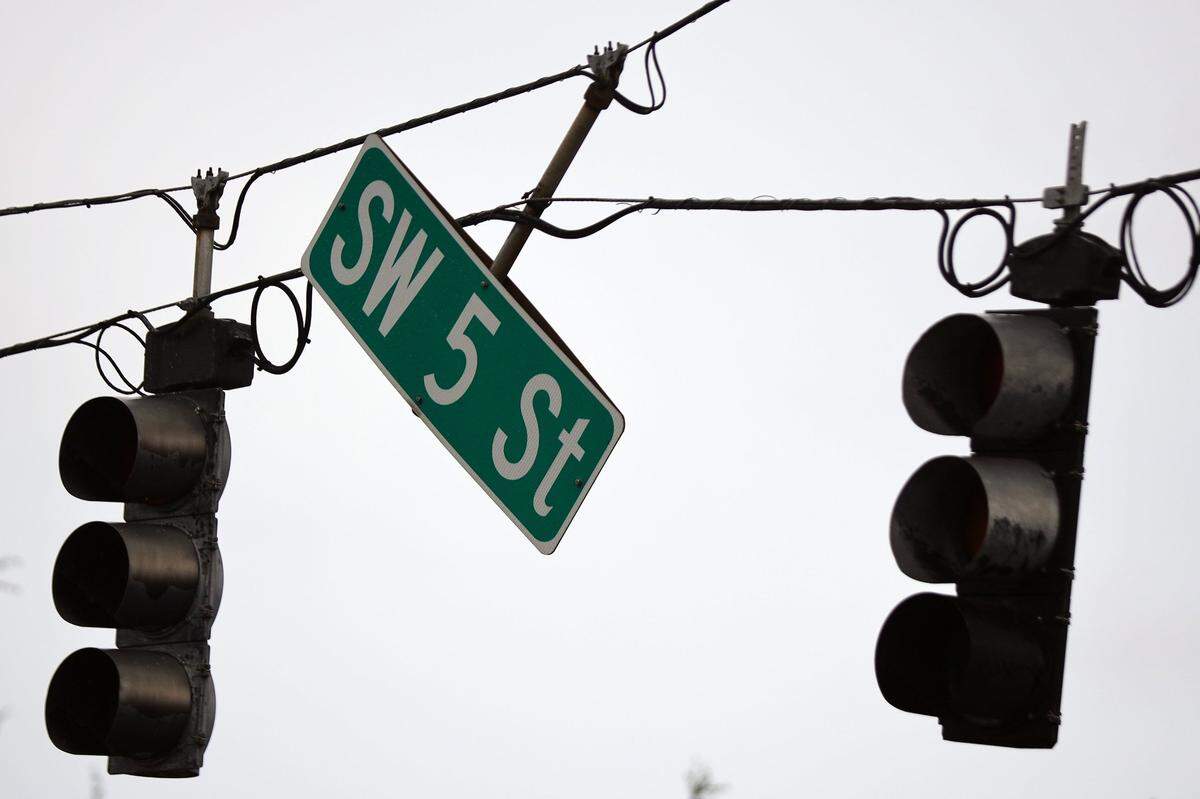
If there is a mandatory evacuation order where you live, especially due to projected storm surge, make plans so you know where to go — and get out when you can. Don’t wait for traffic to jam roads.
“Waiting until the last minute can leave you stuck in traffic and vulnerable to the hurricane, including high winds and storm surge,” security, crisis and risk management expert Jack Plaxe told AccuWeather.
“If you decide to go, leave early to avoid traffic,” Plaxe said. “If you decide to stay and shelter in place, retreat to your shelter that should be fully stocked with food, water, a radio and all the supplies you may need to survive for at least a few days or longer.”
2. Not making a pet plan
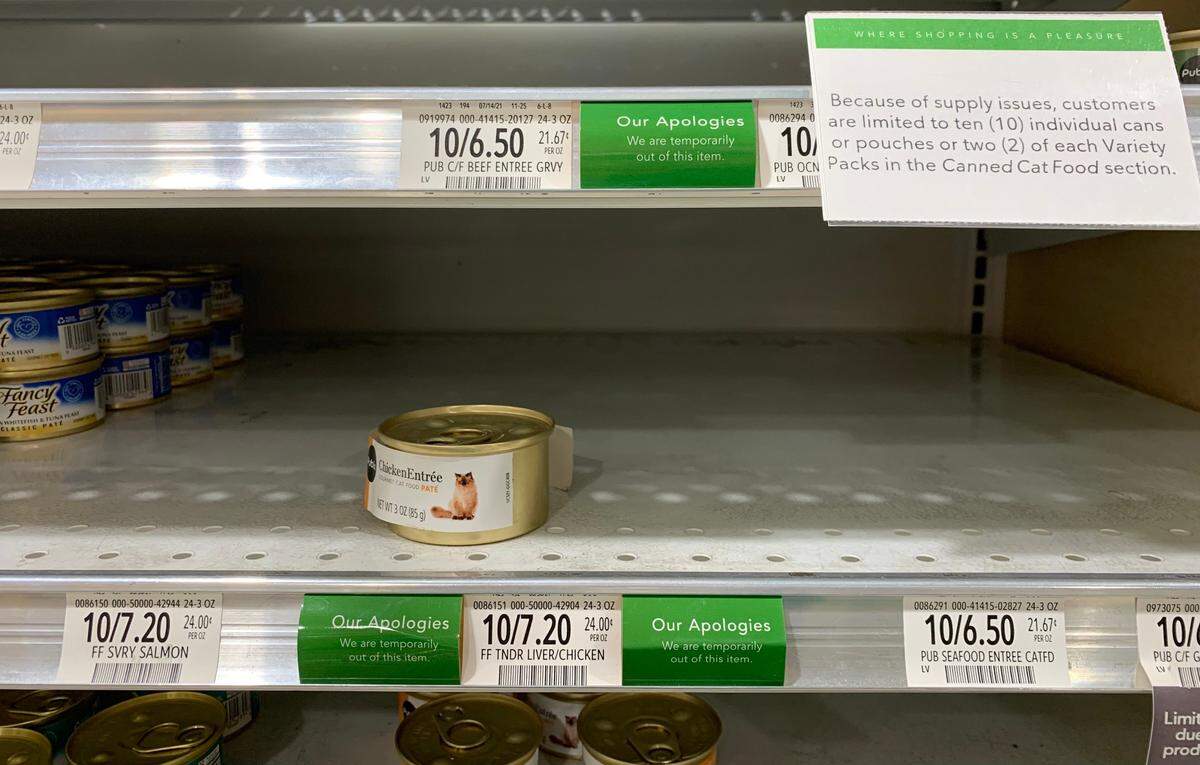
If you have pets and are considering a shelter, make sure you find one that allows pets, or have a pet plan, suggests the U.S. Centers for Disease Control and Prevention. Many shelters won’t take pets.
Note: Public safety officials will not risk their lives to respond to emergency calls in mandatory evacuation zones during the storm so you can be on your own for 72 hours after a storm, warns the Weather Channel.
3. X-ing the windows with tape
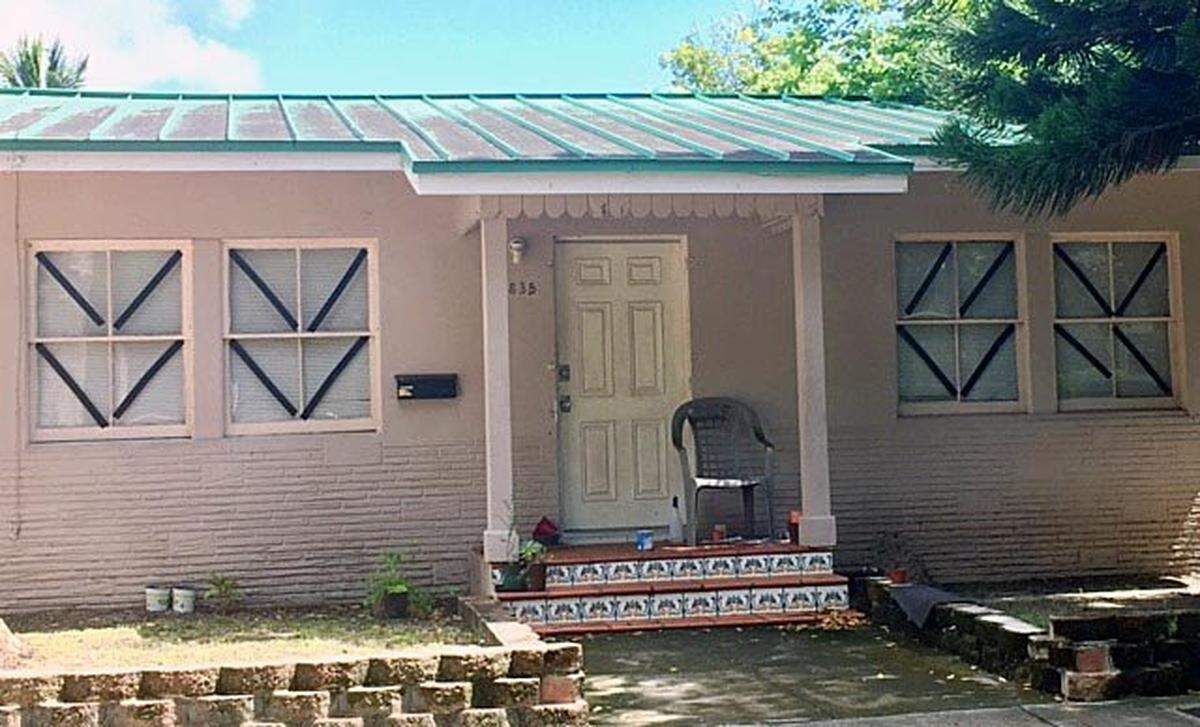
Every year, for decades, hurricane experts have been advising against taping windows to “strengthen them” ahead of a storm.
When you slap tape over your windows, you aren’t making them stronger. Unless they are hurricane-rated windows, when flying debris stirred up by winds that can be in the triple digits smashes against a regular window, it’s going to break. Tape may keep the glass from spraying inward in a shower of little pieces. But would you rather be blasted by tiny pieces — which can hurt — or beheaded or stabbed in the heart by a large shard with tape dangling off of it?
Plus, after the storm, that tape is going to have to come off if everything is intact. Trust us, because we ignored this advice back in 1979 when Hurricane David threatened, but danced away from Miami. Getting sun-baked adhesive off a window is way harder than putting it on.
Instead, secure the windows with shutters, if you have them. Or put up plywood. Consider hurricane-rated windows (pricey, but if you’ve the means, a relief). Also, give windows a fighting chance by removing loose objects from your yard and trimming trees (the latter, ideally before hurricane season and not the day of a tropical storm warning) and check the seals on your windows ahead of time to reduce water seepage into your home, suggests Paul Ryan Windows.
4. Cracking open a window to relieve pressure
Some people think it’s a good idea to crack open a window to relieve the pressure inside the house to keep it from expanding like a balloon and blowing up like Dr. Kananga, the bad guy in the old James Bond flick “Live and Let Die.” Homes don’t blow up from internal pressure during a hurricane. Rather, once wind gains entrance it can streak upward and push your roof off the foundation, making it appear as if the house blew up from internal pressure, according to Inverse.
Don’t let the wind gain entrance to your home. Protect all sides of your house.
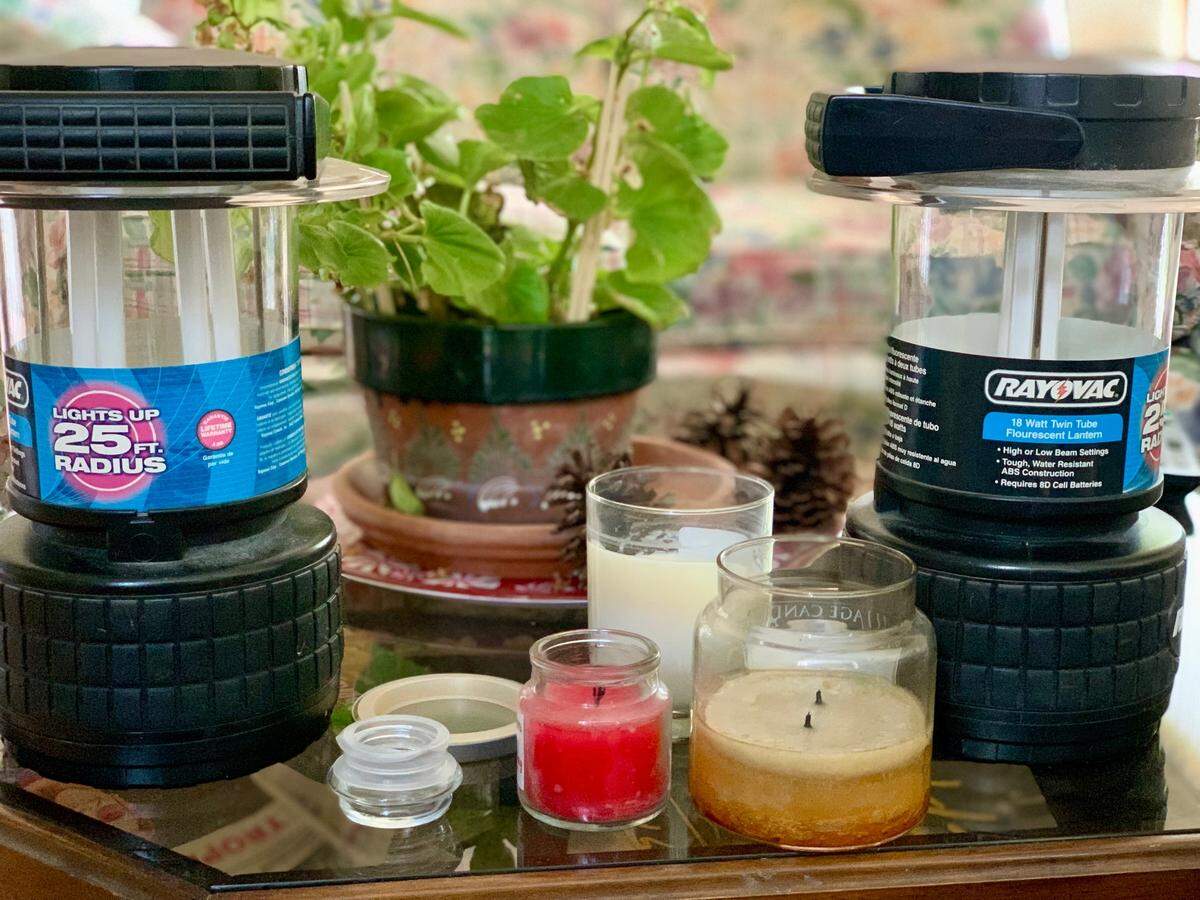
5. Using candles
6. Procrastinating
7. Going outside too soon
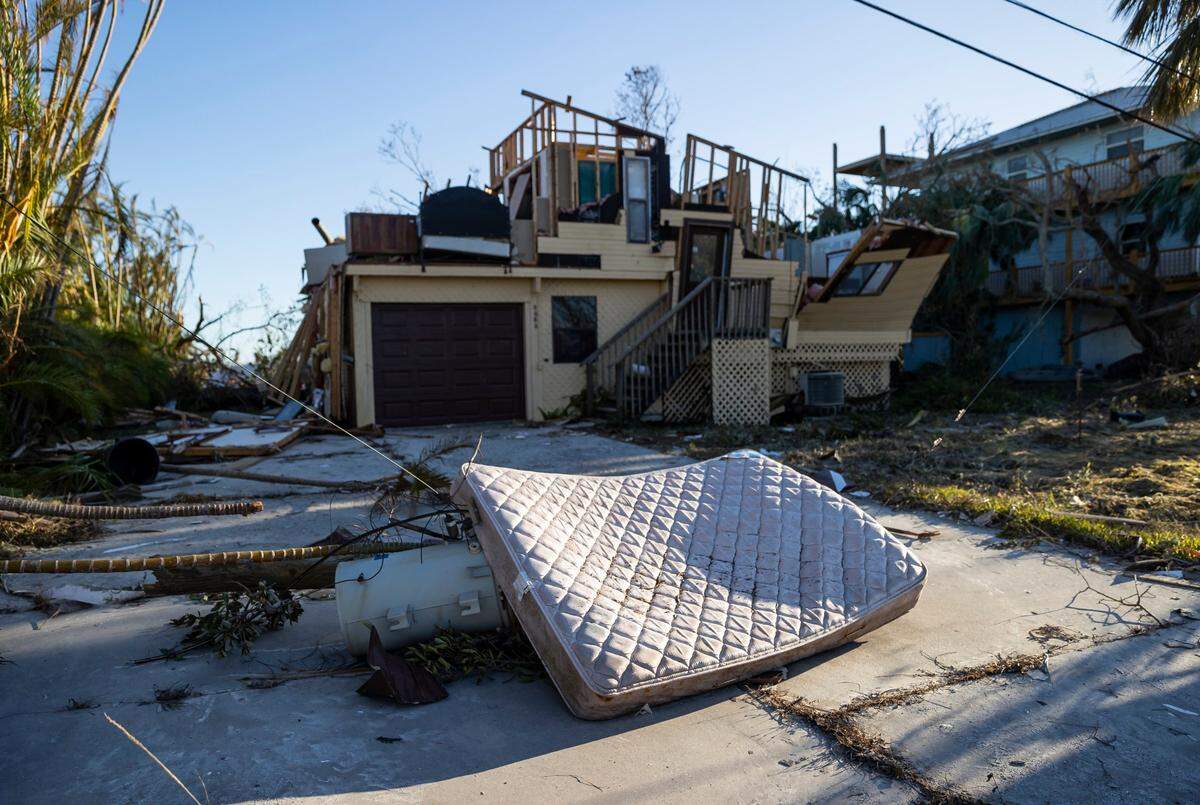
Cabin fever in a shuttered home is a bore. Getting hurt is worse. Once a storm has passed, downed trees and power lines can be dangerous if you stumble into them. So be careful.
Avoid the temptation to venture outdoors during the calm in the eye of the storm, NOAA warns. We know you want to take selfies and socialize and see what just happened — but wait until meteorologists inform that the storm is really over in your area. That lull is deceptive, and even stronger winds can quickly resume. The eyewall is the strongest part of the storm.
“Take shelter immediately as winds will increase rapidly and unpredictably after the eye passes,” the hurricane center warned storm-tossed people in the Abacos who went outside to take photos and videos in the eye of the storm during Dorian in 2019.
Drive only if you have to because roads without stoplights and covered with debris or wate, can be deadly.
8. Running a generator inside
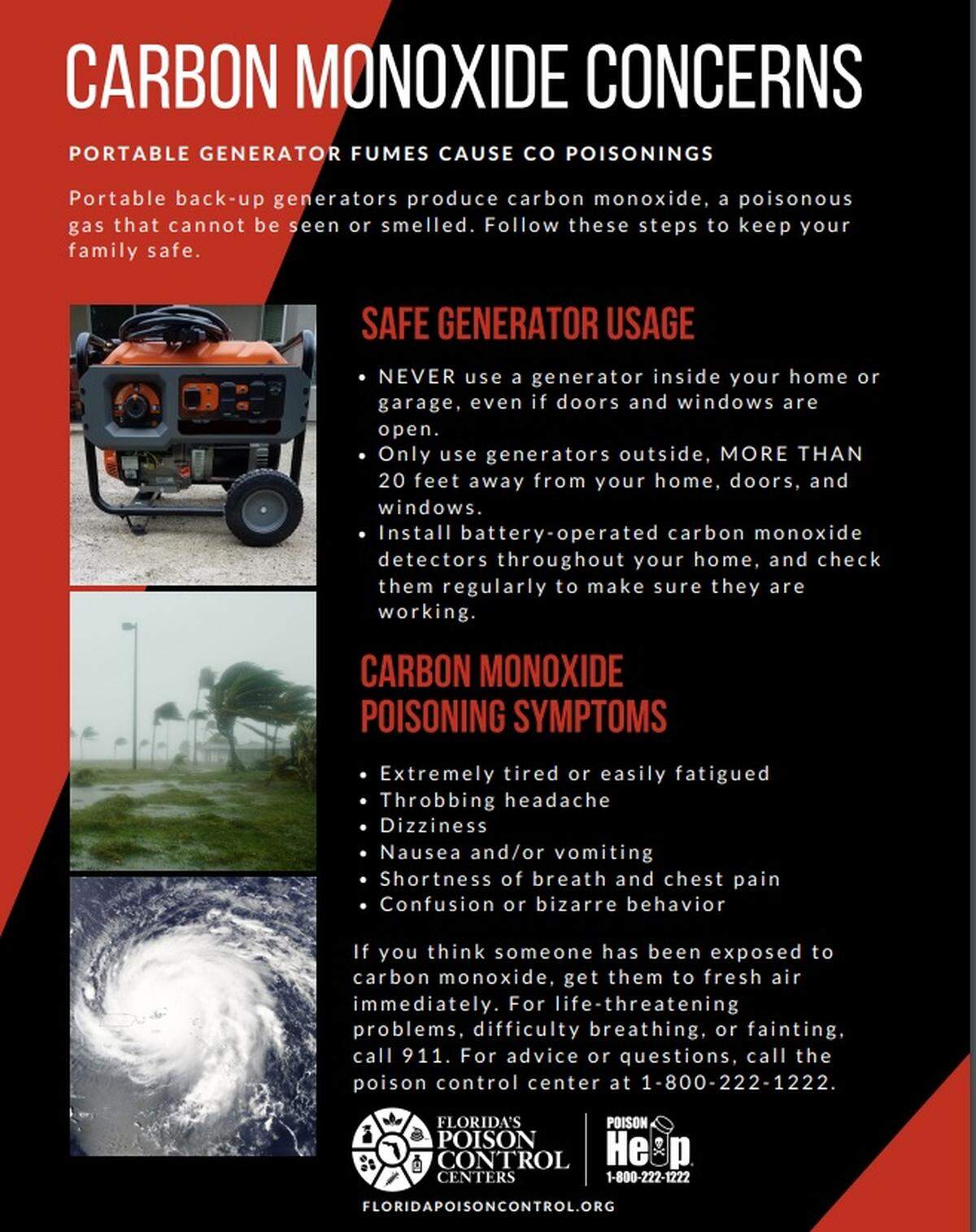
Don’t run a generator from inside your house or garage — even if you have the doors and windows open, Miami-Dade County officials counsel. Fire hazard. And you expose yourself to dying from carbon monoxide poisoning.
The same warning applies to running it from your balcony when you live in a multi-unit building like an apartment or town house. Balconies are too close to your own living areas and to your neighbors’ homes.
The latest directives from the Florida Poison Information Center-Miami, Centers for Disease Control and Prevention and U.S. Environmental Protection Agency all recommend that generators not only be operated outside but that they not be operated within 20 feet of any occupied dwelling. In dense Miami, this can be a problem.
Also, never run a generator on grass or on a metal surface. Make sure the surface is dry before starting your generator, and keep your hands dry, too.
9. Posing for storm selfies
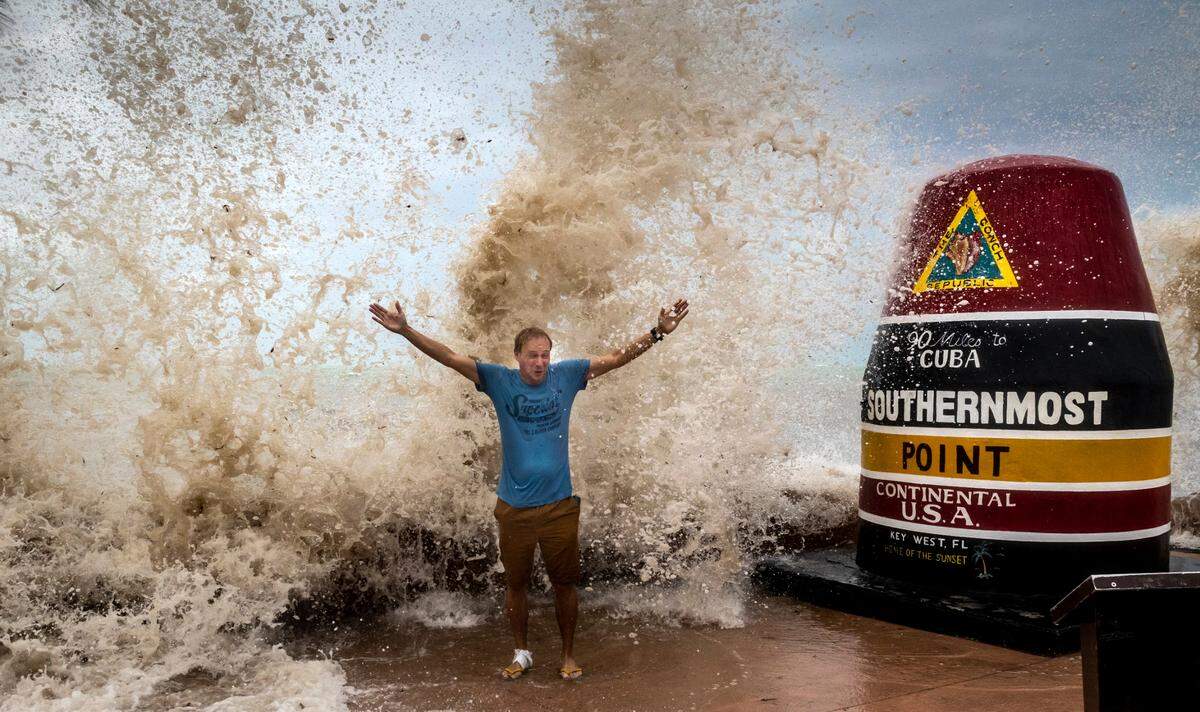
Yes, we know our new megapixel Pro Max smart phone cameras take professional grade pictures these days — and are even water resistant to a point.
That’s still no excuse to test out how cool you look standing next to the Southernmost Point monument in Key West while waves tower over your head on the dock and threaten to wash you off your feet. Yes, it has happened.
Don’t gamble your life for a killer Instagram shot in storm-force winds.
This story was originally published June 1, 2023 at 5:01 AM.