
‘We learned a lot from Maria’: Florida Puerto Ricans watch as storm approaches the island
Nearly two years after Hurricane Maria devastated Puerto Rico, forcing thousands to flee to Florida and other states, Brenda Rivera Reyes still finds it painful to remember the storm.
She was living in Miami at the time and recalls not hearing from her brother in the mountain town of Añasco for nearly a month. Her nephew, who is now 4 years old, would wake up every day for weeks to check if water would finally run from the kitchen sink tap. A bridge that collapsed between her beloved town of Morovis and the neighboring town of Ciales has yet to be restored.
As Hurricane Dorian inched closer Wednesday toward Puerto Rico’s east coast, the first major storm to threaten the island since Maria, many of Florida’s Puerto Ricans waited anxiously as their family members on the island made preparations to survive on their own.
“Now people have an idea of what nature is capable of and that the government is not this god that’s coming to our aid, and that we cannot count on them,” said Rivera Reyes, who now lives part time between South Florida and Puerto Rico.
Dorian was declared a Category 1 hurricane on Wednesday afternoon, as it shifted course to the northeast coast of the island.
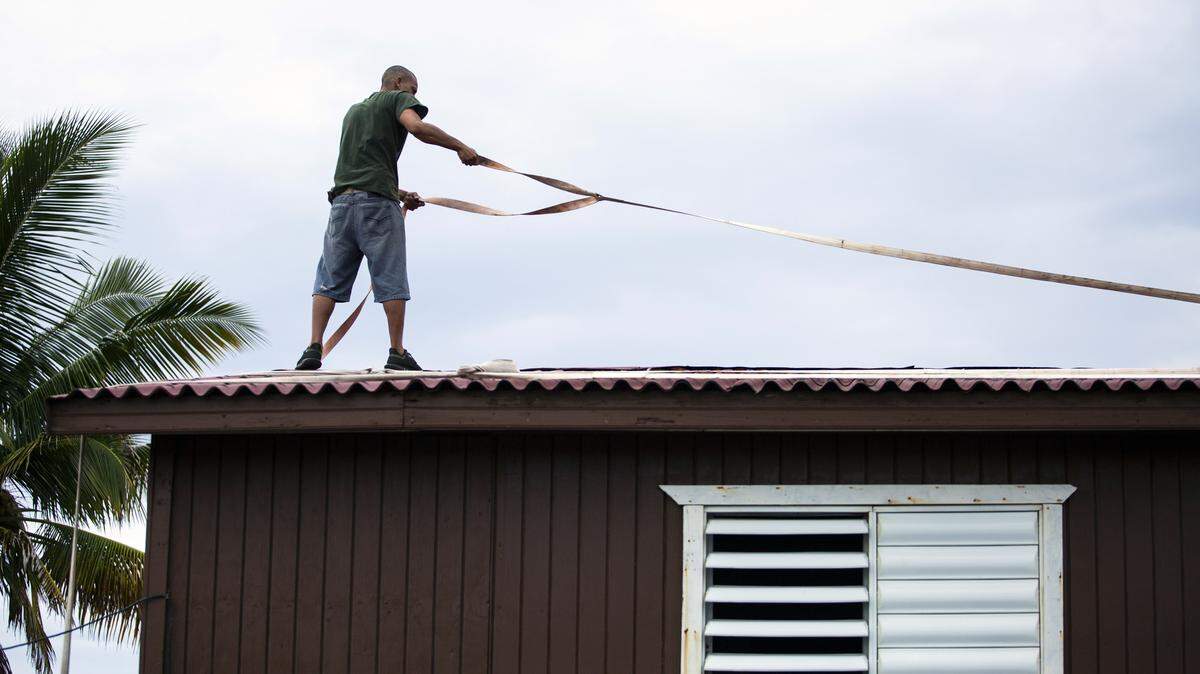
According to government figures, about 30,000 Puerto Rican households on the island are still living with damaged roofs under blue tarps. The island’s fragile electric grid is still a concern for residents throughout the island, who still regularly lose power despite the weather conditions.
On Wednesday, Puerto Rico Gov. Wanda Vázquez tried to assure residents that the storm “is not Maria,” and people should prepare and stay calm.
But Rivera Reyes, a pediatric pulmonologist, thinks the thousands of deaths after Hurricane Maria could have been avoided.
“There was a hospital ship in Puerto Rico, which was circling all of Puerto Rico, and no one was able to use it,” Rivera Reyes said. “That’s like dangling a bottle of water in front of a dehydrated person. ... Emotionally, they are not prepared.”
Natascha Otero-Santiago, who has lived in Miami over 20 years, said she spoke to her 91-year-old mother in San Juan and offered to host her in Miami through the hurricane but she refused.
“I feel calm because my mom is very resourceful. I have my whole family and my friends who are really keeping an eye on her. ... We learned a lot from Maria,” Otero-Santiago said. “Those of us in the diaspora came together for a horrible situation like Maria... But we have storms and problems that the government of Puerto Rico should have a PhD in.”
After Hurricane Maria, many Puerto Ricans left the island to stay with family temporarily, including Otero-Santiago’s mother. And though many are believed to have returned, an estimated 50,000 chose to relocate permanently to Florida.
Nicole Rodríguez, 41, who helped with donation drives in Miami after Maria, said she knows her family is nervous about Dorian, but they are applying lessons from the 2017 hurricane season. She said her great-uncle has been preparing for a month for potential storms, buying a generator and making sure he can keep it safe from potential thieves.
“They’re bracing, they’re getting prepared for the hurricane, they’re not taking anything for granted, they’re not waiting for the last minute,” said Rodríguez. “How would you feel if you were without electricity for almost a year? That’s something you don’t get over.”
After Maria, most of the island lost cellphone signals and internet connections, making it difficult for family members in the diaspora anxious to know what was happening on the ground, horrified by images being spread on social media and television news. Now Puerto Ricans are sharing instructions on how to tweet via text message to make sure they can warn others if they need help.
Rivera Reyes distinctly remembers that after Maria, she asked people on Twitter to share her cellphone number widely. She began to receive calls from strangers whom she would diagnose over the phone and give families advice on how to treat illnesses with home remedies, to save them a trip to the congested hospital emergency rooms.
“Now everyone has my number saved on their phone,” Rivera Reyes said. “We just have to stay calm, we have to wait and see what happens.”
This story was originally published August 28, 2019 at 5:35 PM.