Iguanas fell from trees during South Florida’s cold snap — and it triggered an unusual cleanup
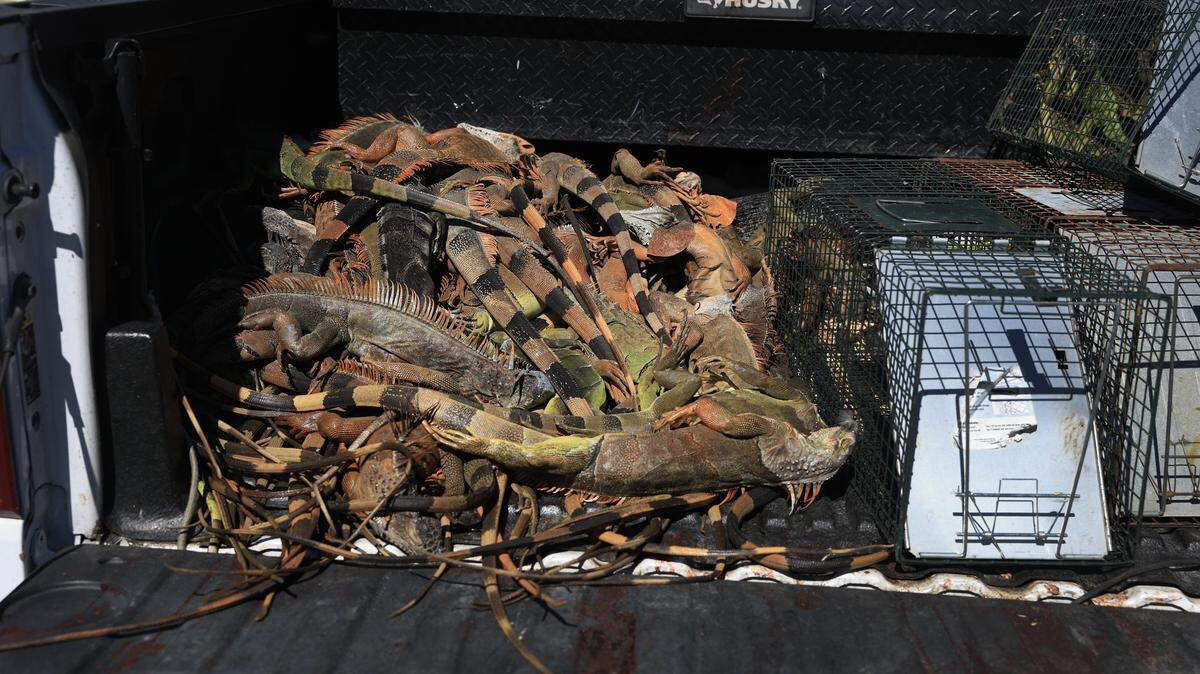
The most intense cold front recorded in Florida since 2010 triggered widespread sightings — and a wave of collections — of invasive green iguanas across South Florida on Sunday and Monday.
Low temperatures and strong winds affected thousands of the reptiles, leaving them cold-stunned and causing many to fall from — or abandon — the trees where they usually shelter.
In Palm Beach County, five or six iguanas that lived in a backyard tree at María Eugenia Pardo’s home disappeared when the cold front hit the area.
Thanks to this unexpected help from nature, Pardo told el Nuevo Herald she didn’t have to pick up paralyzed iguanas in her yard — as happened in many other parts of South Florida.
Florida removes more than 5,000 invasive green iguanas after extreme cold
The Florida Fish and Wildlife Conservation Commission (FWC) reported that, with the help of citizens, partners and agency staff, 5,195 invasive green iguanas were removed during the extreme cold event.
Executive Order No. 26-03 temporarily allowed people to remove live, cold-stunned green iguanas from their natural habitat without needing a permit.
The measure was in effect Feb. 1 and 2, during a period of prolonged low temperatures in South Florida, and authorized residents to deliver the animals to FWC offices.
Of the 5,195 iguanas collected, 3,882 were delivered to the FWC headquarters in Sunrise; 1,075 in Tequesta; 215 at the Marathon intake center; and 23 at the Fort Myers office, according to official data.
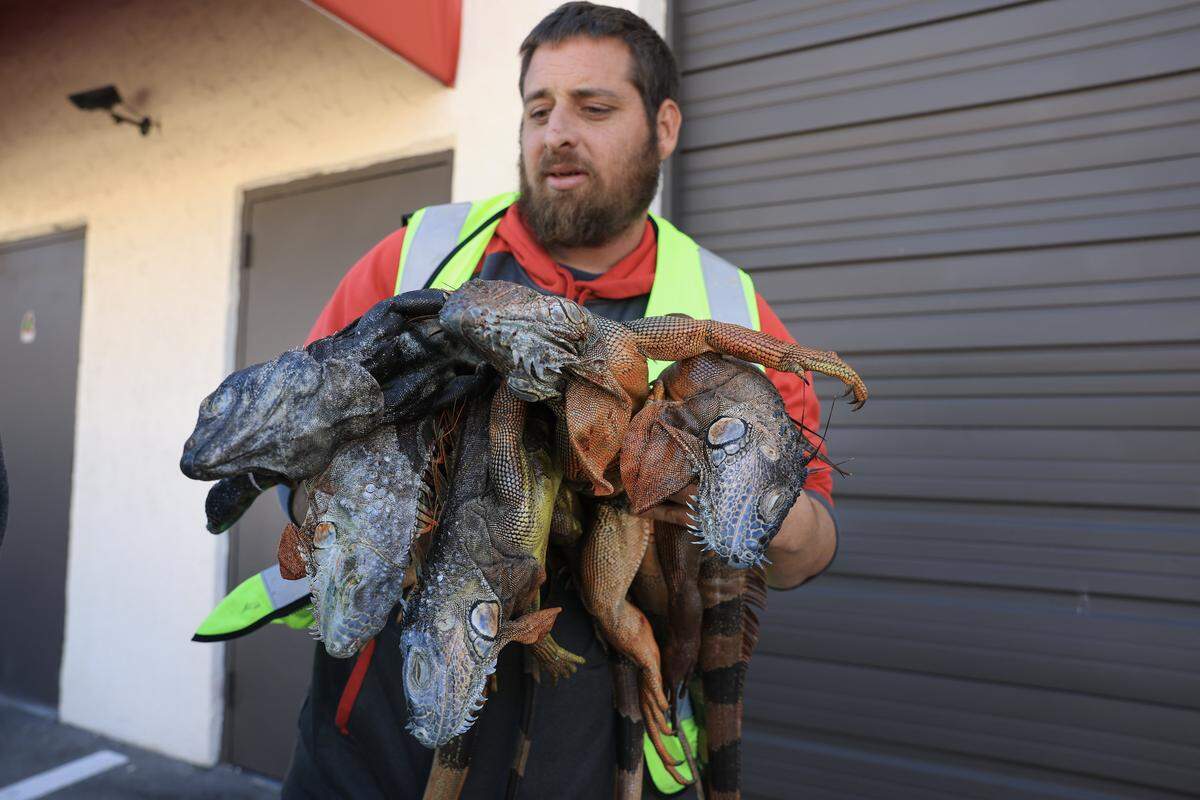
The FWC announced last Friday that on Sunday and Monday, people could capture iguanas and bring them to those offices to be humanely euthanized or transferred to authorized pet breeders.
“The special regulations under EO 26-03 provided a unique opportunity for members of the public to remove cold-stunned green iguanas from their property during the recent unusual cold weather and bring them to the FWC, no permit required,” said FWC Executive Director Roger Young on Wednesday.
Young explained that, as an invasive species, green iguanas have negative impacts on Florida’s environment and economy.
‘Iguana rain’ in South Florida: what happens when cold-induced lethargy sets in
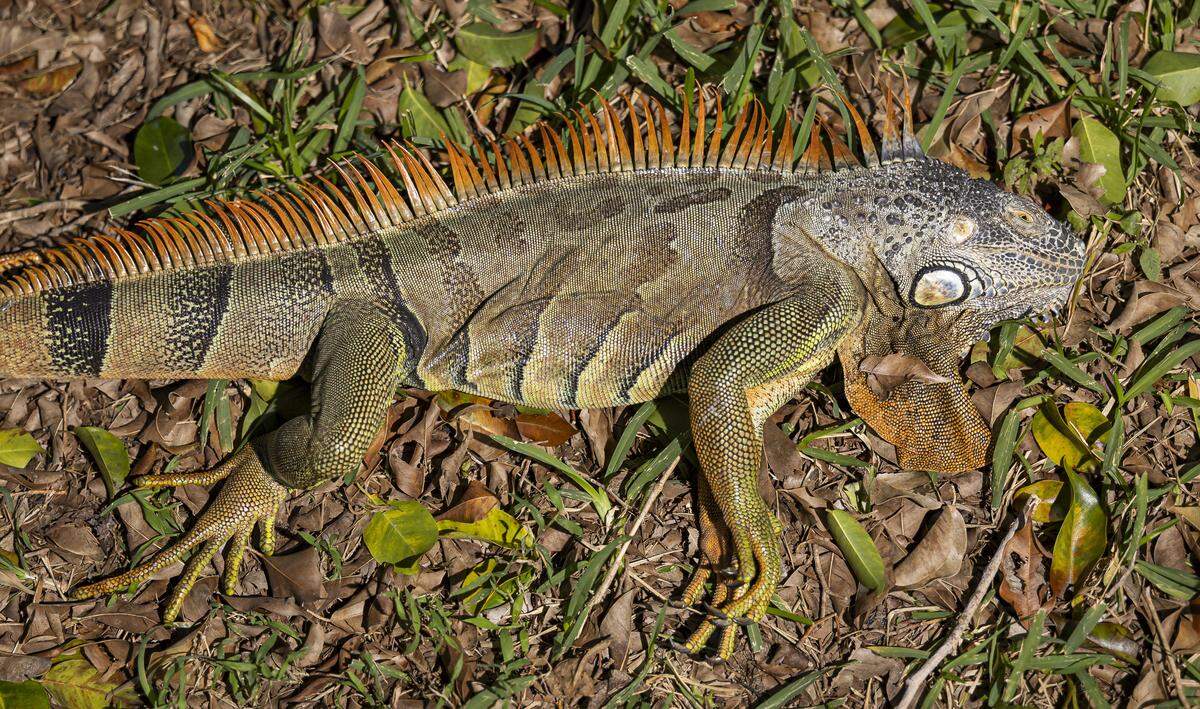
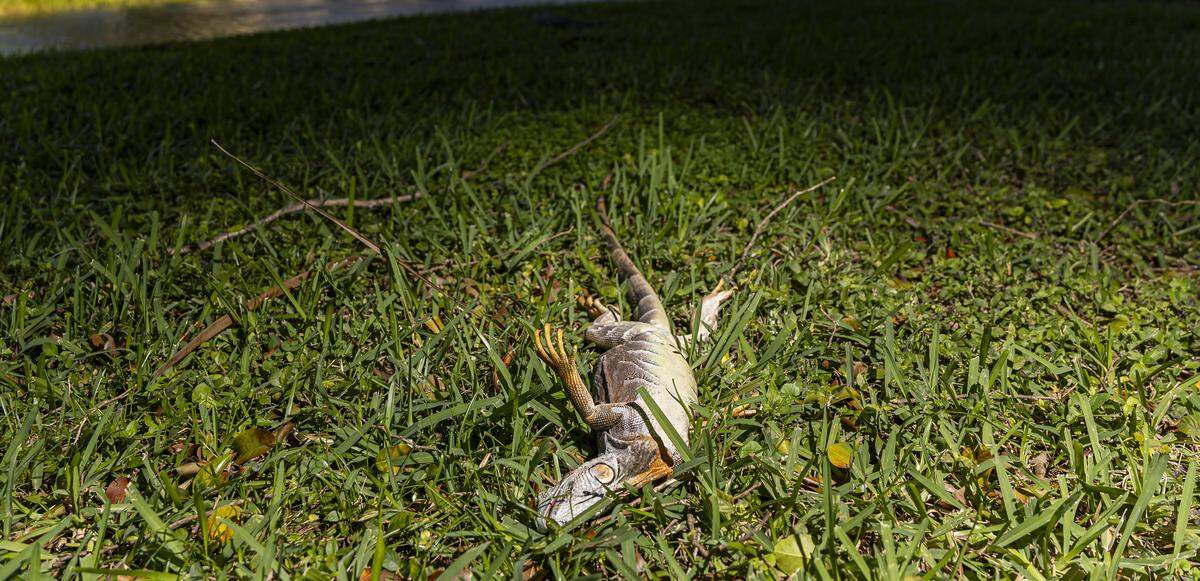
When temperatures drop and remain near or below freezing, reptiles and amphibians — including non-native green iguanas — can enter a lethargic state in which they temporarily lose muscle control and appear “frozen,” sometimes even falling from trees.
Florida experienced an “iguana rain” during the recent cold snap, with people collecting the reptiles in their yards, on neighborhood lawns or along lake shores.
While many of these reptiles were turned in to the FWC, some people said on social media that they brought them into their homes to “warm them up” with hair dryers or covered them with blankets to help them recover their body temperature — something the agency does not recommend.
“If you encounter a cold-stunned green iguana, you should never bring it into your home or building to warm up and never put it into your vehicle unless specifically transporting to the FWC under the regulations of EO 26-03. Iguanas can recover from cold-stunning more quickly than you might expect and, once recovered, can act defensively, with long tails that whip and sharp teeth and claws,” the agency said.
Does cold weather kill pythons and iguanas? The real impact on invasive reptiles
Frank Mazzotti, a wildlife ecology professor at the University of Florida/IFAS, said that one or two days of intense cold do not have much impact on pythons and iguanas, unlike what happened in 2010.
He told el Nuevo Herald that deaths can occur depending on how low temperatures drop and how long the cold lasts.
In 2010, he explained, Florida saw multiple cloudy days paired with a severe freeze, with temperatures staying below the freezing point.
“The combination of those factors is what caused the die-off in 2010, and I haven’t seen that same combination now,” he said in an interview.
Some iguanas recover — but the cold can still be deadly
Mazzotti noted that iguanas in a lethargic state that were not collected were able to raise their body temperature again during sunny days.
But in colder areas, they are far more vulnerable. For example, along Florida’s east coast — where temperatures dropped below 24°F — fatalities may have occurred.
Reneé Stoll, director of Communications & Marketing at the Conservancy of Southwest Florida, said they do not have a count of how many Burmese pythons may have frozen.
“I can tell you at this point that we have not found any of our 40 scout snakes have died from the cold, but we’re still in the process of locating them all”, she told el Nuevo Herald.
Iguana removal companies in South Florida reported collecting paralyzed and dead iguanas on Sunday, in what appears to be a record number due to the cold wave.
Blake Wilkins, owner of Redline Iguana Removal in Hollywood, said that approximately 50% of the iguanas removed were dead.
Miami Herald reporter Sofia Saric contributed to this report.