Rip currents are a threat along Florida’s beaches. Here’s how to protect yourself
Thousands of swimmers were warned of dangerous waters in South Florida over Easter weekend after a 13-year-old boy died in an accidental ocean drowning while swimming near a lifeguard tower in Fort Lauderdale.
Frank Guzman, a Fort Lauderdale Fire Rescue spokesman, said lifeguards rescued 33 swimmers between Friday and Sunday, and conducted 4,350 “preventative actions” — defined as making contact with swimmers prior to them being in distress.
READ MORE: Teen boy identified days after drowning in choppy waters off Fort Lauderdale beach
Rip current forecast
A high rip current risk alert was issued for coastal Miami-Dade, Broward and Palm Beach counties through Tuesday evening by the National Weather Service in Miami.
“Rip currents can sweep even the best swimmers away from shore into deeper water,” the service said in the alert.
“When in doubt, don’t venture out,” the service said on a Facebook post Tuesday morning.
What is a rip current
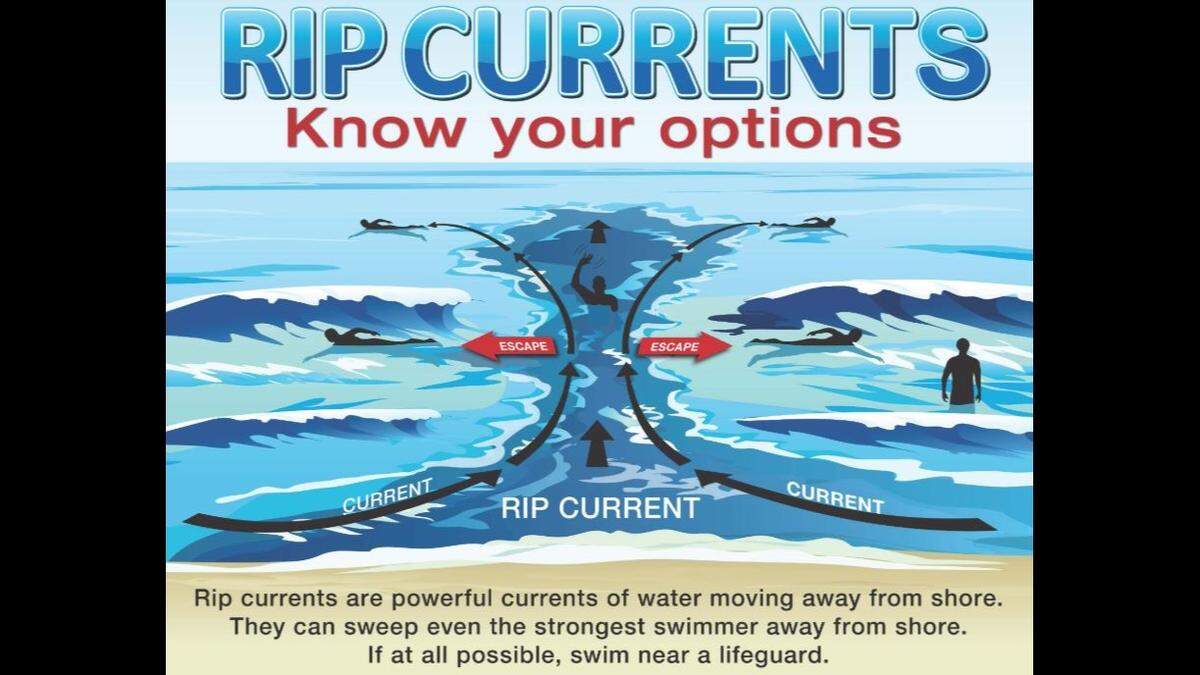
Rip currents form when waves crash at the shore, creating water currents that flow away from a beach’s edge, according to the National Oceanic and Atmospheric Administration. These powerful channels of water can extend hundreds of feet past where waves begin to break.
Rip currents can sweep a swimmer along as if they are caught on a treadmill. They are often referred to as “drowning machines” by lifeguards, according to NOAA. They are the leading cause of rescues for people in the surf. Weak or non-swimmers are most at risk but even even experienced swimmers can get in trouble. Though rip current speeds typically flow 1-2 feet per second, some speeds have been clocked as as fast as 8 feet per second — besting Olympic swimmers’ paces, NOAA noted.
What to do if caught in a rip current
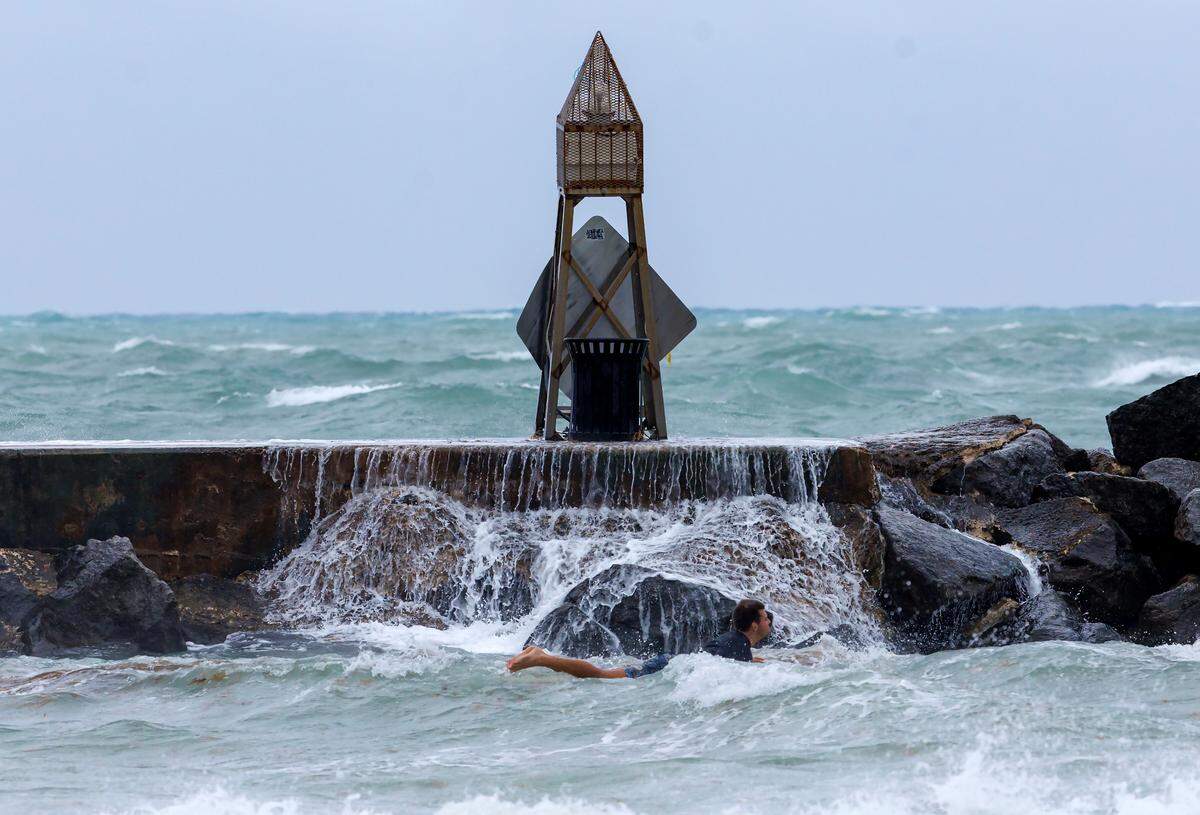
The American Red Cross offers the following tips on staying safe when rip currents are around. You should first heed warnings — lifeguards will often post signs or flags — and avoid the water under these conditions. Rip tides are common during storms, even if they are far out to sea. They are also common within 100 feet of surrounding piers and jetties.
If you do happen to get caught in a rip tide, here’s what to do:
▪ Stay calm and don’t fight the current.
▪ Swim parallel to the shore with the current until you are out of it. Once free, turn and swim at an angle away from the current toward the shore.
▪ Can’t escape the rip current by swimming? Float or tread water until you are free and then head toward the shore.
▪ If you feel you will be unable to reach the shore, call attention to yourself by waving and shouting for help.
Miami Herald staff writer David Goodhue contributed to this report.
This story was originally published April 21, 2025 at 3:52 PM.