A parent’s worst nightmare and the program that is supposed to help
READ MORE
Birth and Betrayal
A Florida program designed to protect OB-GYNS from huge malpractice bills deprives families of their right to sue in the event of a birth gone terribly wrong. It provides a one-time payment and promises to cover lifetime medical expenses. Some hard-pressed parents report a bureaucratic nightmare that’s anything but supportive.
Expand All
The Florida Birth Related Neurological Injury Compensation Association, or NICA, may be the most obscure program in state government. If you’ve encountered NICA, it was likely at the most painful time in your life.




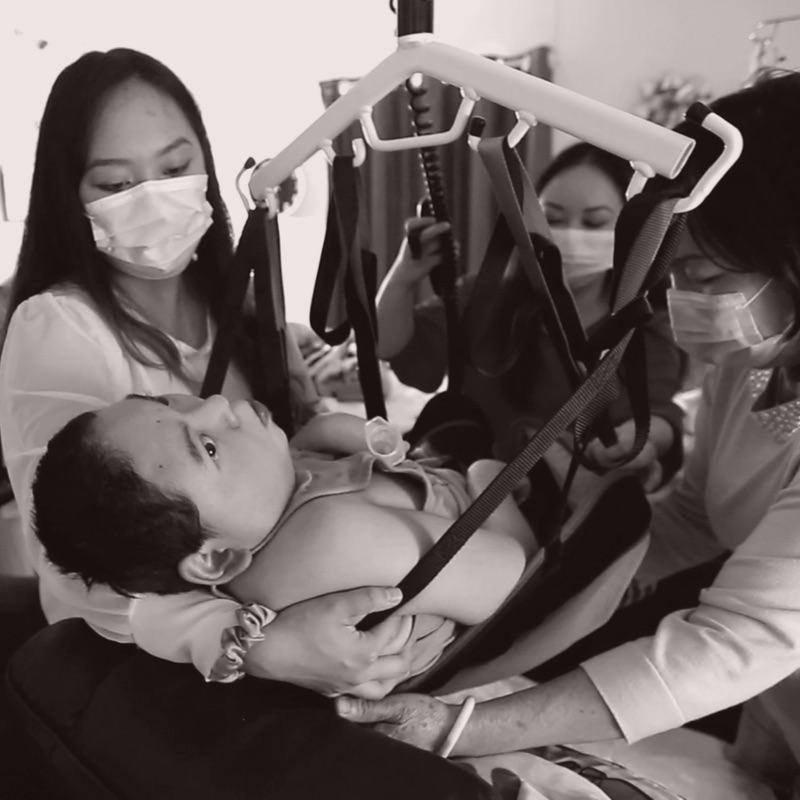
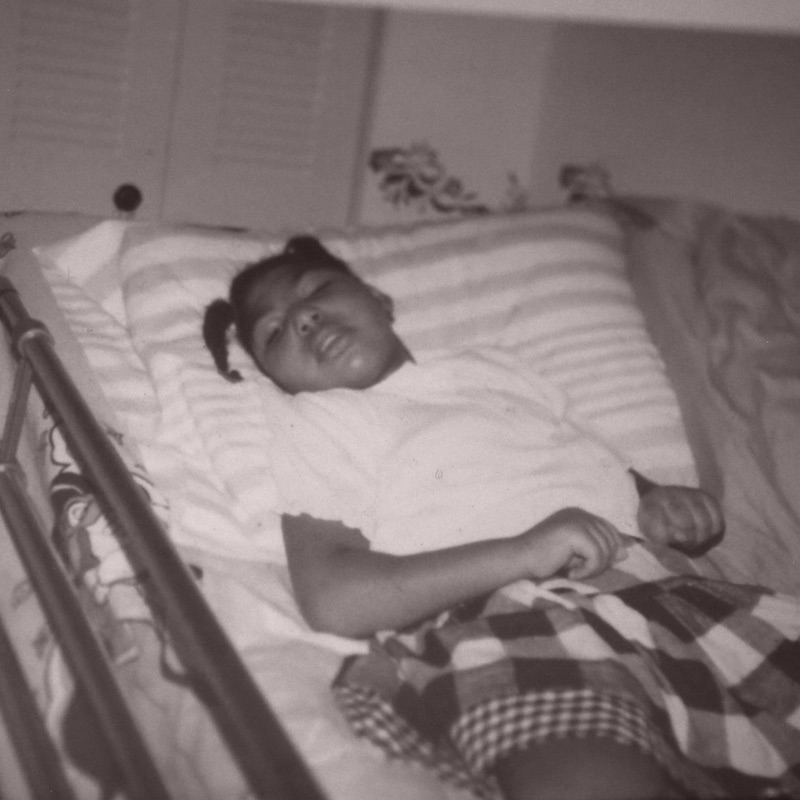
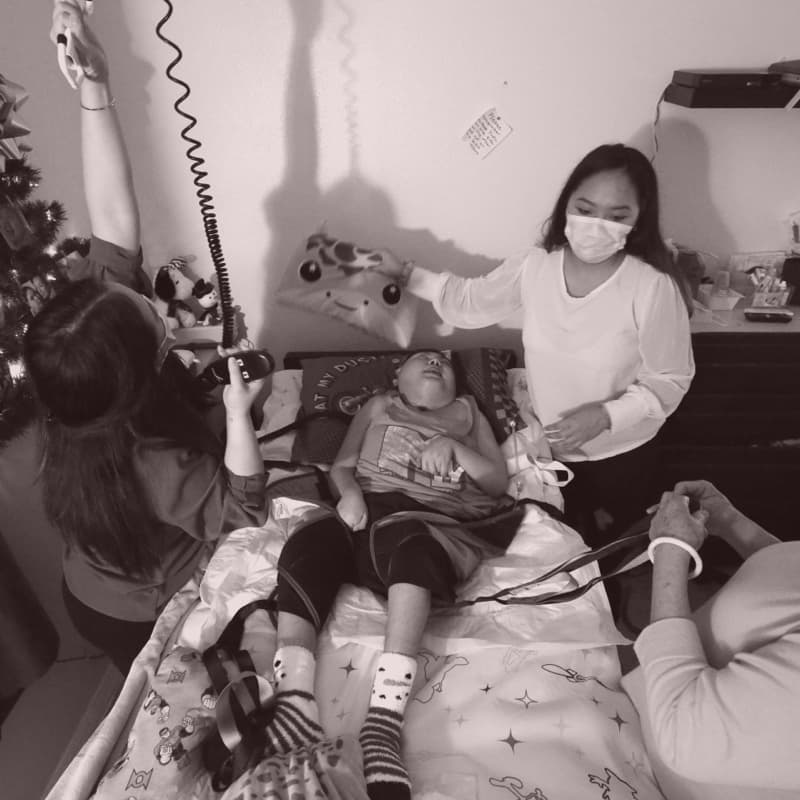

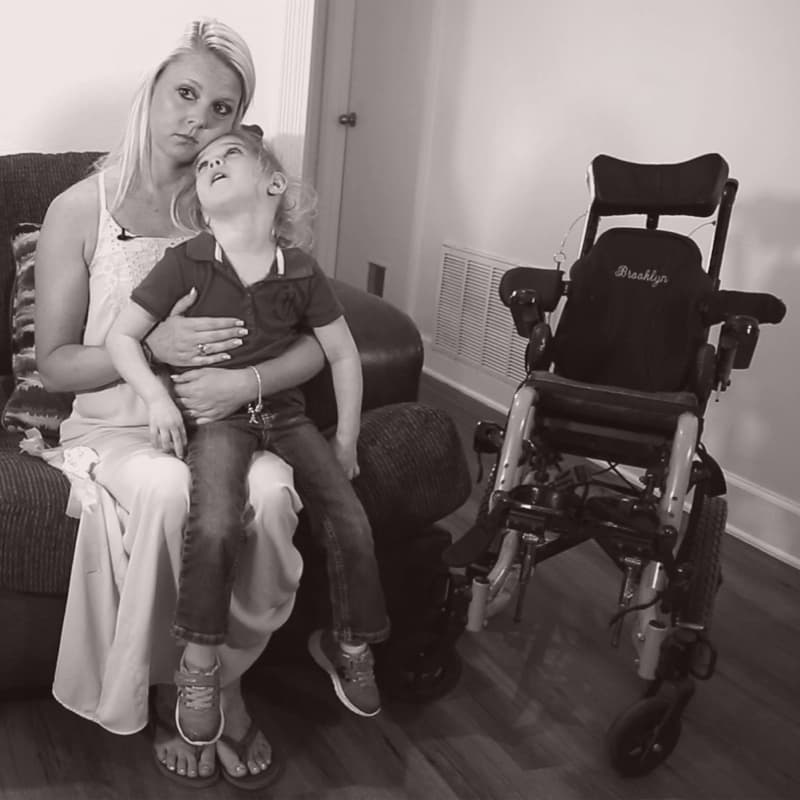
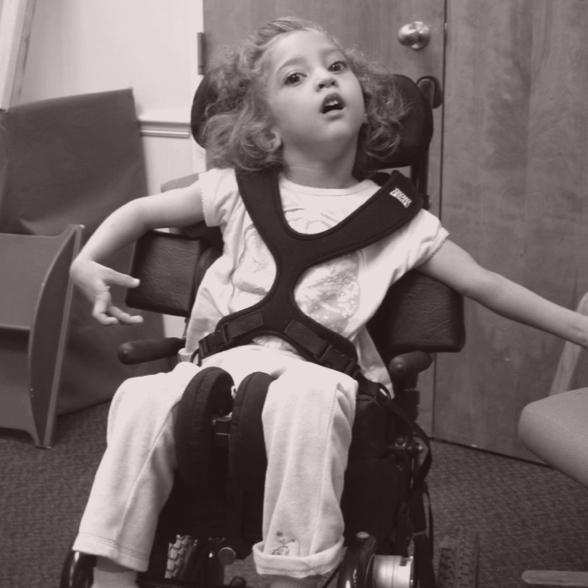

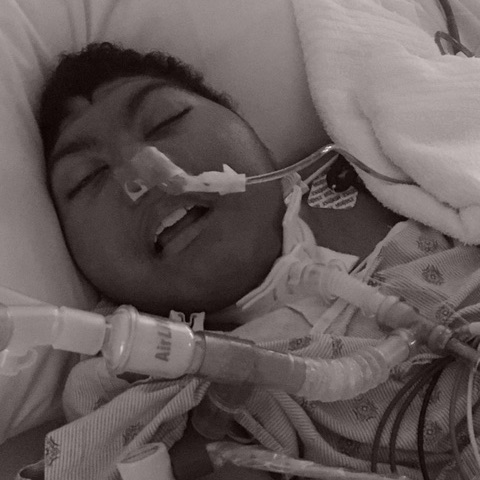
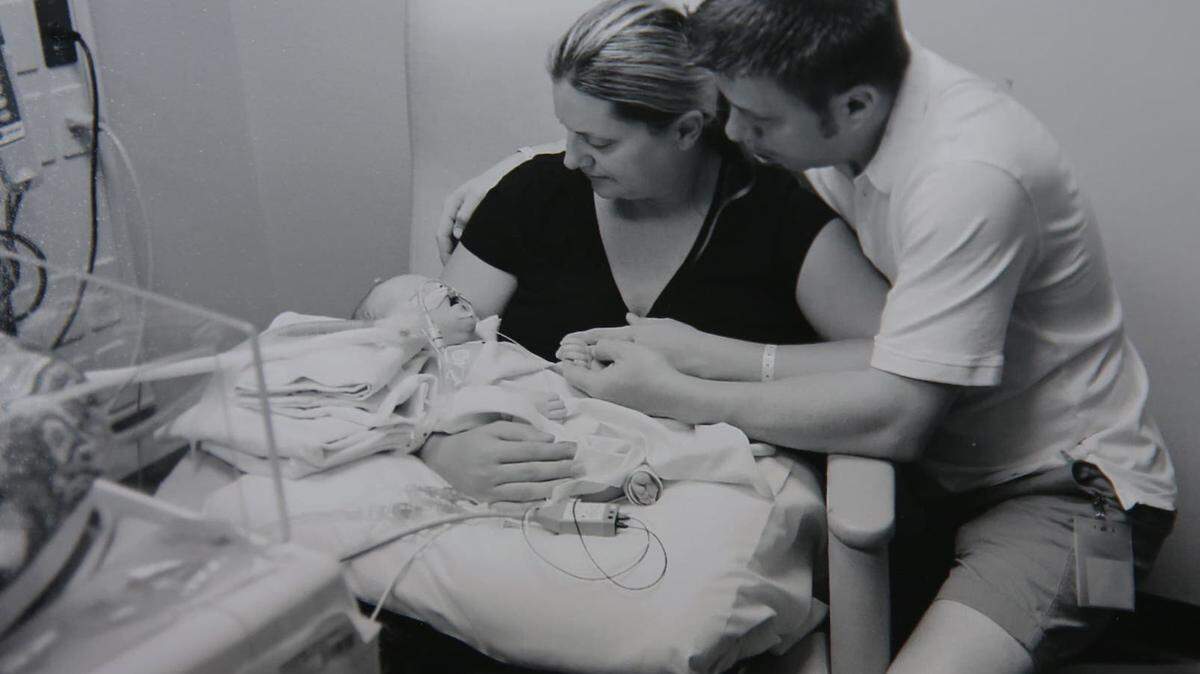
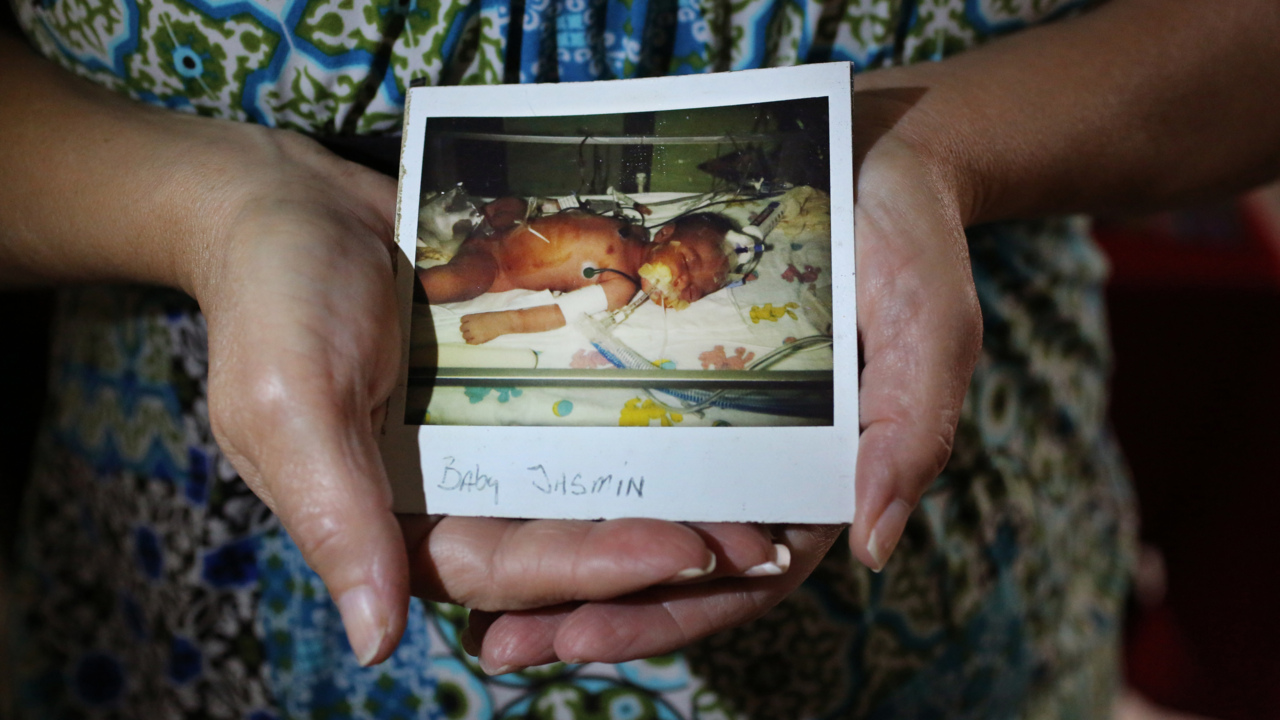
Most people learn of NICA’s existence only after their newborn child suffers catastrophic brain damage due to oxygen deprivation during delivery.
If birth injuries meet certain criteria, NICA strips parents of the right to pursue a lawsuit against their obstetrician or hospital, even if the baby did not survive.
By barring lawsuits, NICA deprives families of the ability to learn what went wrong and if their child’s injuries or death could have been avoided. NICA is a no-fault program.
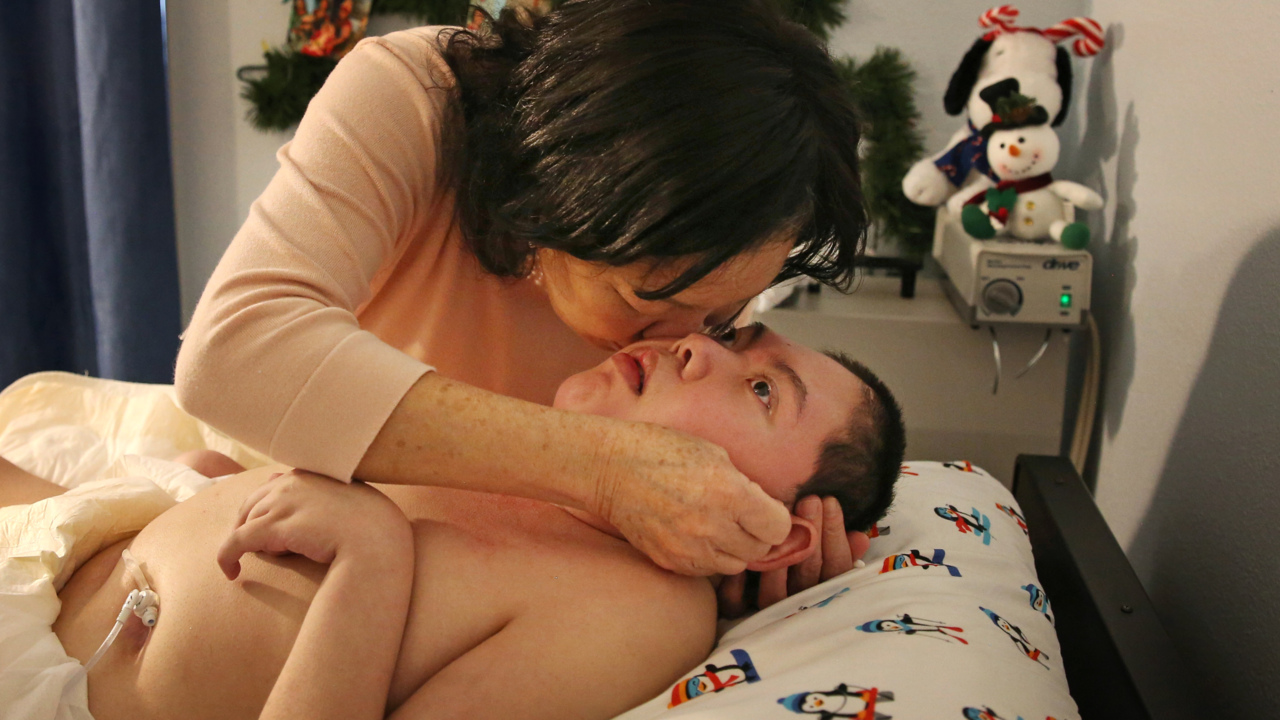
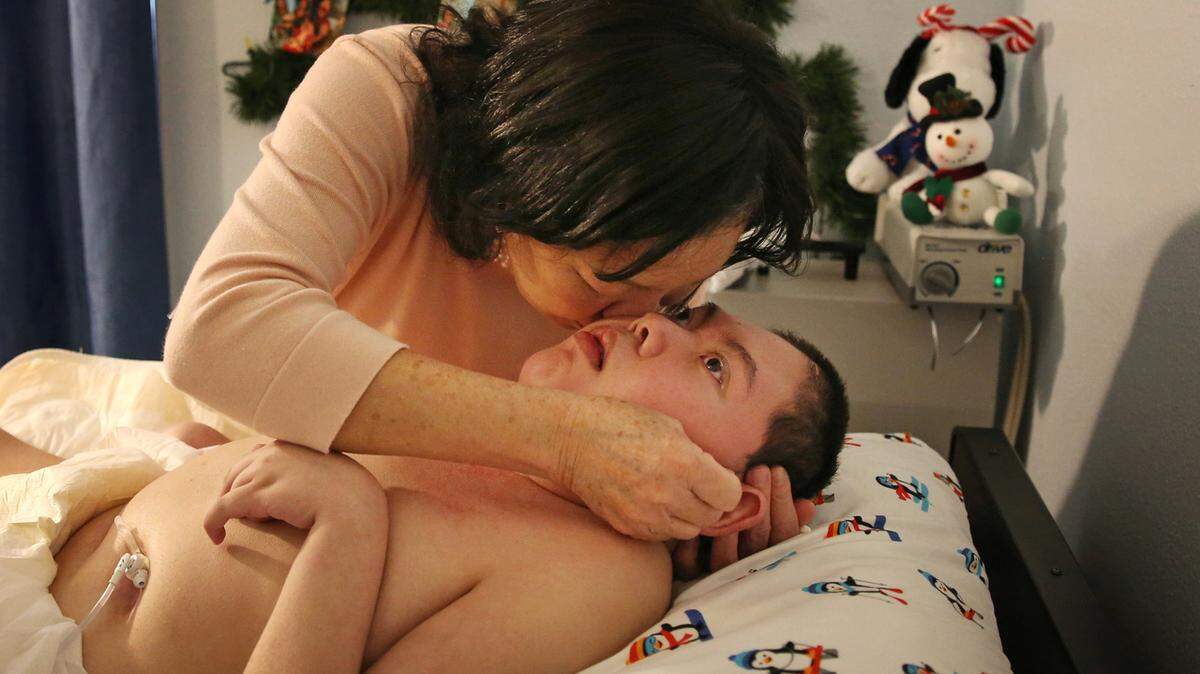
When children survive their birth injuries, NICA pledges reasonable and necessary medical care for life. But what is ‘reasonable’ and ‘necessary’ is decided by NICA, not the parents, resulting in frustration.
NICA has amassed nearly $1.5 billion in assets. Last year, it earned six times more in investment income than it spent on the frail, medically complex and disabled children it has pledged to support.
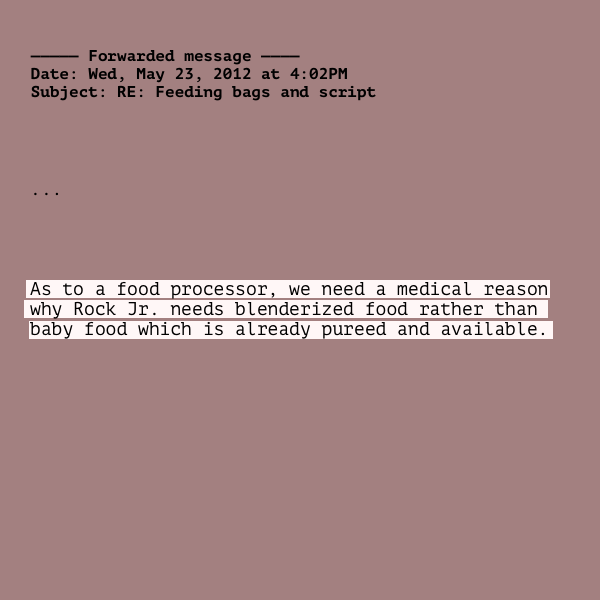
One couple asked NICA to pay for a blender to prepare fruits, vegetables and meats for their 5-year-old who used a feeding tube. Buy baby food, NICA suggested, which is already pureed.
When one mother reported that her daughter’s hospital bed had collapsed and she needed a new one, NICA asked the mom why she couldn’t have it welded back together.
Many NICA children require ventilators, nebulizers and other medical equipment to survive, and they don’t fare well in inhospitable temperatures. Their electric bills spike dramatically. NICA haggles over helping with energy costs.
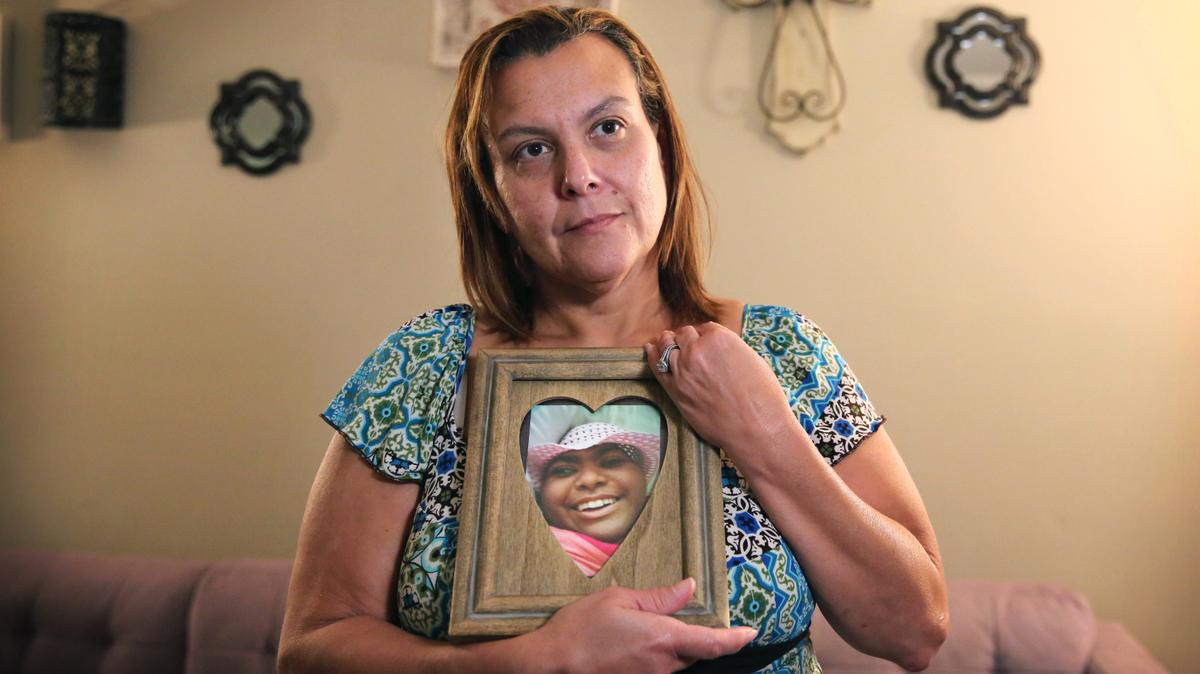
One NICA client, Delaina Parrish, now 23, said the program ‘only looks at what is required at the minimum.’ She added, ‘If we don’t have their financial support, we can’t live our best lives.’
NICA pays parents a one-time lump sum of $100,000. Some families would prefer to sue their doctor or hospital. Before NICA, in cases of catastrophic brain damage due to oxygen deprivation where fault could be established, malpractice settlements might run into the millions.
But it can take years — and tens of thousands in legal costs — for a family to prove that their child’s injuries don’t meet NICA criteria, enabling them to sue. Insurance companies for doctors and hospitals — and NICA itself — have nearly unlimited resources to fight such efforts every step of the way.
The $100,000 paid to NICA parents is the same as it was in 1988, when NICA was created, meaning it has half the buying power today. The NICA death benefit — $10,000 — has not increased in 18 years.
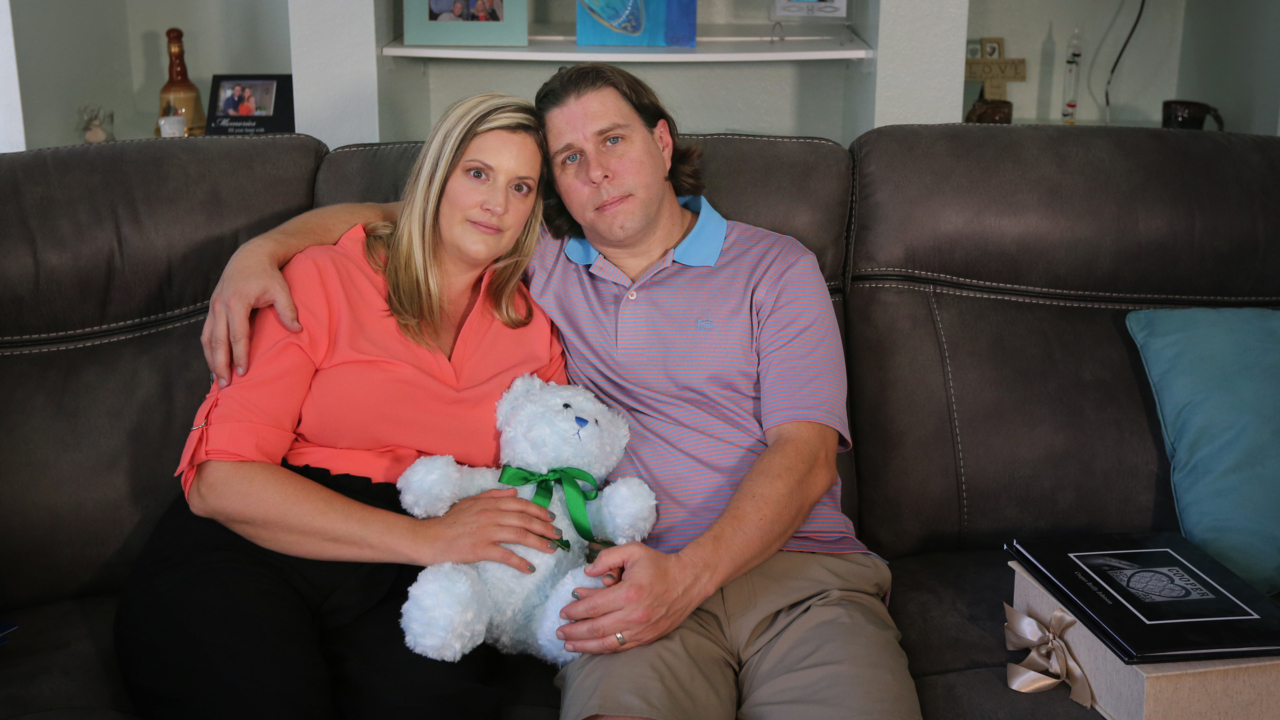
To some NICA parents, what seemed like a merciful solution — payment up front and medical coverage for a child who will need a lifetime of care — became a source of endless anxiety.



For many families, NICA seemed like a good deal — a lifetime of health care coverage for their child without the uncertainty, expense and time of a lawsuit. But some parents say what they got was quite a bit different.
This story was originally published April 8, 2021 at 12:00 AM.