Woman thought she’d get away with a $73,000 Section 8 fraud — because of Mom
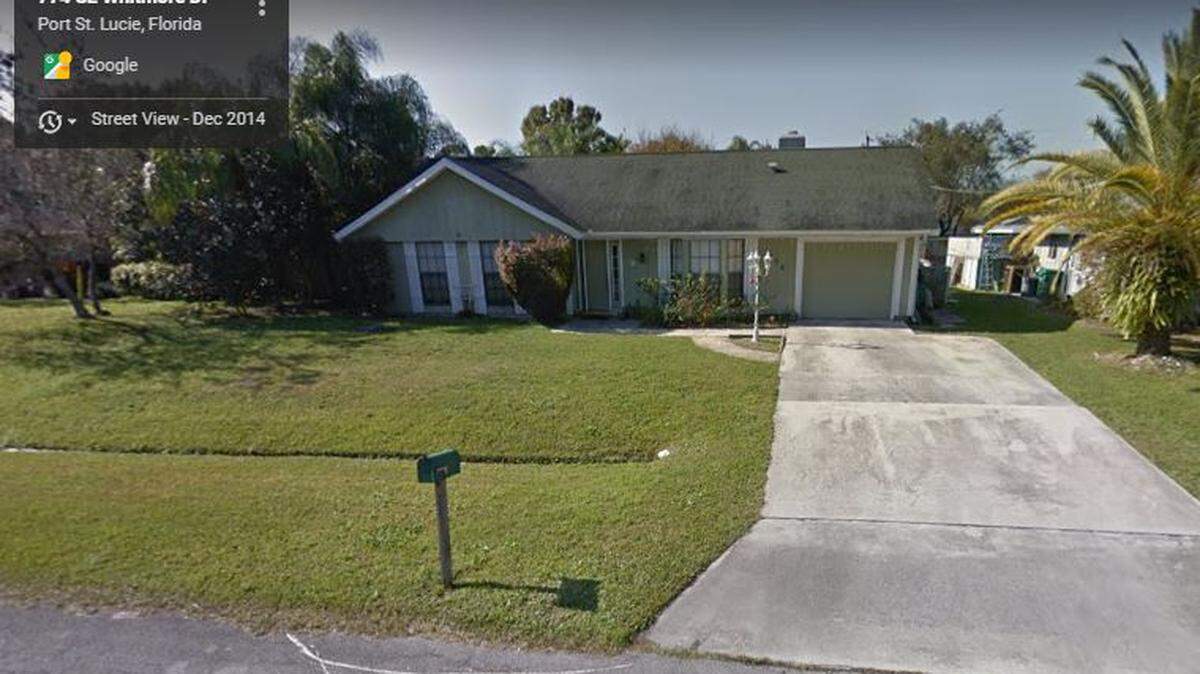
A Port St. Lucie woman pleaded guilty in federal court last week to a rare Section 8 housing fraud inside job, a seven-year rental house of lies that garnered $73,953 in housing subsidies from the federal government.
Stuart Housing Authority employee Cynthia Cabrera, 49, admitted she thought she’d get away with her scheme because of her close relationship with SHA president and executive director Maria Burger. Cabrera thought of Burger like a mother. Because Burger actually is her mother.
As Cabrera’s admission of facts notes, that nepotism violates the agreement between the U.S. Department of Housing and Urban Development and the SHA. But the federal investigator found that a secondary problem once she began digging.
Here’s how HUD’s Housing Choice Voucher Program for low-income, elderly or disabled residents works: HUD gives federal money for housing vouchers to local public housing authorities, such as the SHA. The SHA pays a housing subsidy directly to a participating family unit’s landlord each month. The family unit pays the rest of the rent at the privately owned home or apartment.
Cabrera knew she made too much money for this part of the Section 8 program and also thought it looked bad being in the program while working for the SHA. So, she lied on her applications.
In the calendar years 2009 through 2015, her applications for the voucher program didn’t include her income from the SHA, A Great Fence (fencing company), Roof Concepts (roofer) or 100% Trash (garbage). Nor did they disclose there was another income in the house, fellow SHA employee and husband David Cabrera. But they did some years falsely claim there were more bodies in the house, David Cabrera’s son from a previous relationship and Cynthia Cabrera’s niece.
That story meant she’d get a larger subsidy, because of her income, and could qualify for a larger space for her family with two kids.
Alas, this scheme had multiple weak spots, starting with her husband.
David Cabrera, who wasn’t charged, apparently wasn’t aware of the scam. He didn’t conceal his presence at the three-bedroom, two-bathroom, 1,376-foot house the Cabreras lived from May 2011 through December 2016. Neighbors saw him regularly. The landlord knew he lived there. His Capital One credit card bills arrived there.
When the couple applied for a Veterans Administration loan to buy a house in December 2016, Cynthia Cabrera put her employment at A Great Fence since 2012 on the application.
“Cabrera felt safe to report false information on her Section 8 applications because her mother was the SHA Executive Director,” says Cabrera’s admission of facts.
This story was originally published April 10, 2019 at 7:01 AM.