How and why Florida lawmakers are pushing to end civilian police watchdog agencies
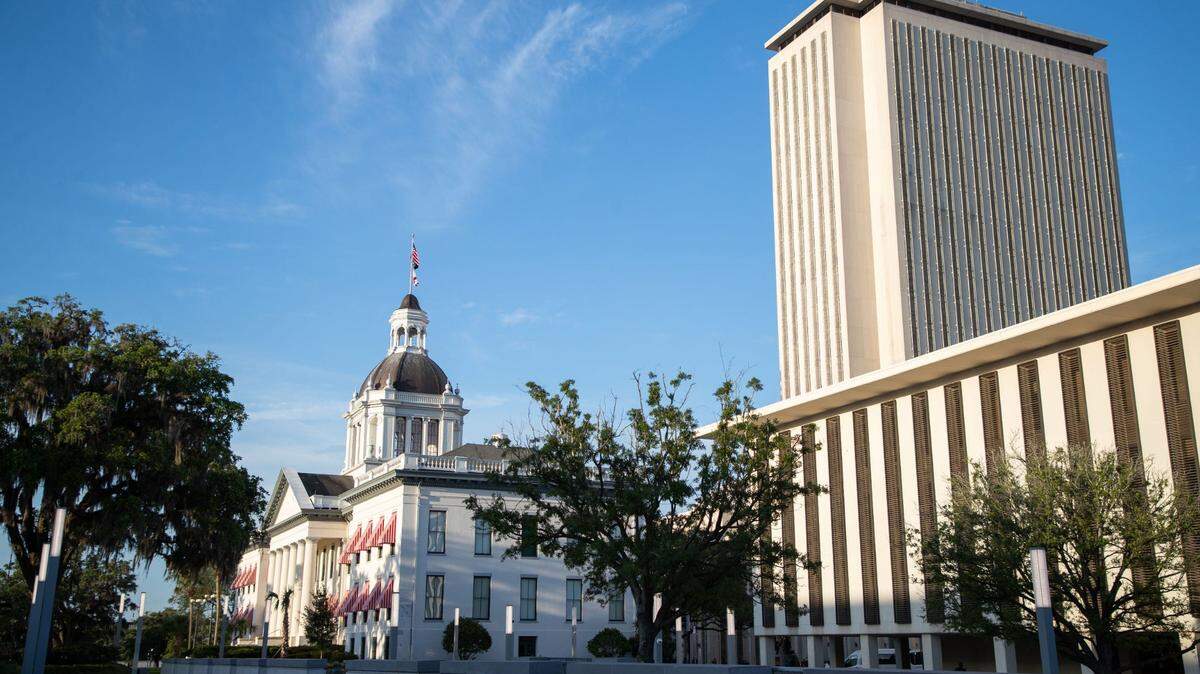
Legislation that aims to ban civilian oversight of police officers throughout the state is currently moving through the Florida Legislature.
Civilian oversight agencies, or COAs, are citizen-led groups that provide external oversight to local police departments. Some conduct independent investigations into the complaints of misconduct against police officers.
The legislation seeks to put an end to those investigations.
Opponents of House Bill 601 and Senate Bill 576 say that the legislation could upend progress made towards police accountability and establishing trust between citizens and their local police departments. But proponents say that civilian oversight agencies across the state lack uniformity, and that there are other efficient measures in place to review police misconduct.
The House Judiciary Committee voted favorably on HB 601 on Wednesday. The Senate bill passed Tuesday in the Community Affairs Committee.
Here’s what to know about the bills and the implications.
What’s in the House bill?
HB 601 would effectively prohibit any current civilian oversight agency from conducting investigations into complaints of misconduct of a police officer and would prevent any local government from passing ordinances or rules that relate to the investigation of misconduct complaints against police officers.
It says that any civilian oversight agency that is currently conducting an investigation would need to bring it to an end by July 1.
Investigations into police misconduct will still be able to be performed by the accused officer’s employing agency or the Criminal Justice Standards and Training Commission, which is an entity within the Florida Department of Law Enforcement that has the authority to revoke an officer’s certification.
The bill also says that it will not prohibit any local, state or federal law enforcement agency from conducting criminal investigations as a result of a complaint of misconduct of an officer.
What’s in the Senate bill?
The Senate bill is similar, but was amended Tuesday so that police chiefs and sheriffs can create civilian boards to provide input on policies and procedures.
What do critics say?
Rep. Yvonne Hayes Hinson, D-Gainesville, debated the bill during the House Judiciary Committee’s Wednesday meeting and said she’d vote against it in part because of the trust issues between police and citizens.
“Like in any other industry we’re going to always have some bad players. How on earth are we going to deal with them without some level of balance and trust,” said Hinson.
Those who lead COAs say that getting rid of the civilian input that COAs give to local law enforcement would roll back efforts towards police accountability.
Rodney Jacobs, executive director of the Miami Civilian Investigative Panel, Ursula Price, executive director of the Miami-Dade County Independent Civilian Panel, and Philip C. Harris, executive director of the North Miami Citizens Investigative Board, wrote in an opinion piece in the Miami Herald about their opposition to the legislation.
“The impartiality of these civilian oversight agencies allows them to bring stakeholders together to work collaboratively and proactively, making policing more effective and responsive. Because of this, elected officials throughout the country are increasingly establishing robust, independent civilian oversight to promote public trust in law enforcement and reduce exposure to misconduct risks. These bills show a lack of understanding of the basic tenets of civilian oversight,” the group wrote.
What do proponents say?
Rep. Robert Charles Brannan, R-Macclenny, said during the House Judiciary Committee meeting that police already have “multiple layers of review” when it comes to complaints of misconduct before voting in favor of the bill.
Brannan is a former U.S deputy marshall and previously was a chief investigator at the Baker County Sheriff’s Office.
“Somebody from the audience said that we need to give the power to the people, not the police. Well, folks, policemen are people and they have a hard job to do,” said Brannan. “I want somebody that’s been in the mud, in the blood and had to roll around and understands what it takes to put a set of handcuffs on a person to judge me.”