Miami legislators seek changes to law that spurred Ocean Drive high-rise proposal
Florida lawmakers filed a pair of bills Thursday that would make changes to a controversial law passed last year to incentivize workforce and affordable housing in a state with an affordability crisis.
The bills — Senate Bill 328 and its identical companion, House Bill 1239 — would amend the Live Local Act, which offers developers tax breaks and lets them sidestep some local regulations if they agree to make 40% of units in a project affordable to people making up to 120% of an area’s median income.
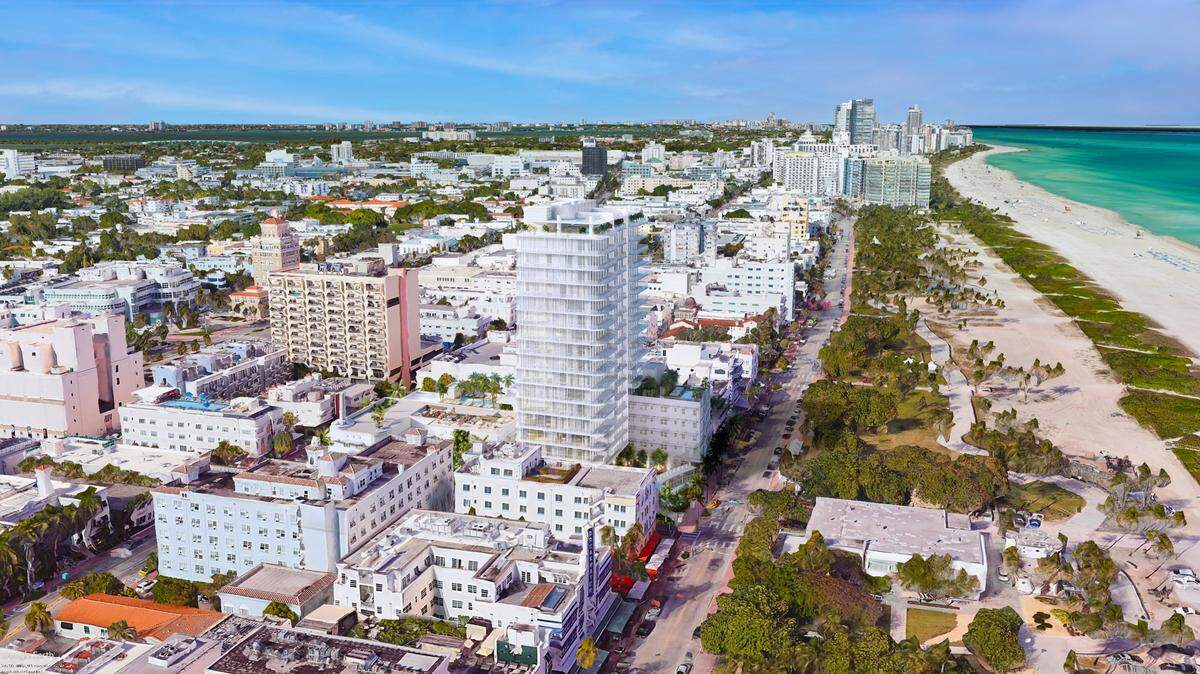
The law received bipartisan support in Tallahassee last year. But it triggered a wave of backlash from local governments as developers began to introduce new projects, including a planned 18-story workforce housing tower at the site of the famed Clevelander Hotel and Bar on Ocean Drive that then-Miami Beach Mayor Dan Gelber called the “worst idea ever,” saying it would ruin the iconic Ocean Drive skyline.
The nightlife hot spot’s owners have argued the project offers much-needed workforce housing and would help tame the party atmosphere in South Beach.
The bills filed Thursday would revise language in the Live Local Act, seemingly in an effort to address concerns about the legislation from both developers and local leaders.
One of the proposed changes would clarify that local governments can’t use floor-area ratio, or FAR — a calculation used by some cities to regulate building size — to limit the size of projects submitted under the Live Local Act. Miami Beach officials had seized on the lack of any mention of FAR in the law passed last year to suggest the Clevelander proposal couldn’t comply with the city’s regulations.
While that change would be a boon to developers, the bills filed Thursday also proffer changes that would give local governments more control over building heights.
The law currently lets developers build as tall as local zoning allows within one mile of a new project that meets the Live Local Act’s affordability requirements. The bills filed Thursday would change that radius to one-quarter of a mile.
The bills would also allow local governments to restrict the height of Live Local projects to three stories if each of the adjacent buildings is no more than three stories tall.
Both bills were filed by Miami Republicans: Alexis Calatayud in the Senate and Vicki Lopez in the House.
Calatayud asked a Miami Herald reporter to email questions about the bill, but did not respond by publication time. A staffer for Lopez said the representative could not answer questions until next week.


In Miami Beach, officials have discussed reducing allowable building heights in much of South Beach due to concerns that the Live Local Act would bring unwanted towers to Art Deco neighborhoods. The Clevelander owners’ 18-story proposal came after they initially said they could build up to 30 stories.
Proposals under the Live Local Act have also been controversial in Hollywood, Weston and Doral.
In Doral, the City Council sought to impose a building moratorium amid outrage over a developer’s proposal for several new 10- and 12-story towers with more than 600 new apartments. The council approved a settlement agreement with developer The Apollo Companies in October to reduce the height of the buildings to eight stories.
This story was originally published January 5, 2024 at 5:30 AM.