Doral, developer reach agreement on development that includes affordable housing
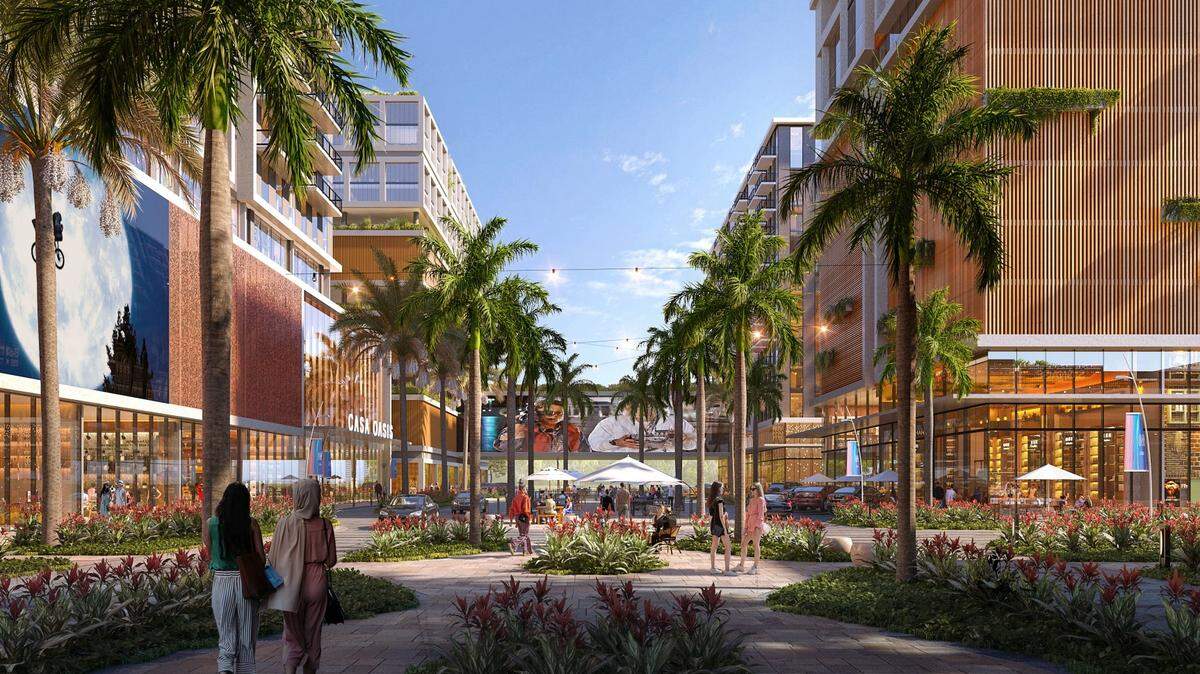
The Doral City Council approved a settlement agreement to reduce the height on three proposed residential towers in a new development that includes affordable housing.
The council voted 4-1 in favor of the settlement agreement with Miami-based developer The Apollo Companies which seeks to build Oasis at Doral, a 17-acre residential and commercial project that calls for three new eight-story towers with 623 new apartments and 185,000 square feet of retail space on the corner of Doral Boulevard and Northwest 97th Avenue.
The agreement calls for the height of the towers to be eight stories, which is down from the ten- and 12-story heights initially proposed that had raised concerns from residents and city officials. The height is also substantially less than the 14 stories allowed under the state’s Live Local Act aimed at bringing affordable housing to communities. The Doral vote on Wednesday came a month after the city imposed a moratorium on building in the wake of the new law.
“Look, none of us are happy about this. I think we’ve all made that very clear,” Doral Mayor Christi Fraga said during Wednesday’s meeting. “We put a moratorium in place to be able to do what we could to safeguard our community within the confines of the law. Unfortunately, Senate Bill 102, the Live Local Act, has been something that has affected our community and has affected communities around the state.”
RELATED: A new law is supposed to boost affordable housing. South Florida cities are furious
The new law requires municipalities to authorize multi-use development regardless of zoning in that area, if at least 40% of the development is for multifamily rentals. The legislation, which went into effect July 1, also preempts cities from deciding the height, density and use of the project.
The new Doral development would set aside 40% for workforce or affordable housing as defined by the state. That is the threshold under the new law to override local zoning. The law applies in all commercial, industrial and mixed-use districts, but exempts areas zoned only for residential construction.
Developer Edward Abbo committed to reducing the building heights to eight stories during Wednesday’s meeting. “Our commitment is to submit that site plan hopefully in the next two-and-a-half weeks and it will reflect exactly what we do,” Abbo said, adding it is costing the company “hundreds of thousands of dollars” to change the site plans. “We’re going back to redoing all the plans based on what we’re agreeing to. So you have to understand our commitment.”
Rooftop amenities shall be permitted above the eighth floor, according to the agreement, which also requires the property to have affordable housing units in the same building as market rate units.
Attorneys for The Apollo Companies had claimed the city’s building moratorium was a violation of the Live Local Act. The developer had submitted its application before the moratorium was passed.
“The legislature has explicitly preempted local governments from failing to authorize qualifying affordable developments,” attorney Joseph Goldstein, representing The Apollo Companies, wrote in an eight-page memo to the city. “The moratorium operates as an unauthorized regulation in this area. The intended and actual effect of the moratorium is to indirectly do what municipalities are prohibited from doing, i.e., deny the processing of applications and issuance of development orders for qualifying affordable housing developments.”
Fraga said the moratorium allowed the city to instruct staff to institute changes that would “safeguard and protect our community.” While the moratorium is in place, the city will rework its zoning and planning procedures to be in compliance with its comprehensive plan and the Live Local Act. Those changes will cover buffer requirements, the environmental review process, parking, traffic, landscaping, and floodplain management.
Concerns about the law have permeated other areas of the state including in Hollywood, where there are plans to replace a group of motels with an 18-story condo and apartment tower complex, a three-story beach club and restaurant facing the pedestrian promenade.
Fraga also raised concerns about how the new law affects the city’s property and real estate taxes. Fraga said she and a few mayors from across the state are planning to visit Florida legislators in Tallahassee next month and advocate for changes to the law.
“That is all we’re asking for as local elected officials: to be able to have a say on the growth that exists and will impact our communities,” she said.