
Guns, rising seas and schools are among Florida’s biggest challenges, state leaders say
Florida’s leading figures from a wide array of fields gathered for a summit Wednesday to discuss the most critical issues facing the state and the fallout from the 2018 midterm elections.
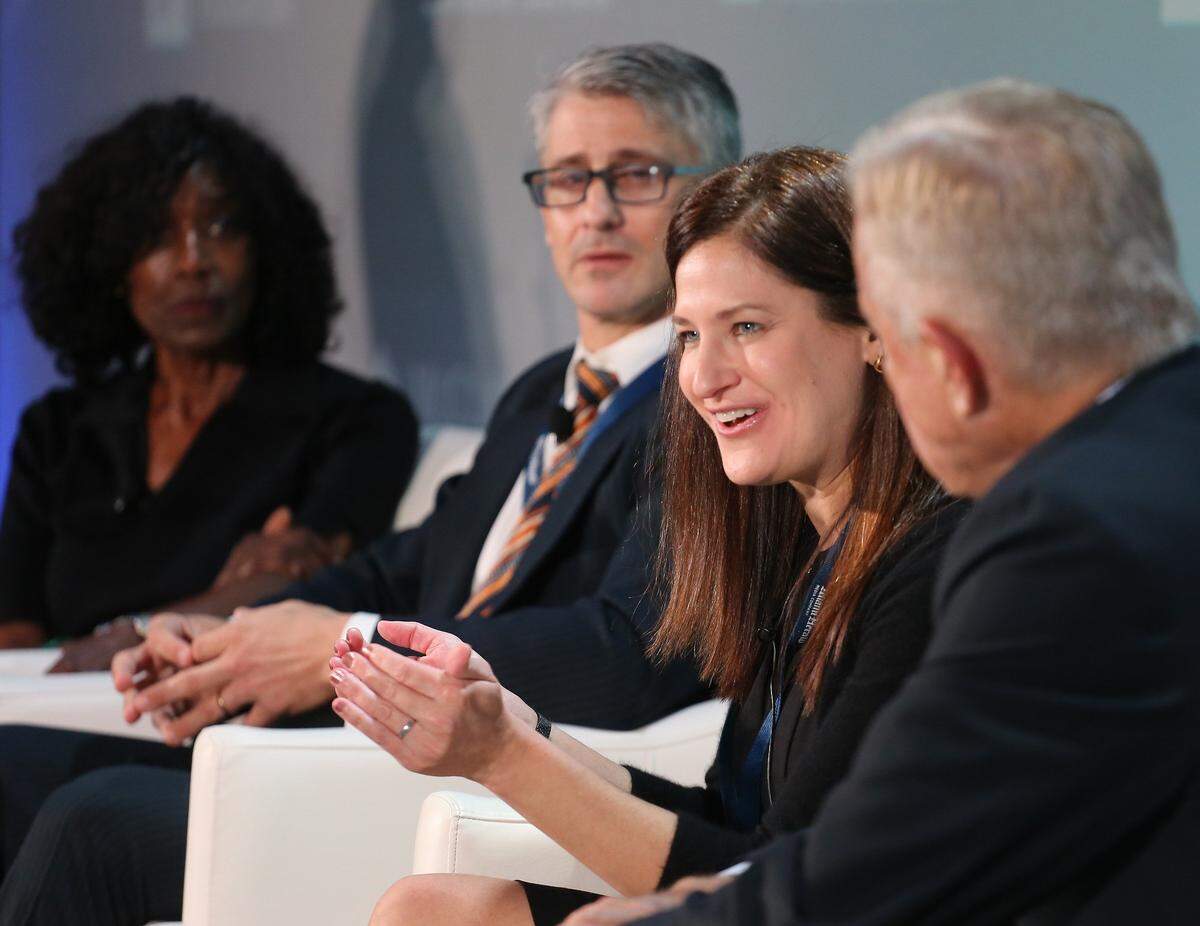
The Florida Priorities Summit, a two-day event at the University of Miami, featured in-depth panel discussions on five policy issues: education, transportation, guns, environment and healthcare. The event marked the culmination of the 2018 Florida Influencer Series, a project by the Miami Herald, el Nuevo Herald and Bradenton Herald. Over the past six months, a group of 50 of Florida’s most prominent voices shared their ideas on how to address the most important issues facing the state and responded to questions from readers.
After the Influencers crafted a series of policy recommendations for the next governor and Legislature on Tuesday, experts from across the state addressed those five issues further on Wednesday.
.JPG "10FLORIDAINFLUENCERS_CPJ (1).JPG")
On education, panelists said that while Florida’s system is improving, too many disadvantaged students are still getting left behind. Tracy Wilson Mourning, the founder of the Honey Shine Mentoring Program, said that it is imperative to start building up the self-esteem of low-income students at a young age so that they believe higher education is an option for them down the road.
“Too often, we’re programmed very early on where we belong, where our boundaries are,” Mourning said. “We have to think bigger than that. We have to think outside those boundaries.”
A five-person gun panel discussed whether Florida should ban assault weapons and increase funding for mental health and education programs. Local hip-hop star and social activist Luther Campbell emphasized the importance of banding together as Miamians to help communities most affected by the issue, like Liberty City, Overtown and Miami Gardens.
“If people in this room right here put the pressure on the state attorney, the police chief and the mayors in these different areas, it’ll change,” Campbell said. “But when it comes from us, it falls on deaf ears.”
Elsewhere, panelists discussed whether Miami and other cities are prepared to adapt to rapid changes to the transportation system. State Sen. Jeff Brandes, a St. Petersburg Republican, said cities shouldn’t try to solve all the problems that arise from new modes of transit such as electric and autonomous vehicles right away. Since there are even more changes on the horizon, he said officials should try to anticipate what 2030 will look like.
“You have to see public transit as an organism. This organism has to evolve over time,” Brandes said. “Let’s make sure that we’re maximizing our options for the future and not take anything off the table.”
The environmental panel discussed Everglades restoration and the importance of restoring the flow of water from Lake Okeechobee south through the Everglades to Florida Bay instead of discharging water to the east and west coast of Florida. They also discussed the economic harm that climate change and rising seas can bring to low lying areas in South Florida and how developers and elected officials should work together.
“Sea level rise is something that is going to hit us all. We can either deal with it or not,” said Jorge Pérez, the billionaire developer and CEO of Related Group. “I think that it requires a huge political will and a huge private [sector] will.”
.JPG "FLORIDAINFLUENCERSjepf (1).JPG")
Meanwhile, the healthcare panel focused on innovations in healthcare access, as well as the ways some hospitals and clinics are working to provide care to underserved communities where residents may not be insured. With lower income or older people not on insurance, providing a continuum of care and focusing on preventative medicine — not emergency room visits — can be helpful, the panelists said.
“Unfortunately everything goes really well until it doesn’t,” said Penny Shaffer, South Florida Market president for Florida Blue. “We’ve got to go meet people where they are.”
Earlier in the day, former members of the George W. Bush and Al Gore legal teams discussed the midterm election recounts and said Florida is in a better position to handle recounts in 2018 than 2000, but that many of the old problems still persist.
And a panel of veteran journalists said members of the media need to be more careful about making early projections on election night. Since last Tuesday, some media outlets were forced to retract their race calls, including in Florida, as more votes slowly rolled in.
This story was originally published November 14, 2018 at 8:22 PM.