
A look at the notable bills that didn’t pass as Florida lawmakers leave Tallahassee
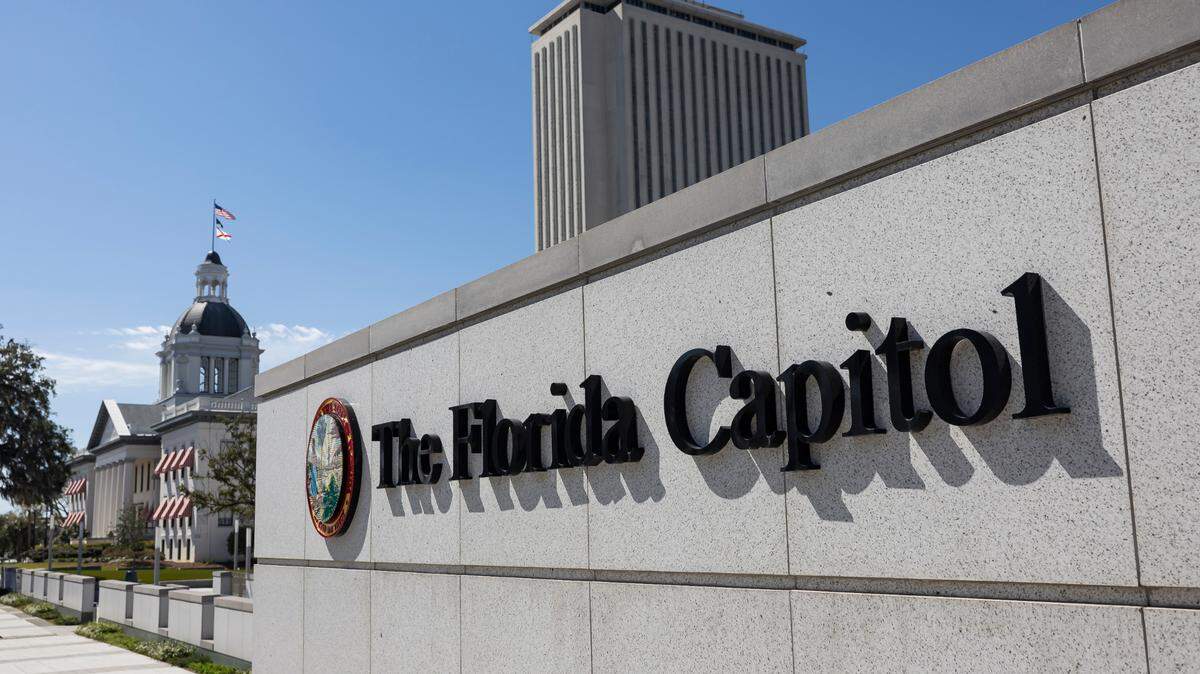
Florida‘s lawmakers ended their regularly scheduled session Friday without completing their one required duty — passing a budget.
Lawmakers will have to come back to Tallahassee starting the week of May 12 to finish their work. Leaders on Friday evening said they had developed a “framework” for their budget plan and extended session until June 6.
Though lawmakers have more work ahead, as they leave town Friday, they leave a slew of dead bills behind them, including some dealing with major issues that Gov. Ron DeSantis prioritized.
In the end, lawmakers passed about 230 bills, dealing with things like prohibiting local governments from putting fluoride in the water, protecting state parks and making changes to the ballot initiative process.
But any help for beleaguered homeowners on the troubled property insurance market went unaddressed through legislation, despite House Speaker Daniel Perez opening the session with a plan to investigate insurers based on Herald/Times reporting.
Lawmakers also couldn’t agree on ideas to regulate Florida‘s hemp marketplace and to reform the state’s child labor laws.
Here’s which issues failed to cross the finish line.
Property insurance
Property insurance is one of the most important issues to Floridians who have found themselves bogged down under expensive bills.
Florida‘s Office of Insurance Regulation sought a bill that would have required more transparency from insurance companies.
The proposal would have required insurers to break down their rate filings, including how much money goes to affiliate companies. But the bill that would require that report moved through only one committee in the Senate and none in the House.
Other ideas to reform the property insurance market also failed to gain traction, including bills that would have changed how the My Safe Florida Home program is funded and one that would have opened up the state-run Citizens Property Insurance to everyone.
Lawmakers did, though, pass a bill to repeal a public records exemption and make information on insurance executives’ compensation, corporate governance and risk assessments open to the public.
Hope Florida
This year, DeSantis sought to codify the Hope Florida program into law.
That bill got lawmakers looking at the program, and sparked a larger war between the House and DeSantis’ administration over the Hope Florida Foundation and a $10 million donation it received from the Medicaid provider Centene as part of a settlement.
The Florida House held multiple committee hearings, grilling state agency heads as well as the chairman of the Hope Florida Foundation. They also submitted records requests related to executive spending and communication on Hope Florida.
As the House began its digging, lawmakers chose to leave the DeSantis-backed bill on the table.
First lady Casey DeSantis, who is reportedly eyeing a run to succeed her husband as governor, has made the Hope Florida program a cornerstone of her work.
Hemp
Both the Florida House and Senate sought to control the state’s hemp marketplace, which allows retailers to sell high-potency, intoxicating products that sometimes have THC levels high enough to classify as marijuana.
A 2024 Herald/Times analysis showed that products often contain things dangerous for people to consume, like pesticides, yeast and mold.
Both chambers wanted to reform testing requirements for hemp and change how products are packaged and sold. But the Senate took a more aggressive approach, proposing banning all delta-8 products and hemp products containing other cannabinoids like delta-10, HHC, THC-O-Acetate, THCP and THCV.
Ultimately, the House and Senate bills were too different to reconcile.
Child labor
A proposal that would have allowed some teenagers to work overnight and unlimited hours didn’t pass through the Florida Senate following public opposition and after some senators expressed hesitation.
In the House, lawmakers amended the bill to prohibit teenagers 16 and 17 from working later than 10 p.m., and passed that version through their chamber despite Perez saying he still had some concerns about the legislation.
But the Senate bill failed to get scheduled beyond the first committee meeting.
Records show DeSantis’ office pushed for the legislation.
A few weeks after DeSantis’ office sent a draft bill to lawmakers, he said during a panel with President Donald Trump administration’s border czar that a younger workforce could help replace “dirt cheap” labor from migrants who are in the country illegally.

Property tax
DeSantis came into the legislative session with an idea to eliminate or significantly reduce property taxes.
A change like that could only be accomplished if at least 60% of voters approved it during the next election cycle. But lawmakers didn’t put forward any language to appear on the 2026 ballot.
Perez said that DeSantis’ office never presented specifics.
In response, Perez said that the House would create a special committee to put together a proposal for the next legislative session.
He outlined five starting ideas that he thought the committee could work with, including giving lawmakers the power to change the homestead exemption instead of requiring it to go to voters.
Senate President Ben Albritton has also been open to the idea of reducing property taxes, but has said it requires further study.
E-Verify
One of DeSantis’ longtime immigration priorities did not make it across the finish line.
A bill that would have required all employers in the state to use E-Verify, a federal online system that checks the legal eligibility of new workers, passed the Florida House but did not get final approval in the Florida Senate.
Florida law requires companies with 25 or more employees to screen their employees through the system. DeSantis has tried to get Republicans in control of the state Legislature to expand the requirement to all employers in the state.
Earlier this year, Republican lawmakers criticized the DeSantis administration for not enforcing the state’s existing E-Verify laws. The Department of Commerce had issued eight enforcement letters to companies at the time. Shortly after the criticism, DeSantis’ administration issued warning letters to 40 companies.
Higher education
DeSantis’ ability to install political allies at the helm of public colleges and universities will not be changed through legislation this year.
A bill approved by the Florida House sought to prohibit the governor and employees in his administration from discussing a presidential vacancy or anticipated opening with state and local university leaders. DeSantis railed against the proposal and called it “asinine.”
Even though the bill was overwhelmingly approved by the House, the proposal stalled in the Senate.
The proposal emerged two months after the governor’s office pushed Florida International University to hire Jeanette Nuñez as its interim president without a search. Nuñez was serving as DeSantis’ lieutenant governor when the governor’s office advocated for her hiring. She now earns an annual salary of $850,000 as interim president, according to her contract.
Herald/Times Tallahassee bureau reporter Ana Ceballos contributed to this report.