Rick Scott isn’t sold on reauthorizing powerful foreign surveillance tool
READ MORE
Tracking the Fentanyl Trade
As fentanyl devastates communities across the United States, Americans are fighting the epidemic on multiple fronts. This is the war against America’s deadliest drug.
Expand All
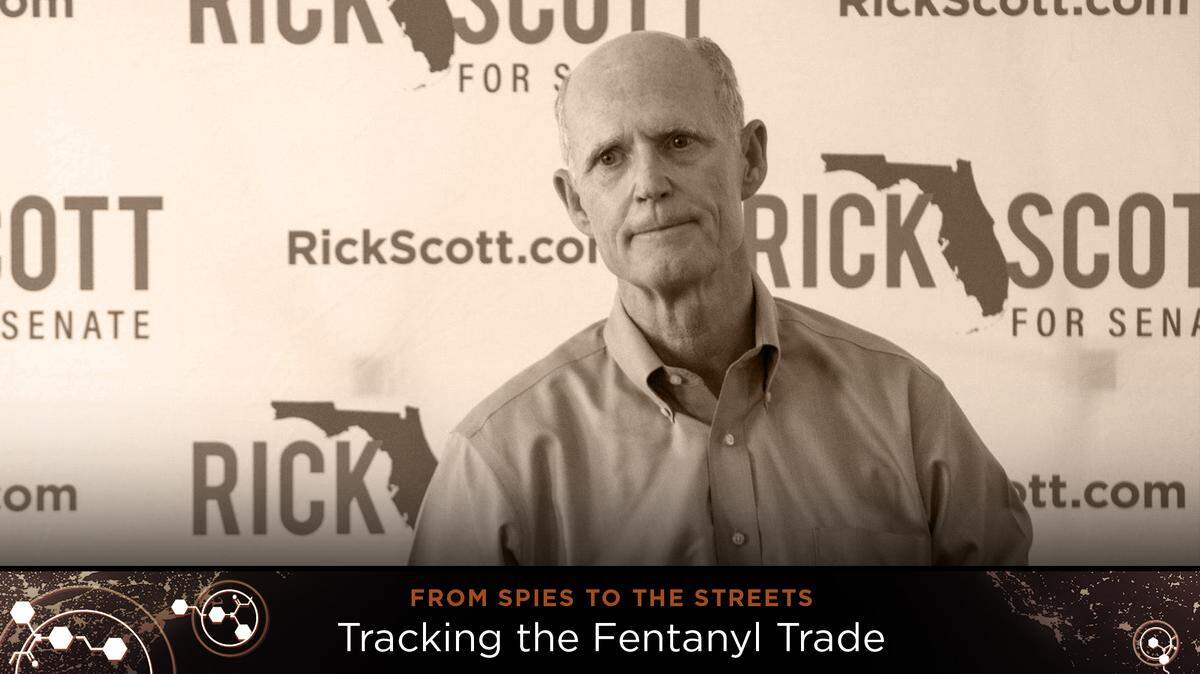
U.S. Sen. Rick Scott has pushed a series of bills intended to combat the country’s ongoing fentanyl crisis. But when it comes to reauthorizing a program that intelligence officers say is vital to disrupting the transport and distribution of the deadly opioid, he’s not so sure.
Scott is demanding that top federal law enforcement officials propose substantial changes to Section 702 of the Foreign Intelligence Surveillance Act – which allows spy agencies to conduct warrantless surveillance on foreign targets outside of the United States – before Congress considers whether to renew the provision later this year.
He’s also asking FBI Director Christopher Wray to detail what steps his agency has taken to hold accountable employees who misused the program to collect information on U.S. citizens.
“If you agree with me that the hundreds of thousands of unlawful, warrantless searches of U.S. citizen information your agency has conducted under Section 702 are entirely unacceptable, to attempt to regain the American public’s trust, please explain the accountability for those rogue agents who conducted those illegal queries,” Scott wrote in a letter to Wray earlier this month.
Scott isn’t alone in his concerns about the program, which is set to expire at the end of the year. While Democrats have long warned that Section 702 could run afoul of Americans’ civil liberties, a growing number of Republicans have begun to criticize the program amid a broader campaign against what they argue is political bias within federal law enforcement agencies.
Pushback has grown intense enough that the White House and intelligence officials say they’re worried that Congress could allow the program to sunset.
At the heart of the matter are concerns that Section 702 has been used by the FBI to collect the information of Americans who are in communication with surveilled foreigners. A court opinion released last month disclosed that FBI employees wrongly searched foreign surveillance data for the last names of a U.S. senator and a state senator.
Another court document unsealed in May revealed that the FBI had inappropriately used the tool more than 278,000 times against suspected Jan. 6 rioters, Black Lives Matter protesters and others.
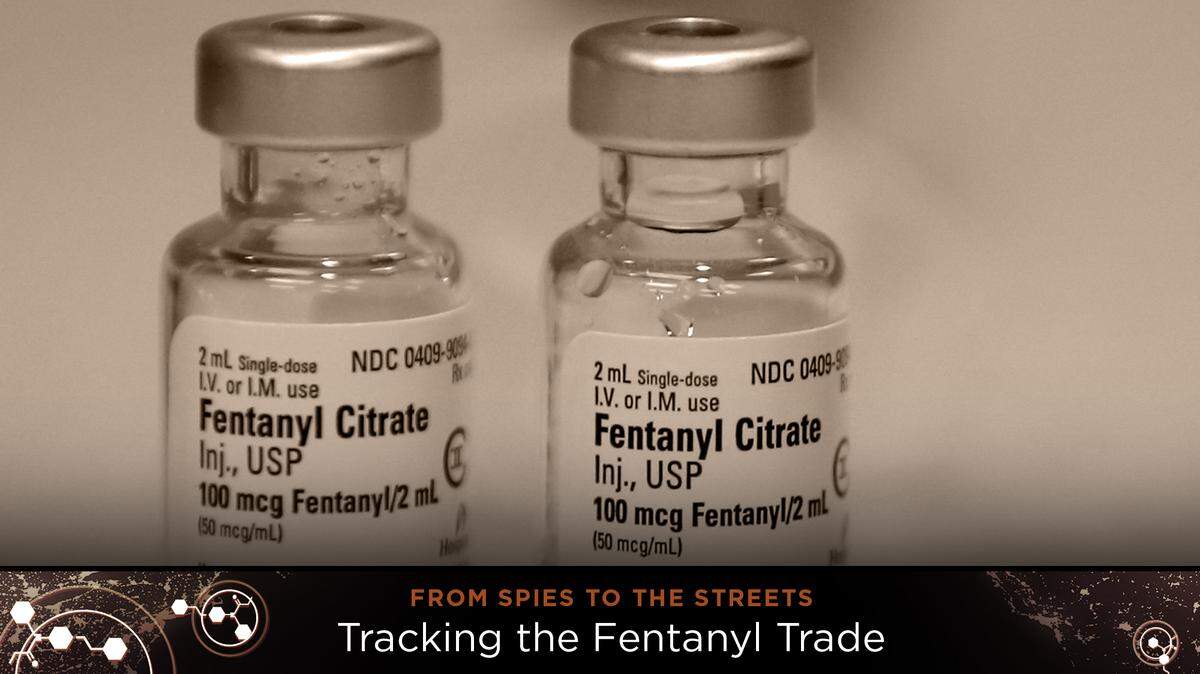
Top intelligence and law enforcement officials say that the program has played a crucial role in disrupting fentanyl trafficking and that, without it, they could face serious setbacks in their effort to crack down on the drug, which is responsible for most overdose deaths in Florida and nationally.
Clare Lattanze, the deputy communications director for Scott’s office, said that the senator “will consider any changes to Section 702 that provide the substantial reforms and accountability that the American people deserve and need for public trust.”
She added that “real discussions about the reauthorization” of the program can’t begin until the Justice Department and FBI reassure lawmakers and the public that agents who abused the program have been disciplined.
“Section 702 is designed and intended to target foreign intelligence information that may be used as a tool to crack down on fentanyl and bust trafficking operations, but it does not justify employees’ abuse of authority for unlawful spying on American citizens,” Lattanza said.
Between 2018 and 2021 – the last full year for which data is available – the number of fentanyl and fentanyl-analogue deaths in Florida more than doubled from 3,755 to 9,218, according to annual reports from the Florida Medical Examiners Commission. That trend largely held up in Miami, where deaths jumped from 294 to 532 in the same three-year period.
In Fort Lauderdale, the increase was even more severe; fentanyl and fentanyl-analogue-related deaths rose from 397 to nearly 1,100 between 2018 to 2021.
For his part, Scott has introduced a bevy of legislation aimed at cracking down on the transport and distribution of fentanyl, including one measure unveiled late last month that would require social media platforms to work more closely with law enforcement officials investigating the sale of fentanyl and other illicit drugs online.
Scott, a former two-term governor who’s running for reelection to his Senate seat next year, hadn’t yet arrived in Washington the last time lawmakers voted to reauthorize Section 702.
U.S. Sen. Marco Rubio, who currently serves as the vice chair of the Senate Intelligence Committee, backed the provision’s reauthorization five years ago and has signaled that he will do so once again this year.
Speaking at a national security and intelligence conference just outside of Washington, D.C. last month, Rubio said that Section 702 was “foundational” for U.S. intelligence gathering and a failure to reauthorize the program would dramatically hinder the government’s intelligence operations at virtually every turn.
“Frankly, if we’re not going to have 702 then we’re going to be able to save a lot of money on the intelligence budget next year because so much of what we do and are able to do on every level, from analysis and more – this is foundational to it,” Rubio said.