
Hieroglyphs found in jungle of Mexico reveal previously unknown Mayan ruler
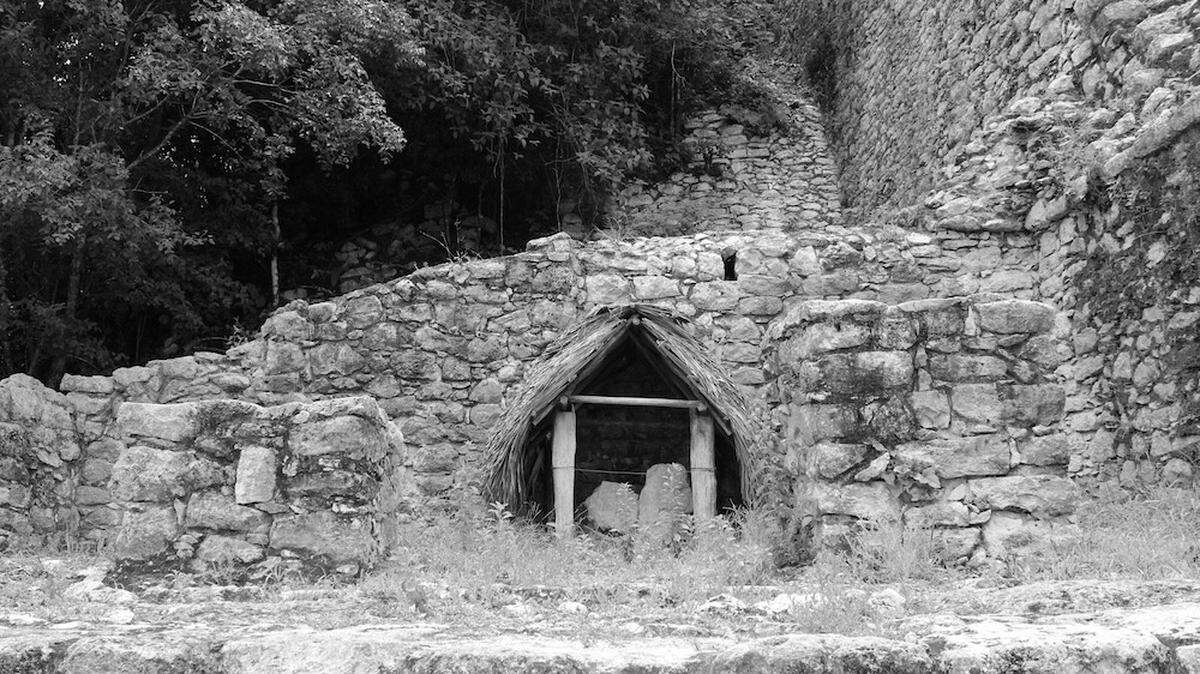
Ancient hieroglyphics discovered in Mexico have revealed the identity of a long-forgotten Mayan ruler.
The inscription — chiseled into a large stone — was unearthed last year in the jungle of the Yucatan Peninsula, according to an Oct. 20 news release from the National Institute of Anthropology and History (INAH).
It was found among the ruins of Cobá, a Mayan city distinguished by its limestone causeways and its dominance during the Late Classic Period, which spanned 600 to 900 A.D.
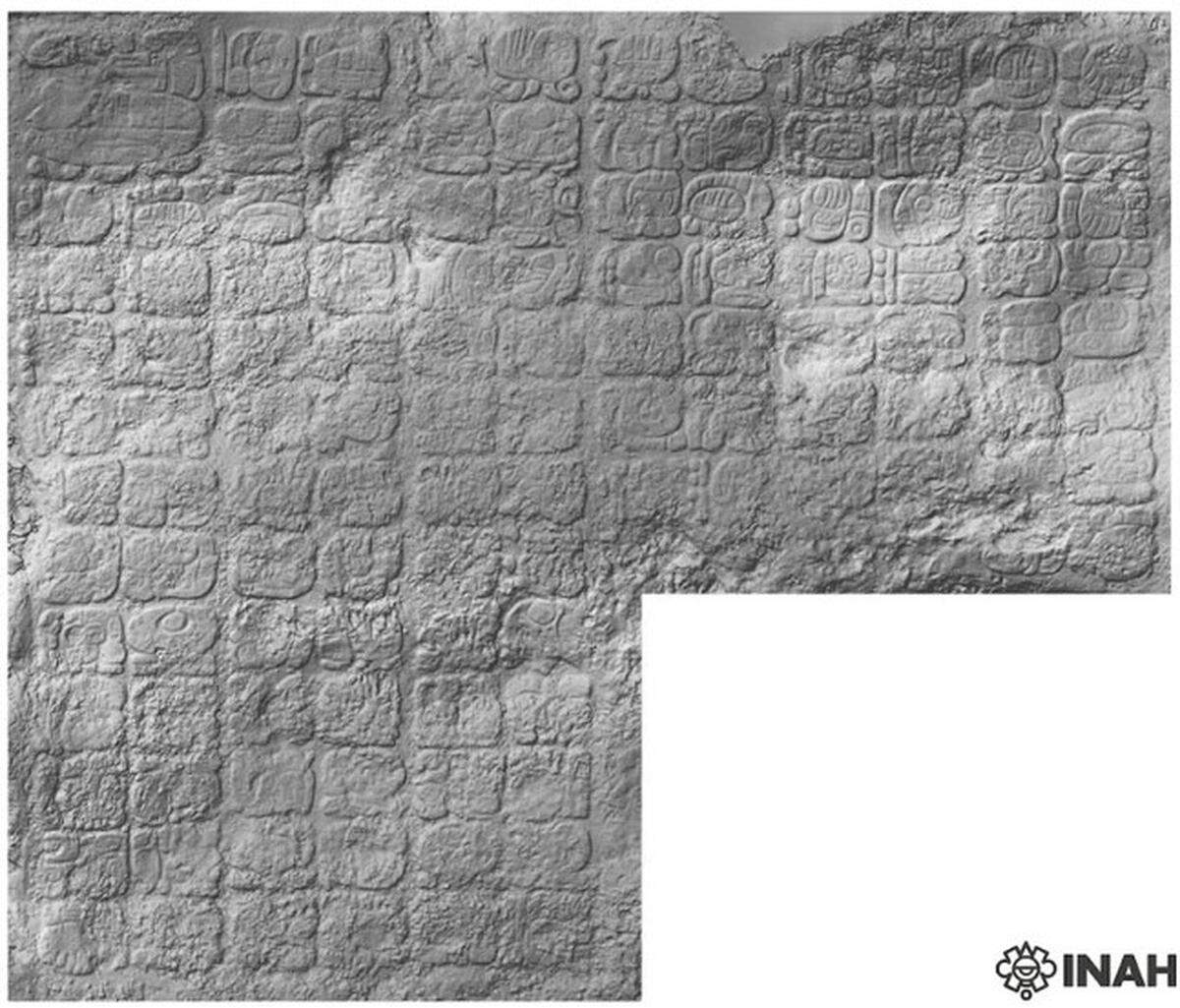
Discovered near a waterhole, the grid-like hieroglyphs were heavily eroded, complicating efforts to translate them.
But now, experts at the National Autonomous University of Mexico and the University of Texas at Austin have cracked at least part of the code.
They determined that several panels reference a previously unknown female ruler known as Ix Ch’ak Ch’een. She reigned during the sixth century A.D., roughly 1,400 years ago.
Experts were able to link her to a specific date: May 12, 569, the year construction began on a nearby monument. She was further associated with the erection of a ball court in 573 A.D.
The inscription also refers to the female ruler’s enthronement, though the date this transpired is unknown.
Ix Ch’ak Ch’een may have wielded significant power, as the inscriptions connect her to Testigo Cielo, a key figure in the Kaanuˀl dynasty, known for its dominance during this Mayan period.
Investigations into the inscription are ongoing, and more information is expected to be revealed in the future, officials said.
Google Translate was used to translate the news release from INAH.
This story was originally published October 27, 2025 at 11:58 AM.