Ancient poop from Cave of Dead Children in Mexico is ‘biological time capsule’
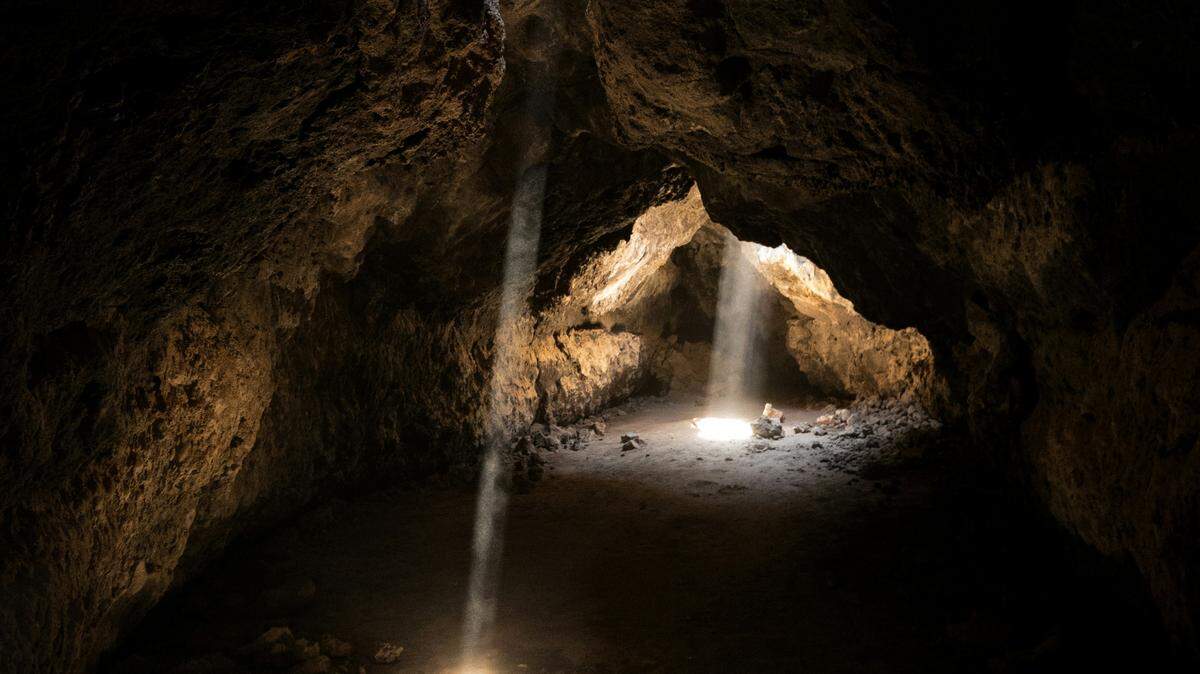
In the late 1950s, archaeologists discovered a cave in the Rio Zape Valley of Mexico.
There were ancient human remains in the cave dated to between 660 and 1430 A.D., many of which belonged to children and infants.
Later research discovered that the children had bone markers and ritualized burial treatment suggesting they had been sacrificed, and the site became known as La Cueva de los Muertos Chiquitos, or the Cave of the Dead Children.
Now, the cave is once again the subject of ancient research, but not because of the bones left behind. Instead, researchers are studying poop.
“Ancient feces are a valuable source of information on the intestinal parasites of past populations. Microbial DNA is known to survive in stool samples, but analysis of ancient feces has historically been limited by the degradation of DNA over time,” according to an Oct. 22 news release from the peer-reviewed journal PLOS.
Human poop was found in a 30-inch-deep midden inside the Cave of the Dead Children, according to a study published Oct. 22 in the journal.
A total of 49 samples were collected during a previous study, but this time 10 of these samples were randomly selected for a more in-depth analysis, according to the study.
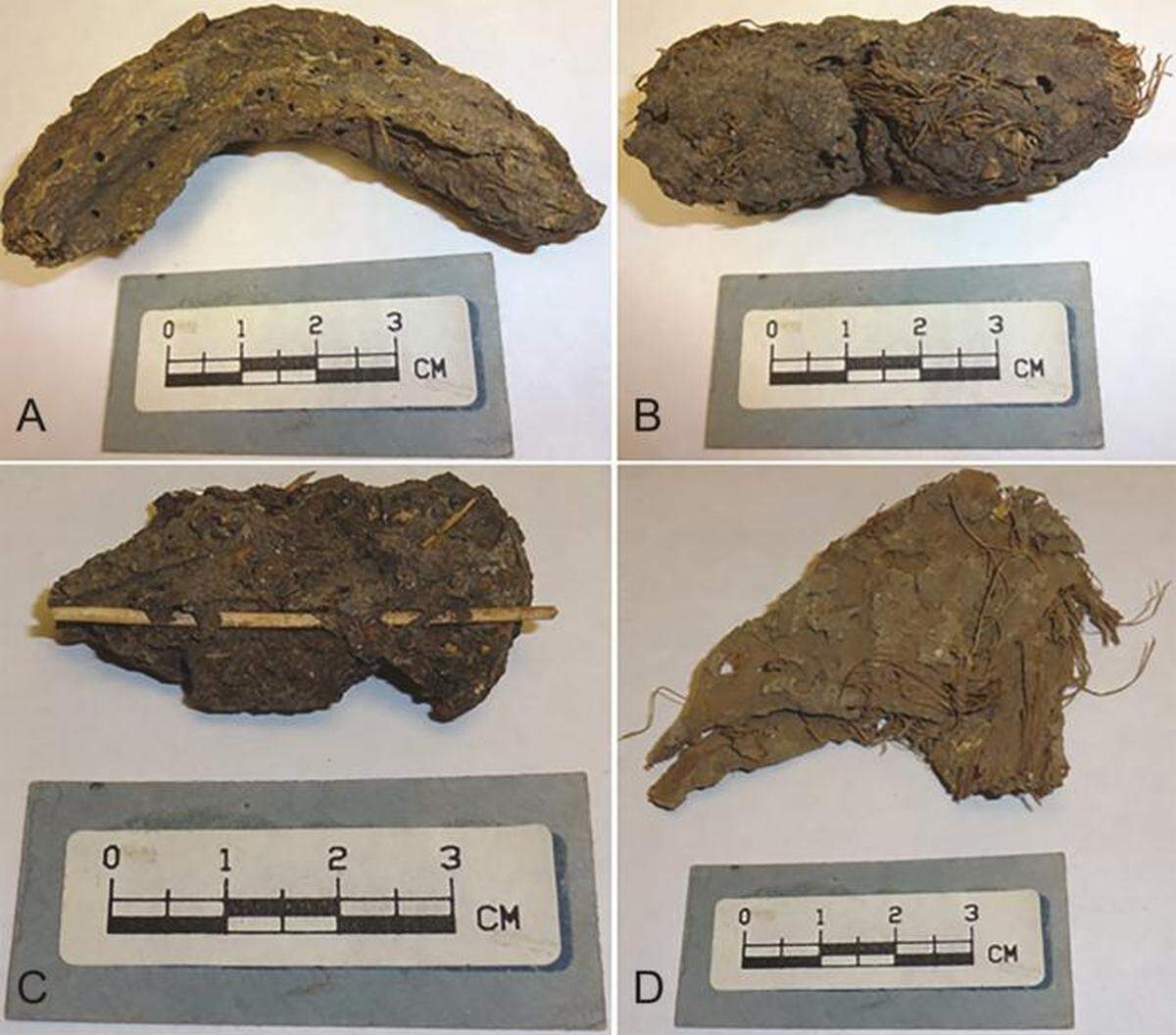
Materials like agave, cactus, squash, ground cherry, maize, sunflower, pigweed and goosefeet were identified within the feces, researchers said.
“Working with these ancient samples was like opening a biological time capsule, with each one revealing insight into human health and daily life from over a thousand years ago,” study author Drew Capone said in the release.
The team also found pathogens.
“We detected diverse enteric (intestinal) pathogens in 1,100-1,300 year-old paleofeces from Mexico,” according to the study.
There was a 60% prevalence of pinworm, higher than previously believed, as well as measurable amounts of Giardia spp., Entamoeba spp., Blastocystis spp., E. Coli and Shigella spp. — various parasitic infections that impact the digestive tract and cause gastrointestinal symptoms.
“If some or all these feces are from humans, then this study suggests poor sanitation among the Loma San Gabriel culture from 600-800 A.D resulted in exposures to fecal wastes in the environment,” according to the study. “Human and animal feces may contain enteric pathogens, which are transmitted via drinking water, soils, food, flies and fomites (objects like clothes or utensils). Some pathogens we detected are zoonotic, meaning that they can be shed by animals as well as humans.”
Some of the pathogens had never been detected before in feces this old, suggesting advances in technology will allow researchers to get a more clear look at the diet and health of ancient people in the future.
“There is a lot of potential in the application of modern molecular methods to inform studies of the past. Highly sensitive and specific targeted assays can complement sequencing approaches when specific targets are of interest. We look forward to continuing this collaborative work to better understand the presence and movement of pathogens in ancient samples,” study author Joe Brown said in the release.
The Cave of the Dead Children is in Durango, in west-central Mexico.
The research team includes Capone, Brown, David Holcomb, Amanda Lai, Tim Meade and Karl Reinhard.