Endangered creature from Australian sanctuary welcomes grandkids. See the babies
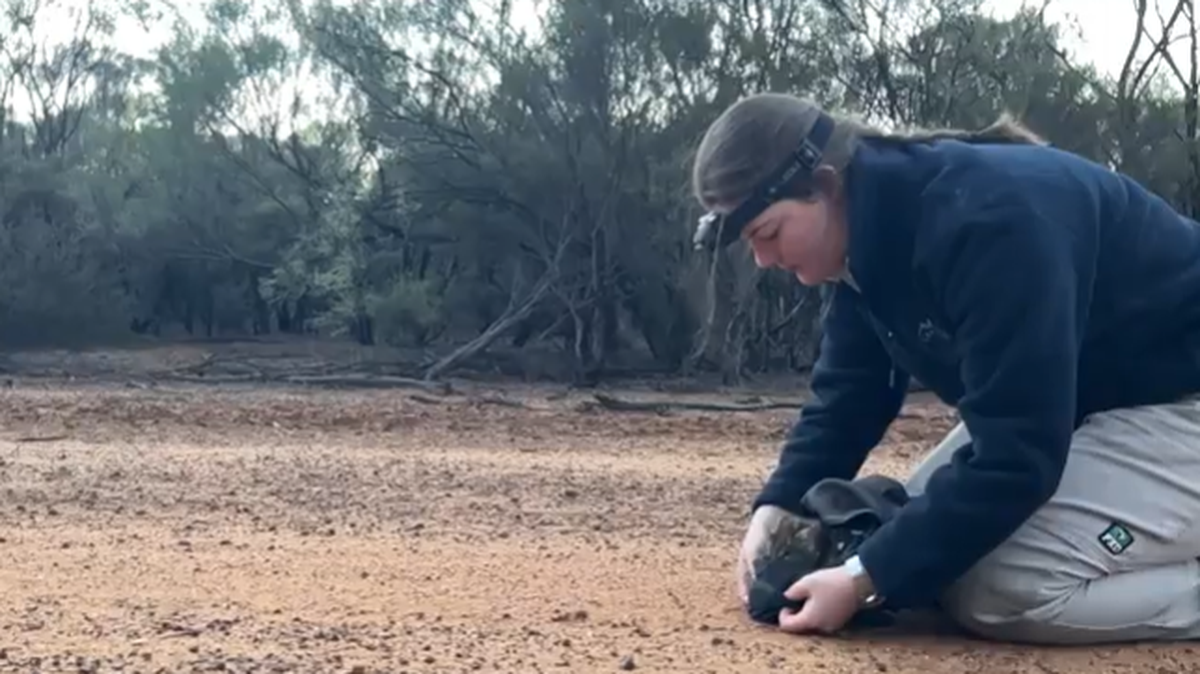
In the arid landscape of Western Australia, a carnivorous marsupial once roamed. The animals, covered in red-brown fur and white spots, used to live throughout most of the country, but when Europeans settled the land and brought predators with them, the population dropped to dangerous levels.
The Western quoll became an endangered species, and before long, the animals were staring at the possibility of extinction.
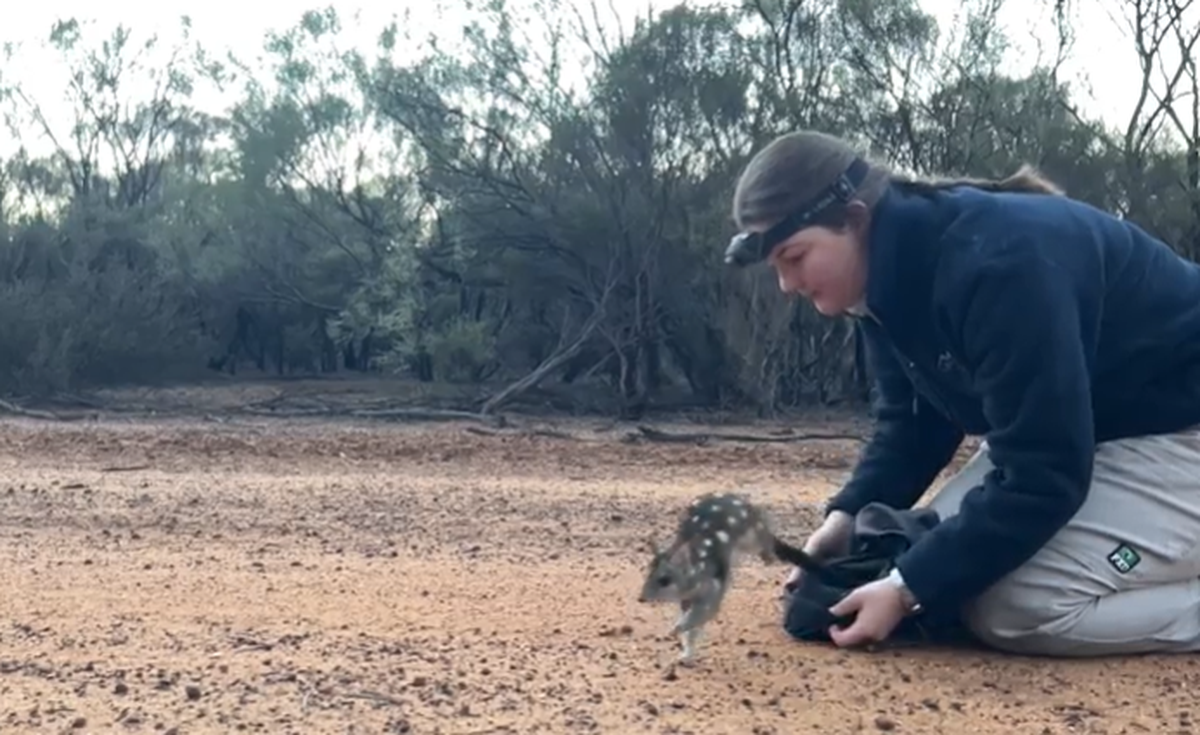
Then a few years ago, thanks to feral predator control and breeding programs, Western quolls were reintroduced to the wild in the Mount Gibson Wildlife Sanctuary in the wheatbelt of Western Australia.
Now, those reintroduced quolls are not only reproducing but are also becoming grandparents.
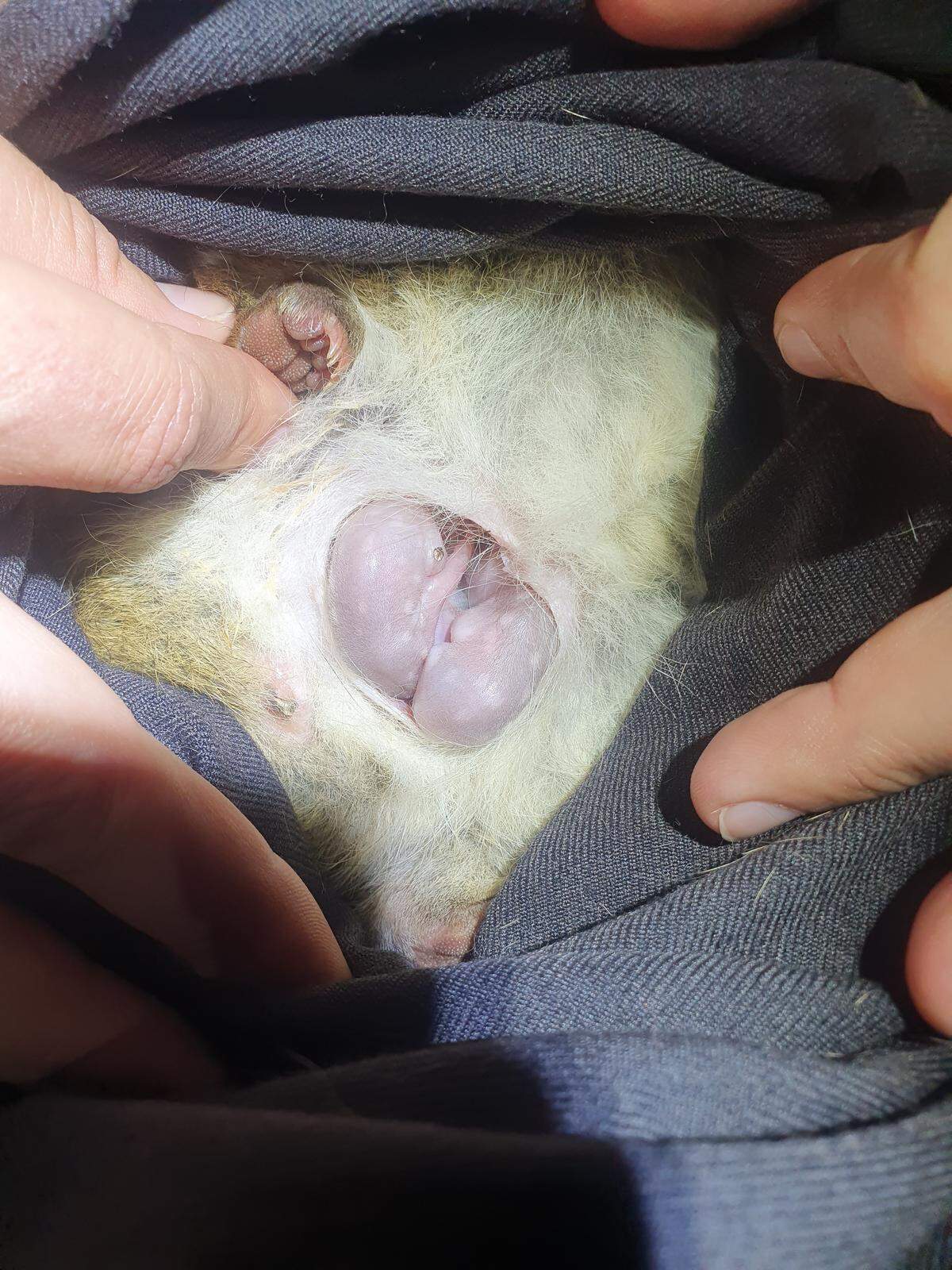
A litter of four Western quolls, or Chuditch, was found in the pouch of mother Honey Jumble, who was part of the first generation of quolls born in the wild in the sanctuary, according to an Oct. 21 news release from the Australian Wildlife Conservancy.
“Mt. Gibson-born Chuditch are having babies, and the original Chuditch released at the sanctuary are now grandparents. We’re stoked,” Louis O’Neill, a wildlife ecologist and lead on the survey team, said in the release. “Juveniles from the first generation are regularly being detected, meeting one of our criteria for success, giving us hope that the reintroduction is going well and the population is establishing.”
These four babies are now the first confirmed young from the second generation, according to the conservancy.
The babies don’t look like more than fleshy beans, but as they grow and mature, they will take on their parents’ identifiable fluffy spots.
Honey Jumble, the mother, was one of 83 recorded births from the first generation and was one of the first Western quolls born in the sanctuary in over a century after they were first let loose in 2023 and 2024, the conservancy said.
Chuditch were one of 10 species to be reintroduced in the sanctuary, the conservancy said, but they were the only species to be introduced outside a specific predator-free area.
“This discovery also supports our ‘beyond the fence’ strategy, where we are researching the circumstances and levels of feral predator suppression required for species to persist in the landscape,” O’Neill said .
Researchers have a tracking system that records each quoll’s unique spot pattern and can follow them as they disperse throughout the sanctuary and beyond, the conservancy said.
A few have been spotted in neighboring reserves, while one individual was found more than 30 miles from where it was released in less than two weeks, according to the release.
“Since they were reintroduced, the Chuditch have done really well at Mt. Gibson,” O’Neill said . “Survival rate is great, and we’ve had at least 24 Mt. Gibson-born individuals that are now living independently. We see them regularly across the sanctuary but also tracked some individuals as they dispersed beyond our boundaries, expanding the reach of this reintroduction effort.”
Mt. Gibson Wildlife Sanctuary includes about 325,000 acres of protected land and is home to 12 threatened animal species and eight species of threatened plants.
Quolls are marsupials, meaning they have a live birth of their young and then keep them in a fleshy pouch on the mother until they are ready to live on their own. Other well-known marsupials include kangaroos and koalas.
Babies are typically born between May and September and spend the first six months of their lives inside the pouch, the Australian Wildlife Conservancy says.
Western quolls are about 18 inches long with an additional foot-long tail, and they spend their nights hunting for something to eat, according to the conservancy. The nocturnal animals feed on reptiles, birds and other small mammals.
Mt. Gibson Wildlife Sanctuary is in southwestern Western Australia.