Hilltop ruins turn out to be 1,200-year-old city with ballcourt in Mexico. See it
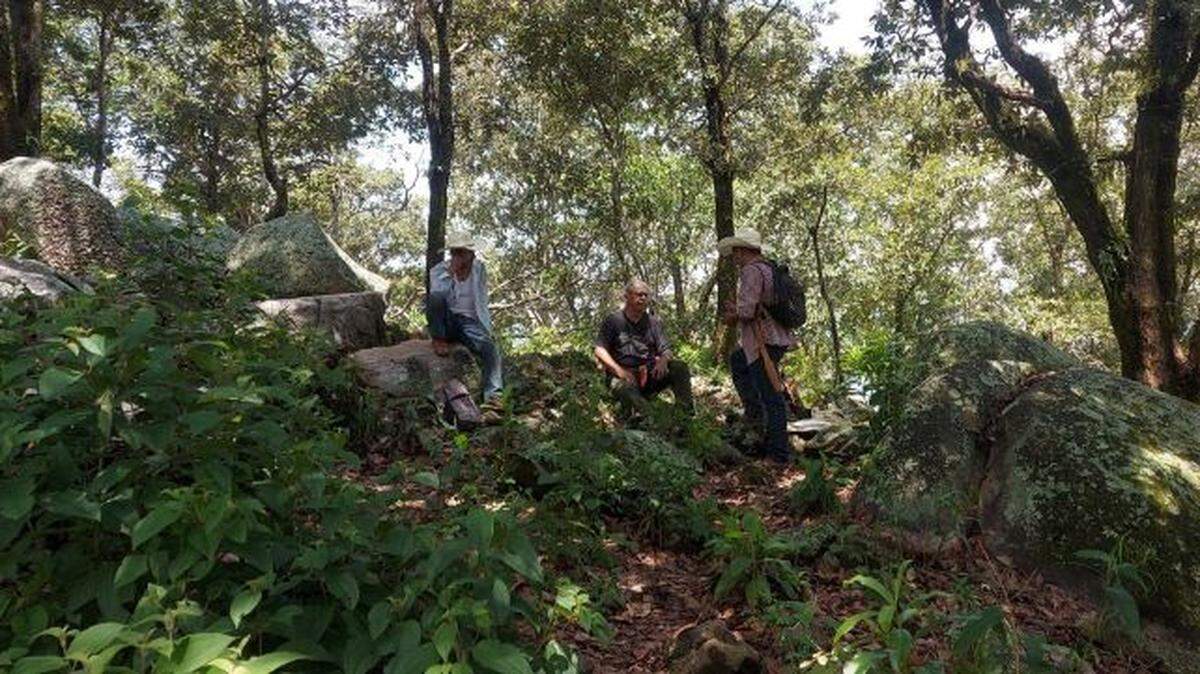
Locals called it the “Corral de Piedra” or the “Ciudad Antigua,” the set of abandoned structures dotting a hillside in Guerrero, Mexico. The ruins were overgrown, yes, though not exactly hidden. Even still, the site didn’t attract much attention from archaeologists — until now.
A team of archaeologists decided to survey the hills around El Carmen, a small community in the southern state of Guerrero, as part of an ongoing project focused on historic sites linked to the Amuzga people, one of Mexico’s indigenous groups, Mexico’s National Institute of Anthropology and History said in an Oct. 15 news release.
Community members joined archaeologists and showed them the nearby ruins which started at the base of the hills and stretched to its peak, officials said.
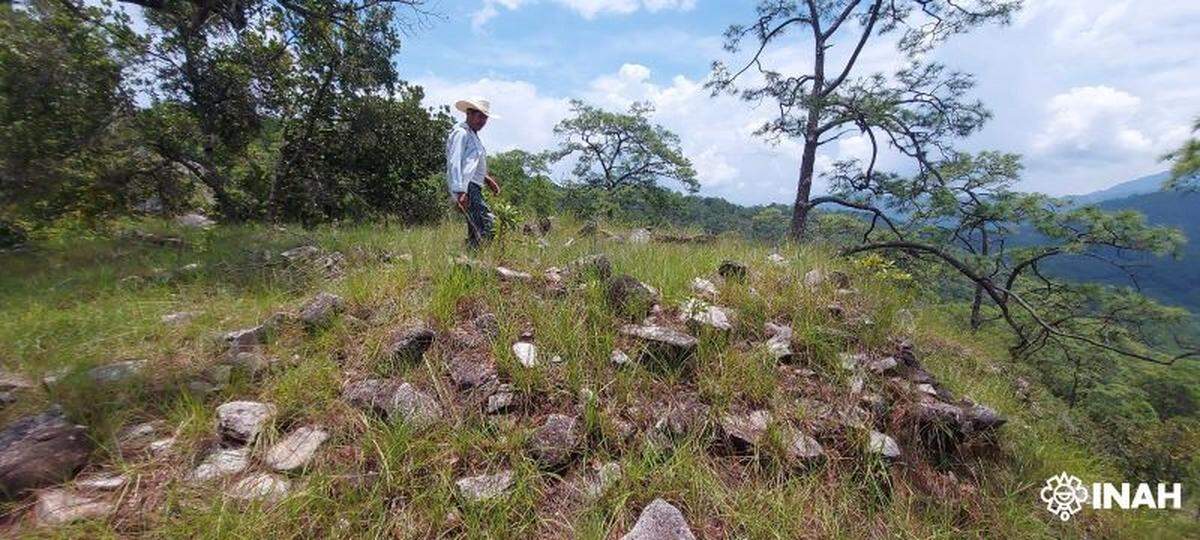
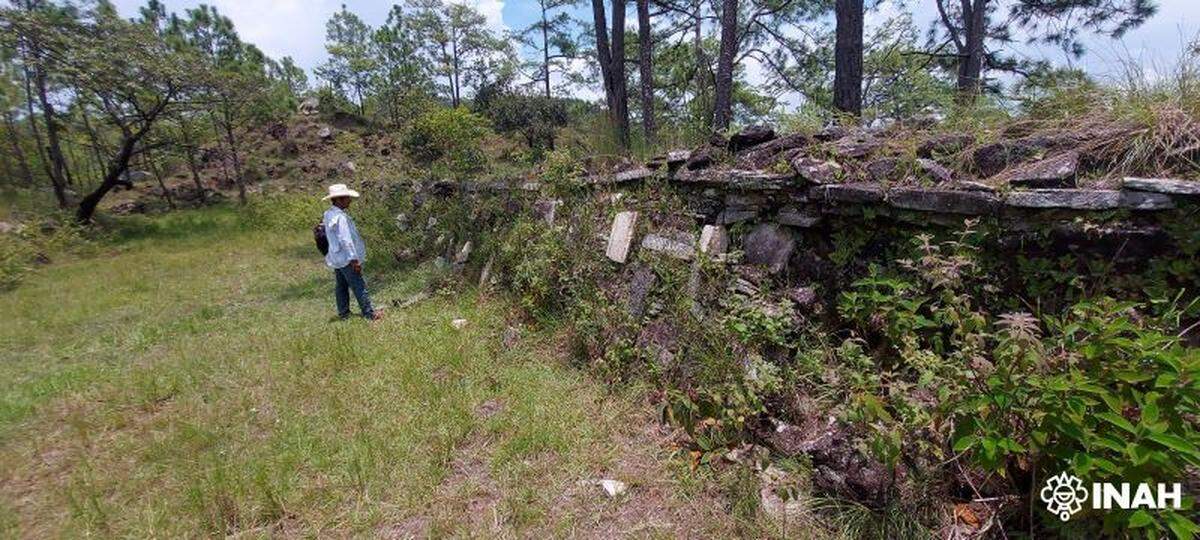
Archaeologists identified the site as a well-preserved 1,200-year-old city and nicknamed it Paso Temprano.
Overall, the ruins of Paso Temprano span about a mile, officials said. The simpler residential structures sit at lower elevations and, following a steep ascent, the most elaborate structures sit on the hilltop.
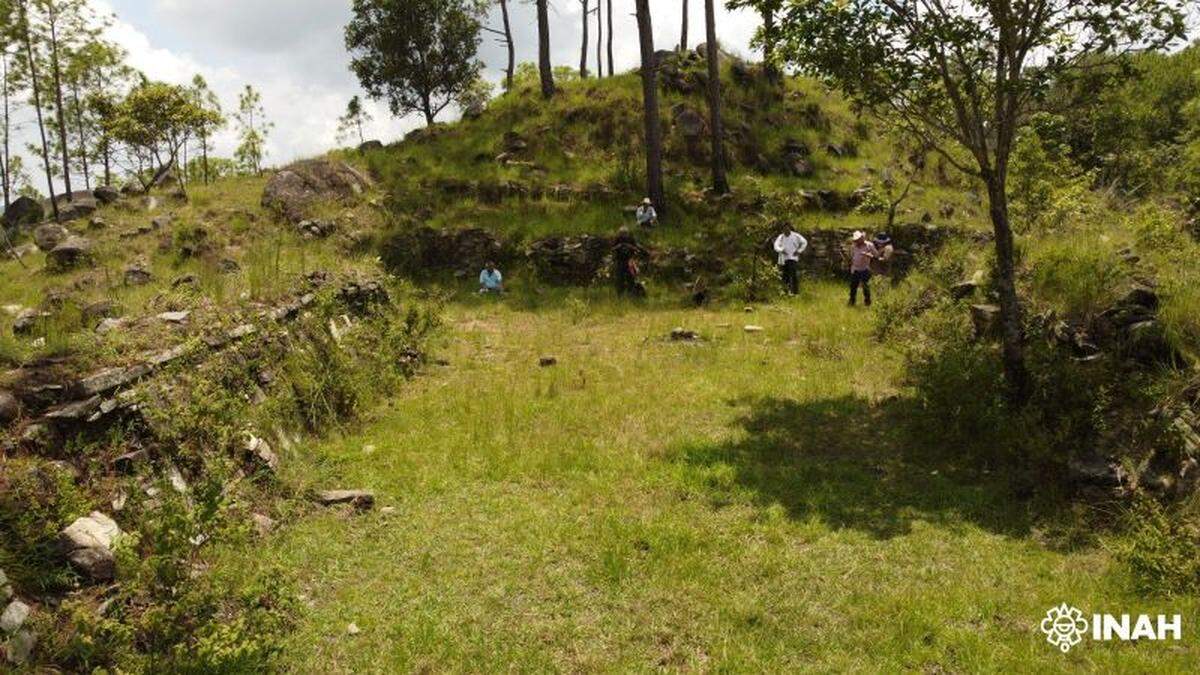
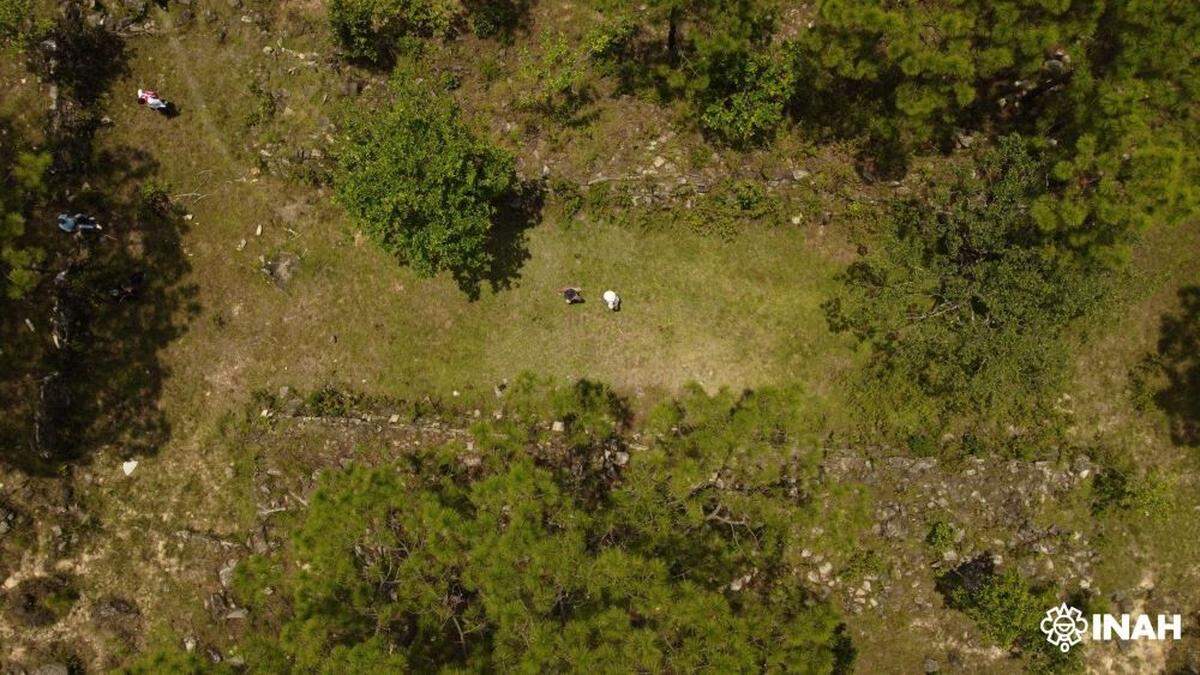
Archaeologists described one structure as a Mesoamerican ballcourt, shaped like the letter “I” and measuring about 160 feet long by 26 feet wide. The ballcourt had stone walls along the ends and was probably part of the city’s ceremonial district.
Also on the hilltop, archaeologists identified a palace-like structure and extensive defensive structures, including walls and checkpoints at strategic locations, officials said.
Questions linger over the Paso Temprano site. Which ancient community built the settlement? Why did they feel a need to protect themselves? And why was the site eventually abandoned?
Miguel Pérez Negrete, an archaeologist with the institute, said that studying Paso Temprano might reveal a new local culture from the Epiclassic period, an era which lasted from 650 to 950.
El Carmen is in Guerrero state and a roughly 380-mile drive southeast from Mexico City.
Google Translate was used to translate the news release from Mexico’s National Institute of Anthropology and History (INAH).