Missouri archaeologists unearth ‘massive’ 2,200-year-old ruins in Italy. See it
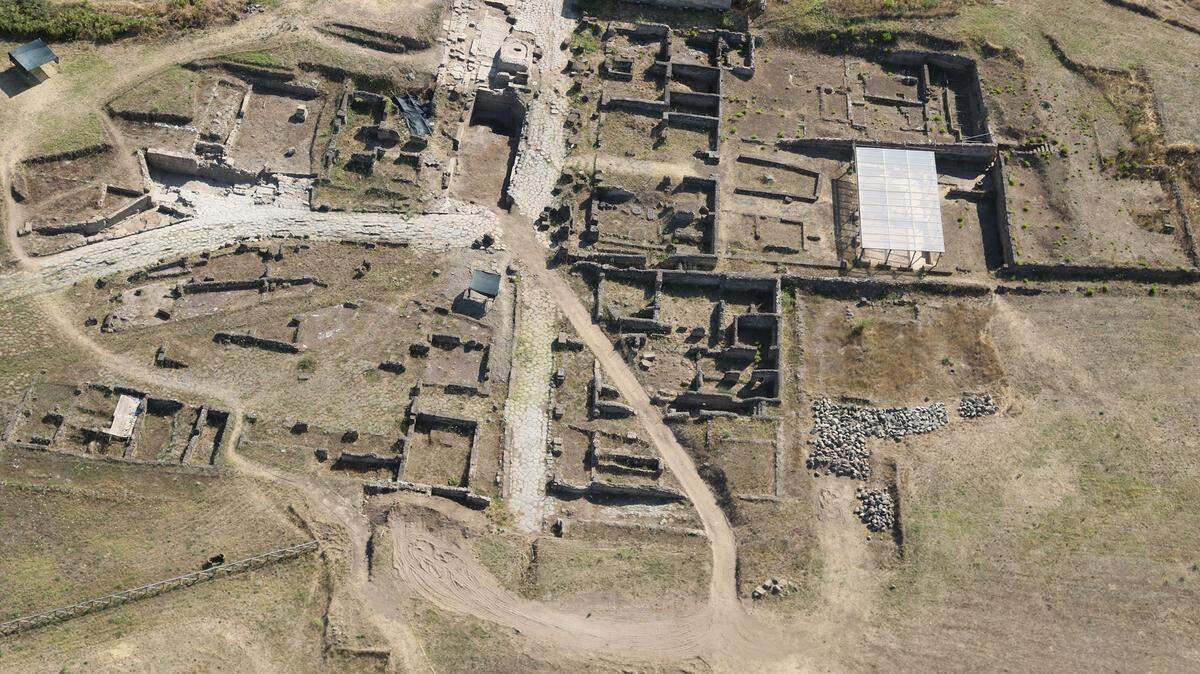
On the outskirts of Rome, Italy, a team of archaeologists led by a Missouri professor painstakingly uncovered a “massive” set of ancient Roman ruins. The structure turned out to be a 2,200-year-old basin — and offered a “rare” glimpse into the past.
A mixed team of American and international archaeologists recently excavated a structure near the center of an ancient Roman town within the Archaeological Area of Gabii, the University of Missouri said in an Oct. 16 news release.
The rectangular sloping ruins turned out to be a “remarkable discovery:” an ancient Roman water basin dating back to 250 B.C., the university said.
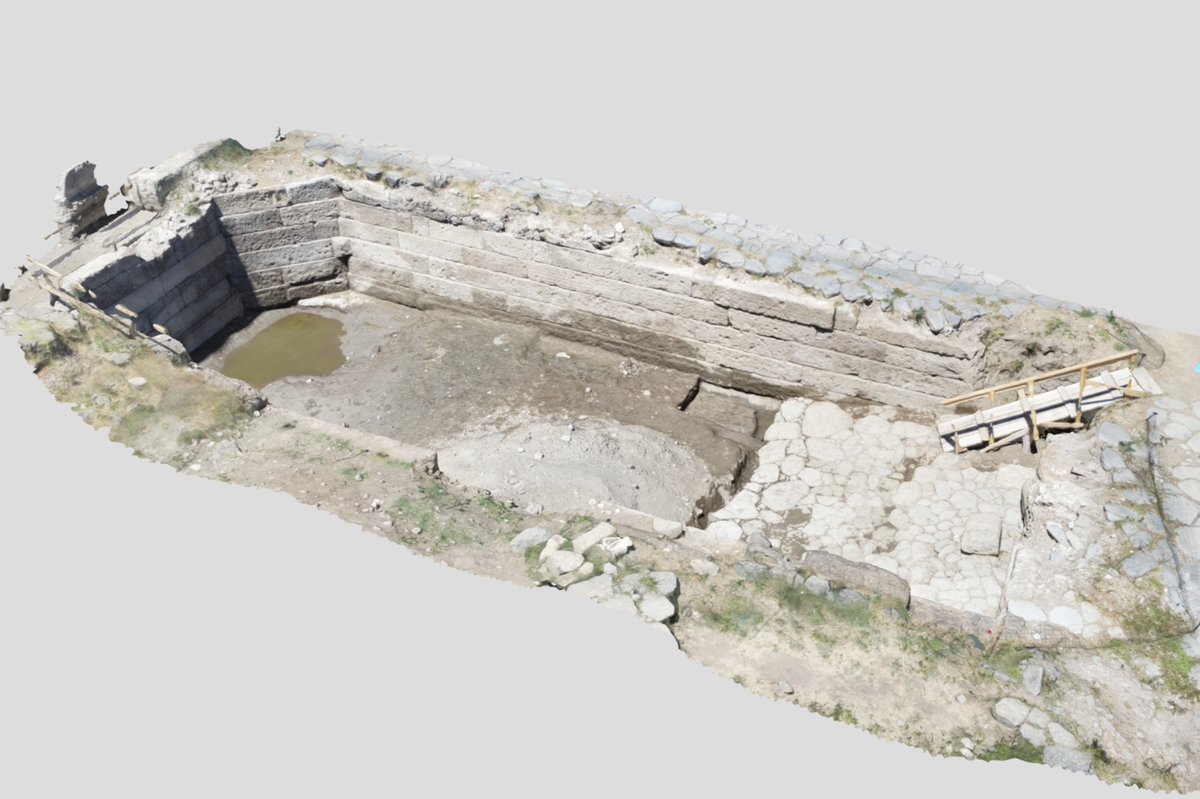
Photos show the “massive stone-lined basin, partly carved directly into the bedrock.” On one end, the structure has large terrace-like steps descending into the earth. The other three walls are made of solid stone blocks. Overall, it appears relatively well-preserved.
“This discovery gives us a rare look at how the early Romans experimented with city planning,” Marcello Mogetta, an archaeology professor with the university and the excavation team leader, said in the release.
“Its location — at the center of the city near the main crossroads — suggests it may have been a monumental pool that was part of the city’s forum, or the heart of public life in Roman towns,” Mogetta said.
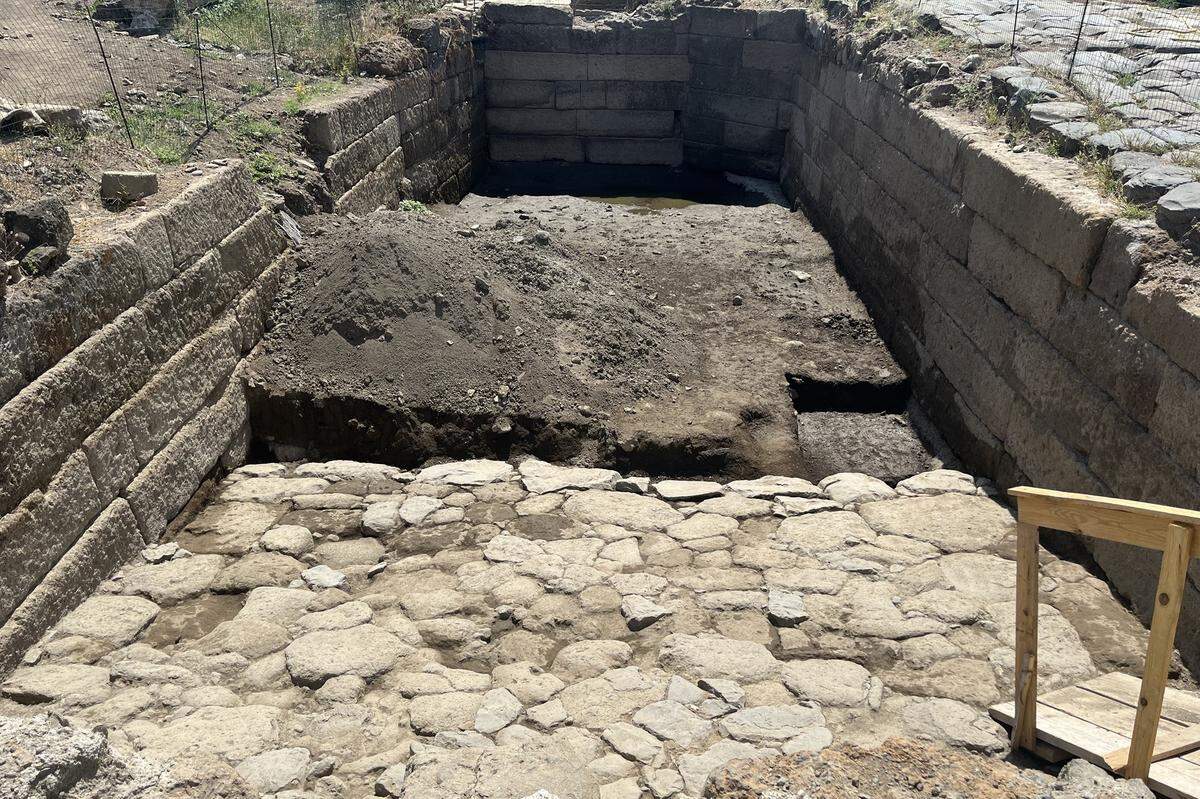
The 2,200-year-old water basin “may be one of the earliest examples of Roman monumental architecture other than temples and city walls,” the university said. It was used for about 300 years before being abandoned around 50 A.D.
Excavations also uncovered “intact vessels, lamps, perfume containers and cups inscribed with unusual markings” left in the water basin around the time of its abandonment, Mogetta said. “Some of these objects may have been deliberately placed there as religious offerings or discarded in connection with the ritual closing of the pool.”
Archaeologists plan to continue analyzing these artifacts and excavating the area around the ancient basin.
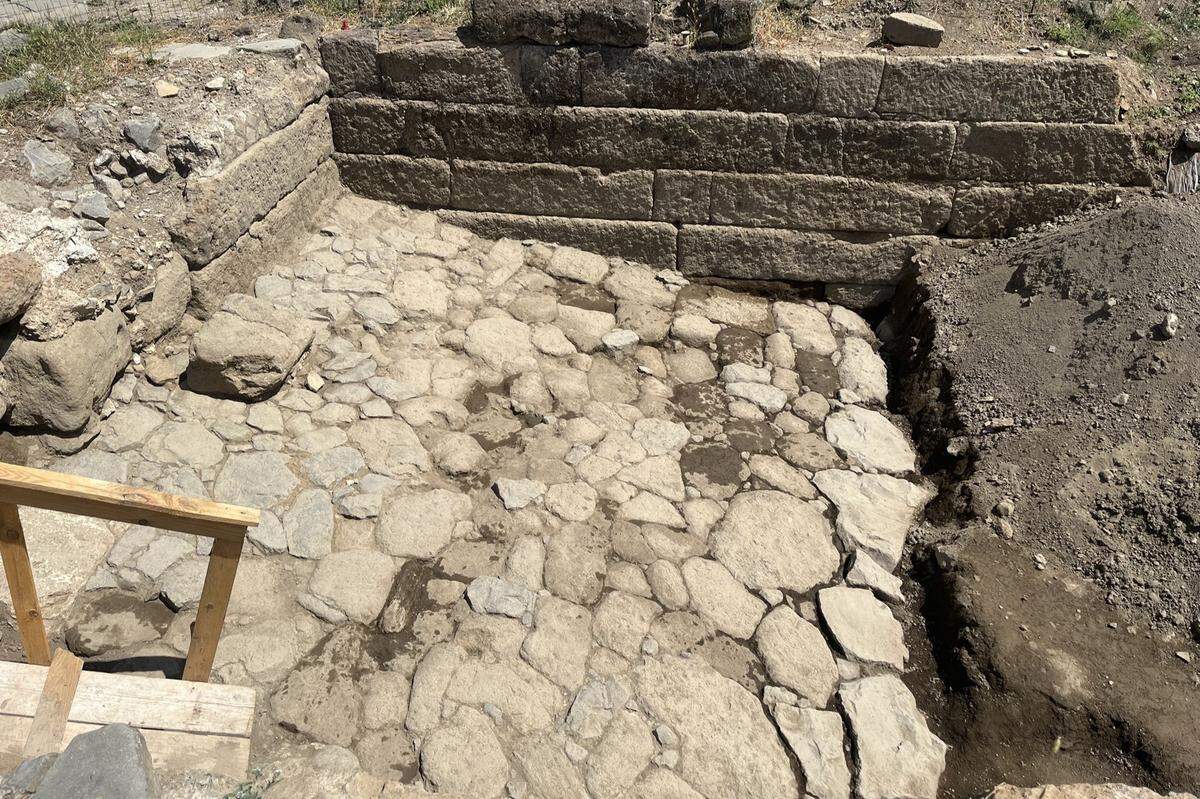
“While Rome’s earliest layers were buried beneath centuries of later construction, Gabii — a once-powerful neighbor and rival of Rome, first settled in the Early Iron Age — was largely abandoned by 50 B.C. and later reoccupied on a much smaller scale,” Mogetta said in the release. “Because of this, Gabii’s original streets and building foundations are unusually well preserved, offering a rare glimpse into early Roman life.”
The Archaeological Area of Gabii is on the outskirts of Rome, Italy, and a roughly 16-mile drive east of the city center.
This story was originally published October 17, 2025 at 12:59 PM with the headline "Missouri archaeologists unearth ‘massive’ 2,200-year-old ruins in Italy. See it."