4,500-year-old gold and jade — from ancient Troy — discovered in Turkey. See them
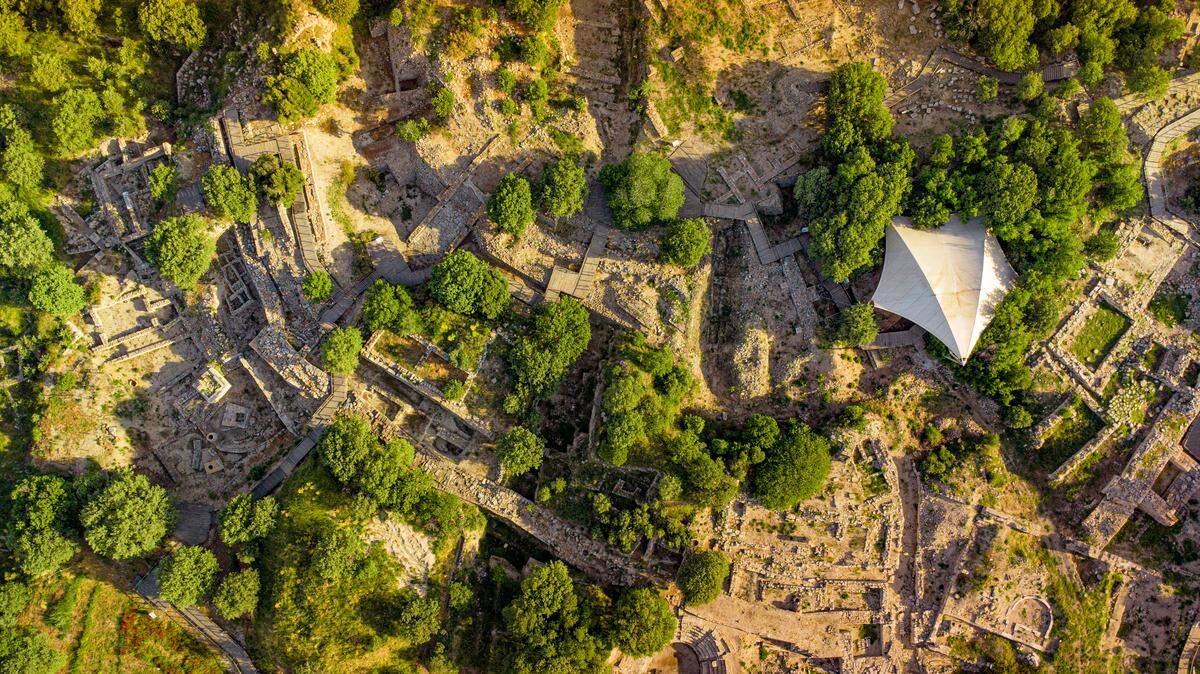
For the better part of two centuries, archaeologists have been uncovering the secrets of ancient Troy.
On the northwestern coast of modern-day Turkey, the city at the heart of Homer’s Iliad and the Trojan War was somewhere between myth and history until ruins were discovered in Hisarlık in the late 1800s, according to Britannica.
Now, researchers from around the world come to the site to piece together fact from fiction dating to the first age of Troy around 3,000 B.C.
There are nine “layers” of Troy, researchers have found, and during recent excavations on the layer between Troy I and Troy II, a few delicate pieces were discovered, Turkey’s Minister of Culture and Tourism Mehmet Ersoy announced in a Sept. 27 Facebook post.
This layer dates to about 4,500 years ago, Ersoy said, or to the Early Bronze Age.
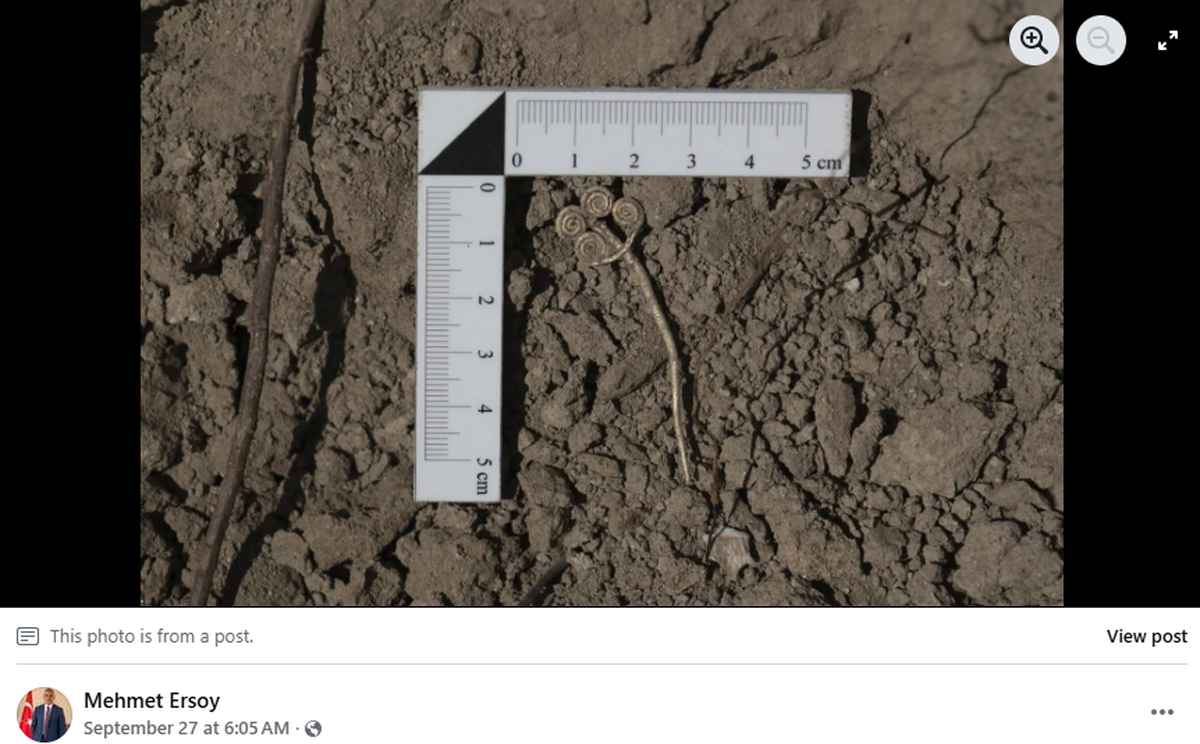
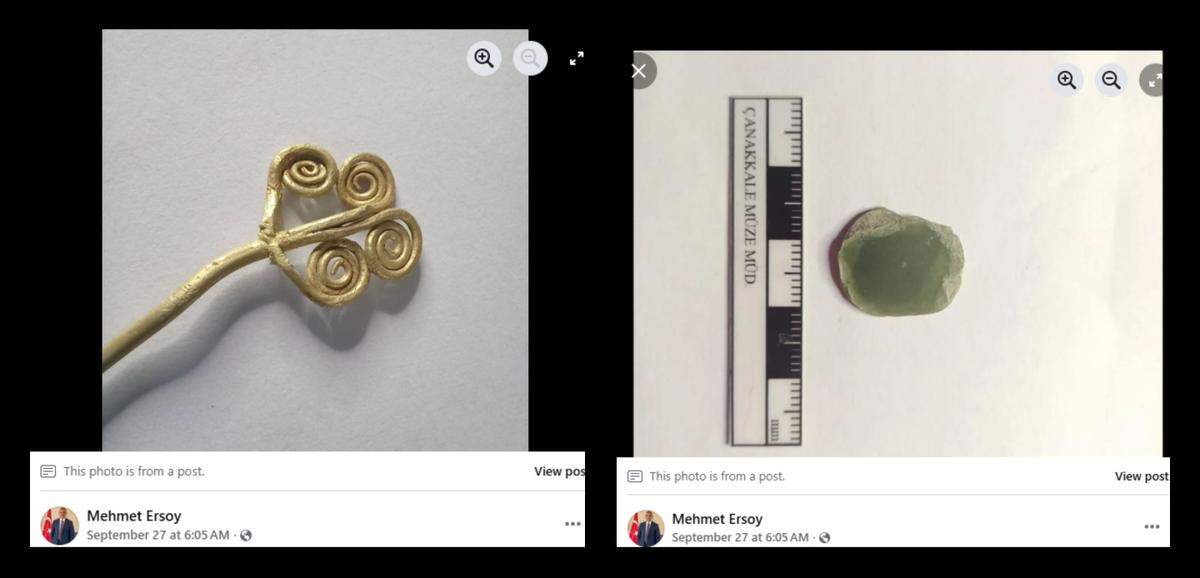
Most notably, archaeologists uncovered a gold brooch and piece of jade that Ersoy said were some of the most important findings from the past century of research.
The brooch is one of only three known similar pieces in the world, Ersoy said.
The jade is also extremely fragile, making it even more surprising that it was preserved for so many centuries, according to the post.
Jade and gold were considered luxury items at the time, Ersoy said, and the pieces will be placed in the Troy Museum.
The excavations are part of Turkey’s “Heritage for the future” initiative, which includes exploring Turkey’s ancient history as well as repatriating artifacts to Turkey that had been taken in previous years.
In the beginning ages of Troy, the city served as the capital of Troad and was the residence of the king and his various family, officials and staff, according to Britannica.
The rest of the population lived as farmers outside the city, taking refuge inside a city citadel only in times of conflict.
The city grew over the centuries, eventually becoming home to settlers and horse-raisers, before being struck by a devastating earthquake just after 1300 B.C., according to Britannica.
The “Troy” likely described by Homer was actually Troy VIIa, later destroyed by the Greeks of Agamemnon, in what was later called the Trojan War in Greek literature.
Facebook Translate was used to translate the Facebook post from Mehmet Ersoy.