‘Velvety’ pregnant creature caught in underground trap. It’s a new species
On a mountain in northern Vietnam, a “velvety” pregnant creature dug through the soil with its “chisel-shaped” claws. Suddenly something shifted around it, confining it.
Scientists later checked the trap and found the “plush” mammal. It turned out to be a new species.
A team of researchers decided they wanted to survey underground-dwelling mammals in Pu Luong Nature Reserve, “one of the key protected areas within the Indo–Burma Biodiversity Hotspot,” in hopes of better documenting these “historically under-sampled” animals, according to a study published Oct. 10 in the peer-reviewed journal ZooKeys.
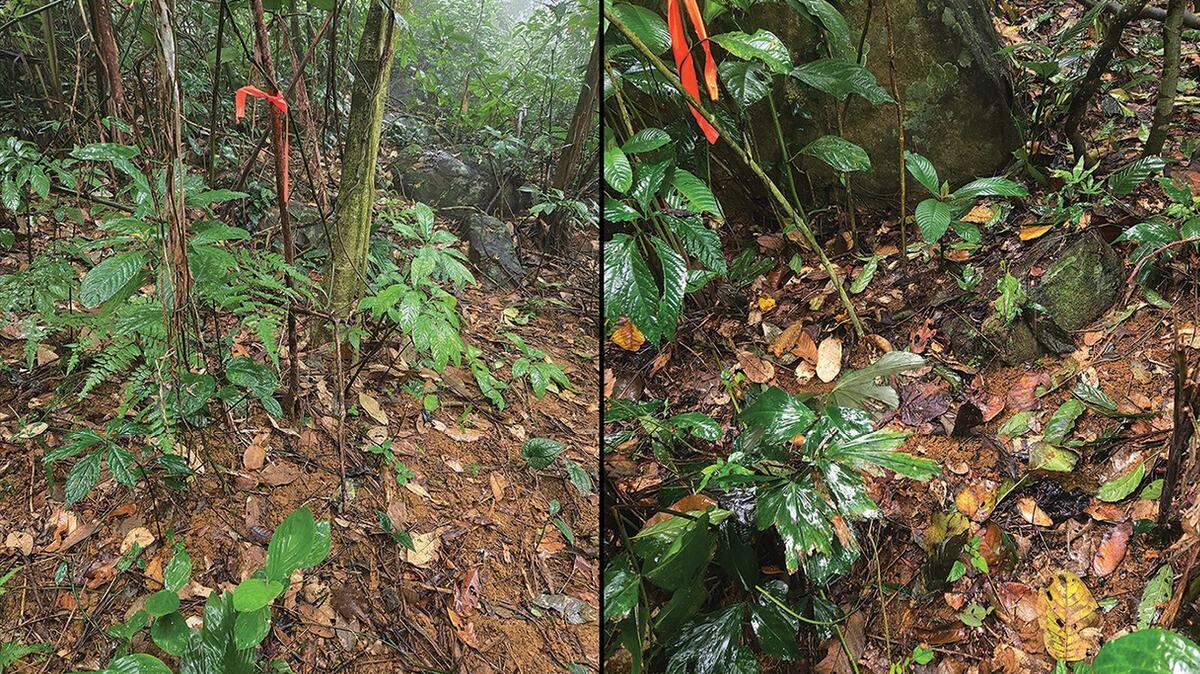
To do this, researchers used a series of “cylindrical plastic” tubes each with a “spring-loaded mechanism” to function as “tunnel traps,” the study said. They buried these traps “along the trail to the summit of Pu Luong Mountain” in areas with signs of animal activity and left them to be checked in the morning.
Researchers spent two weeks in 2024 and 2025 conducting these trap surveys and caught five unfamiliar-looking moles, the study said. Intrigued, they scrutinized the animals, analyzed their DNA and realized they’d discovered a new species: Euroscaptor darwini, or Darwin’s mole.
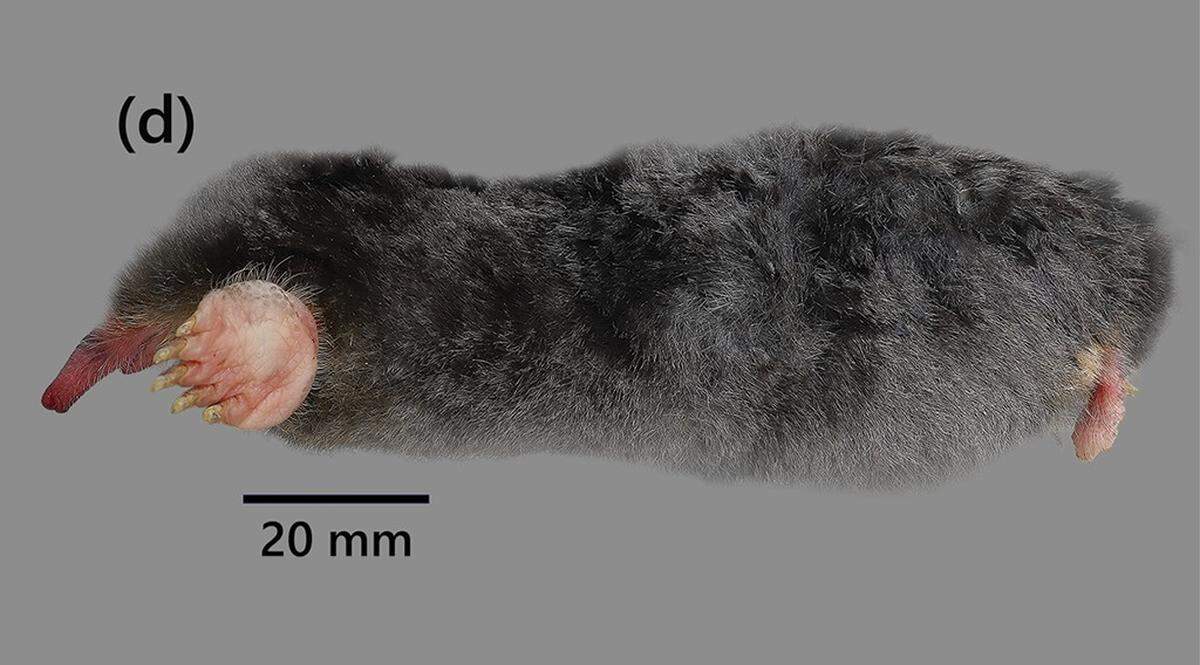
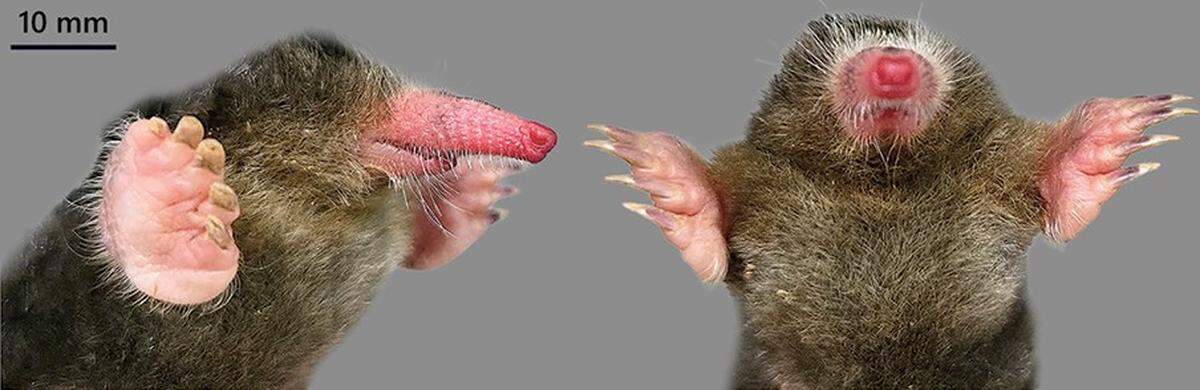
Darwin’s moles are considered “small”-sized, reaching about 5 inches in length, the study said. They have “muscular” and “stream-lined” bodies with a “conical” or cone-shaped head, “thick neck” and “extremely short” tails. Their eyes are “not externally visible” but buried “beneath the skin.”
Like other moles, the new species has specialized arms and hands for digging. Researchers described it as having “chisel-shaped claws.”
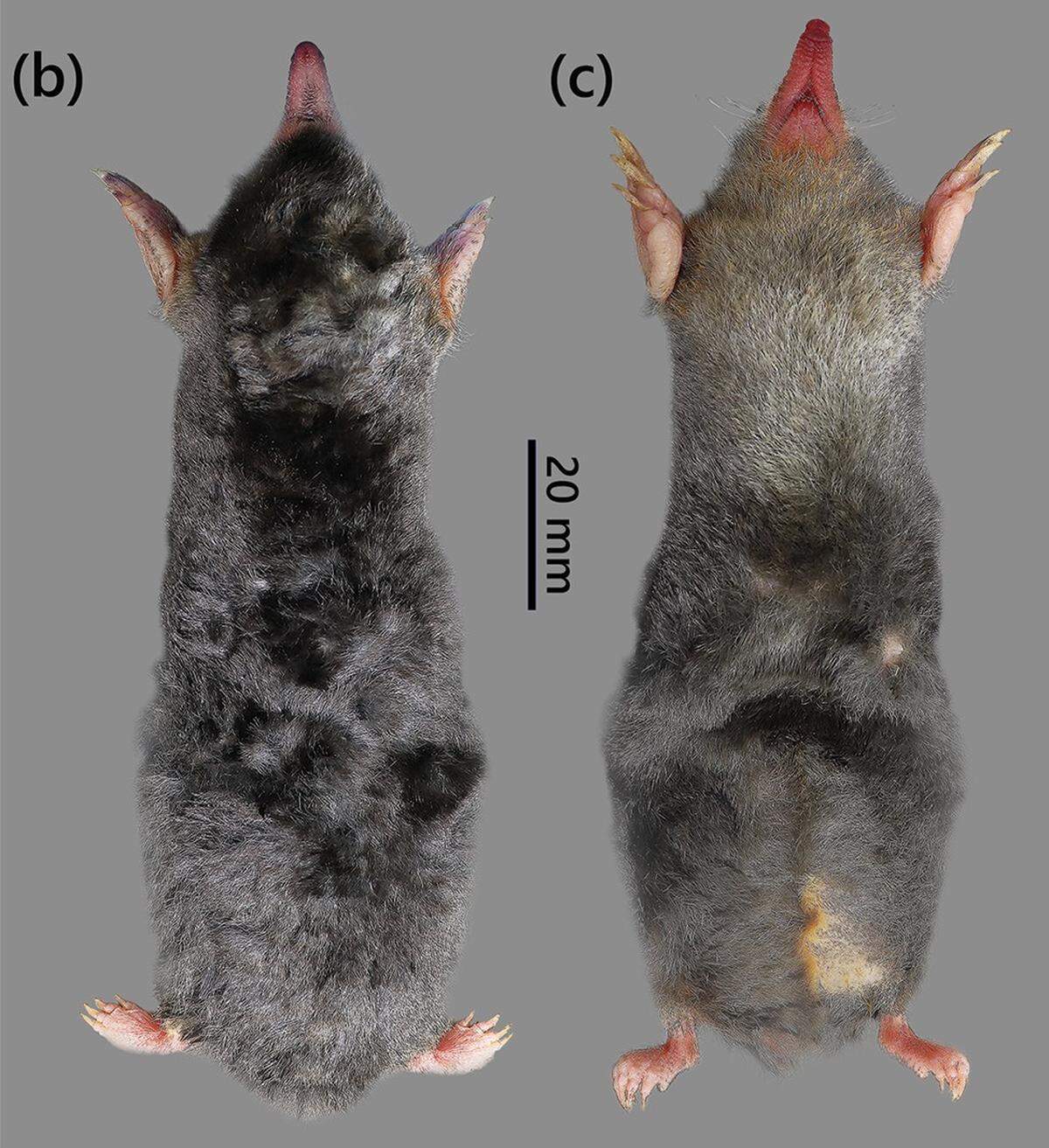
Photos show the “dense, plush, and velvety” fur of Darwin’s moles. Overall, the animals have “dark greyish-black” fur “with a faint silvery reflection on the hair tips creating a subtly iridescent, metallic sheen under direct light,” the study said.
One female Darwin’s mole was found pregnant and had a “distinct pale-yellow fur” patch on its stomach, a “visual reproductive signal, probably caused by glandular secretions or hormonal fluctuations related to pregnancy or lactation,” researchers said.
Darwin’s moles live in an “isolated” patch of “evergreen forest” between the elevations of about 3,000 to 3,600 feet, the study said. The moles were caught “along narrow animal paths, under thick vegetation, and beside moss-covered tree bases, where soil is particularly soft and cool.”
Researchers said they named the new species after “the eminent naturalist” Charles Darwin because his “insights have had a particularly strong impact on the authors.”
So far, Darwin’s moles have only been found at Pu Luong Nature Reserve in northern Vietnam, a roughly 950-mile drive north from Ho Chi Minh City.
The new species was identified by its tail, skull shape, teeth and other subtle physical features, the study said. DNA analysis found the new species had at least 5% genetic divergence from related species.
The research team included Son Truong Nguyen, Hai Tuan Bui, Vinh Quang Dau, Phuong Dinh Le and Yen Huong Vu.