
8 rare creatures found hidden on man in airport security, Thailand officials say
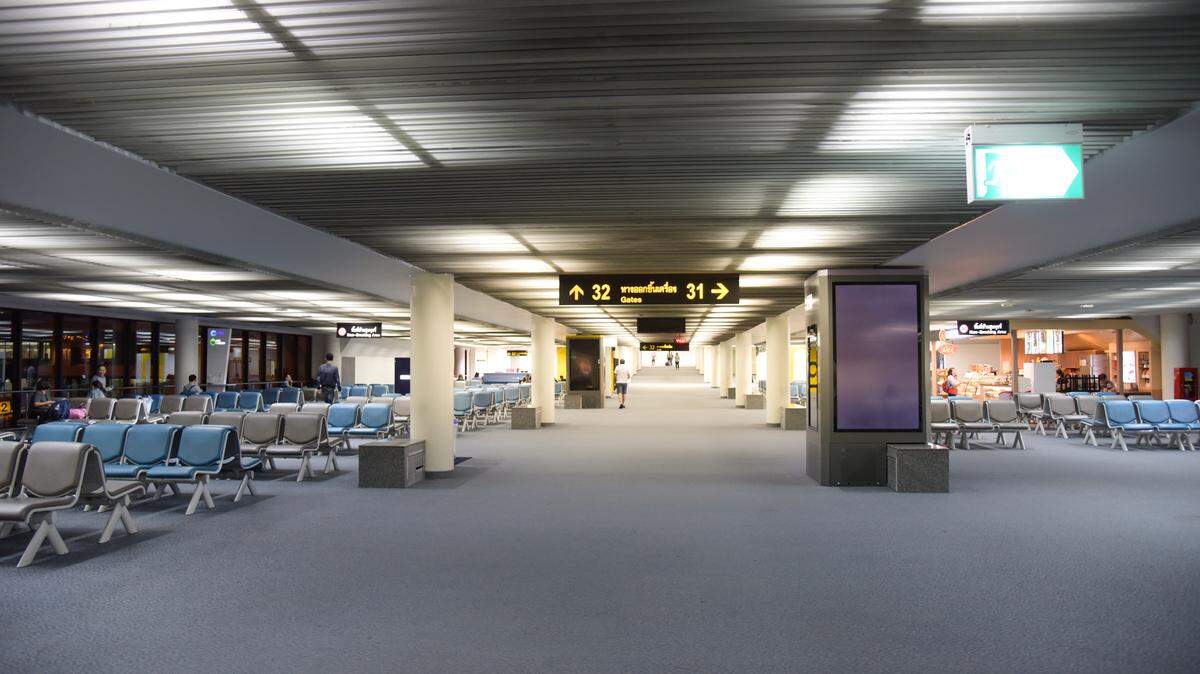
A man from Taiwan is in custody after security officials discovered eight living animals hidden on his body in Thailand.
The man, 54, was set to board a Thai AirAsia flight from Don Mueang Airport in Bangkok to Kaohsiung International Airport in Taiwan early in the morning of Oct. 7, according to a Facebook post from the Department of National Parks, Wildlife and Plant Conservation.
As he went through airport security, officials found white mesh cloth bags and a black nylon stocking with living animals inside, according to the post.
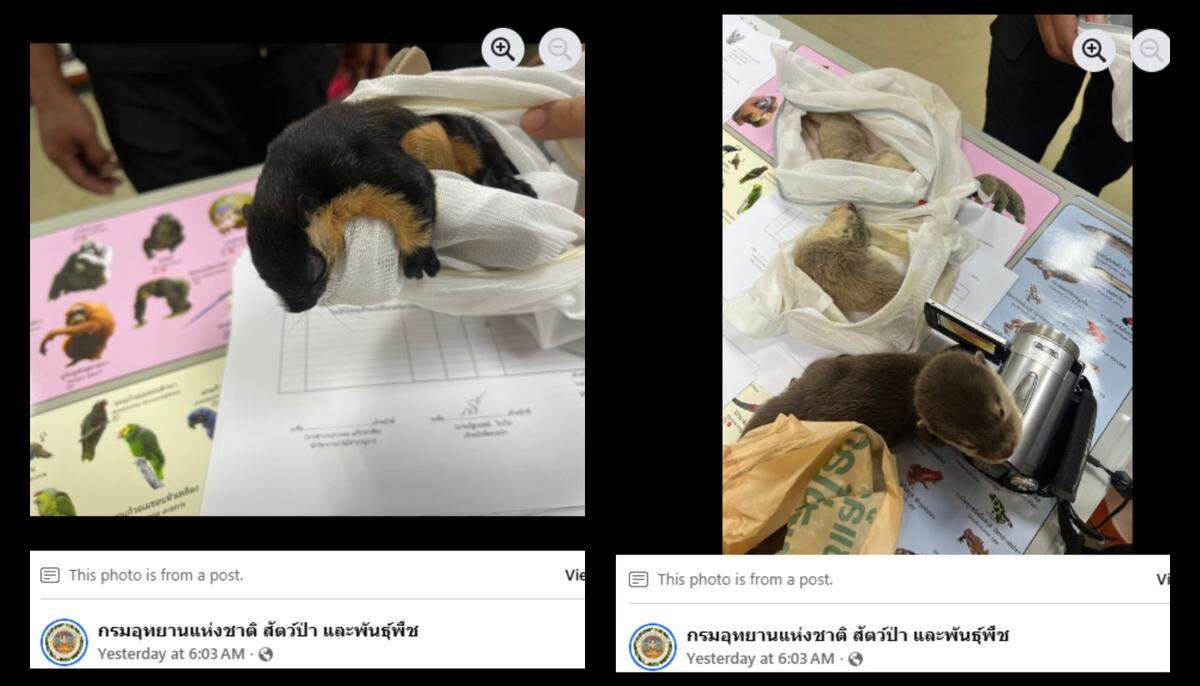
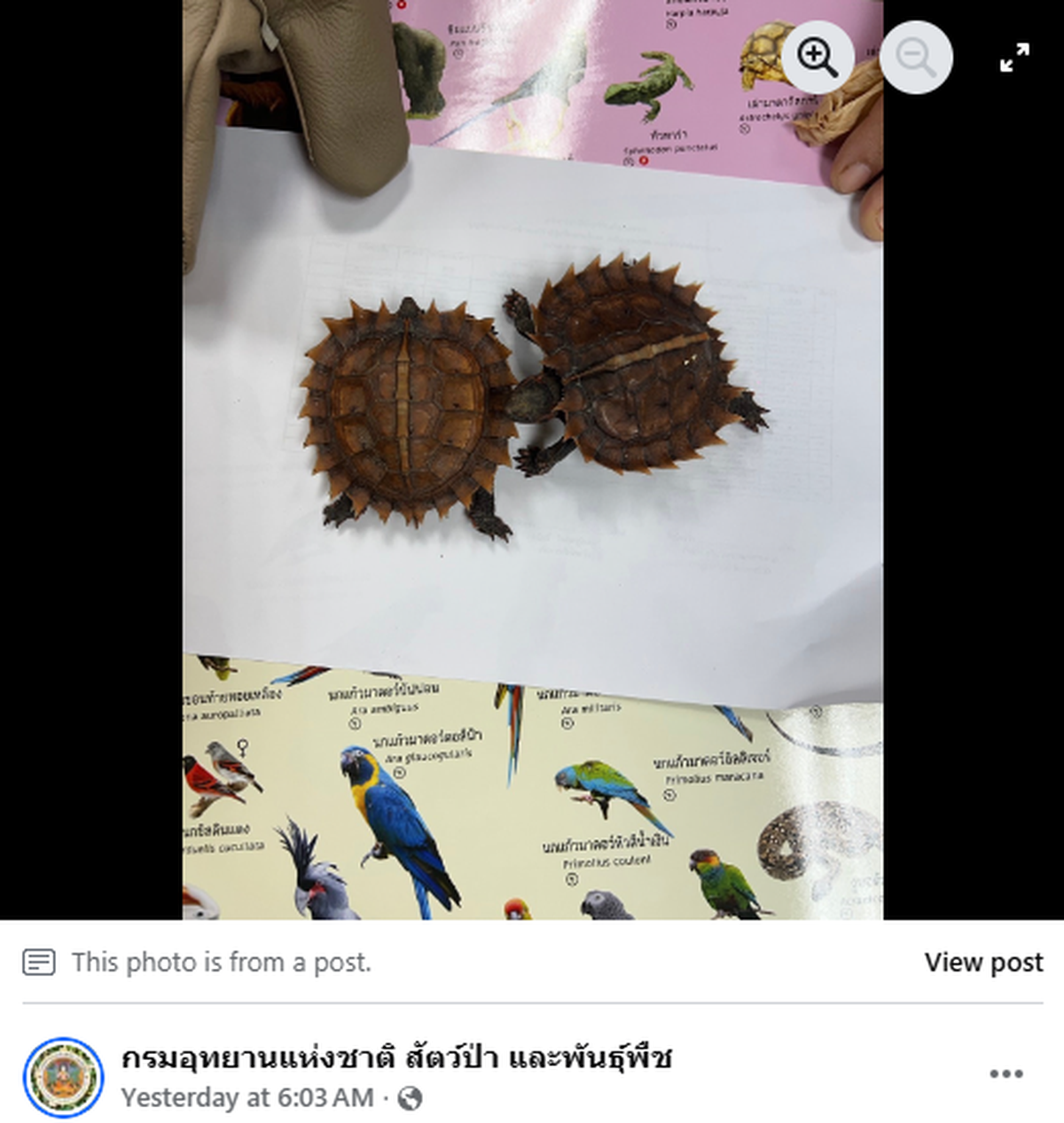
The animals were identified as slow lorises, squirrels, otters and spiny turtles, officials said.
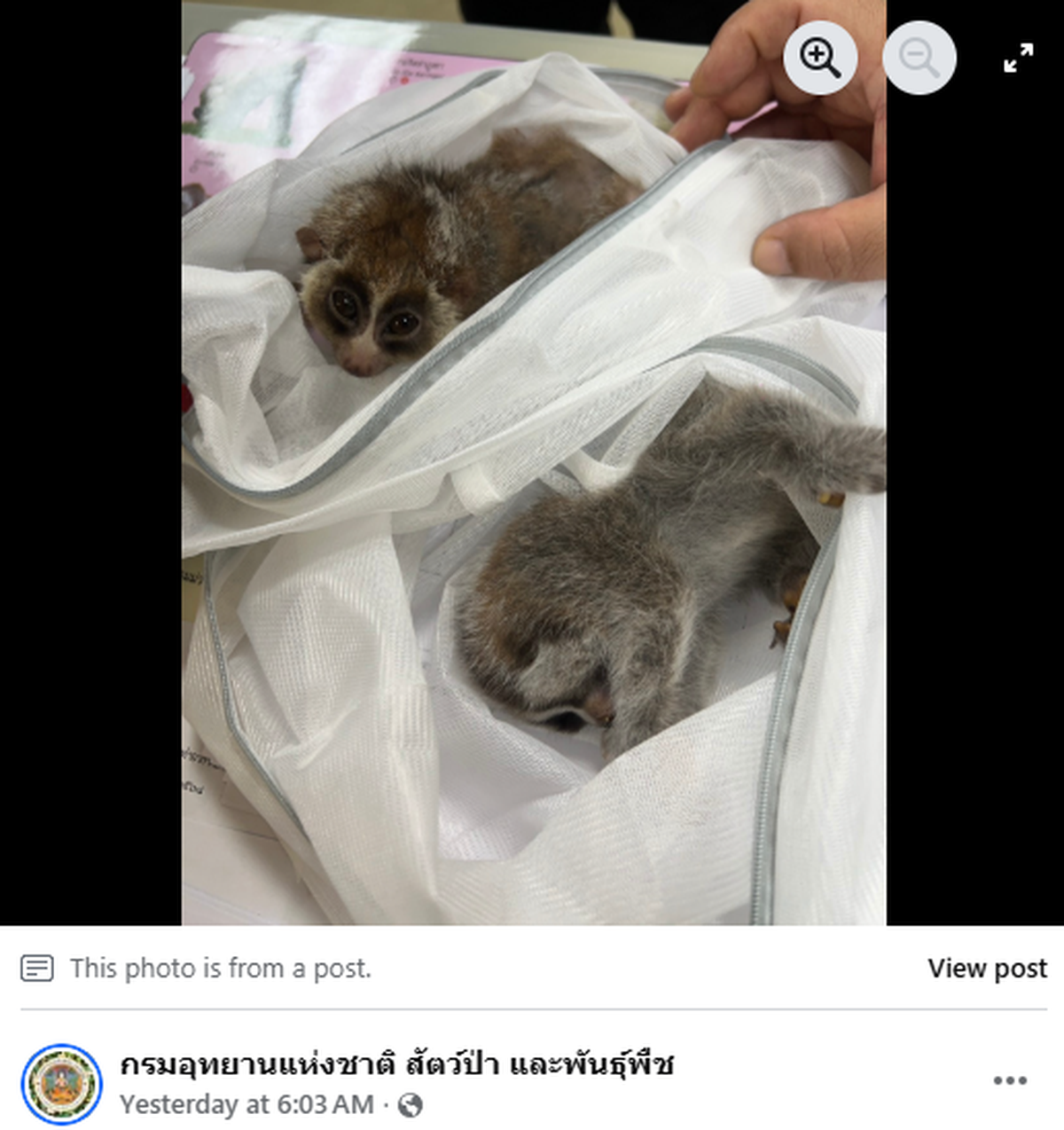
Slow lorises are slow-moving primates with venomous bites that can cause people to go into anaphylactic shock, according to the WWF.
All slow loris species are threatened, ranging from the vulnerable lorises in the Philippines to critically endangered species, according to the International Fund for Animal Welfare.
They are most threatened by the illegal pet trade, the WWF says, but they often die quickly in captivity due to stress, often including their teeth being removed to prevent their potentially deadly bite.
The species of squirrel or otters were not specified by officials. One squirrel and three otters were recovered from the man’s body.
Spiny turtles are another endangered species, according to the WWF Thailand. They live in wet forests from the Malay Peninsula and throughout southern Thailand.
The animals were confiscated and transferred to the care of the Wildlife Conservation Office, Department of National Parks.
The man was taken into custody and charged with possession of protected and controlled wildlife without permission, attempting to export goods that have not yet undergone customs clearance and violations regarding the transport of animals without health clearance, officials said.
“Illicit wildlife trafficking is estimated to be between $7.8 billion and $10 billion per year, and illegal timber trade is estimated as much as $7 billion per year,” according to the U.S. Immigration and Customs Enforcement. “Combining these numbers, all illicit wildlife trafficking, including fisheries and timber, comprise the fourth largest global illegal trade after narcotics, human trafficking and counterfeit products.”
Laos, Myanmar and Thailand are considered a “global triangle” hub for the illegal wildlife trade, with many of the animals and animal products making their way into China.
ChatGPT, an AI chatbot, was used to translate the Facebook post from the Department of National Parks, Wildlife and Plant Conservation.
