Creature’s body can ‘shimmer in the sunlight.’ It’s a new species in Vietnam
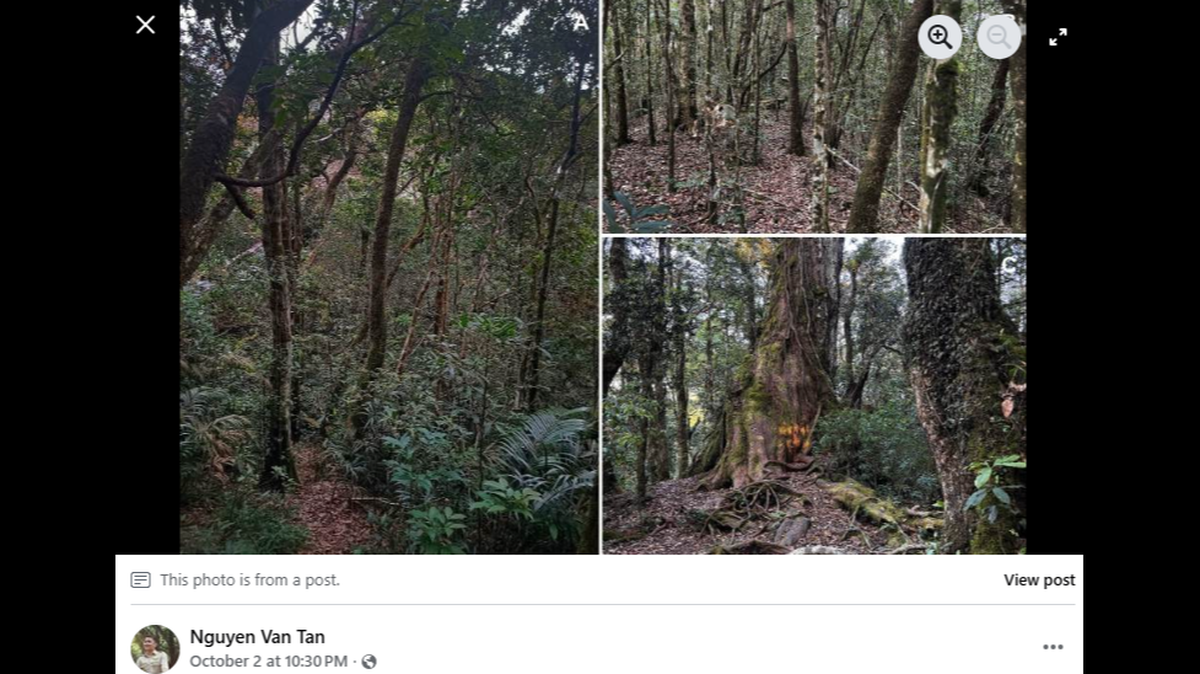
In the dense forests of southern Vietnam, the ground reaches toward the sky and trees are blanketed by clouds.
When light is able to penetrate the canopy and reach the forest floor, it reflects off a golden creature foraging in the leaves as its sleek body moves along the ground.
The animal is called the “gold of the highlands,” and it was just discovered as a species new to science.
During field surveys in the Annamite Mountains, researchers discovered members of the ground skink genus Scincella, according to a study published Oct. 3 in the peer-reviewed journal Zootaxa.
Two were identified — Scincella baraensis and Scincella doriae — but the other didn’t look like anything that had been formally recorded before, according to the study.
The skink has a “medium-sized body” measuring about 5.8 inches long, researchers said.
But what stands out is its shimmering scales. The new species was named Scincella balluca, or the golden ground skink.
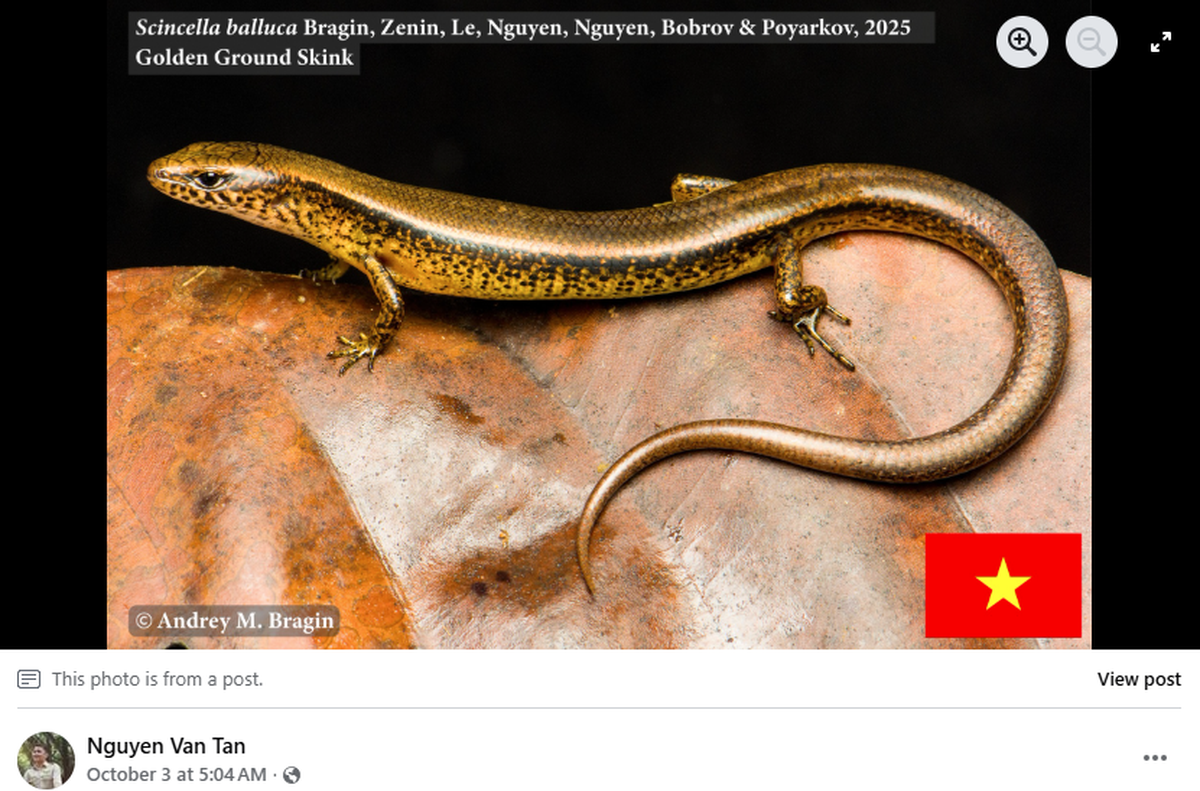
“The specific epithet of the new species is formed from the Latin noun ‘ballux’ meaning ‘grain of gold,’” according to the study. “This name is given in reference to the golden coloration of the flanks and the ventral surface of the body in the new species, as well as the glossy surface of the scales, which occasionally shimmer in the sunlight.”
The back of the skink is “dark brown” with “scattered black spots” that appear more heavily on the sides of the body, researchers said.
The skink’s head is darker than the rest of its body and the scales of the back have a “golden olive border” along their outside edges, according to the study.
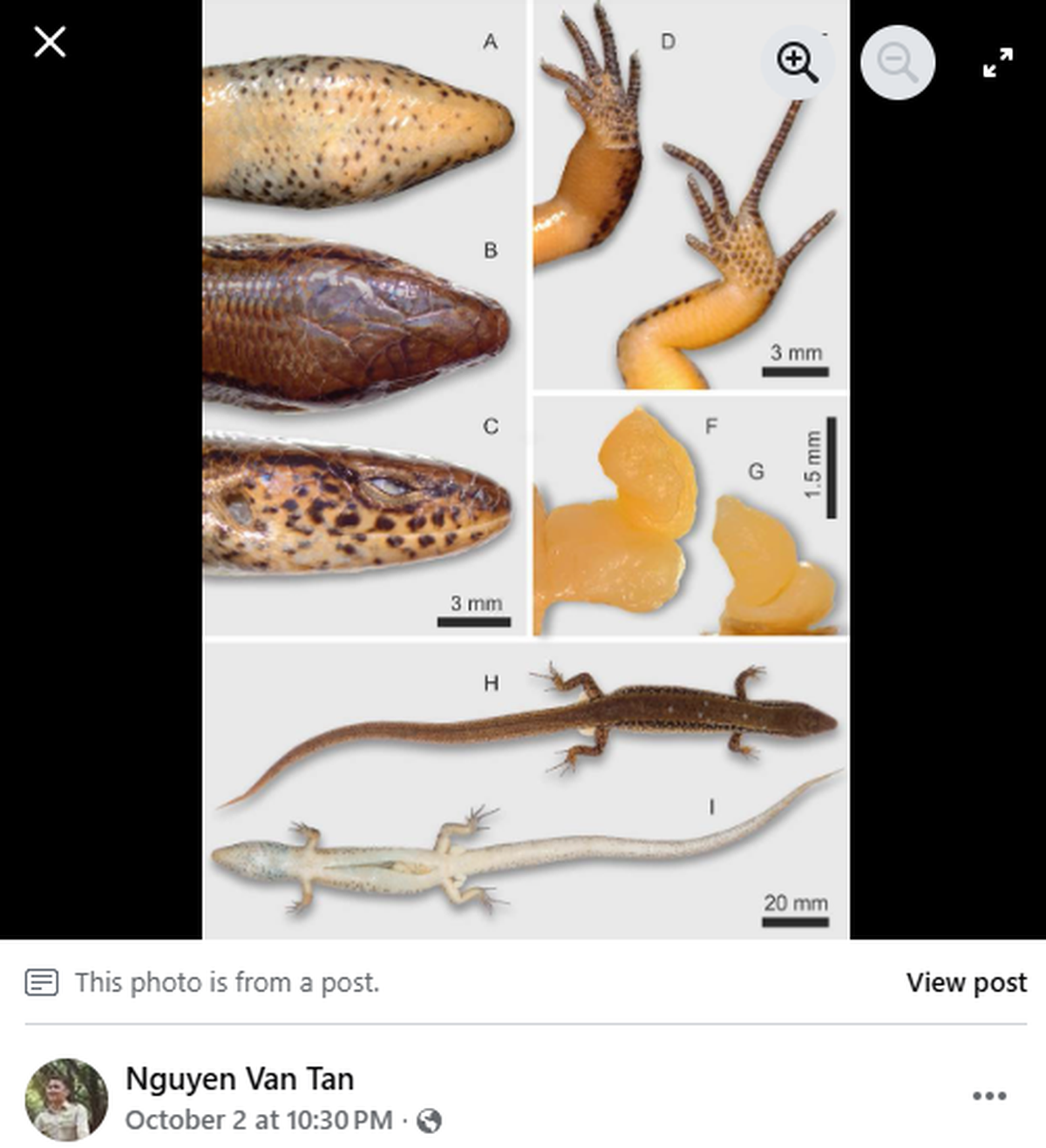
The new species can be identified from other ground skinks by the placement, shape and size of the scales around the head, as well as other physical characteristics of the sex organs, researchers said.
The holotype, or primary specimen used to describe the new species, was found on Ta Dung Mountain within Ta Dung National Park, a site with an elevation of about 6,100 feet above sea level, according to the study.
The skinks were found “while actively foraging within the leaf litter, among rocks, and around dense root systems,” researchers said, with one specimen spotted after “heavy rainfalls that typically cease by twilight.”
The golden ground skinks were also found on Chu Yang Sin Mountain and Bidoup Mountain, both within national parks that share their name.
“Given the ecological similarity of the adjacent montane areas, it is likely that the new species’ distribution extends further, potentially encompassing additional highland ridges across the Langbian Plateau at elevations above (5,250 feet) above sea level,” researchers said.
There is not yet enough information about the species to determine whether or not the species is endangered, researchers said. All of the skinks were found in protected national parks, far from human disturbance, but they are also the regions most at risk of agricultural encroachment and habitat degradation in Vietnam.
The Annamite Mountains and Langbian Plateau are in southern Vietnam, east of the border with Cambodia.
The research team includes Andrey M. Bragin, Evgeniy S. Zenin, Son Xuan Le, Duc Trung Nguyen, Tan Van Nguyen, Vladimir V. Bobrov and Nikolay A. Poyarkov.
This story was originally published October 8, 2025 at 11:47 AM.