
Prehistoric giants, creatures on ancient fort walls and more new species finds
The summaries below were drafted with the help of AI tools and edited by journalists in our News division. All linked stories were reported, written and edited by McClatchy journalists.
Unique creatures, odd animals and new species are being discovered across the planet. Some are found lurking in remote corners of the world, while others have been hiding right under our noses.
Take a look at some recent new species discoveries:
Yellow six-eyed creature found under stones in Turkey forest. It’s a new species
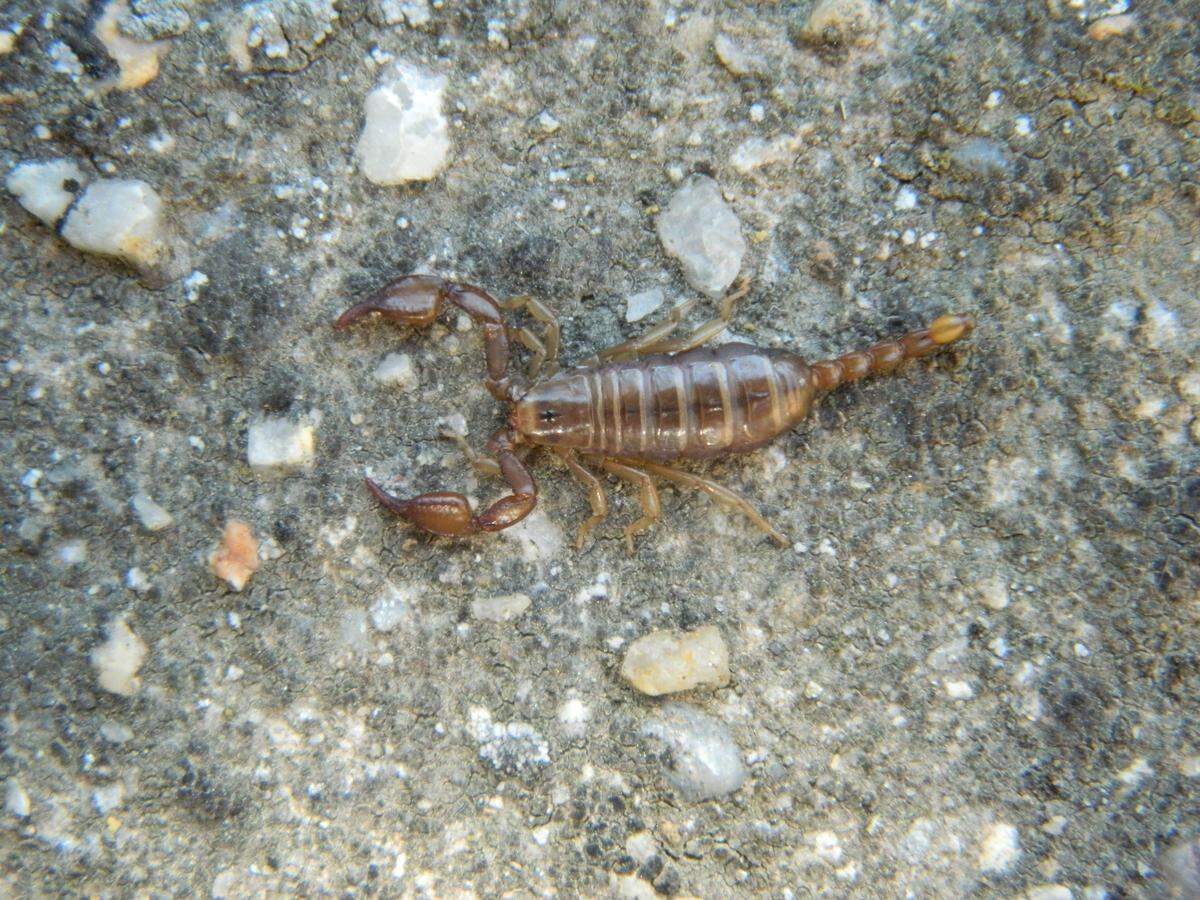
In the Hüyük District of southwestern Turkey, researchers discovered a new species of scorpion, Alpiscorpius huyukensis, while surveying wildlife. This scorpion, with its six eyes and “pale yellow” legs, was found in “a dense red pine forest,” likely displaced from a nearby natural forest. The discovery was made during fieldwork in an “artificial forest” where the scorpions were abundant beneath stones. | Published Sept. 19 | Read More |
‘Gigantic’ prehistoric creature discovered in Russian quarry is a new species
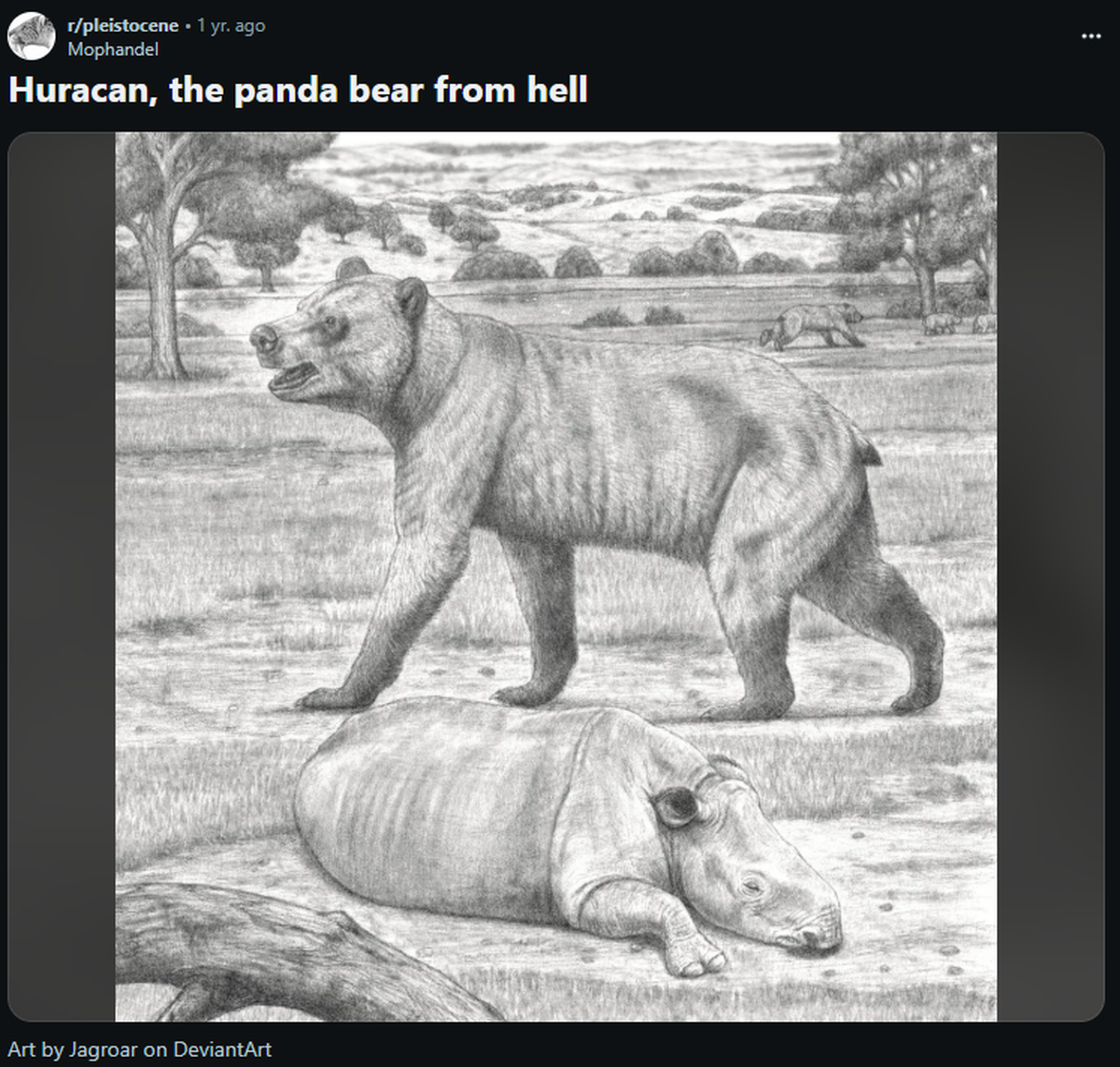
A new species of prehistoric bear, Huracan borissiaki, was identified from fossil remains in the Kosyakino quarry near Stavropol, Russia. This “gigantic bear” lived during the Miocene period, about 5.5 to 6 million years ago, and is a larger, carnivorous ancestor of the giant panda. The discovery was made after reexamining a jawbone that had been in an academic collection for nearly a century. | Published Sept. 19 | Read More |
Prehistoric ocean giant — a right whale ancestor — found as new species in Japan

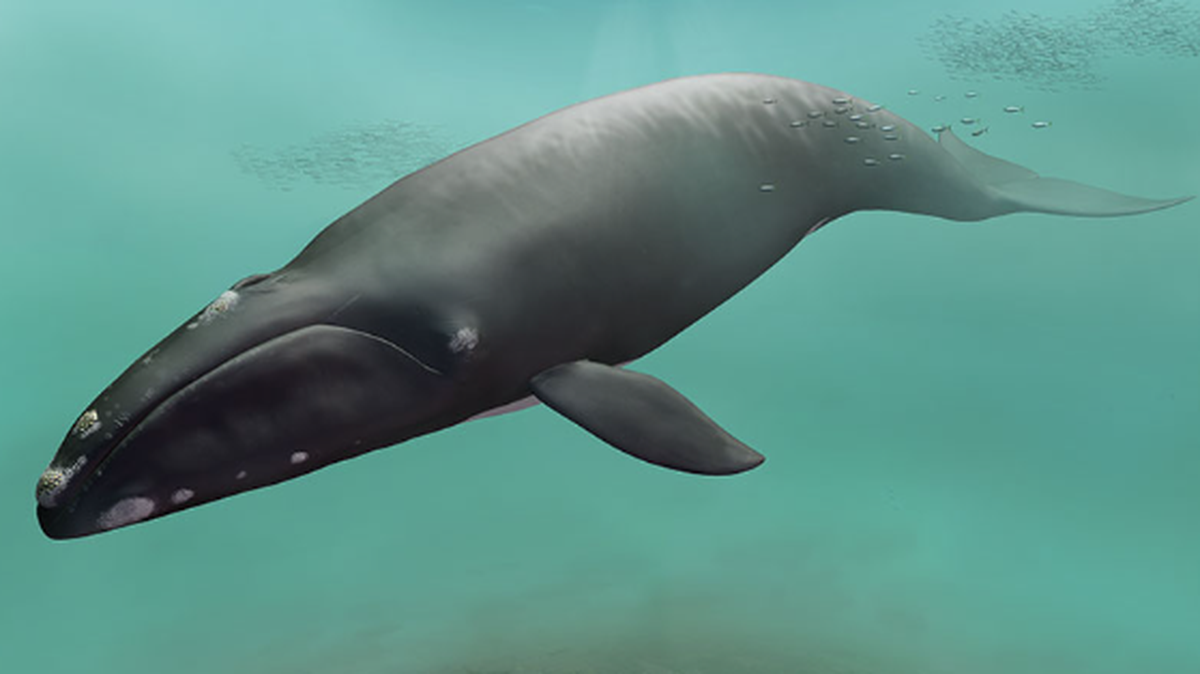
In Sapporo City, Japan, researchers discovered a new species of prehistoric right whale, Megabalaena sapporoensis, from fossilized remains found in the Toyohira River. This species, dating back 9 million years, helps fill a gap in the fossil record and marks a point when ancient right whales began to develop robust flippers. The great Sapporo right whale was likely over 41 feet long, classifying it as a “large” right whale. | Published Sept. 22 | Read More |
Creature with whisker-like organs found in ‘deep gorges’ in India is new species
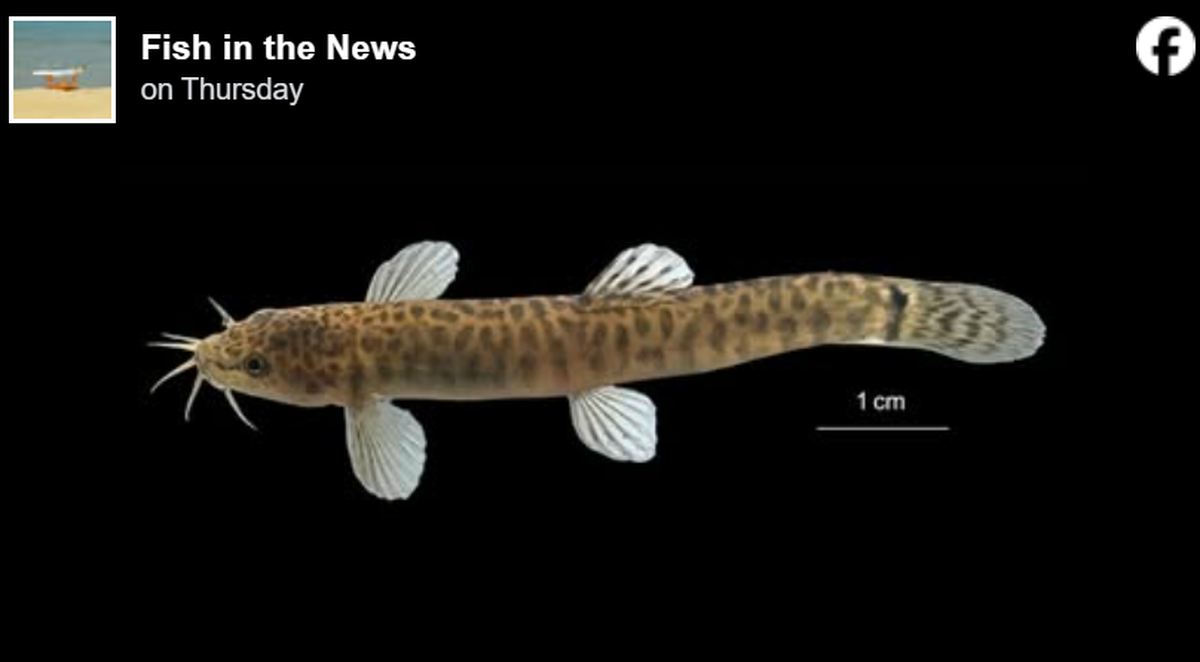
In the Mahadeo Hills near the Satpura Tiger Reserve in India, researchers identified a new species of loach, Indoreonectes mahadeoensis. This fish, distinguished by its long whisker-like barbels and unique dorsal fin, was found in a small stream within a deep gorge. The discovery adds to the biodiversity of the Narmada River system, where this species is the first of its genus to be found. | Published Sept. 23 | Read More |
Creatures found clinging to walls of 16th-century forts in Nepal are new species
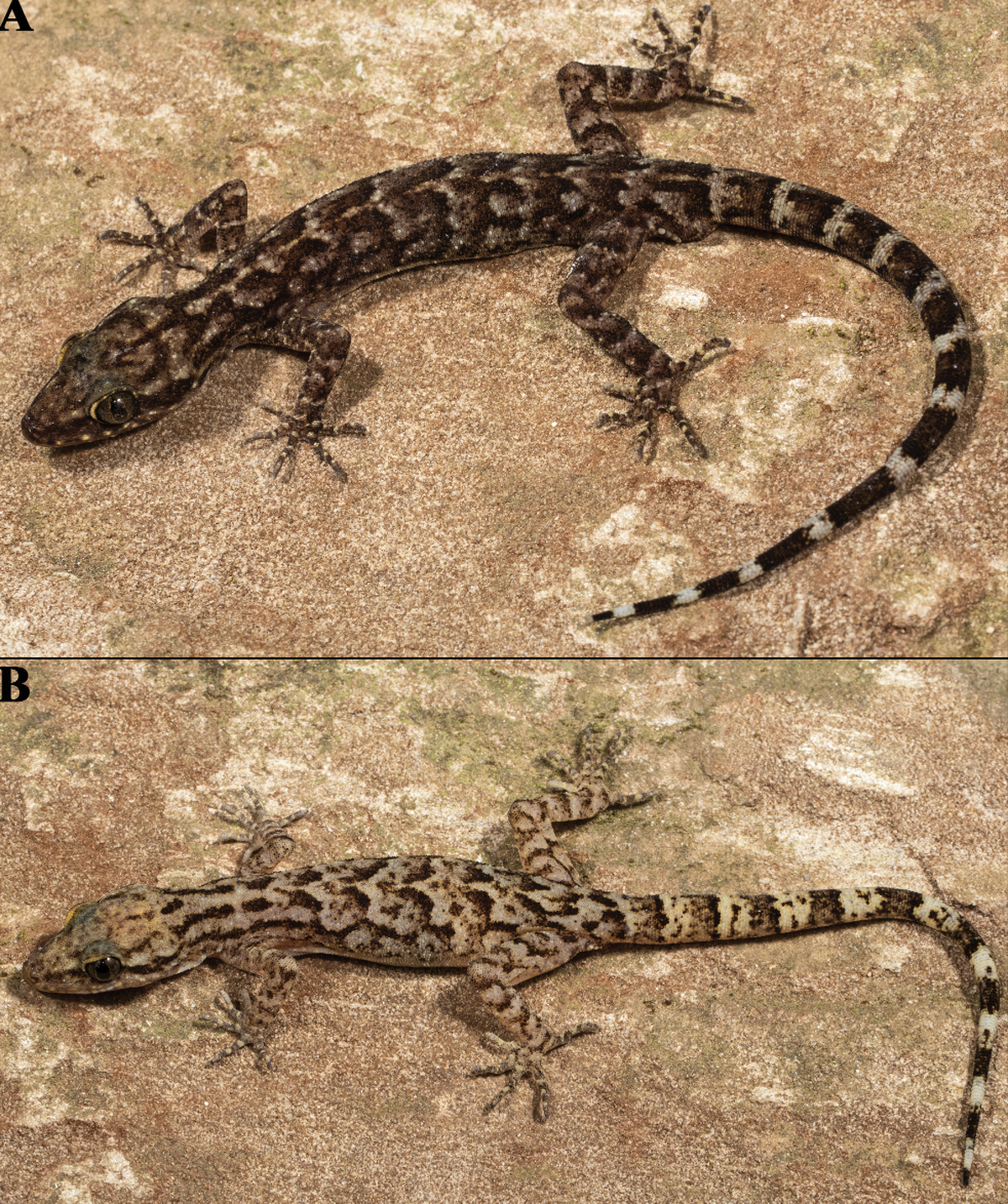
In the Siwalik Mountains of Nepal, researchers discovered two new species of bent-toed geckos, Cyrtodactylus makwanpurgadhiensis and Cyrtodactylus chure, clinging to the walls of ancient forts. These geckos were found during nighttime field surveys in central Nepal, with the Makwanpurgadhi gecko named after the largest fort in the area. | Published Sept. 24 | Read More |