‘Mythical’ deep-sea creature — found by a submarine — is new species off Japan
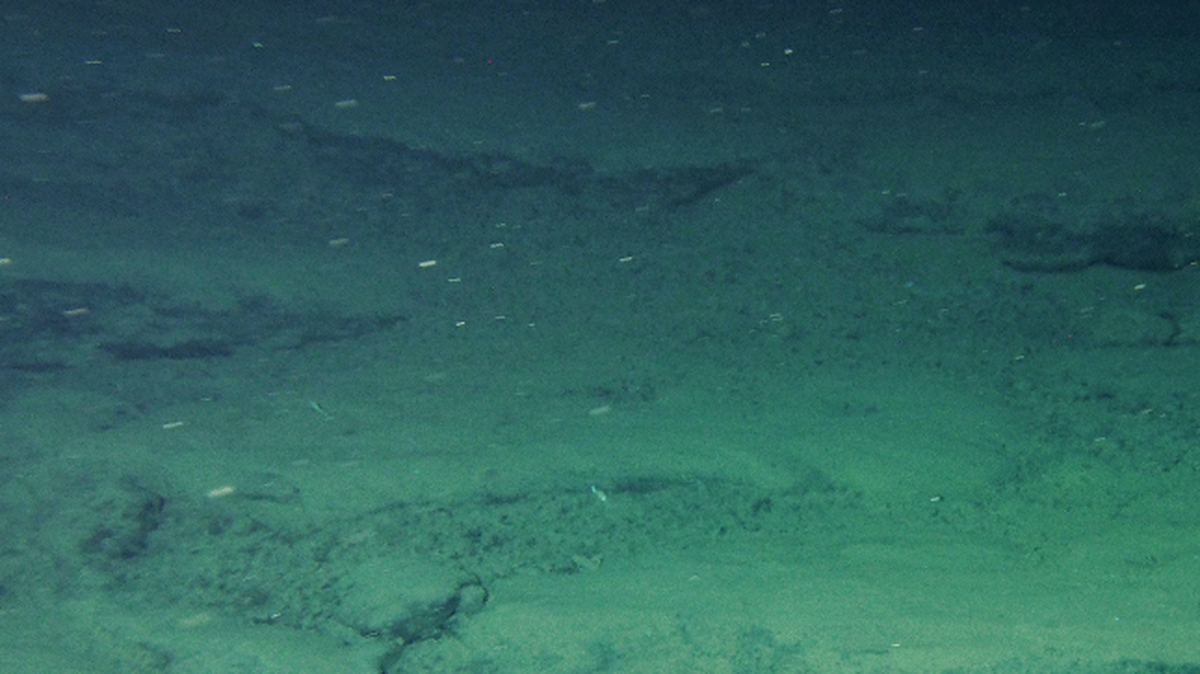
About 300 miles off the coast of Tokyo, researchers aboard a deep-sea submersible sank below the surface of the water.
Equipped with a small porthole and digital camera, the Shinkai 6500 sank to depths of more than 19,000 feet when it approached a shelf of volcanic rock, according to a study published July 24 in the peer-reviewed journal Zoosystematics and Evolution.
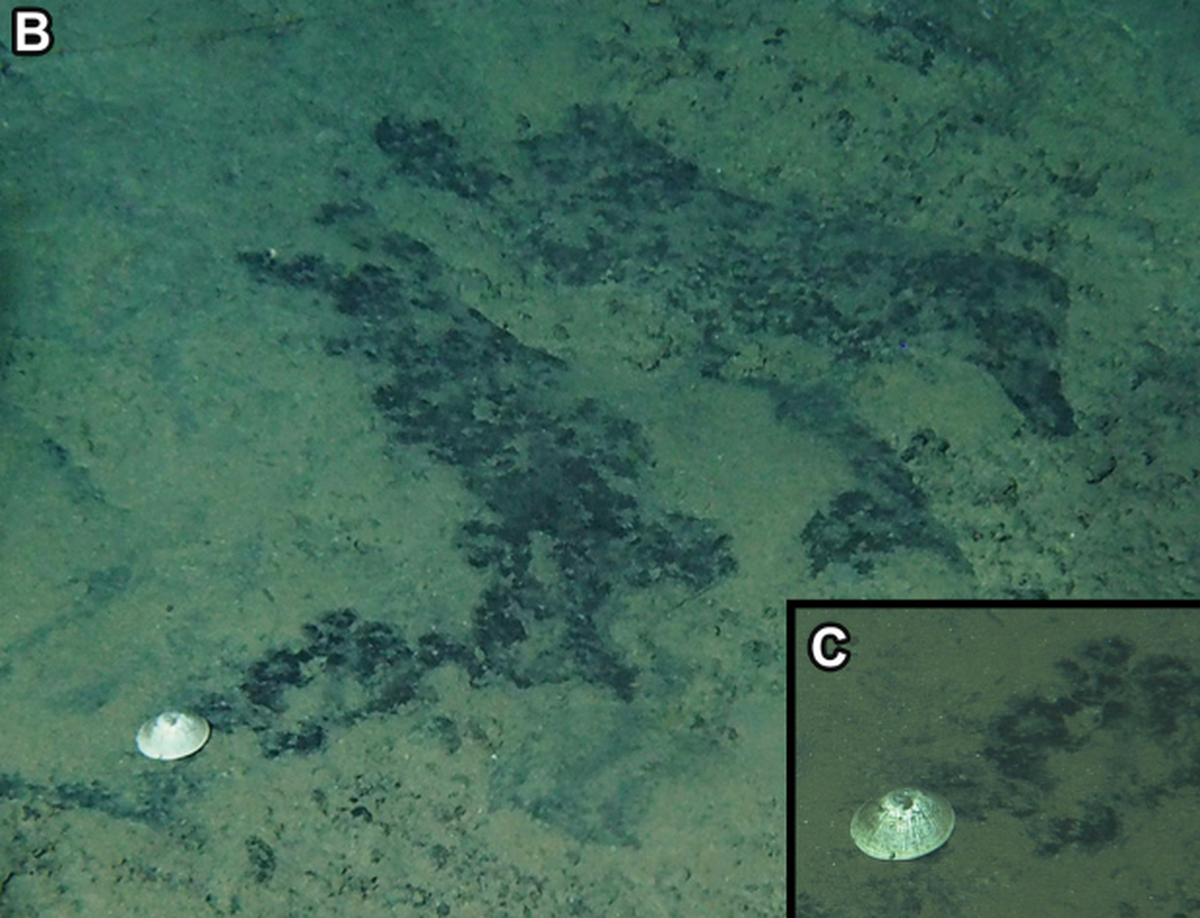
The researchers peered out into the darkness and saw cone-like creatures attached to the rock, followed by “a winding feeding trail” still visible in the sediment, according to the study.
The shelled animal was considered “very large,” reaching a size of nearly 2 inches long, and was identified as a limpet, or deep-sea patellogastropod.
It was a new species and its discovery marks the deepest discovery of this animal group, researchers said.
The limpet’s shell is “thin, translucent, bluish-grey, slightly elastic (and) possibly reflecting high organic content,” according to the study.
The animal underneath the shell, when alive, is “reddish brown” with an oval “foot,” the “fleshy” muscle that helps the animal move with an “undulating edge,” researchers said.
“Several individuals were sighted from the viewport of the submersible, but only one individual (the holotype) was successfully collected,” according to the study.
The genus, Bathylepeta, was described as “enigmatic” and “mythical,” because of its presence in the “abyssal plains” of the deep sea compared to other higher regions of the ocean, researchers said.
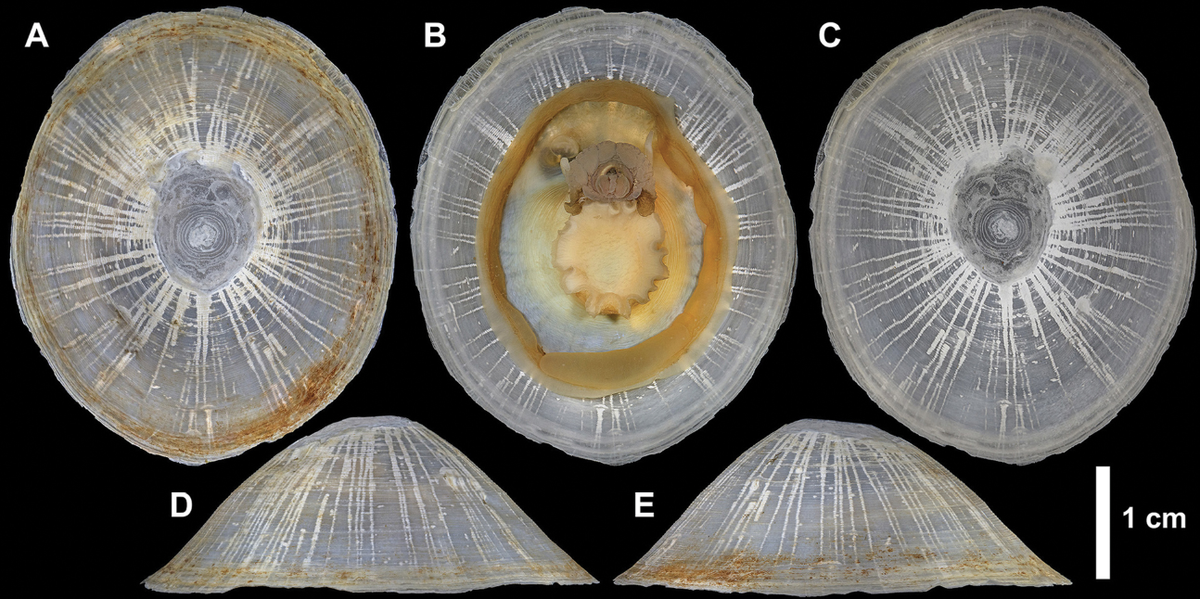
Bathylepeta wadatsumi, or the Wadatsumi limpet, was named after the god of the sea from Japanese mythology, which alludes “to its very deep habitat,” according to the study.
“It is also a reference to the fish-man character ‘Lark Monk’ Wadatsumi from Eiichiro Oda’s manga series ‘ONE PIECE,’ whose enormous body size is reminiscent of the large size that B. wadatsumi sp. nov. reaches for a deep-water patellogastropod,” researchers said.
Related species were previously found off Chile and in the Weddell Sea, ranging from the southern hemisphere to the northwestern Pacific, suggesting the genus and possibly this species has an extensive range in the world’s deep oceans, according to the study.
“The use of submersibles has been instrumental in accessing these habitats, allowing for direct observation and collection of organisms like Bathylepeta that were previously overlooked,” researchers said.
The new species was found about 300 miles off the southeastern coast of Tokyo, on Japan’s south-central coast.
The research team includes Chong Chen, Miwako Tsuda and Yoshiyuki Ishitani.