‘Tiny’ fluffy mammal — weighing just 3 grams — found as new species in Ethiopia
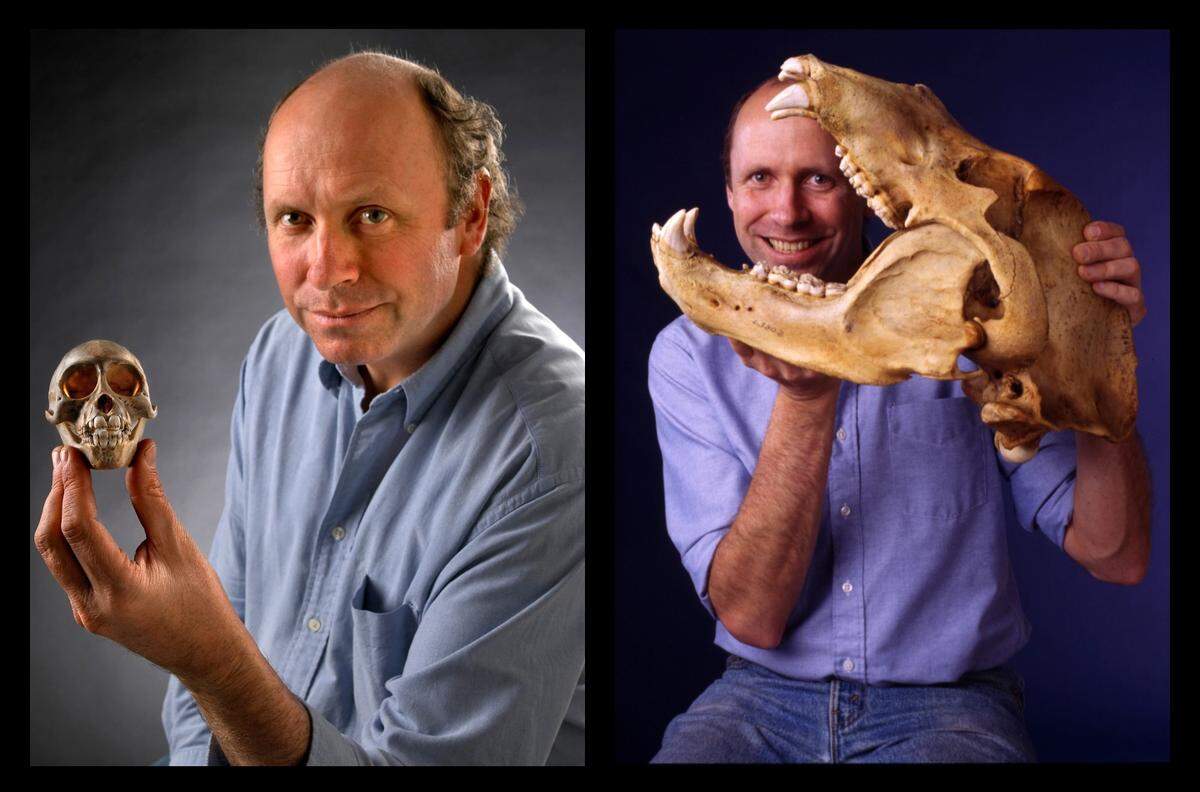
In late September 2015 in the highlands of Ethiopia, researcher and mammologist William T. Stanley caught a tiny shrew.
Stanley, a collections manager at the Field Museum of Natural History in Chicago, was passionate about African mammals, and his “transformative” work in the Simien Mountains changed research for those in the same field.
Back home, Stanley spent more than 25 years building and caring for the mammal collection in between trips to Tanzania, Uganda, Malawi and the Democratic Republic of the Congo, according to the museum.
On Oct. 6, 2015, just nine days after Stanley captured the shrew for his expansive collection, he died “in the very mountains” where the shrew was found.
Collecting the shrew was the last fieldwork he conducted, and now, researchers say the tiny mammal belongs to a species new to science — Crocidura stanleyi.
“The identification of species is pivotal in understanding biodiversity, particularly in regions with high levels of endemism and unique evolutionary histories,” researchers wrote in an Aug. 20 study published in the peer-reviewed Journal of Vertebrate Biology. “The Ethiopian Highlands, divided by the Great Rift Valley, is part of the Eastern Afromontane biodiversity hotspot, exemplified by the highest continental mammalian endemism.”
A species is endemic when it is found in a clearly defined region and nowhere else in the world, so researchers say this region of Ethiopia holds a wealth of mammals that can’t be found anywhere else.
The shrew is one of these mammals, according to the study.
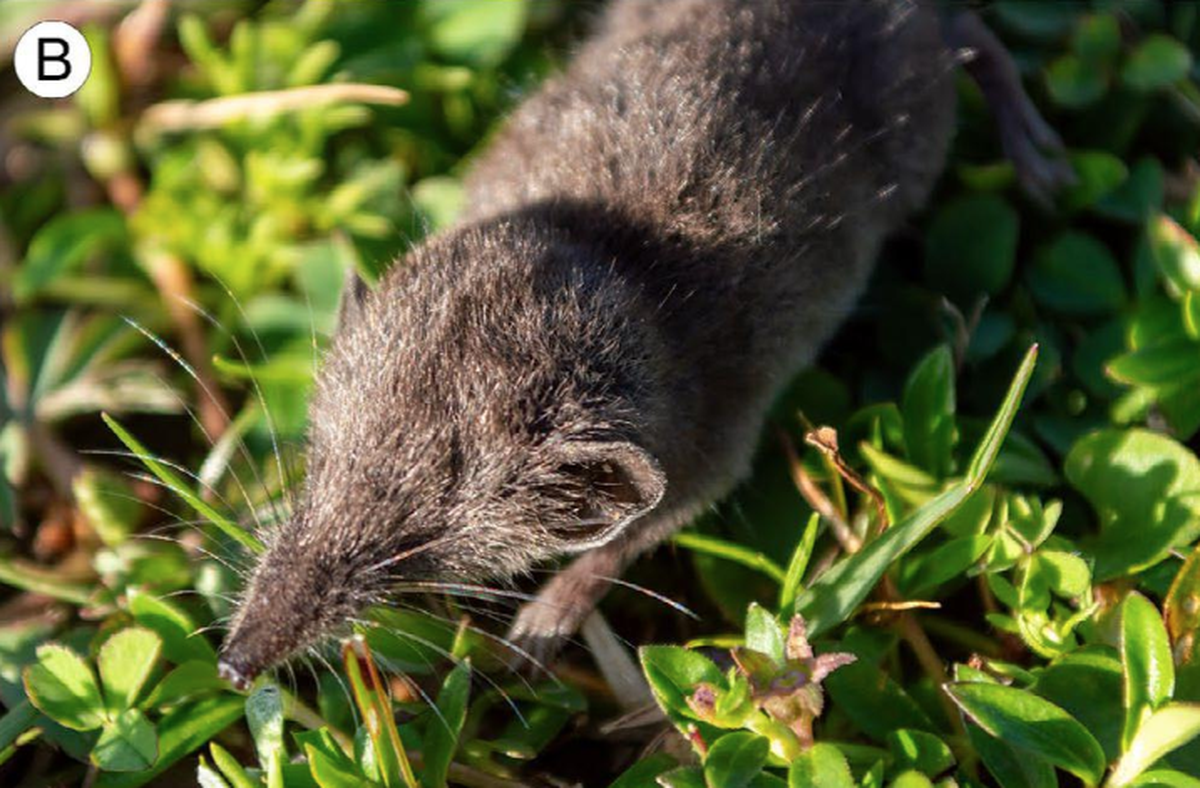
The animal is described as “a tiny bicoloured shrew exhibiting a dark brownish gray pelage (fur of a mammal) above, lighter grey below (due to lighter tips),” according to the study.
The shrew has a “somewhat flat” head, and its tail is “short and well-bristled,” researchers said.
What is notable about the species is its “very small” size, according to the study.
The shrew weighs just 3 grams, somewhere between the weight of a penny and a quarter, researchers said.
The head and body are about 2 inches long with an additional 1.2 inches added from the tail.
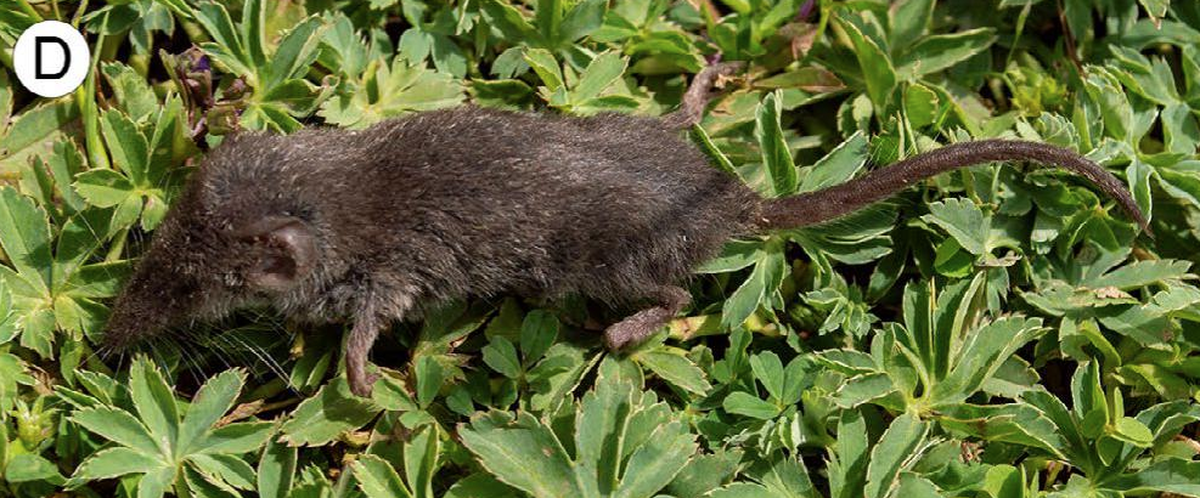
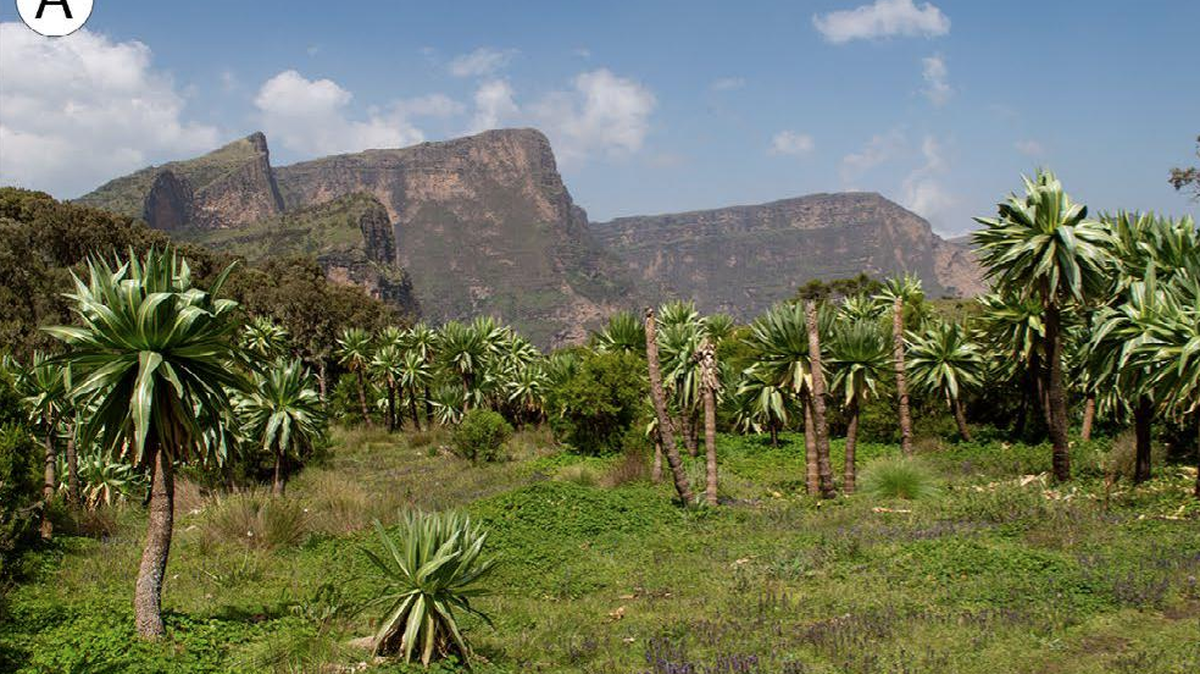
The new species has been found throughout the Simien Mountains in habitats from forests to heathlands, or sandy regions with shrubs and short trees, according to the study.
The species, the Stanley shrew, honors Stanley’s work in the region and his “unparalleled” passion for African mammals.
“His unexpected and untimely passing in the very mountains where this new species was discovered casts a solemn light on this designation,” researchers said. “The name C. stanleyi not only commemorates his last fieldwork but also celebrates his enduring legacy and the indelible mark he left on mammalogy, conservation and the many lives he touched with his mentorship and collaborative spirit.”
Stanley collected the new species in Simien Mountains National Park, the largest national park in Ethiopia in the north-central highlands.
The research team includes Evan W. Craig, Anna Bryjová, Josef Bryja, Yonas Meheretu, Leonid A. Lavrenchenko and Julian C. Kerbis Peterhans.