17th-century cannonball discovered during riverbed cleanup in Poland. See it
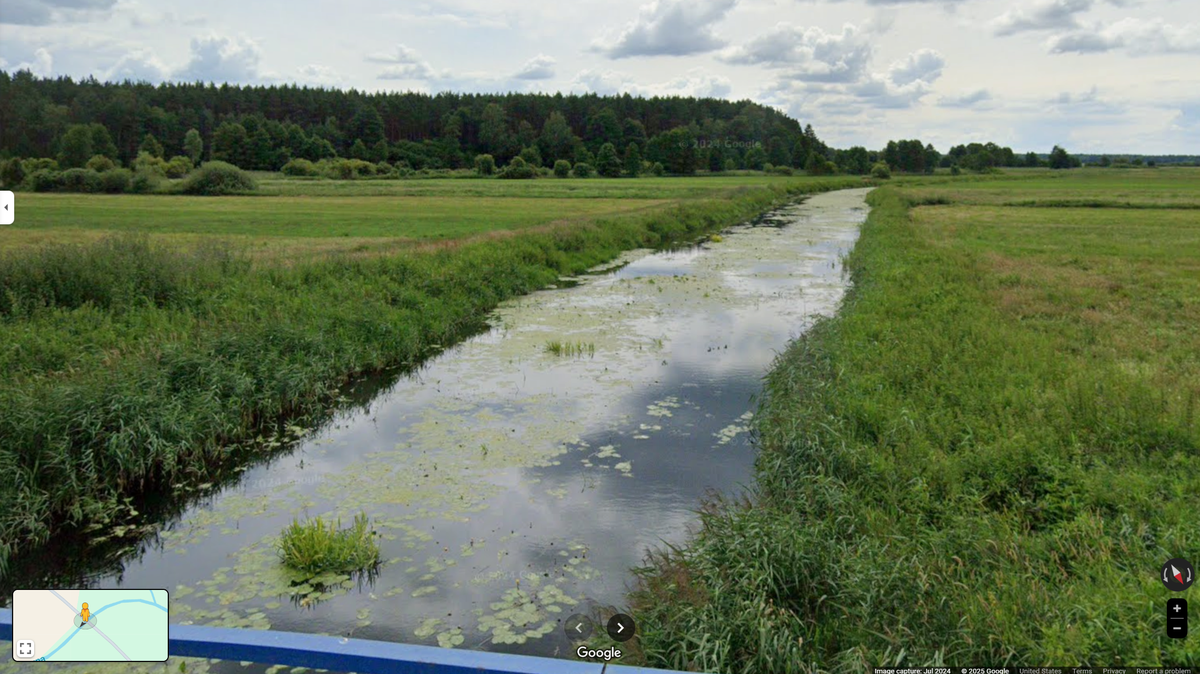
During a routine cleaning of a riverbed in Poland, volunteers found a 6-pound cannonball believed to date back to the 17th century.
The well-preserved relic was discovered at the bottom of the Krzna River in Biala Podlaska, according to a June 13 Facebook post from the Lublin Voivodeship Conservator of Monuments.
Officials said the cannonball, made from iron alloy, was made for a 6-pound cannon, which European armies used beginning in the 17th century and became more commonplace at the turn of the 18th and 19th centuries.
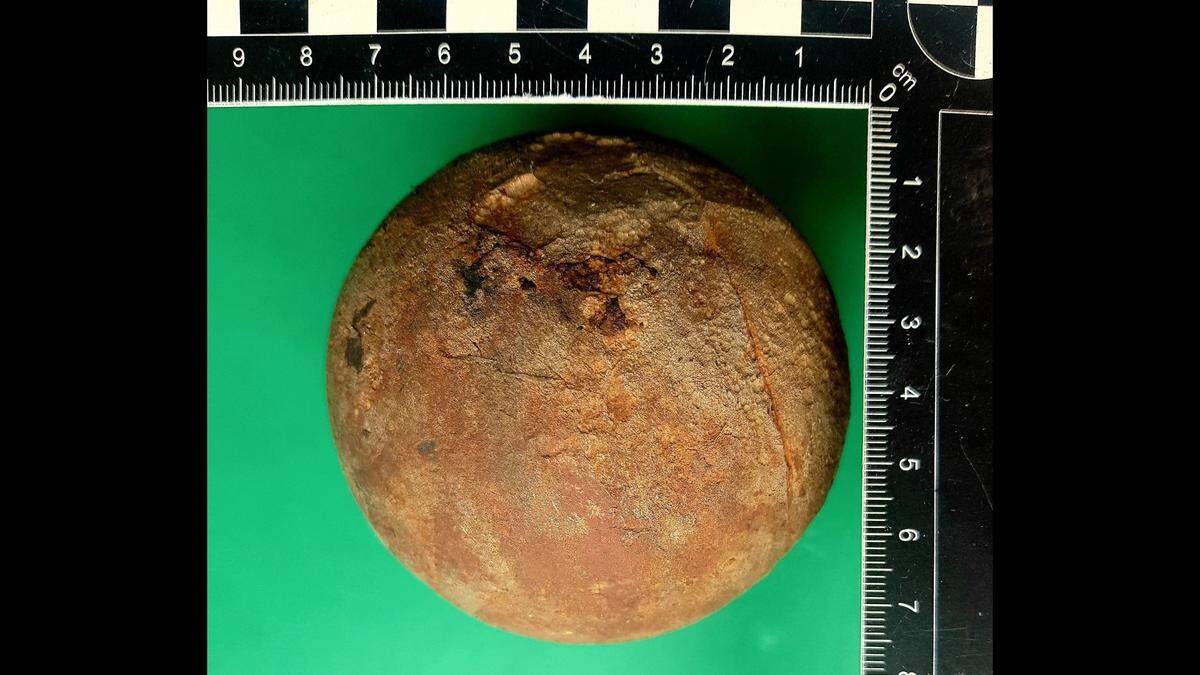
Experts speculate the cannonball could have come from a castle complex in Biala or may have been a relic from the time of the Bar Confederation, the Kościuszko Uprising, the Duchy of Warsaw’s war with Austria, the retreat of Napoleon’s troops from Moscow in 1813 or the pursuit of Russian troops by Polish troops in 1831, according to officials.
It is also possible the cannonball was carried great distances over time by the river current, according to officials, making the task of determining its origin difficult.
The cannonball will be moved to the Museum of Southern Podlasie in Biała Podlaska, according to the post.
The discovery was made during a joint cleanup effort by local schools, water management organizations and volunteers, according to officials.
Biala Podlaska is about a 100-mile drive east from Warsaw.
Google Translate was used to translate the Facebook post from the Lublin Voivodeship Conservator of Monuments.