5,000-year-old homes — a first-of-their-kind find — unearthed in China. See them
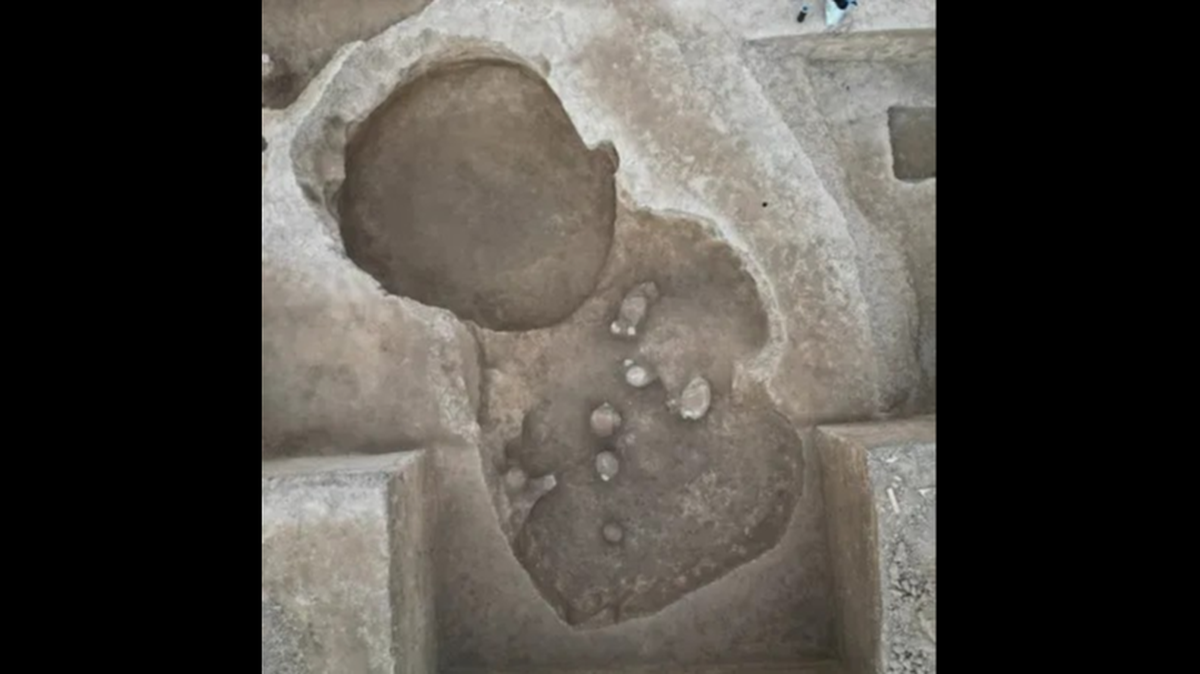
In Xianyang, China, on the banks of the Weihe River, the remains of ancient homes have been unearthed for the first time in thousands of years.
During recent excavations at the Xiejiahe village site, a joint team from the Xianyang Institute of Cultural Relics and Archaeology and the School of Cultural Heritage at Northwest University uncovered nearly an acre of land, according to a June 5 news release from the organizations.
Beneath the surface were cultural remains from multiple time periods, but the most interesting finds were a collection of house foundations from the middle to late Yangshao period, according to the release.
A total of 19 foundations were unearthed, composed of circular homes in either single-room, double-room or multi-room constructions, researchers said.
The Yangshao Period spanned from 5000 to 3000 B.C., making the houses at least 5,000 years old.
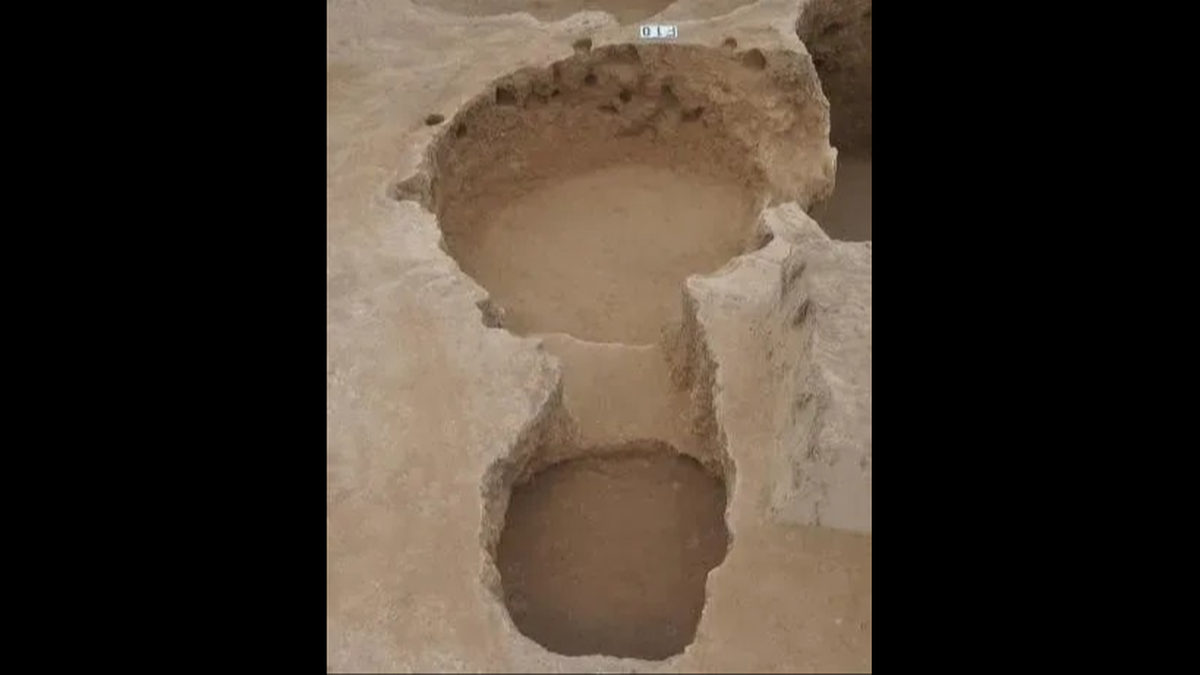
Seven single-room houses have circular shapes and are partially built into the ground, according to the release. Post holes are built along the walls, and some houses had post holes at the base of the walls, likely to hold a raised platform.
These houses had three types: homes with steps along the wall or that form a passageway, homes built into two levels with higher places with scorched soil for cooking areas and lower spaces for living, and flat-bottomed homes used as living spaces.
The double-rooms were similar in style, but the ten houses fell into five different categories of construction, researchers said. They were likely made of one living space and one room for storage.
The first version includes two irregular shaped circular spaces that were joined together. The second style had a pouch-shaped room connected to a cylindrical pit, and included an extra passage.
Another style showed a shallow cylindrical chamber covered in scorched blocks used for cooking with a second side chamber that could have been used as storage or the living space.
The last variation was a shallow pit built around the pouch-shaped rooms opening, where the shallow space would have been used for cooking and living and the pouch area used for storage, researchers said.
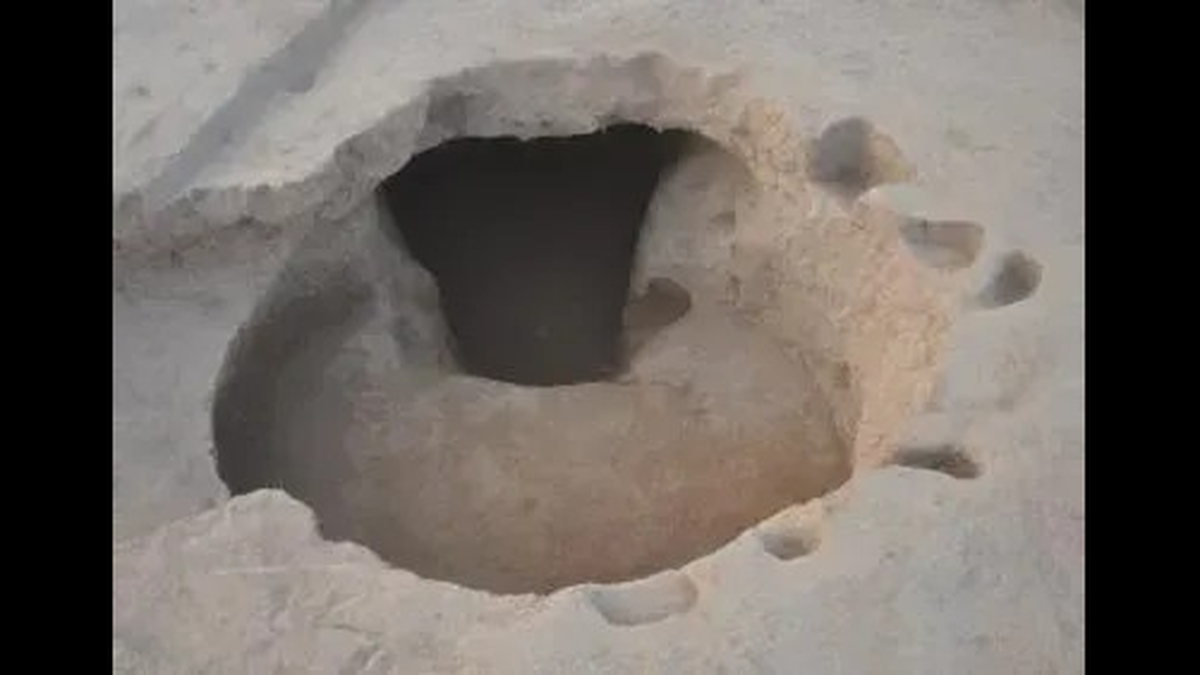
Only two homes with three rooms were discovered, and both had a combination of a deep space and a high activity area with a passageway, according to the release.
The styles of home from this period are the first of their kind ever discovered, researchers said, and help shed light on the daily lives of people from this era.
All of the homes show some sign of function division — raised cooking areas, deep storage areas or additional pouch-shaped rooms — that show a practical intelligence among the Yangshao people.
The homes were a significant find, researchers said, and was named one of the top six archaeological discoveries in Shaanxi Province in 2024, according to the release.
The site in the Xiejiahe Village of Xianyang City is in the central region of the Shaanxi Province in east-central China.
Chat GPT, an AI chat bot, and Google Translate were used to translate the news release from the Xianyang Institute of Cultural Relics and Archaeology and the School of Cultural Heritage at Northwest University.