Long line at the water fountain in Australia? It might be from all the cockatoos
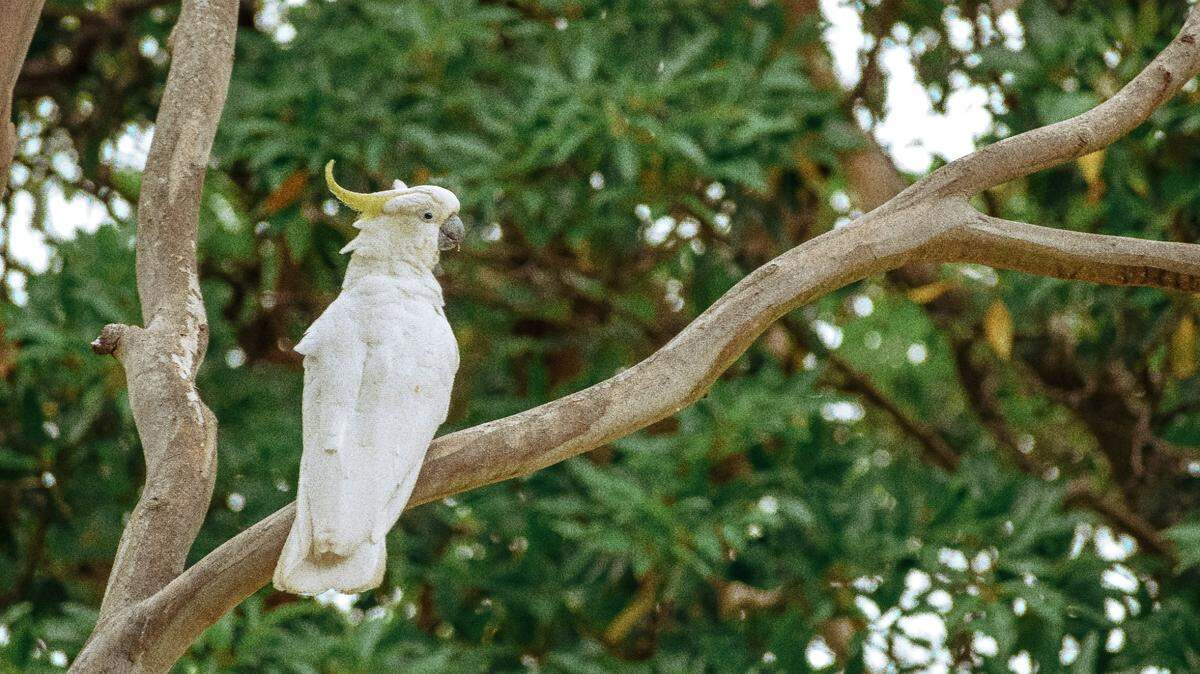
In parks and reserves in western Sydney, stopping for a drink may take just a little bit longer.
Across the Australian playgrounds, sports fields and public spaces, twist-handled water fountains allow the public to stop for water in the middle of their play.
But starting in 2018, park rangers noticed humans weren’t the only ones taking advantage of the refreshment.
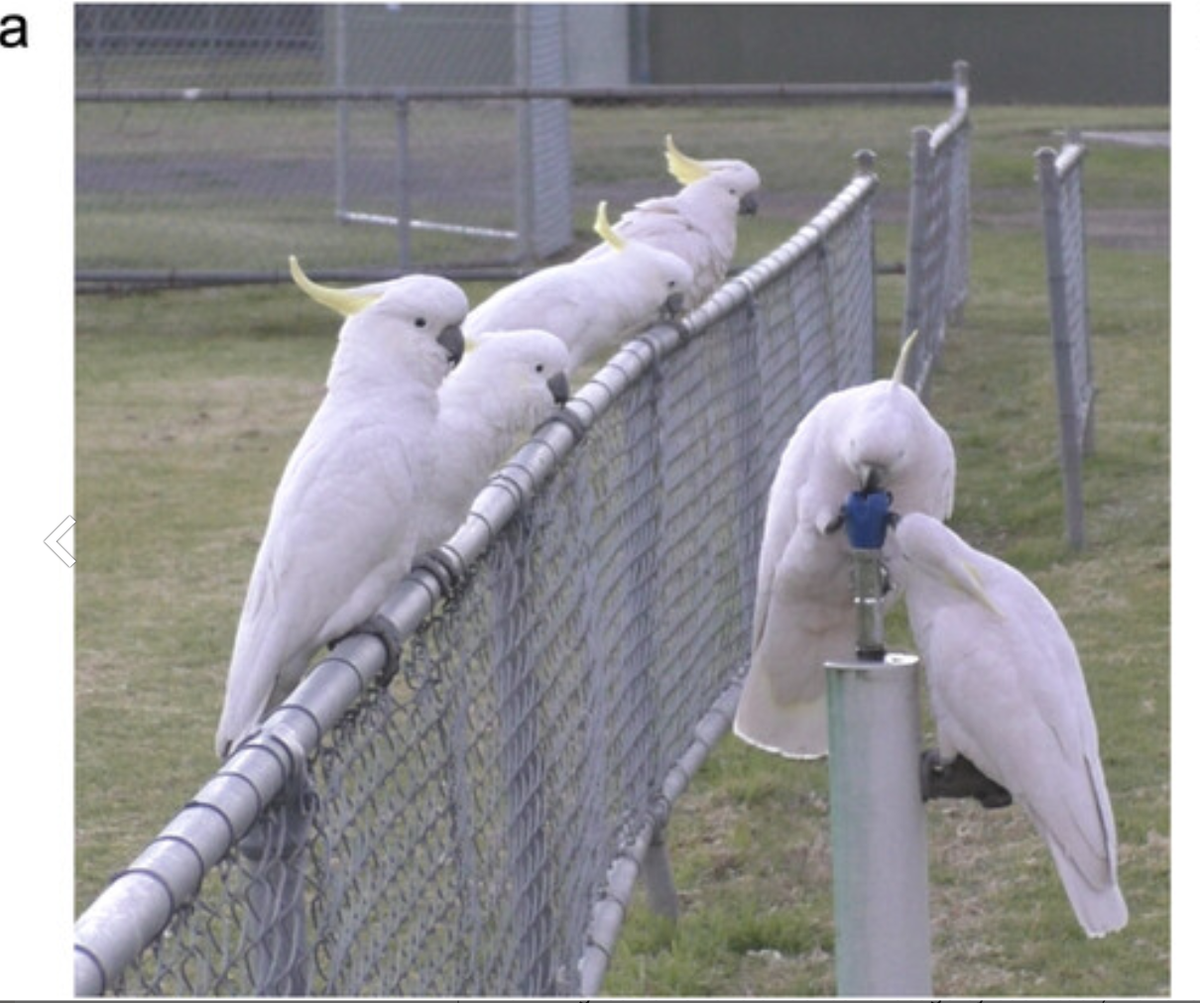
Large white birds with long, yellow crests were seen lining up along a fence waiting for their turn at the water fountain, researchers said in a June 4 study published in the peer-reviewed journal Biology Letters.
They are wild sulphur-crested cockatoos, a group who earned the moniker of “trash parrots” after the east Australian locals previously learned to open trash bins.
“Despite being globally threatened by habitat loss and the pet trade, parrots are often successful urban adaptors, with invasive and native populations established in cities worldwide,” researchers said.
Hoping to learn more about the learned behavior, researchers set up trail cameras to capture video of the cockatoos drinking, according to the study.
“Between (Aug. 29 and Oct. 11, 2019), we installed two motion-triggered wildlife cameras pointing from either side towards a drinking fountain where we had previously observed cockatoos drinking,” researchers said. “This drinking fountain, similar to others in the local area, consisted of a rubber top with embedded spout on a concrete stand of approximately (3.3 feet) high, with a twist and spring-loaded handle approximately (6 inches) from the top.”
Not only did the images show the cockatoos were using the fountains, but they were forming lines in order to have access to the fresh water, according to the study.
Video of the cockatoos using the fountain was shared by LiveScience.
“The behavior consists of a combination of actions involving both feet, bill and shifting body weight to start the water flow. This apparent complexity in behavior is potentially reflected in our finding that while it appeared to be well-established in the local population, only 52% of attempts by marked birds to operate the drinking fountain were successful,” according to the study.
Previous research showed about half of attempts to open trash bins were successful, researchers said, so this second learned behavior followed a very similar success rate. The photos and videos showed “extensive queuing for drinking fountains” which was different from the trash bins, but likely because “water at drinking fountains is effectively infinite,” researchers said.
“Thus, while we observed higher success rates when fewer birds were around, all individuals could feasibly eventually access water,” according to the study.
Water fountain innovation is said to be closer to a cultural exchange than evolutionary change, according to the study. Innovations “live and die” with individual birds unless it is taught and learned by other cockatoos and then taught to the next generation.
The fountain-drinking cockatoos were studied in western Sydney, in southeastern Australia.
The research team includes Barbara C. Klump, David Walter, John M. Martin and Lucy M. Aplin.