Bone discovered in ancient layer of Cuban cave belonged to a new extinct species
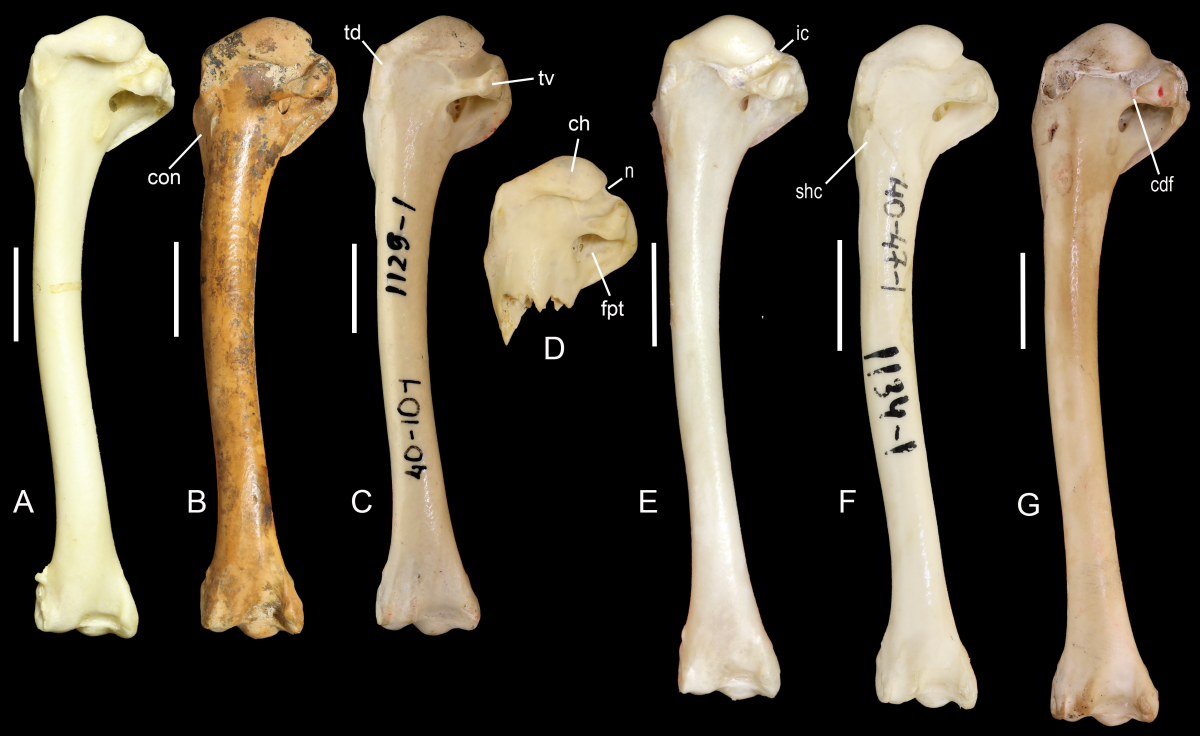
During a joint expedition to the mountains of western Cuba, researchers uncovered a rare complete bone from a bird that lived between 18,000 and 11,000 years ago.
The humerus, pulled from a well-preserved ancient layer of sediment, belonged to a new extinct species of duck named Amazonetta cubensis, or the Cuban teal, according to a May 9 study published in the peer-reviewed journal Zootaxa.
The Cuban teal is described as “a relatively small duck” with many physical similarities to its closest living relative, the Brazilian teal, according to researcher Nikita Zelenkov.

Zelenkov said the discovery is significant because it “for the first time indicates a wider distribution of Amazonetta ducks” during the later Quaternary period, which spanned from the later or upper Pleistocene and Holocene epochs.
According to the study, many insular or island duck species had reduced flying abilities. Experts point to a lack of island predators as the reason for this change.
The Cuban teal, however, likely never lost its ability to fly. If it did, it would “almost certainly have been one of the main prey items of raptors and as a result would have been relatively common in the fossil record,” according to Zelenkov.
Zelenkov said duck fossils are “extremely rare” in the West Indies, with only two other fossil ducks ever reported in Cuba.
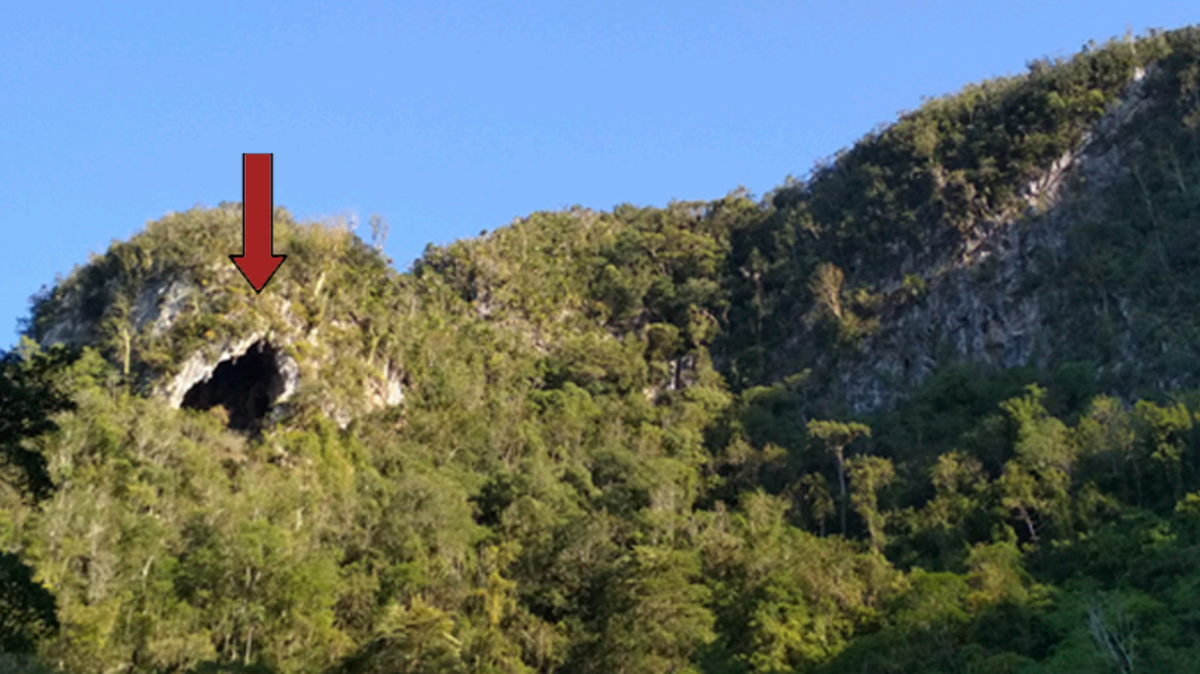
The fossil was discovered in El Abrón Cave in Western Cuba’s Pinar-del-Río province, the study said.
The extinct species was discovered in a geological layer of the cave dating back to the Late Pleistocene epoch, Zelenkov said. This particular layer is “rich” with vertebrate remains left behind by ancient avian predators, specifically barn owls, according to the study.