‘Extremely rare’ unidentified fossil sitting in museum is a new extinct species
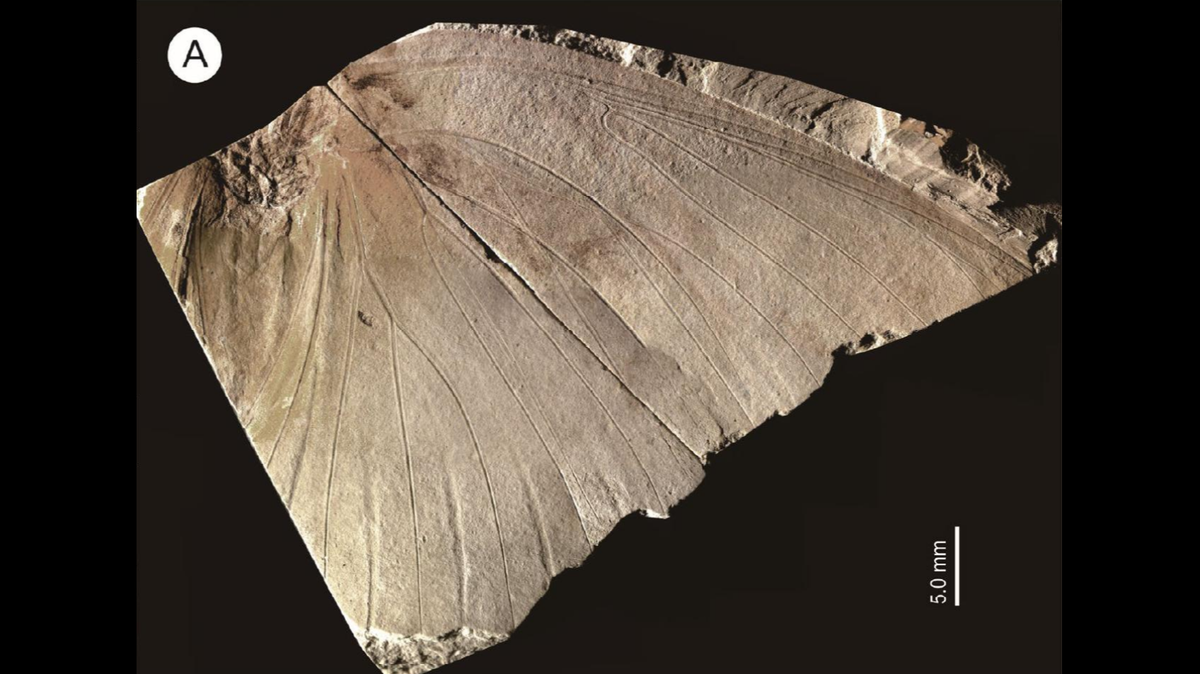
For decades, an “extremely rare” fossil sat unidentified in Japan’s Museum of Unique Insect Fossils.
Discovered in 1988 in Hyogo Prefecture, the imprint of a large butterfly wing and body is now confirmed to belong to an extinct species that’s new to science, according to a May 2 study published in the journal Paleontological Research.
Tacola kamitanii, named for fossil finder Kiyoshi Kamitani, is unique for its “remarkably large” wingspan, estimated to be nearly 3.5 inches, according to the study.
This is the first butterfly fossil from Early Pleistocene epoch, researchers said, meaning Tacola kamitanii likely lived between 2.6 million and 1.8 million years ago.
It is the youngest, or most recent, example of an extinct butterfly, researchers said.
The extinct species was a member of the Limenitidini subfamily of butterflies. Living examples from this subfamily include viceroys and admirals. This is the first named fossil from the Limenitidini subfamily, researchers said.
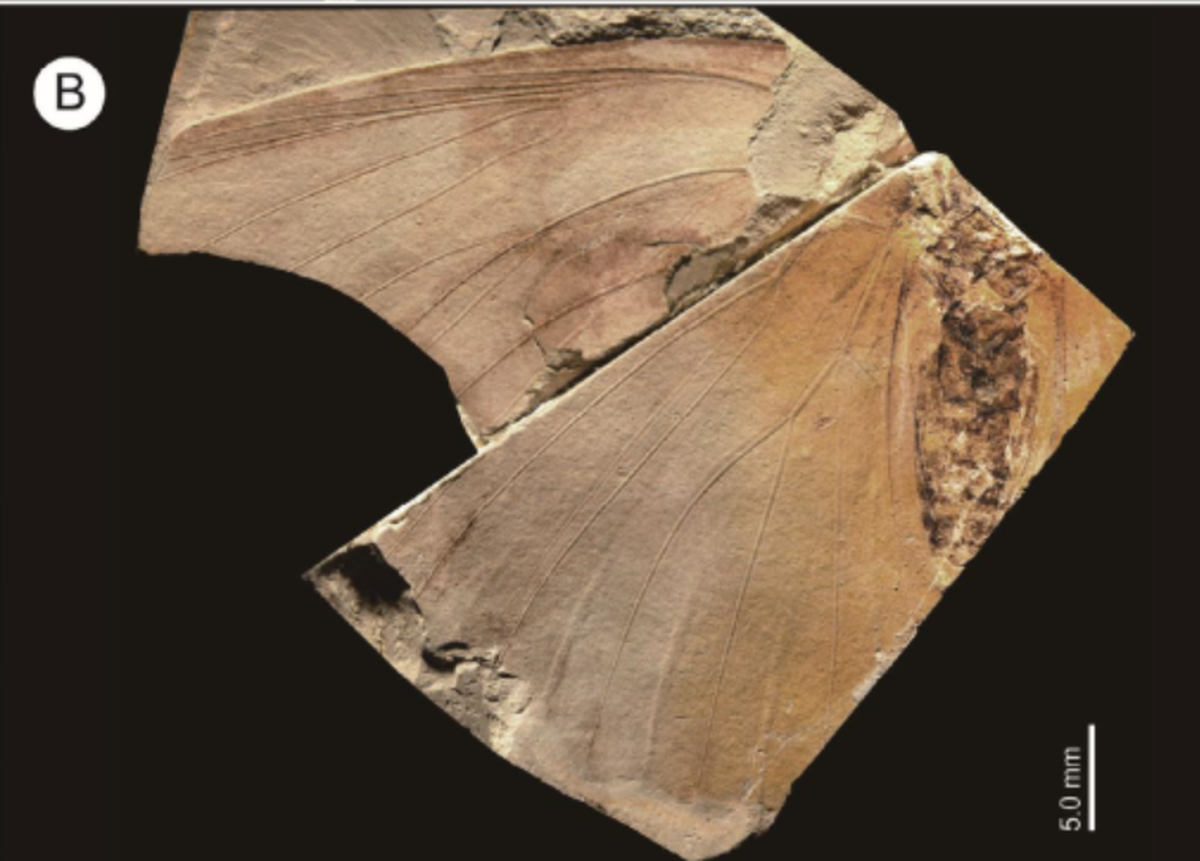
“Butterfly fossils are extremely rare,” researchers said in the study. “Butterfly bodies and wings are fragile and buoyant, making them less likely to be preserved as fossils than other insect groups.”
The fossil is considered to be from a female butterfly based on its large body size and “very thick” abdomen, according to the study.
Tacola kamitanii may have lived in warm to mild zones as the Japanese islands shifted from a warm to a cold climate a global temperatures shifted from the Late Pliocene to Early Pleistocene, researchers said.
Researchers said the discovery of the fossil in Japan extends the distribution of the Tacola group of butterflies and “suggests that during the Late Pliocene to Early Pleistocene” the genus was widely distributed in Southeast Asia and East Asia.”
The fossil was discovered in the town of Shin’onsen in northeastern Hyogo Prefecture, according to the study. Shin’onsen is about a 115-mile drive northeast from Osaka.
The research team included Hiroaki Aiba, Yui Takahashi and Kotaro Saito.