
‘Loved’ infant twins found in ‘rare’ burial in Roman cemetery in Croatia. ‘Poignant’
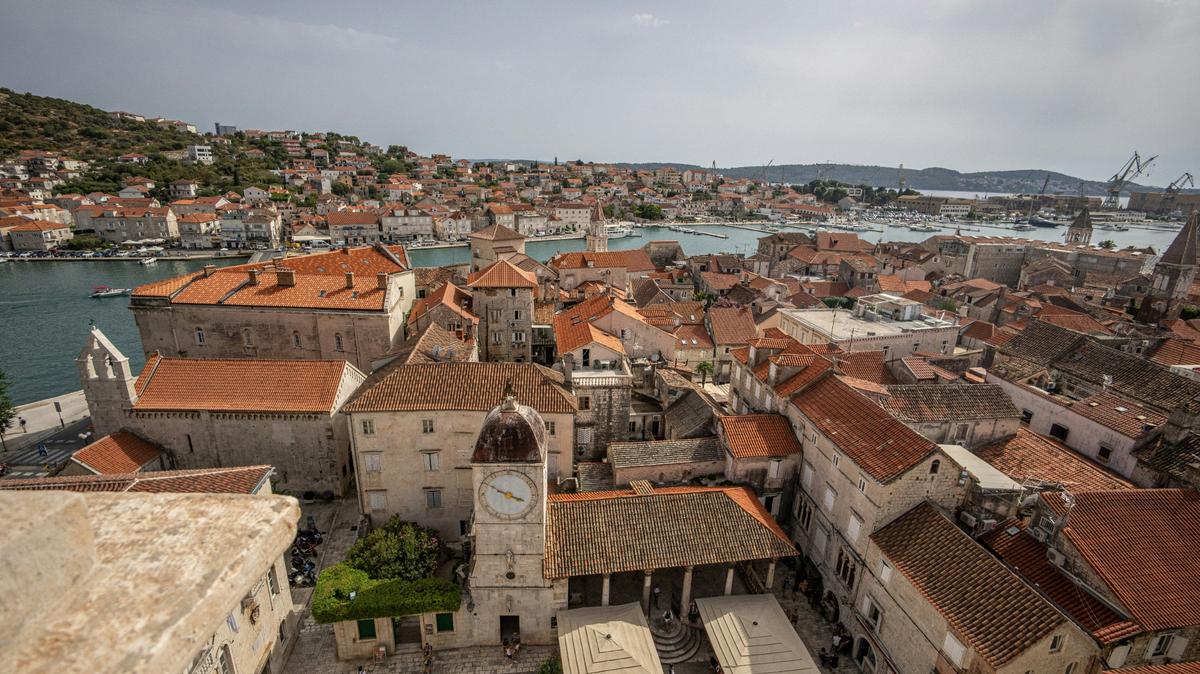
In 2016, construction on a private parking lot in Trogir, Croatia, destroyed layers of an ancient cemetery.
Construction teams learned of their mistake when they discovered several stone urns, followed by 42 human burials that had not been completely damaged by the work.
The site became known as the Dragulin villa cemetery, part of the Tragurium communal necropolis in the Roman city of Tragurium, researchers said in a study published March 1 in the Journal of Archaeological Science: Reports.
The cemetery dates between the first and fourth centuries B.C., according to the study, and excavations over many years allowed researchers to get a better understanding of the cemetery’s occupants.
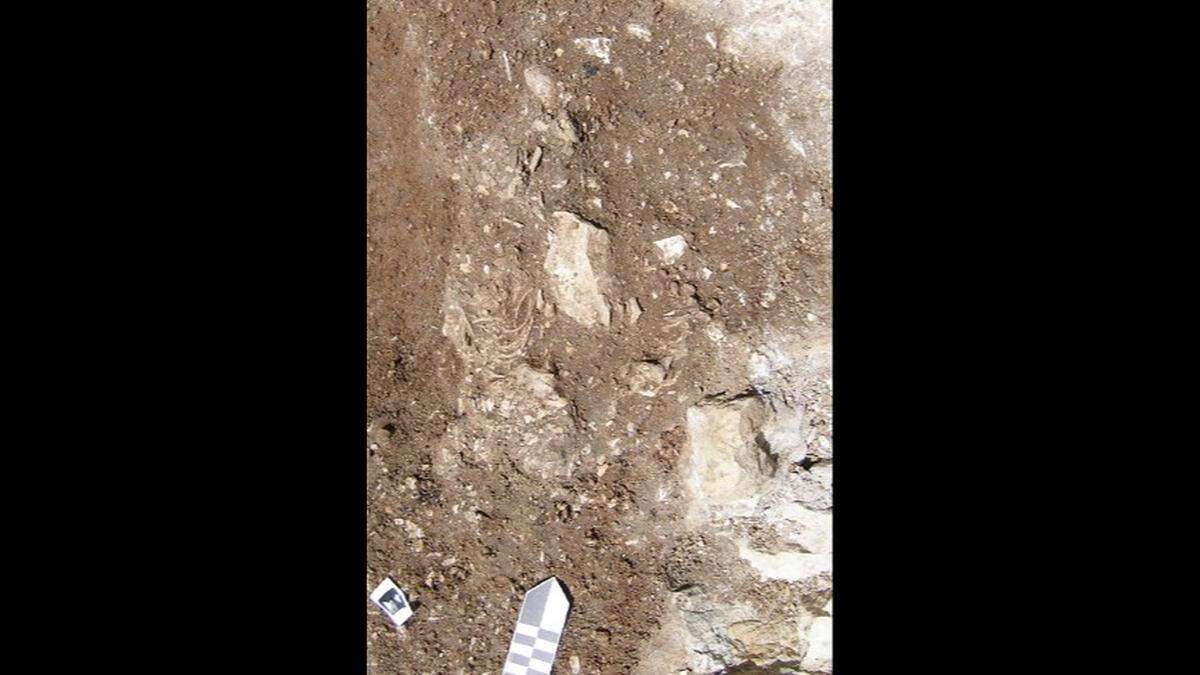
One “rare” burial caught their attention — two infants buried facing one another.
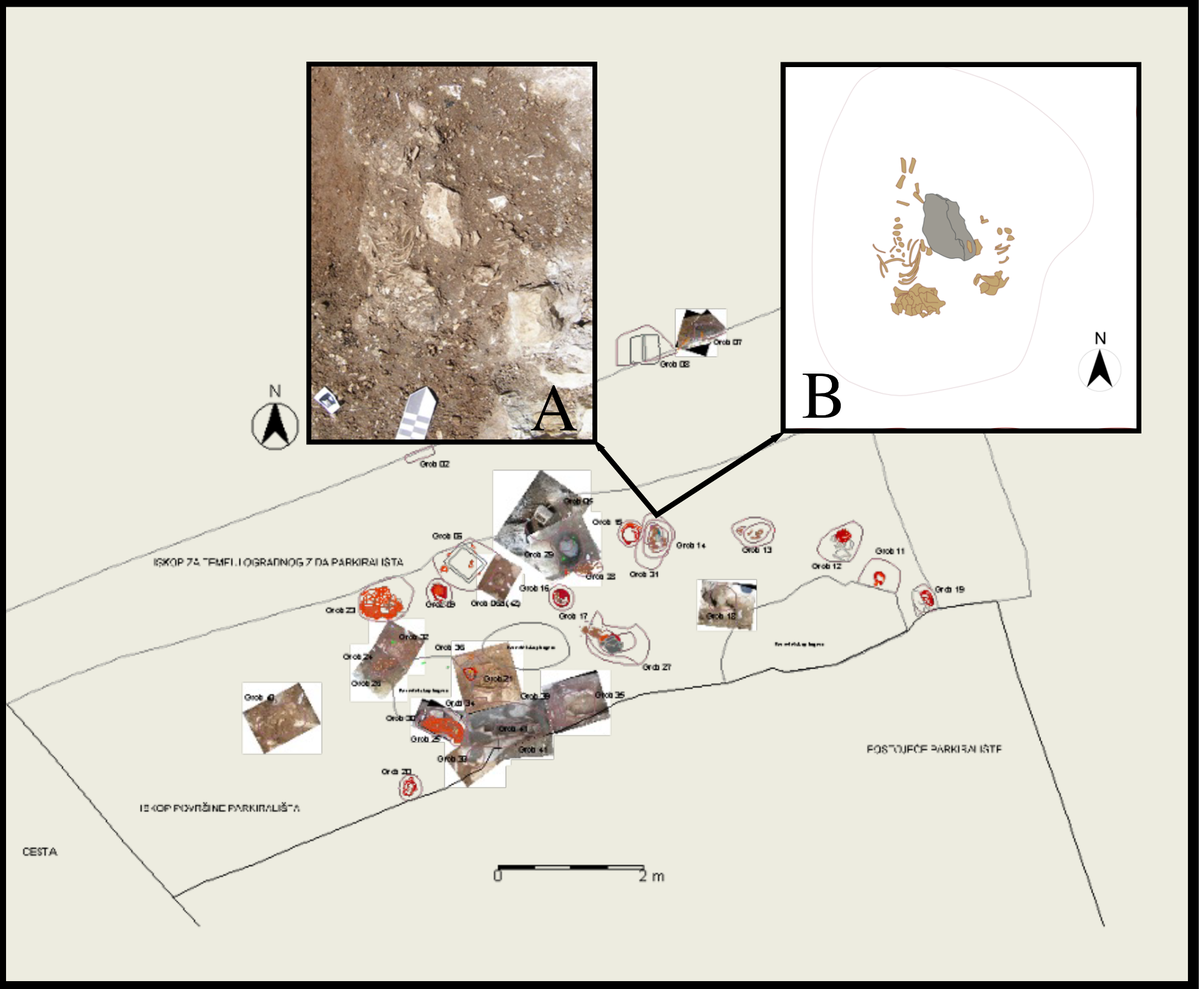
Genetic testing confirmed that the two infants were fraternal twins, a boy and a girl, and they were both between the ages of 0 and 2 months, possibly stillborn, according to the study.
“This burial was found in a portion of the community cemetery that seems to have been set aside for individuals who died very young,” study author Anna Osterholtz, a researcher from Mississippi State University, told McClatchy News in an email.
“It is one of very few double burials known in Croatia and in this cemetery in particular and is the only double burial of very young individuals in the cemetery,” Osterholtz said.
The preservation of the remains was poor, according to the study, but additional analysis of the bones revealed details about the twins’ possibly very short lives.
“Both individuals have evidence of long-standing systemic metabolic disease,” according to the study. Since the twins are so young, this is likely a reflection of the health of their mother, as all of their nutrition would stem from her, whether in utero or through breast milk, researchers said.
The metabolic disease may have been brought on by scurvy, a vitamin C deficiency or rickets, or vitamin D deficiency, both symptoms of malnutrition, according to the study.
The twins’ mother may also have had lead poisoning, a condition that is thought to have contributed to the fall of the Roman Empire, researchers said.
“Lead was widely used in the Roman world, particularly in urban settings. Plumbing pipes were made of lead, lead-lined ceramics were used to produce sapa, used to sweeten wine and to preserve fruits. Lead-based paints were commonly used in particularly upper-class structures, and sheet-lead toys have been recovered from sites across the Roman Empire,” according to the study.
Lead poisoning can also contribute to higher rates of miscarriages, stillbirths and infant mortality, researchers said. Lead poisoning is transmitted through the placenta to her unborn child and again later through breast milk.
“Their burial together suggest (the twins) died at the same time or very nearly together,” researchers said. “This may suggest that they were full term but did not survive the birth process or that they failed to thrive immediately after birth. Their mother was unlikely to be able to produce breast milk that would have been nutritious enough to help, possibly due to increased exposure to lead that she also passed along through breast milk.”
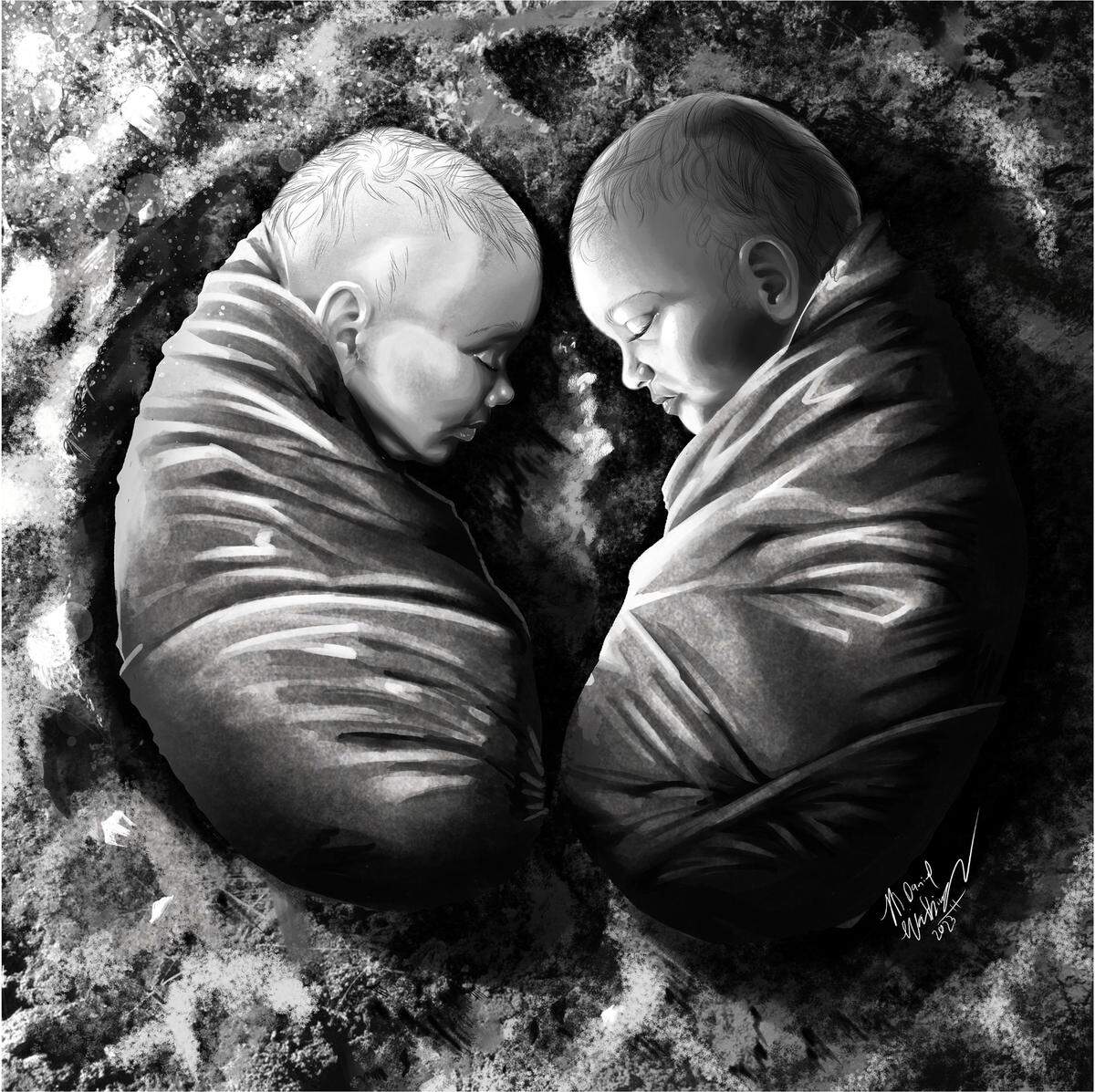
The children were very young, possibly never taking a breath, but they were still treated with care and grief by their family, according to the study.
“The image of the two infant twins, likely loved and welcomed by their families dying at or close to birth, is a poignant one,” researchers said.
Burial practices can be used to determine social relationships and community identity when other historical context isn’t available, researchers said, including how cultures buried children.
“Affection or care is always difficult to infer from the archaeological or bioarchaeological record, but placement of infants in double burials with their mothers as well as depictions of infants on mortuary monuments has been used to argue for affection and grief at the loss of a child within the Roman world,” according to the study.
The analysis of the twins is the first osteobiography published from the site, Osterholz said, and study of the bones found in the cemetery is ongoing.
Trogir is on the southern coast of Croatia, along the Adriatic Sea.
The research team includes Osterholtz, Mario Novak, Mario Carić and Lujana Paraman.
