‘Strong’-armed creature — with ‘golden’ eyes — found in China. See the new species
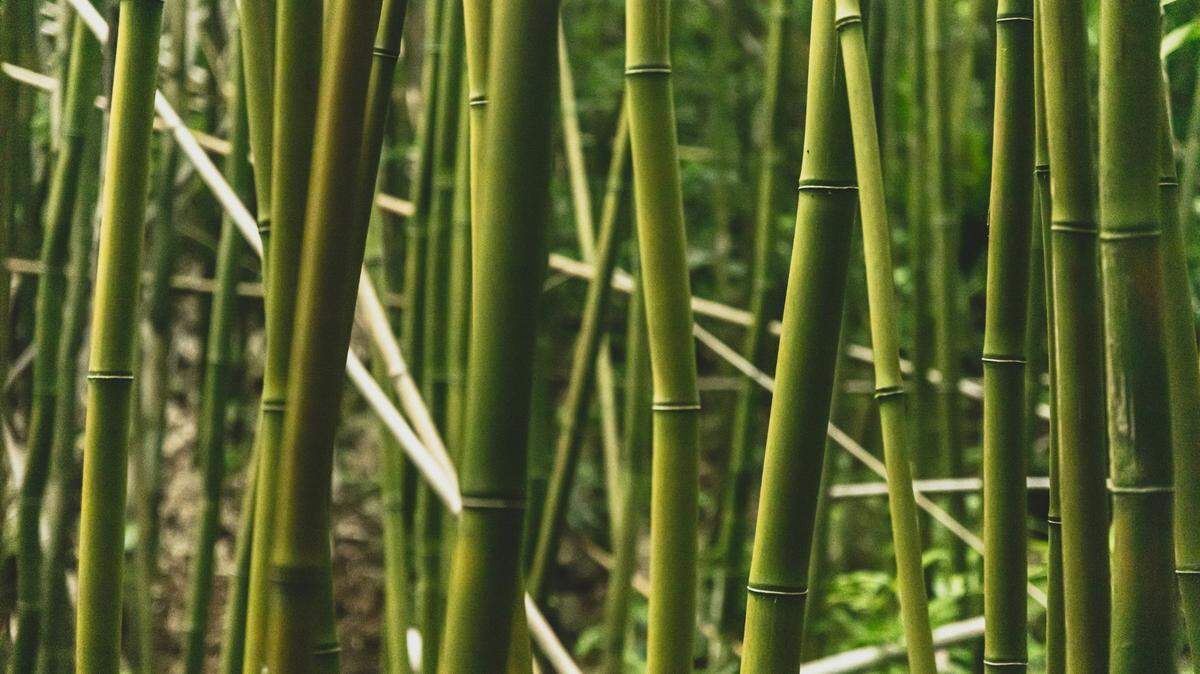
When a trunk of bamboo snaps in the forests of the Huaping National Natural Reserve, the life of the plant is not over.
Instead, the hollow interior fills with water and provides a home for new life to begin — via frog eggs.
A new species of tree frog was discovered laying its eggs in the tiny bamboo shaft puddles during surveys in the reserve in May 2022, according to a study published Feb. 21 in the peer-reviewed journal Zoosystematics and Evolution.
The micro-environment was perfect for the “small size(d)” frog, reaching just 1.1 inches long, according to the study.
The new species was named Gracixalus huaping, or the Huaping small tree frog.
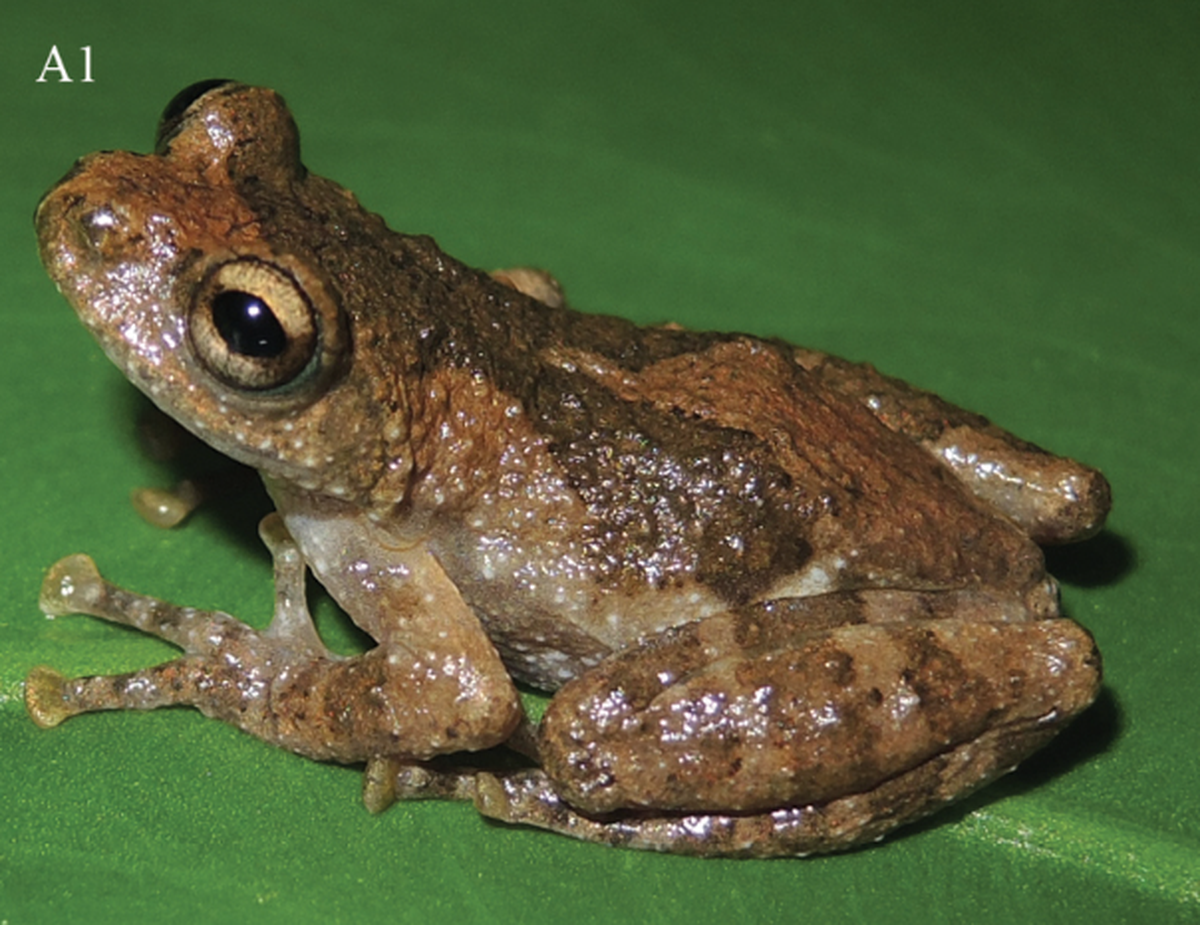
Researchers said the frogs have a wide head, with a rounded snout that slightly protrudes over their lower jaw.
The frogs have “relatively strong” forearms, measuring half the total length of their bodies and ending with disc-like toes, according to the study.
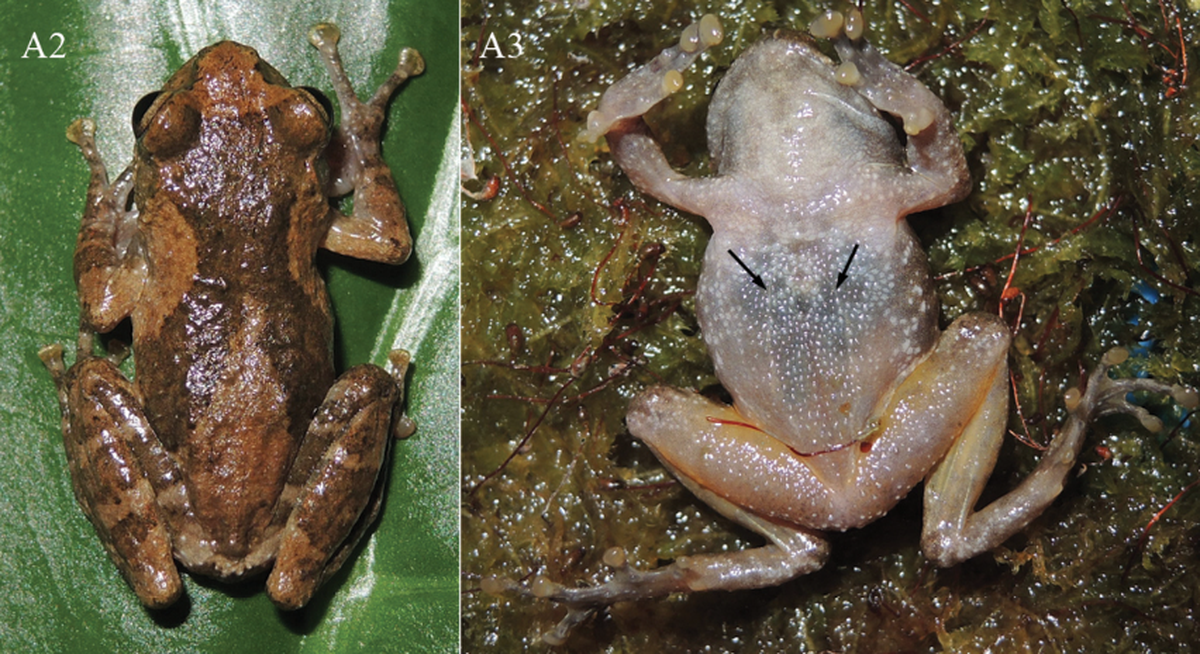
Their bodies are “light yellowish-brown,” with an “inverted Y-shaped marking” on their backs in a darker brown color, researchers said.
They have nearly translucent bellies covered with white spots, photos show, and a slightly yellow coloration on their sides and groin.
The irises of their eyes are “golden brown,” researchers said.
“Probably the new species is restricted to bamboo forest with evergreen forest,” researchers said. “All specimens were collected in daylight and were found in open-ended bamboos filled with a little water. Eggs with gel nests were deposited on the walls of open-ended bamboos, implying that the new species has entered breeding season in April.”
Bamboo is a treelike grass that is distributed across east and southeast Asia, and is known for its incredibly fast growth, sometimes reaching a foot of growth per day, according to Britannica.
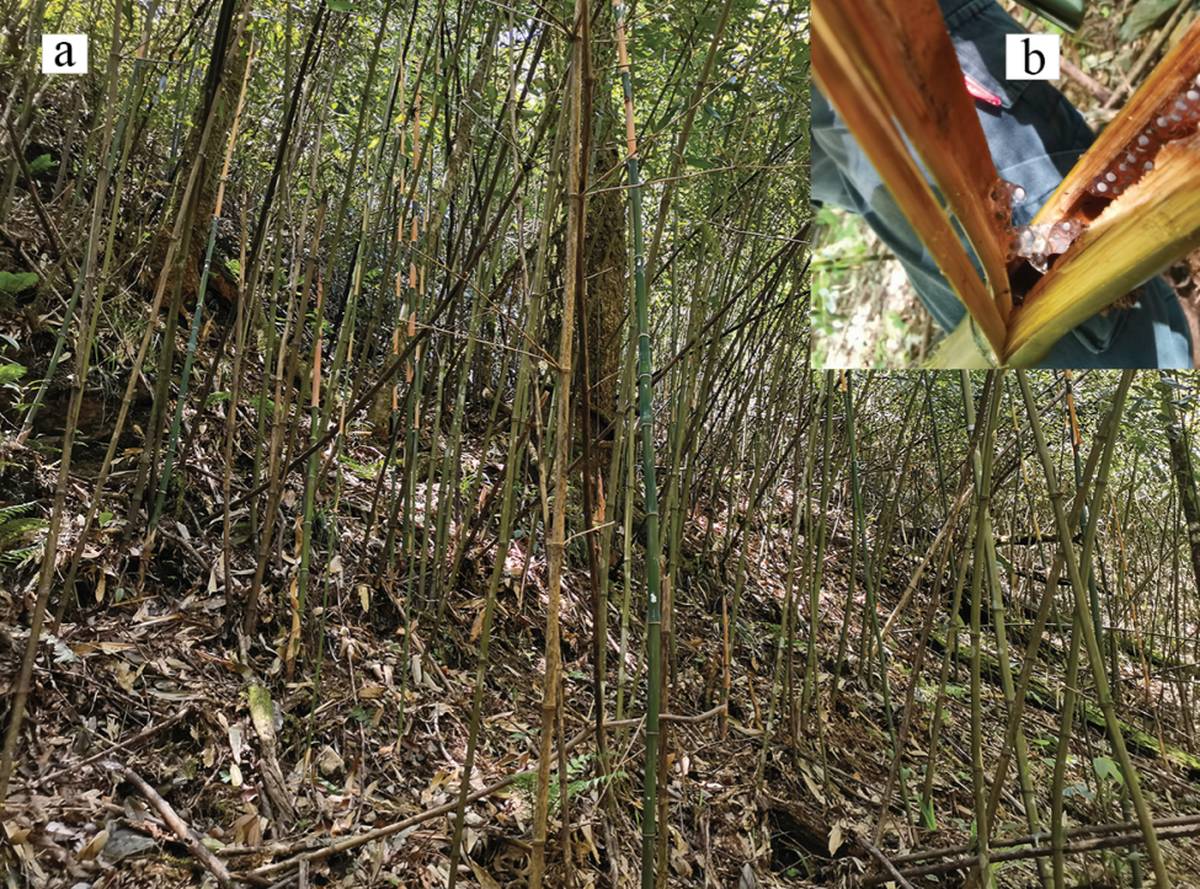
The new species was found in Huaping National Natural Reserve in Guangxi, an autonomous region in southern China.
The research team includes Jiaqi Luo, Ben’an Zhang, Yuanqiang Pan and Guohua Yu.