Tragic accident or deadly attack? Mysterious ancient remains stump experts in Ukraine
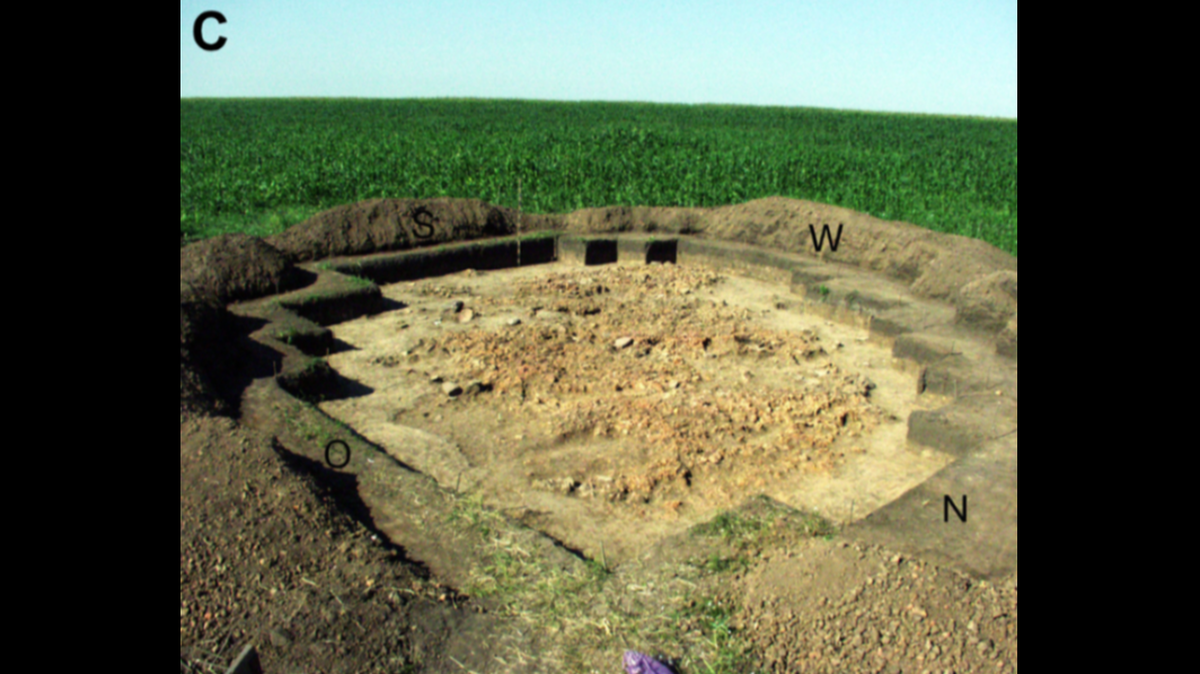
Thousands of years ago, in the vast lands that now make up eastern Europe, an ancient culture built metropolises.
Despite potentially being the oldest society in Europe, the people, called the Cucuteni-Trypillia, may also be some of the least well-known.
The Cucutine-Trypillia may have been the “first copper-processing society, whose settlements later reached sub-urban dimensions, with highly productive agricultural economies,” according to a study published Dec. 11 in the peer-reviewed journal PLOS One. But there is a significant lack of human remains that can be used to better understand their culture.
The lack of burials, graves and bodies found from this time period have led researchers to call the Cucutine-Trypillia the “missing dead,” according to the study.
Now, new analysis of some of the few bones that remain has found that people living 5,600 years ago in Ukraine may not have died in an accidental house fire, but rather may have been the victims of a brutal attack.
A nearly 200-acre Trypillia site lying on a plateau outside the modern-day village of Kosenivka was first discovered in the 1920s and is “considered to be one of the last Trypillia giant sites,” researchers said.
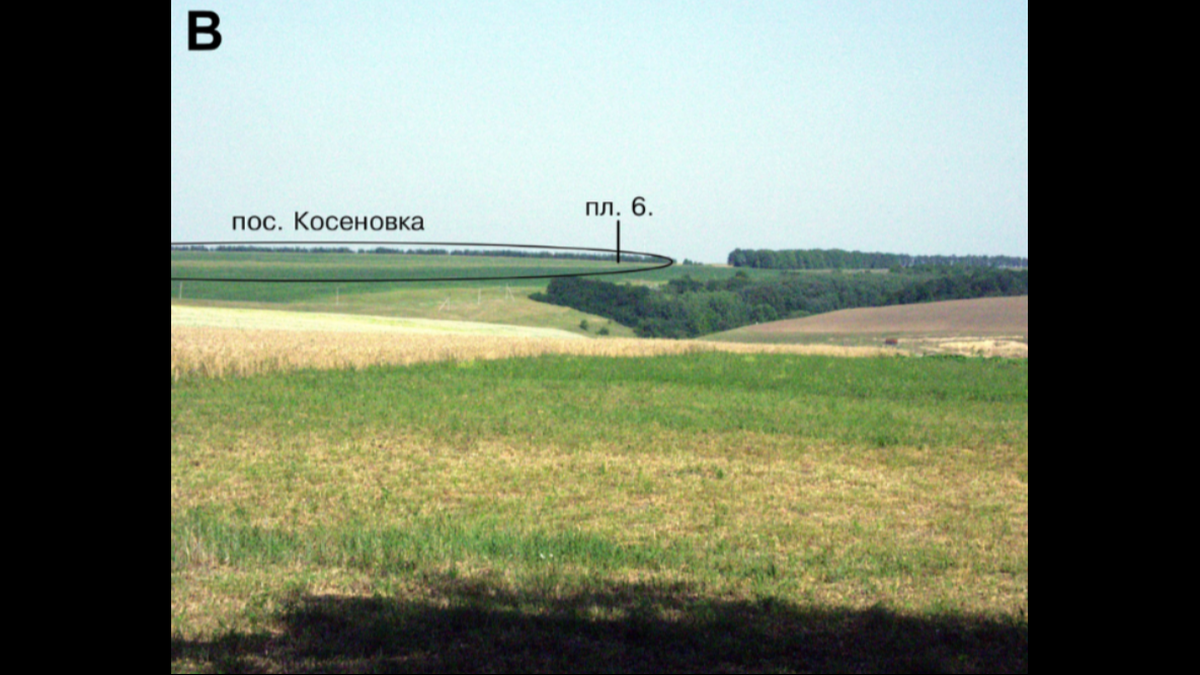
Excavations in the 1980s and 2004 unearthed the remains of a burned house, likely with two stories, according to the study. Along with the home were dozens of fragmented human remains, some calcified and others charred.
The remains belong to an estimated seven people, the researchers said. They include two young children; someone between the ages of 18 and 20, likely a girl; a middle-aged woman; and three middle-aged men. Some extra bones could not be placed and may belong to one of the seven or another individual.
“If the latter (unburnt bones) can be associated with later burials, the burnt skeletons may be associated with this dwelling,” according to a 2005 study translated by the authors. “In this case, it must be assumed that the dwelling was burnt by an accidental fire, which killed the people.”
But, in studying these bones again, researchers found signs of trauma on some of the skulls, something that wouldn’t have been caused by a house fire.
Fractures on the skulls of two of the people had little to no healing, meaning they occurred shortly before death, though the exact time is unknown, according to the study. The fractures were on the front of the skulls, suggesting they were intentionally made and not the result of an accident.
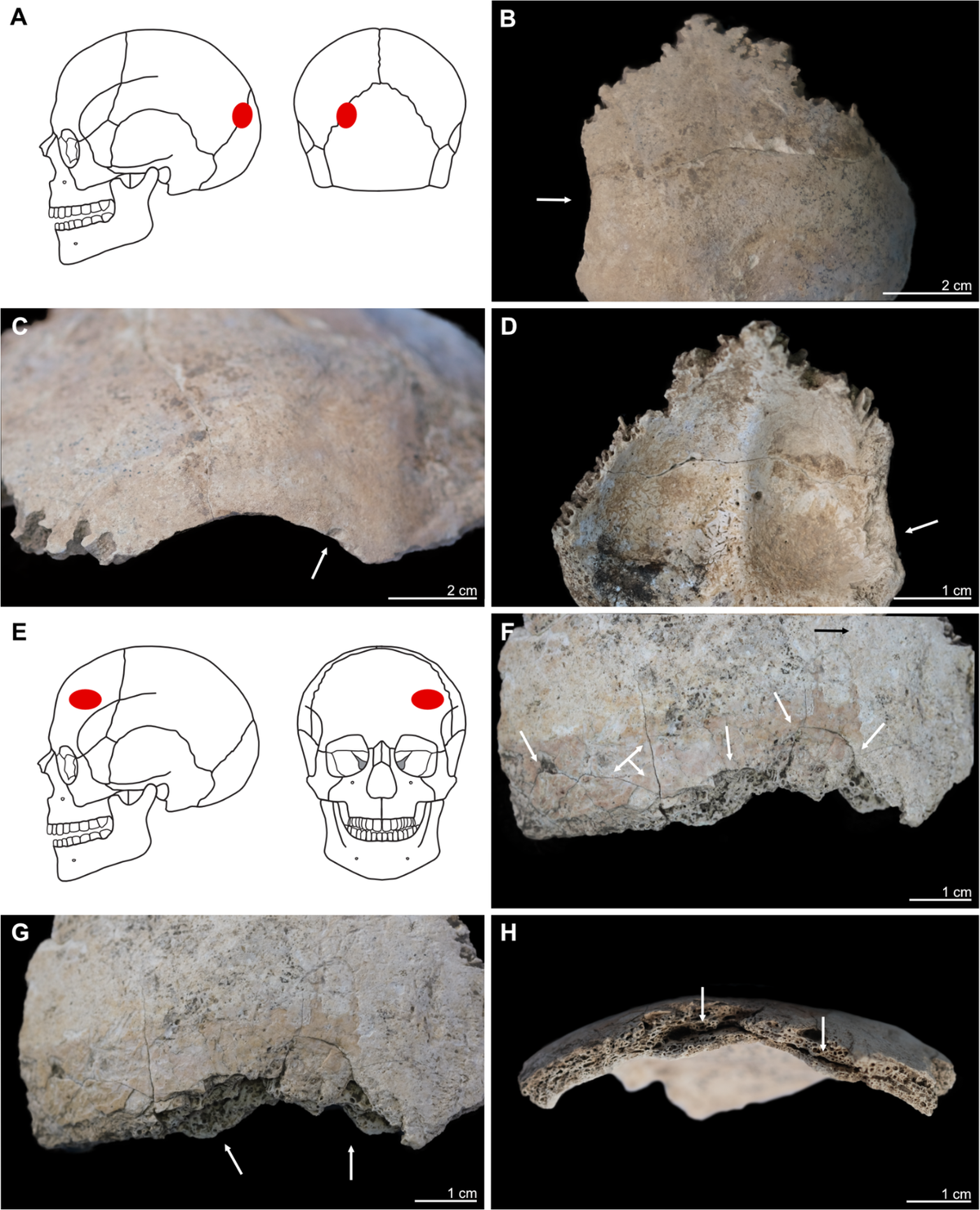
The researchers note that because of the combination of trauma and the house fire, there is a chance the two events are unrelated and the burning deaths of the other people were accidental, as previous studies suggested. However, there is another scenario.
“Some individuals may have died in the house and their remains combusted inside the house, whereas others may have managed to escape outside and perhaps died by carbon monoxide poisoning, their skeletal remains left unburnt. It cannot be determined whether the fire was an accident or was started deliberately,” researchers said. “Here, the probable violent deaths of individuals 1 and 6 are of interest. We can only speculate whether there was a connection between the fire and the act of deadly violence, i.e. killing the people in the house, leaving their corpses, and setting the house on fire.”
Other cases of interpersonal violence in the Trypillia megasites have been found before, researchers said, but with so little evidence of human remains, it’s hard to understand how a culture thought of as being cooperative would have handled violence, rather through ritual or conflict.
The researchers are left with more questions than answers, but the “exceptional” human remains offer a small insight into the once dominant culture’s personal lives, from the views of individuals from a shared household.
Kosenivka is in central Ukraine, about a 130-mile drive south from Kyiv.
The research team includes Katharina Fuchs, Robert Hofmann, Liudmyla Shatilo, Frank Schlütz, Susanne Storch, Vladislav Chabanyuk, Wiebke Kirleis and Johannes Müller.