Ancient Greco-Roman site — later used in WWII — unearthed in Egypt. See inside
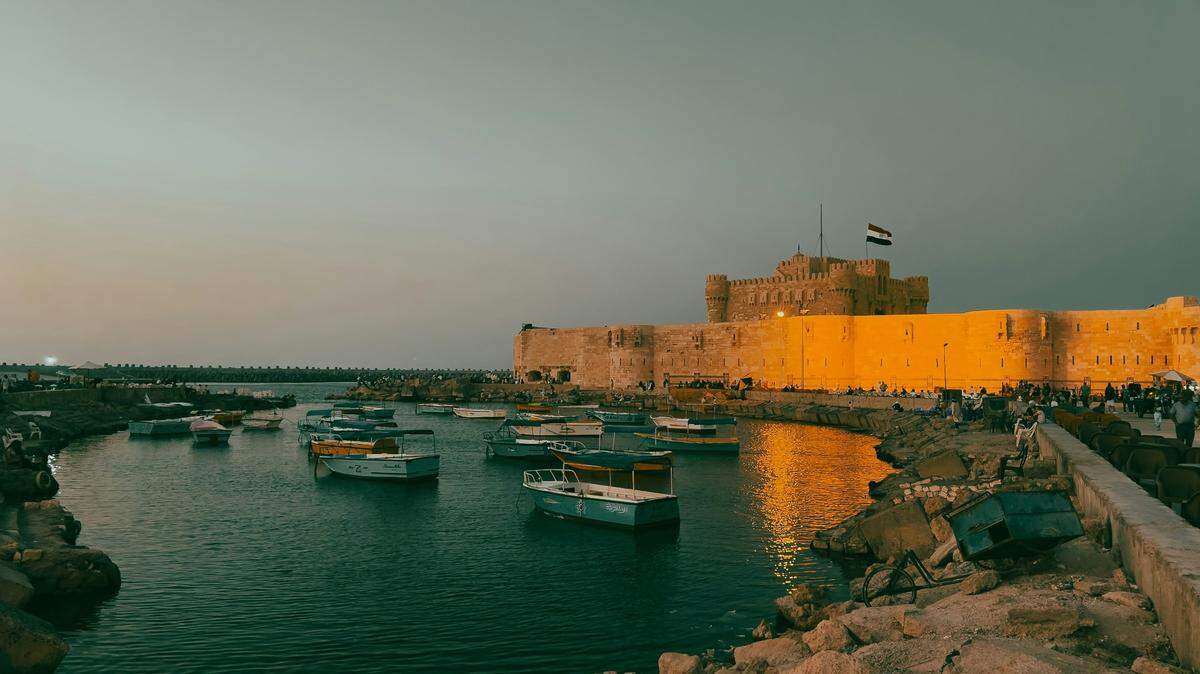
In 1940, at the height of World War II, Italy invaded Egypt from its colony in Libya.
The region later fell under the power of the Axis forces in 1941, threatening strategic assets in the Middle East like the Suez Canal and Persian oil held by British forces.
Then came the Battles of El Alamein.
Two battles, fought on the northern shore of Egypt in 1942, would come to represent a turning point in the war in North Africa, ultimately ending in an Axis defeat and British occupation, according to the United Kingdom National Army Museum.
Millennia of history came before the war on the same soil, called Darazya, so when researchers started to excavate the site in 2021 and 2022, they found more than just the remains of a battleground.
They discovered buildings thousands of years old.
“The ancient ruins known as Darazya are located (about 62 miles) west of Alexandria on the coast of the Arab’s Gulf,” researchers said in a Dec. 3 study published in the peer-reviewed journal Antiquity. “They are interspersed today with impressive Second World War structures from the Battle of El-Alamein. The remains of Greco-Roman buildings, corresponding with the location of Darazya, were mentioned by early nineteenth- and twentieth-century travellers to the Mediterranean coast of Egypt.”
The nearby area is being developed for a tourist resort, researchers said, so archaeologists were called in to explore the ruins for the first time.
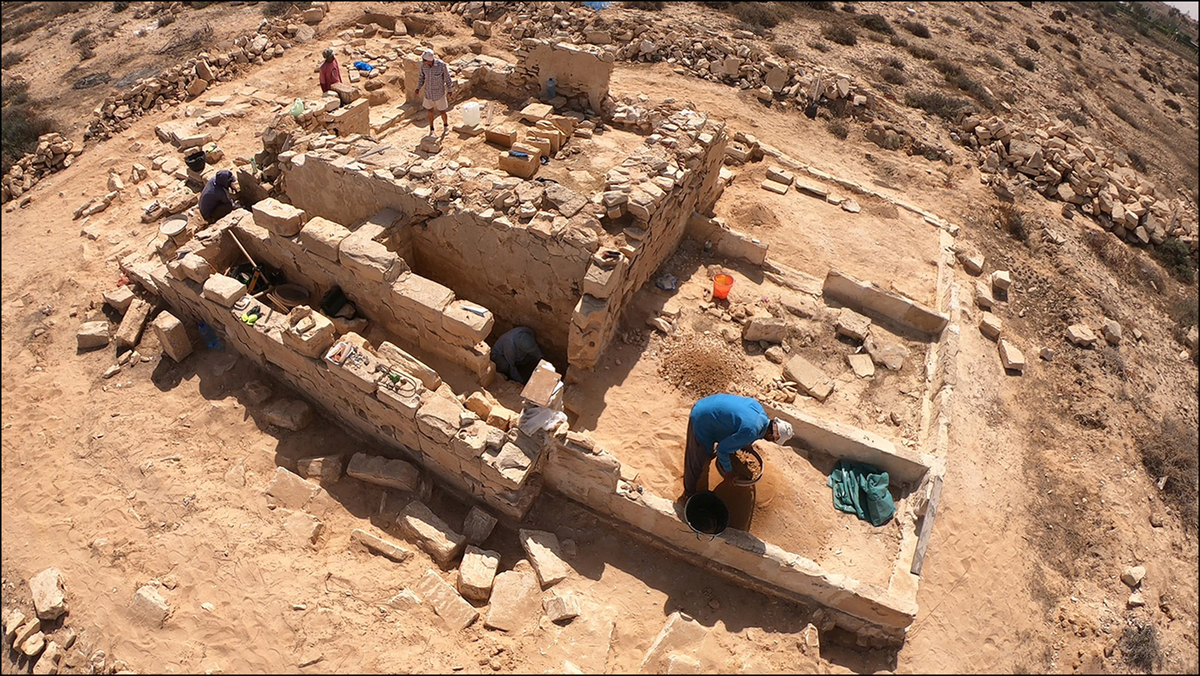
“The main features are vestiges of an ancient settlement — residential houses, other above-ground structures and two underground cisterns — and Second World War monuments,” researchers said.
They have primarily unearthed the outer walls of these residential buildings, according to the study, including some walls reaching heights over 5 feet.
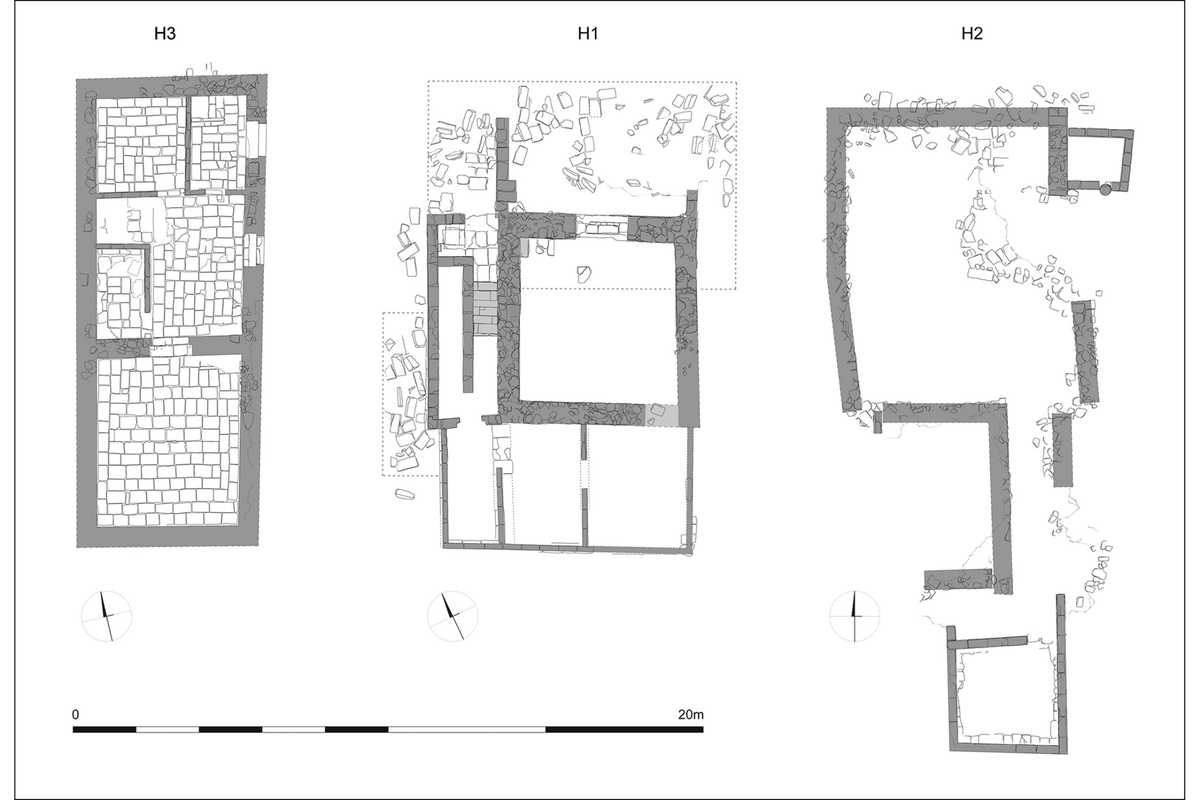
The first house follows an oikos-type style, a Greek residential home built around a main reception hall, according to the study. A stairwell on one end is next to three interconnecting rooms with multiple entrances into the main hall. Researchers said the full extent of the home has yet to be uncovered.
A second home, called House 3, has the same architecture with a main reception room opening to a courtyard, the space surrounded by four smaller rooms, researchers said.
The third house appears to be more than just a residential building, according to the study. It is the most exposed of the three structures and has three larger interconnected rooms. Researchers found fragments of a column within the space, suggesting there are more developed areas of the building still below the surface.
The homes were built using “rubble masonry,” chunks of rock stuck together with clay and then plastered with mortar, according to the study. Partitions within the homes and the floors were made with limestone slabs.
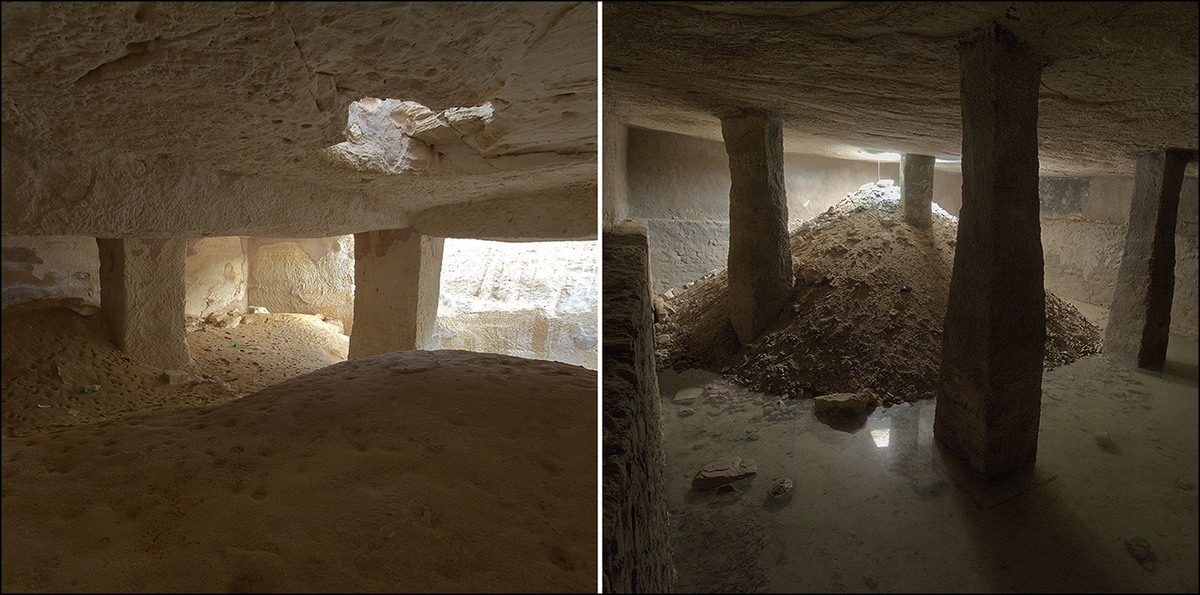
“Two large underground cisterns with central rectangular pillars are carved into the limestone bedrock,” researchers said. “These distinctive structures could only be accessed through narrow shafts from above.”
Each cavernous space is about 16 feet tall with walls ranging from 35 to 50 feet long, according to the study. Originally, they would have been covered with water-safe mortar.
“These well-preserved cisterns and channels provide a better understanding of the extensive water supply systems of the settlements in this semi-arid area,” researchers said.
The overall building plans and remains of architectural decoration date the residences to the Hellenistic-Roman period, the three centuries of Greek history between the death of Alexander the Great and the formation of Rome, from 323 to 31 B.C.
Pottery found at the site, including shards of amphorae (vases), cooking pots, frying pans and thin-walled bowls, date to the first and second centuries A.D. during Roman occupation, according to the study.
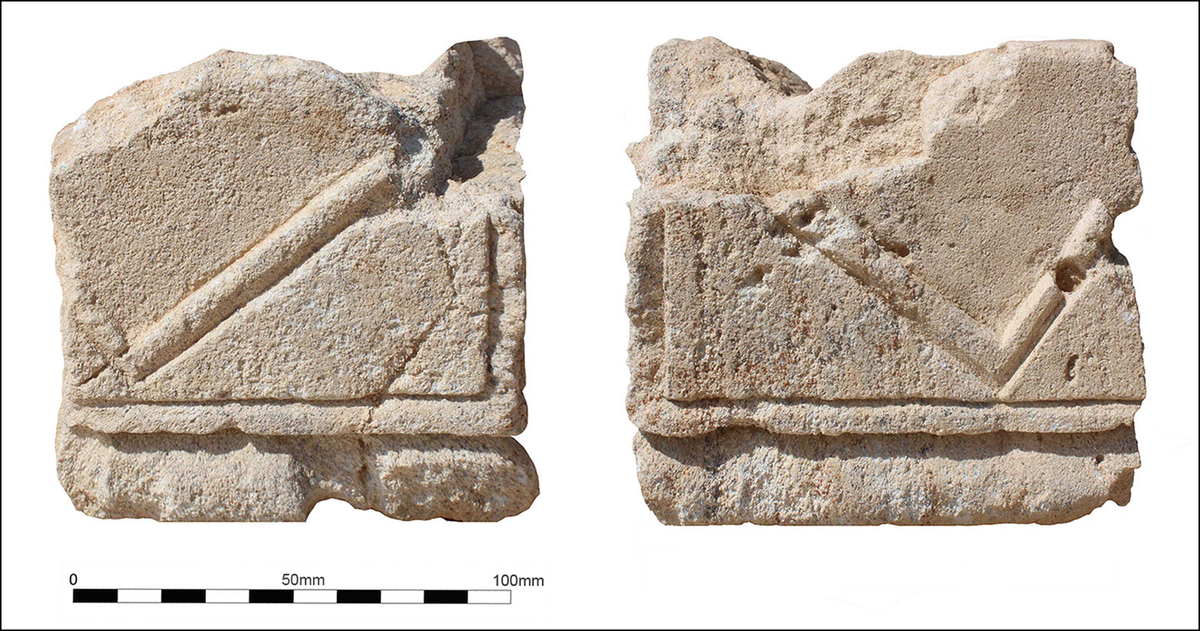
“Other finds include fragments of small, decorated stone altars and cornices, possibly from cult niches, which would suggest domestic worship,” researchers said.
The site’s ancient ruins are also dotted with World War II structures, according to the study.
“Numerous military structures from 1941-1942, when British Army units were stationed there, are also preserved at the Darazya site. The main monument is a complex of 17 underground shelters linked by corridors, with three entrances from ground level,” researchers said.
Two years of excavations at the site are just the beginning, according to the study, and Darazya will likely become a regional tourist attraction after the buildings and items have been conserved and protected.
The site is about 60 miles west of Alexandria, on Egypt’s northern coast.
The research team includes Rafał Czerner, Grażyna Bąkowska-Czerner, Piotr Zambrzycki, Wiesław Grzegorek and Szymon Popławski.