Ancient writing — using possibly ‘oldest known alphabet’ — unearthed in Syria. See it
UPDATE: This story has been updated to include a quote from archaeologist Glenn Schwartz.
Long before the “A, B, C Song” — built upon the Latin alphabet — and the alphas, betas and gammas of Ancient Greek, cultures around the world were communicating with one another.
The Sumerians of Mesopotamia built a language from cuneiforms, or small images, thousands of years ago. The Ancient Egyptians developed hieroglyphics, and Chinese characters built the written language piece by piece.
Alphabetic language, or written language made of individual phonemes (distinct units of sound), is a newer invention, but now, archaeologists believe they have discovered the “oldest known alphabet” ever found.
“Previously, scholars thought the alphabet was invented in or around Egypt sometime after 1900 BCE,” Glenn Schwartz, a professor of archaeology at Johns Hopkins University, said in a Nov. 20 news release from the university. “But our artifacts are older and from a different area on the map, suggesting the alphabet may have an entirely different origin story than we thought.”
At an archaeological excavation site in western Syria, Schwartz unearthed a “finger-length” clay cylinder with etched phonemes, according to the university. The artifact dates to around 2400 B.C., making the clay more than 4,400 years old.
Schwartz presented his discovery Nov. 21 at the American Society of Overseas Research’s Annual Meeting.
“The older known writing systems use symbols or characters to represent words, but also syllables or combinations of phonemes (the smallest sound segments that languages have). Alphabetic characters refer only to phonemes,” Schwartz told McClatchy News in an email. “So Sumerian and Egyptian have thousands of characters, while alphabetic systems only have 20-30 since that’s the usual maximum number of phonemes a language will use.”
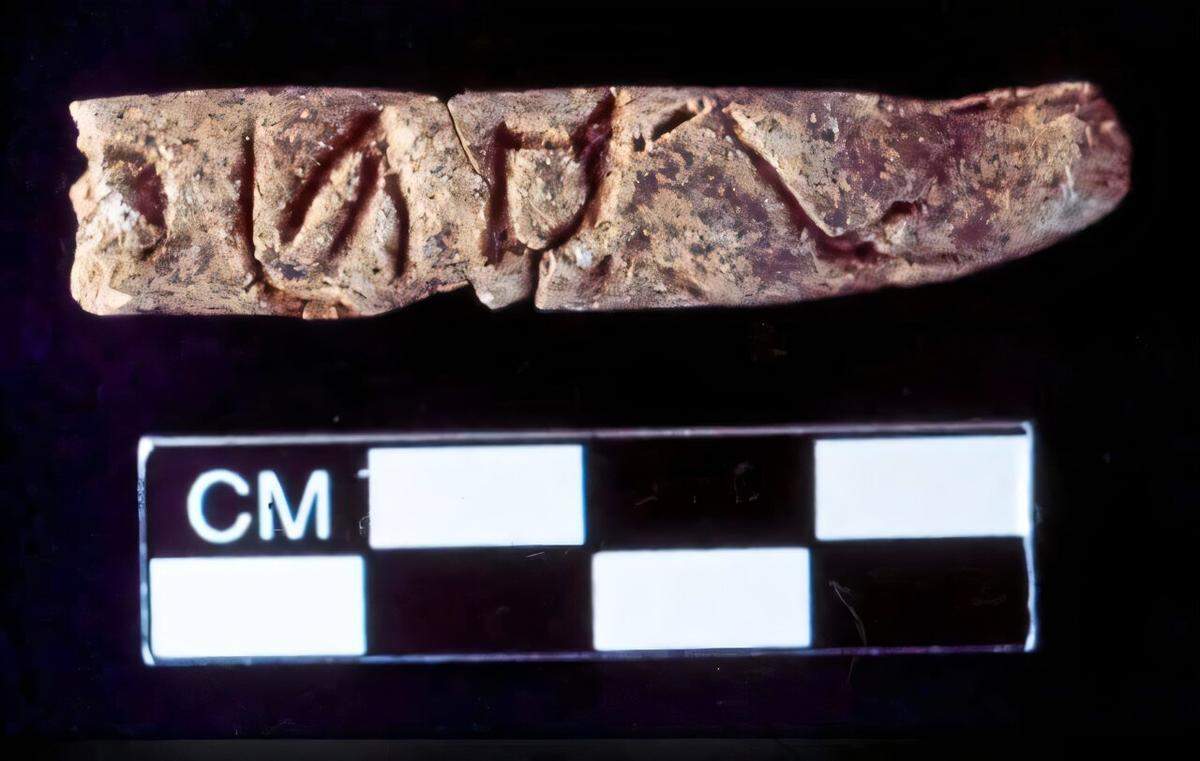
The age of the clay makes it older than any other examples of written alphabetic language by about 500 years, suggesting not only were alphabetic languages developed earlier than previously thought but also in a different geographic region, according to the university.
“Alphabets revolutionized writing by making it accessible to people beyond royalty and the socially elite. Alphabetic writing changed the way people lived, how they thought, how they communicated,” Schwartz said. “And this new discovery shows that people were experimenting with new communication technologies much earlier and in a different location than we had imagined before now.”
The clay was found at Tell Umm-el Marra, “one of the first medium-sized urban centers that popped up in western Syria,” and the subject of a 16-year investigation co-directed by Schwartz.
Archaeologists working the site have discovered Early Bronze Age tombs, the university said, including a well-preserved grave with six burials inside.
The bodies were accompanied by gold and silver jewelry, cookware and a spearhead, and pottery vessels that were still intact, according to the university. Four “lightly baked clay cylinders” were next to the pottery and were etched with alphabetic writing.
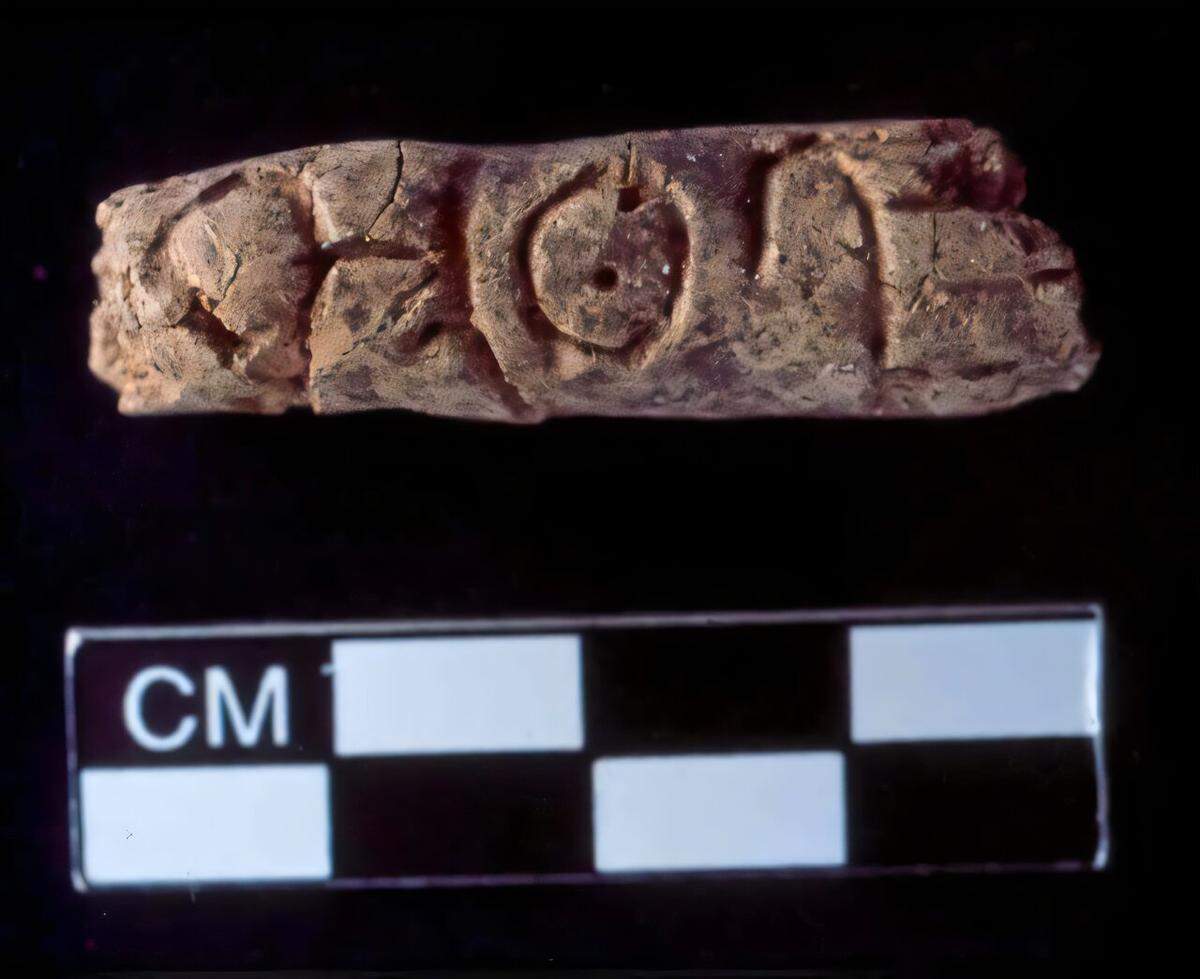
“The cylinders were perforated, so I’m imagining a string tethering them to another object to act as a label. Maybe they detail the contents of a vessel, or maybe where the vessel came from, or who it belonged to,” Schwartz said. “Without a means to translate the writing, we can only speculate.”
Schwartz said the age of the site and clay pieces was confirmed with carbon-14 dating techniques, a process that measures the breakdown of carbon over time.
Tell Umm-el Marra is in western Syria, about a 35-mile drive east from Aleppo.
This story was originally published November 21, 2024 at 1:05 PM.