1,500-year-old grave — with remarkable accessories — found in Germany. See the finds
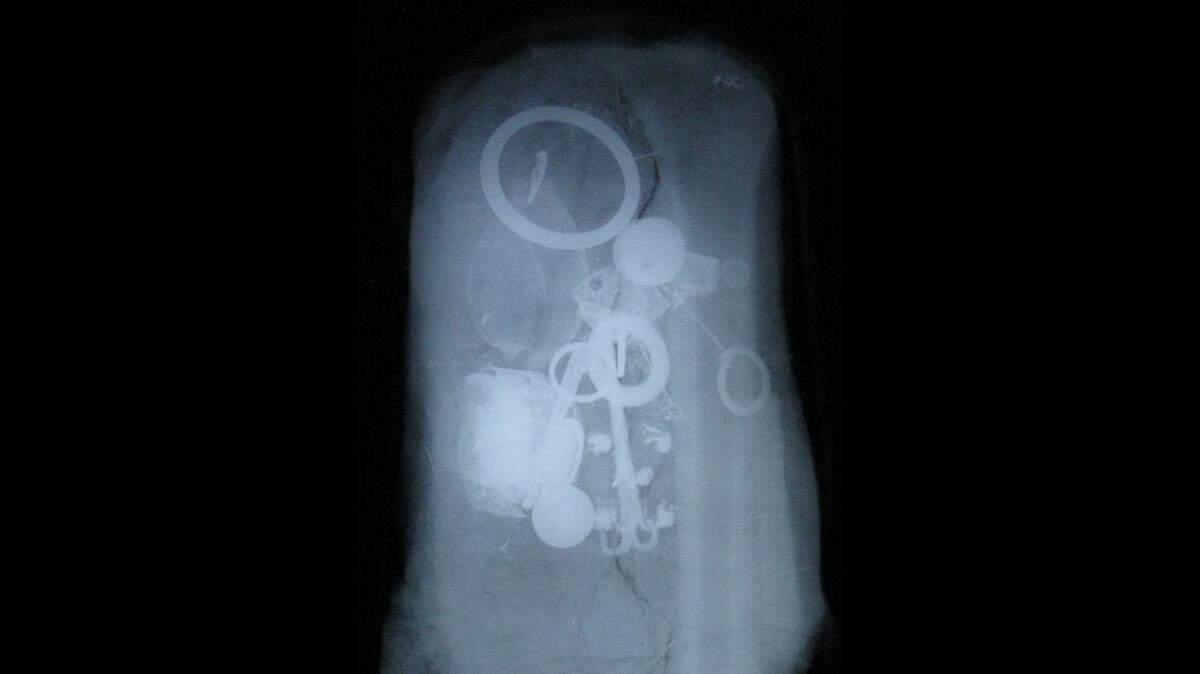
For over a thousand years, a remarkable collection of accessories sat in an ancient Roman grave in southern Germany — but not anymore. Take a look at the artifacts that stunned archaeologists.
Archaeologists uncovered the rusty ensemble while excavating a 1,500-year-old burial in Pförring in 2016, the Bavarian State Office for Monument Preservation said in a Sept. 19 news release.
The pile of blue-green trinkets sat on the ancient woman’s thigh bone and were originally connected with leather straps, archaeologists said. A photo shows the half-buried artifacts.
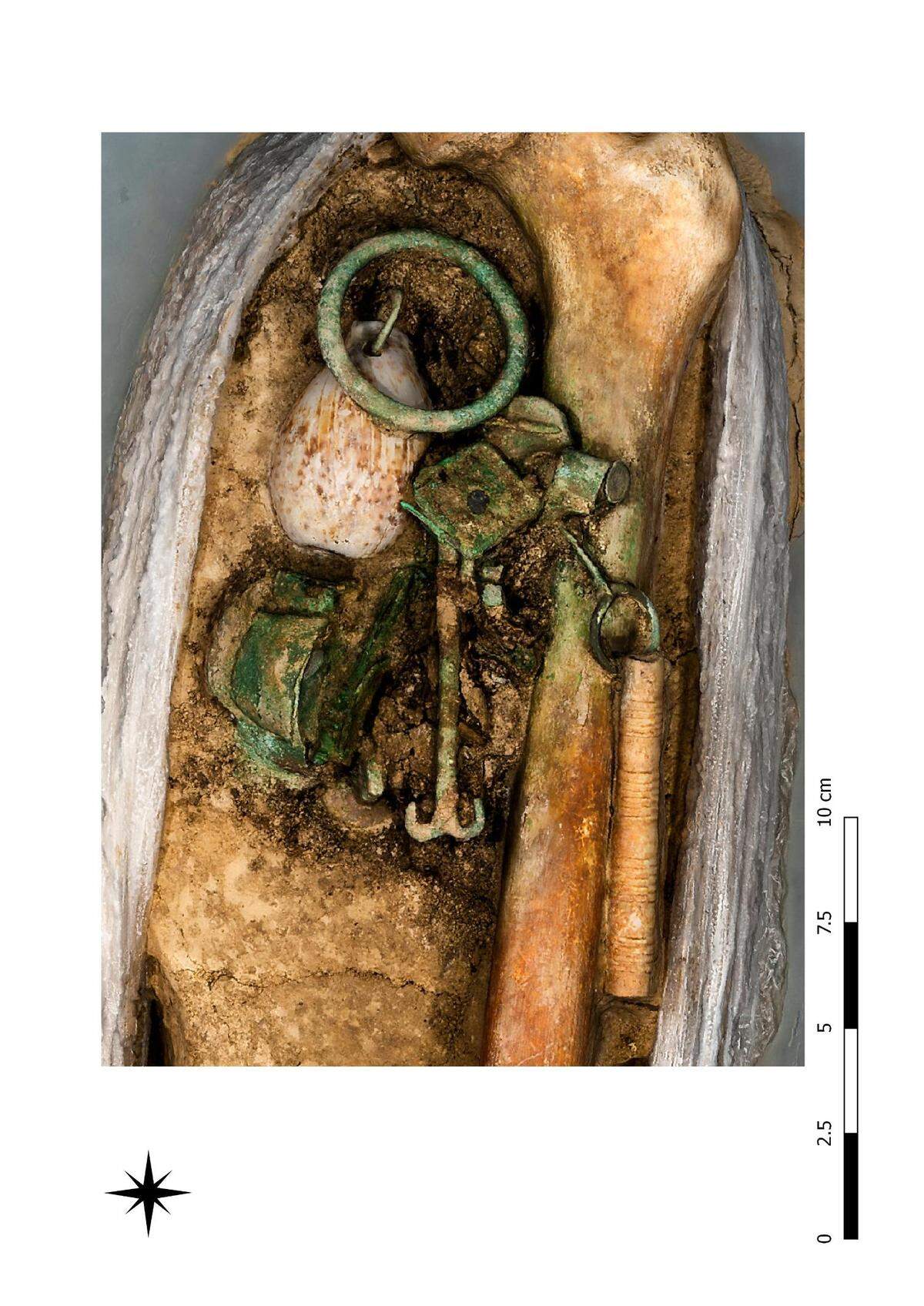
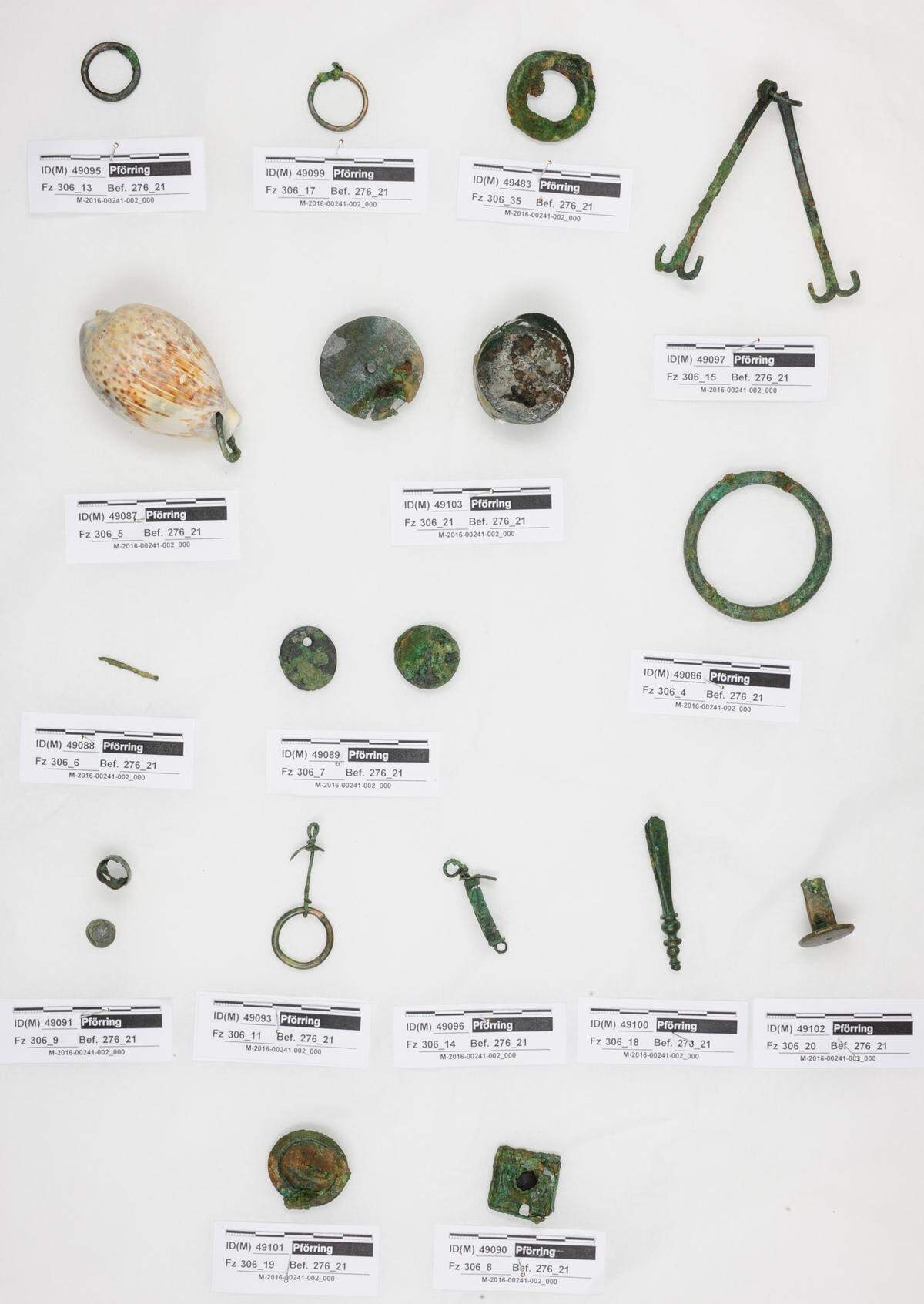
The 1,500-year-old accessories included several rings, three ancient Roman coins, a bone needle box, two keys, a decorative disc with glass, a walnut pendant and a snail shell. The variety of items stunned archaeologists.
Another photo shows the individual artifacts after being X-rayed and restored.
Archaeologists likened the finds to ancient belt charms and suspect they were both fashionable and symbolic.
Officials also compared the ancient accessories to a Bavarian charivari, a belt chain adorned with coins or other items and worn as part of a traditional southern German costume. Charivari were inspired by watch chains during the Napoleonic era but served a similar function as the artifacts found in Pförring.
Pförring is a district in Bavaria and a roughly 300-mile drive southwest of Berlin.
Google Translate was used to translate the news release from the Bavarian State Office for Monument Preservation.