Rock overhang turns out to be ‘rare’ prehistoric site in Tajikistan. See its artifacts
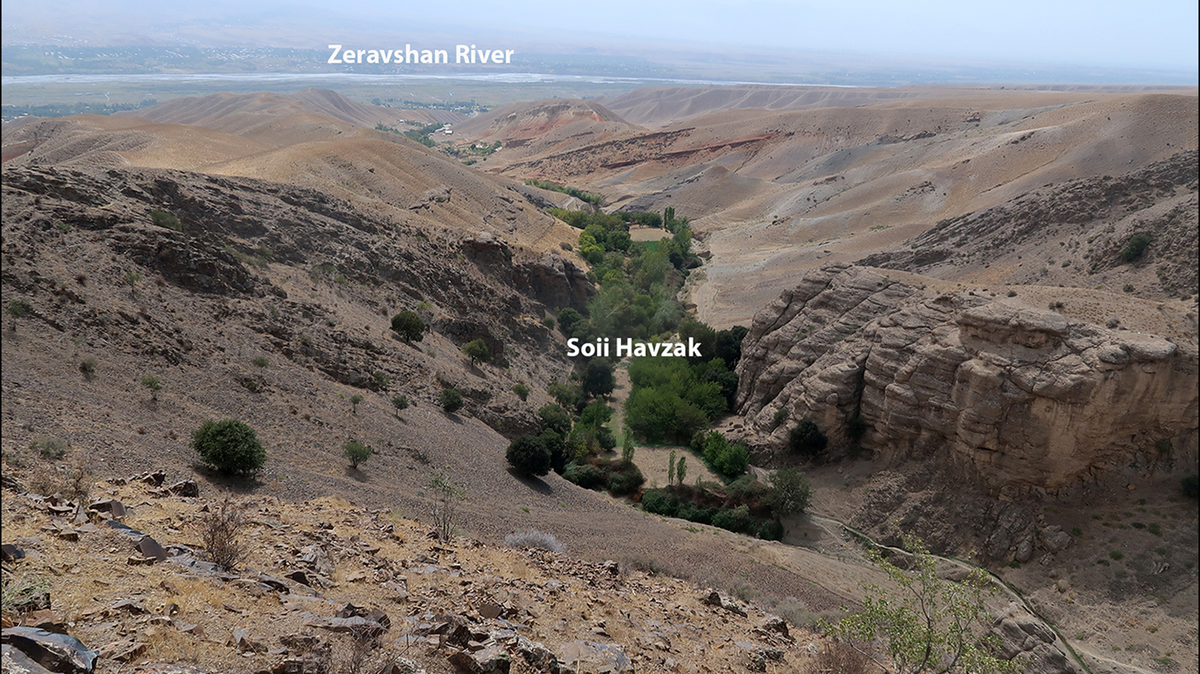
Walking through a river valley in central Asia, a team of archaeologists scanned the craggy landscape for anything that looked even remotely human-modified. One rock overhang caught their attention — and for good reason.
It turned out to be a “rare” prehistoric site with hundreds of artifacts.
Yossi Zaidner and Sharof Kurbanov surveyed Tajikistan’s Zeravshan Valley in 2022 with one goal in mind: find any traces of Paleolithic life, they wrote in a study published Nov. 4 in the peer-reviewed journal Antiquity.
The Paleolithic era spanned hundreds of thousands of years, but the researchers were looking for finds from its Middle and Upper periods, which began roughly 250,000 years ago and ended around 10,000 years ago.
During the survey, researchers noticed a rock shelter “carved into a cliff face about 40 meters (130 feet) above the stream” with some stone artifacts nearby.
Curious, they decided to investigate.
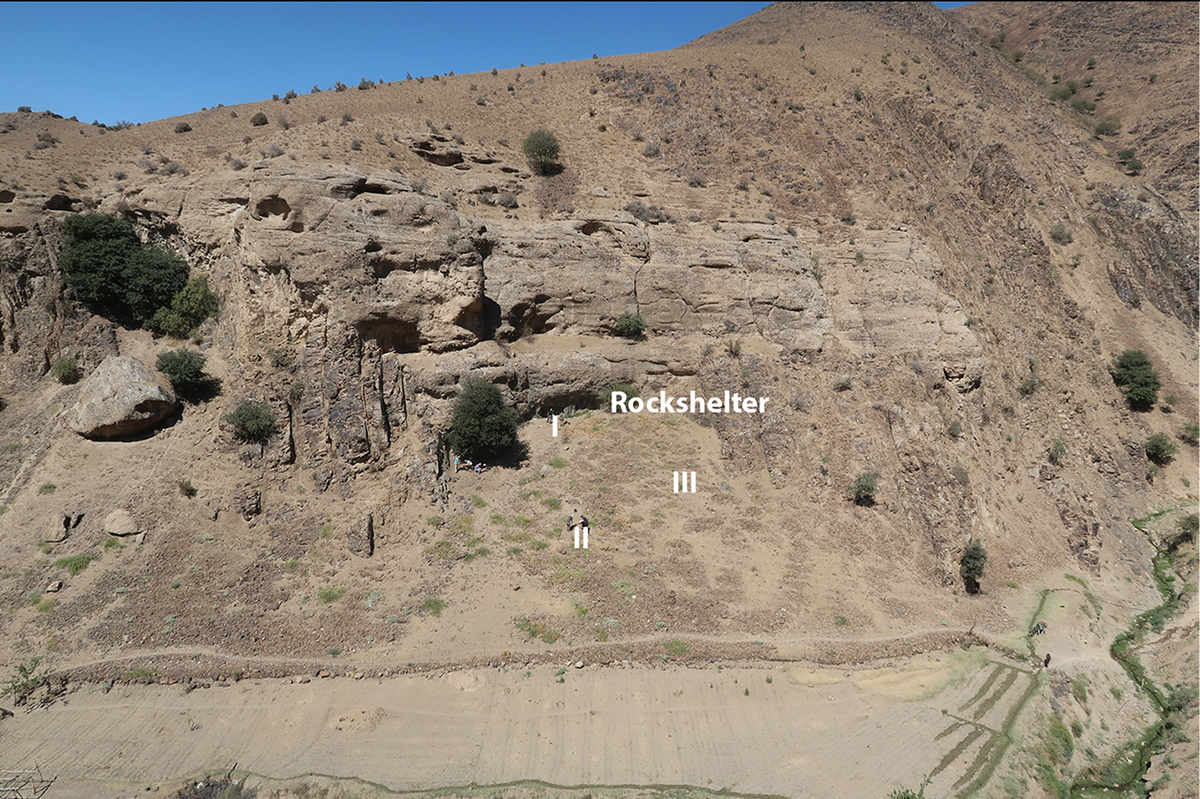
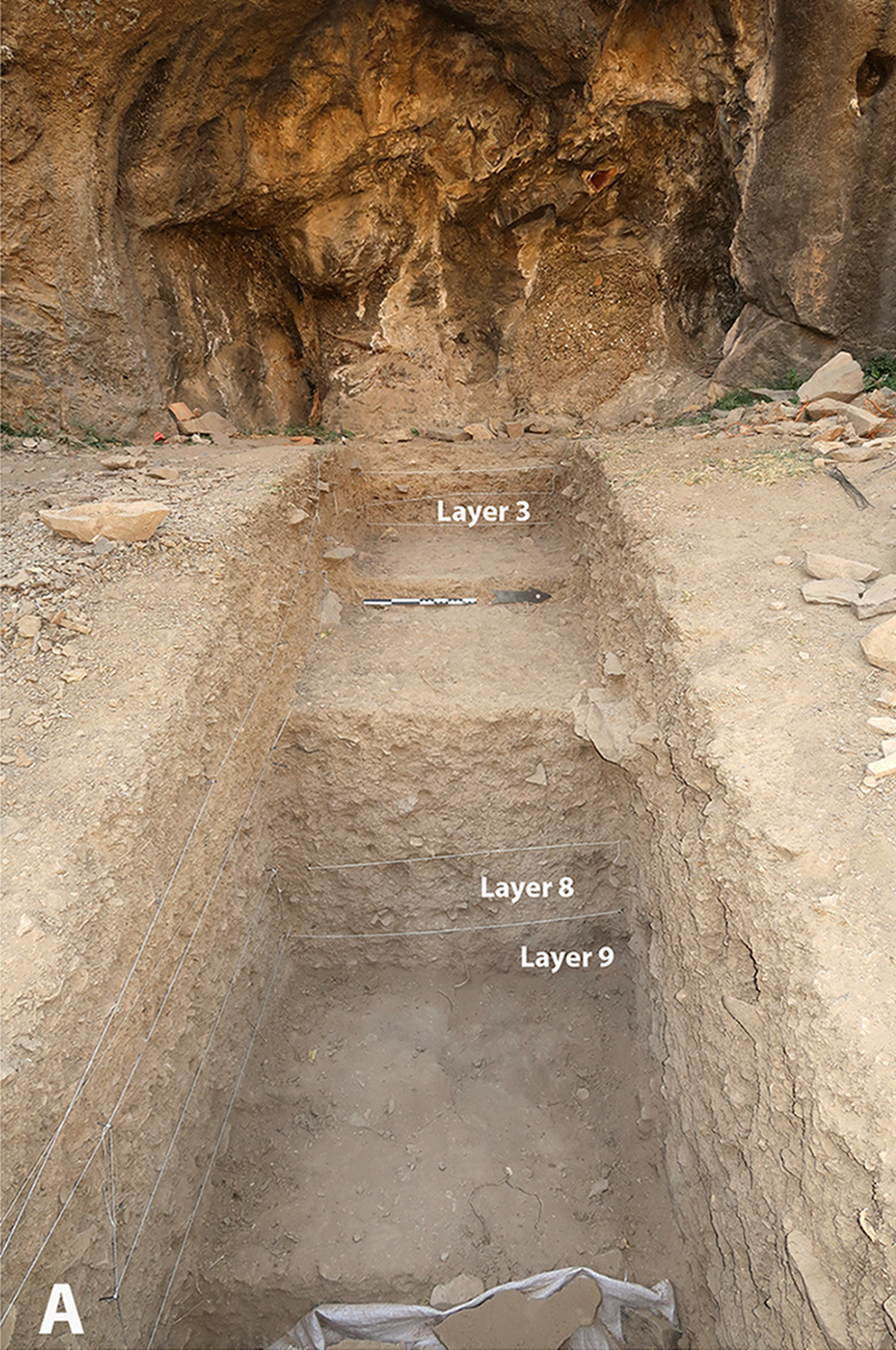
The team dug three trenches at the rock shelter, nicknamed Soii Havzak after the nearby stream, the study said. The finds confirmed their suspicions: the site was occupied during several Paleolithic periods.
“Systematic Palaeolithic research in Central Asia” began during the 1930s under Soviet archaeologists, but the “region is still relatively under-explored,” researchers said. As a result, Paleolithic sites with multiple periods of use are a “rare” find for the region.
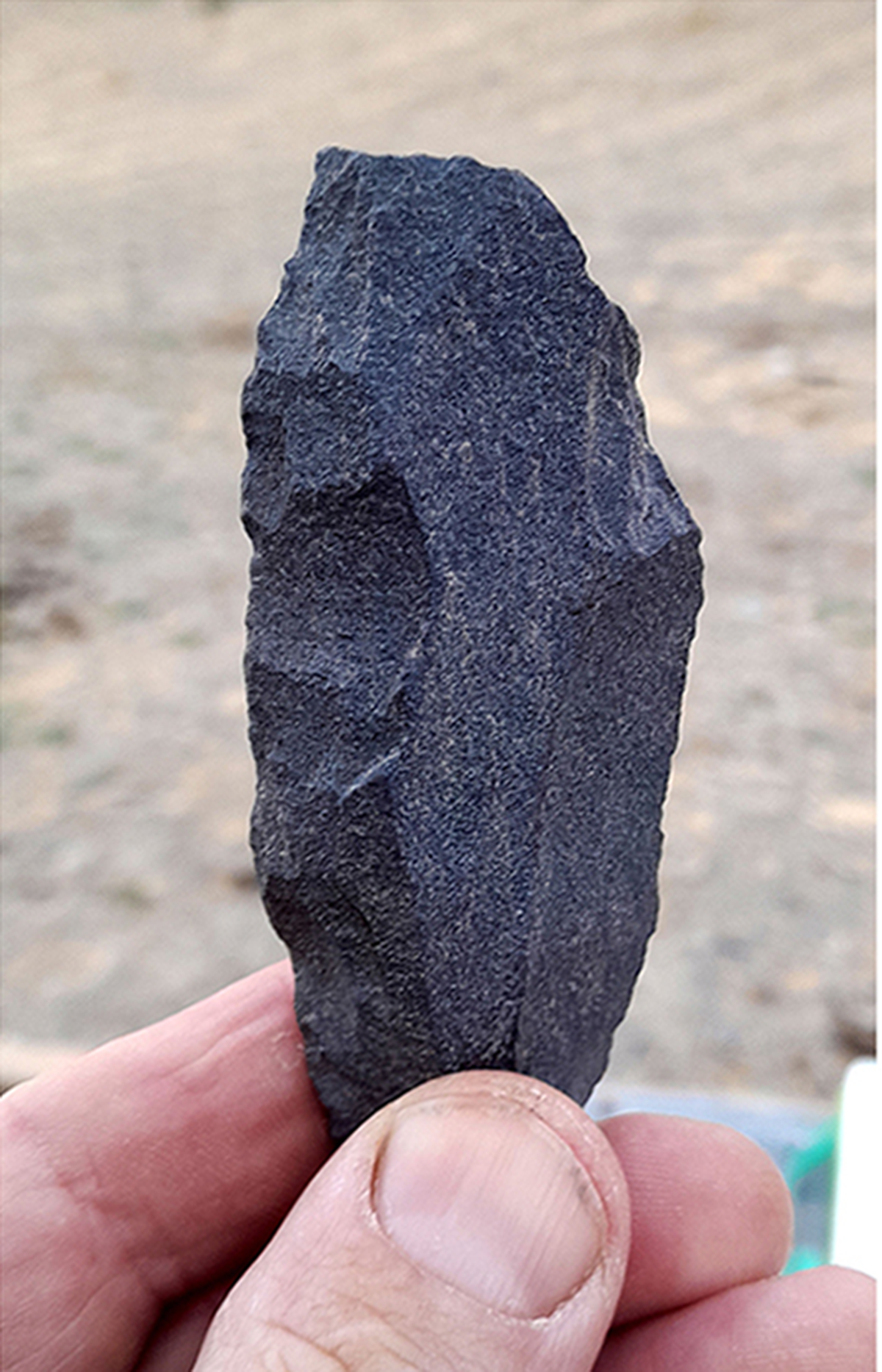
At Soii Havzak, archaeologists found over 500 artifacts, primarily stone items, such as “flakes and blades” from tool making. Photos show a few of these ancient tools.
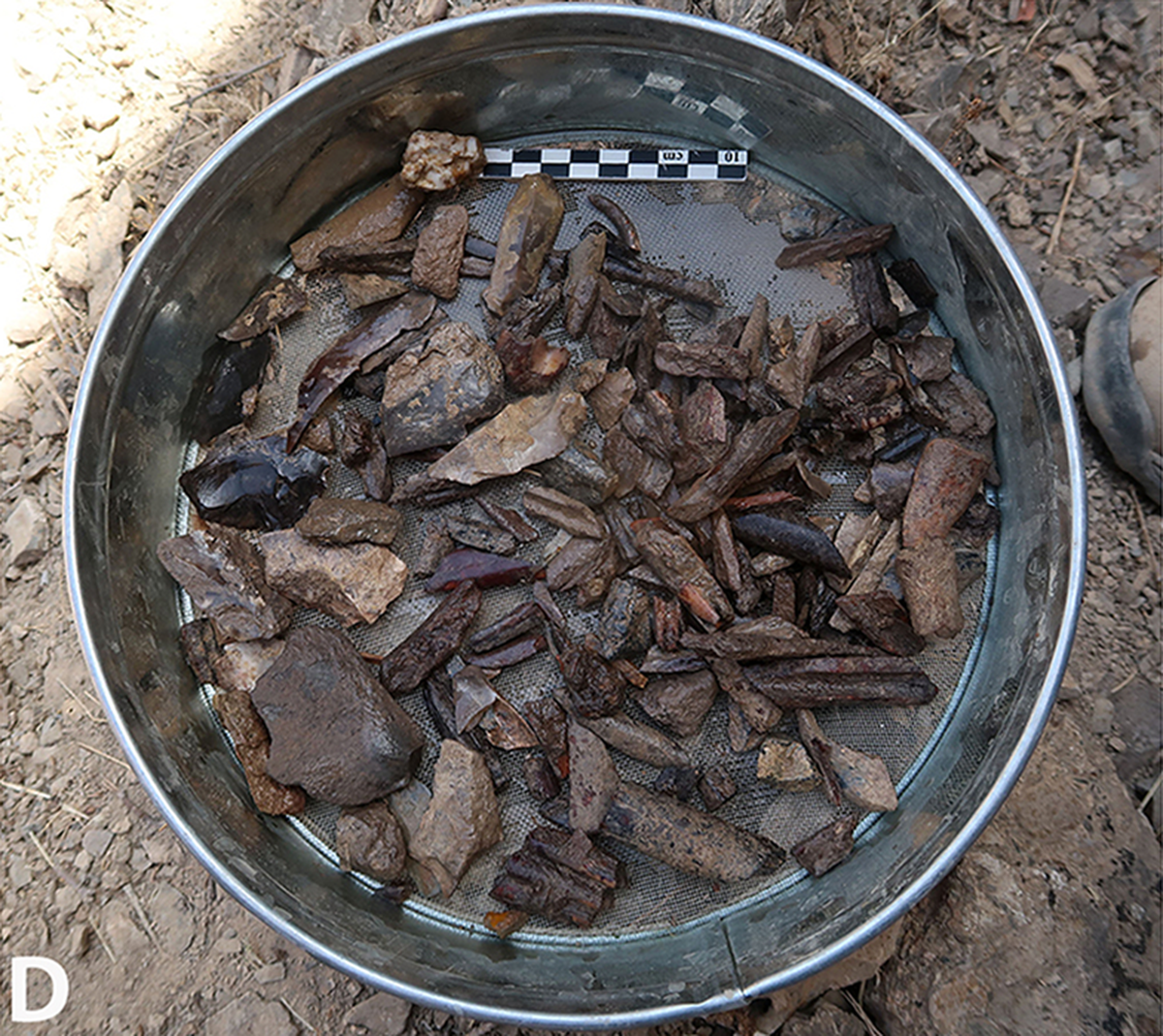
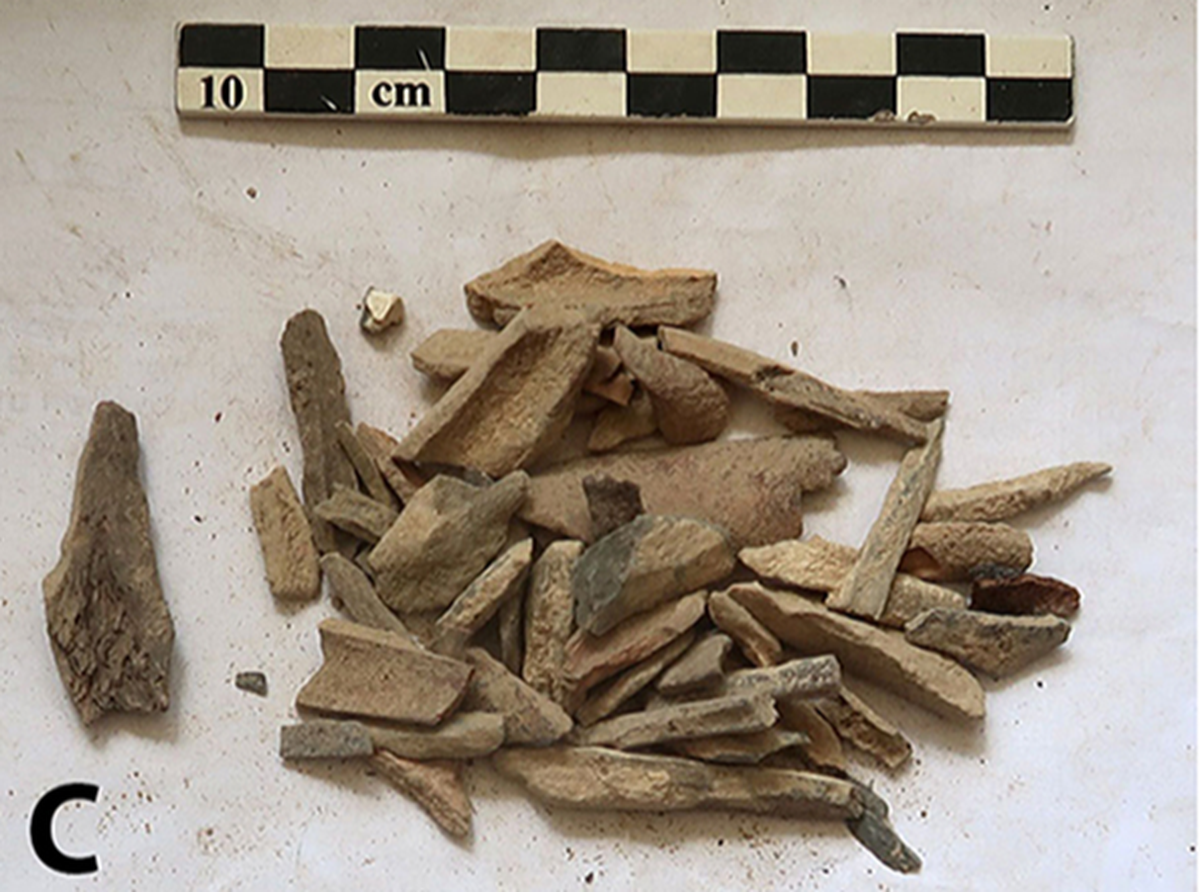
Excavations also uncovered “hundreds of bones” weighing, in total, about 6 pounds, the study said. A photo shows these fragmented remains.
Researchers aren’t sure which hominins the bones belong to because the Soii Havzak site is part of a region where “both Denisovan and Neanderthal populations” lived in the Middle Paleolithic era and “modern humans” lived during the Upper Paleolithic era.
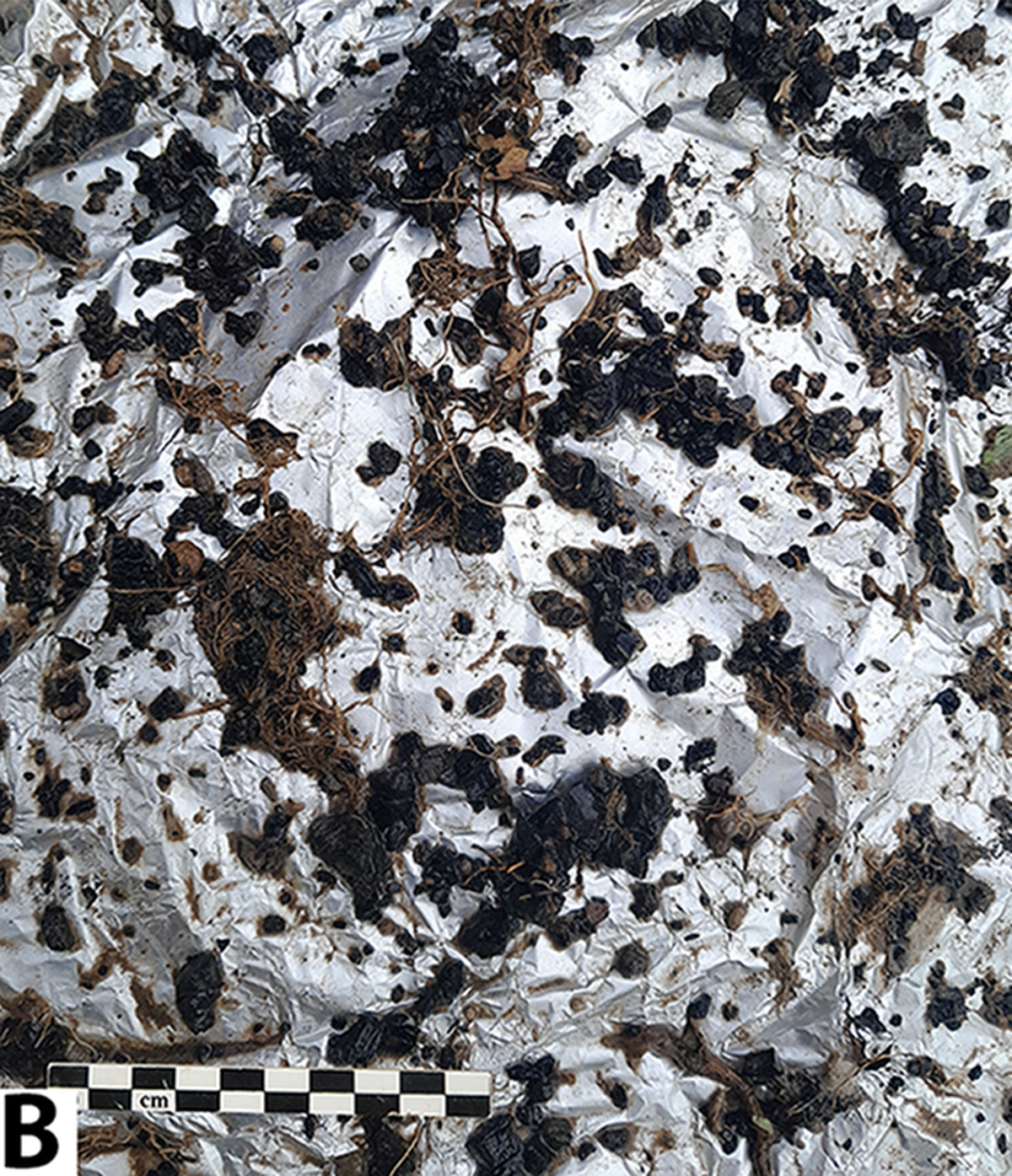
The dig also uncovered prehistoric “burnt flints,” charcoal and ashes, indicating “the use of fire” at the shelter. A photo shows some of these charcoal fragments.
Researchers concluded the Soii Havzak rock shelter had “at least three phases of occupation,” including one from the Middle Paleolithic and two from the Upper Paleolithic. These periods are “poorly dated” in Tajikistan so researchers could not provide an exact age of the site or its artifacts.
Work at the Soii Havzak site is “ongoing,” the study said. Researchers plan to use radiometric dating to determine the age of their finds.
The Soii Havzak rock shelter is a few miles north of Panjakent, a city in western Tajikistan and near the border with Uzbekistan. Landlocked Tajikistan also borders Afghanistan, Kyrgyzstan and China.