
Refined tiny house found in Pompeii — with final offering before eruption. Look inside
For centuries, the Italian elite displayed their prominence in society through the architecture of their homes.
A large reception room, or atrium, provided an entrance for entertaining where a family could display their trophies and portraits. Armor and the spoils of war became so intertwined with the status of the home that they would remain on the walls even if the house was sold to a new family.
Then the structures of society changed.
In the city of Pompeii, archaeologists have uncovered an ancient tiny house that, while small in size, contains elaborate artwork to the standard of larger and richer family homes, according to an Oct. 24 news release from the Pompeii Archaeological Park.
The home dates to the first century A.D., archaeologists said, and is missing the classic atrium found in older homes in the area. The house sits in the central district of Pompeii, part of the Insula dei casti Amanti construction site.
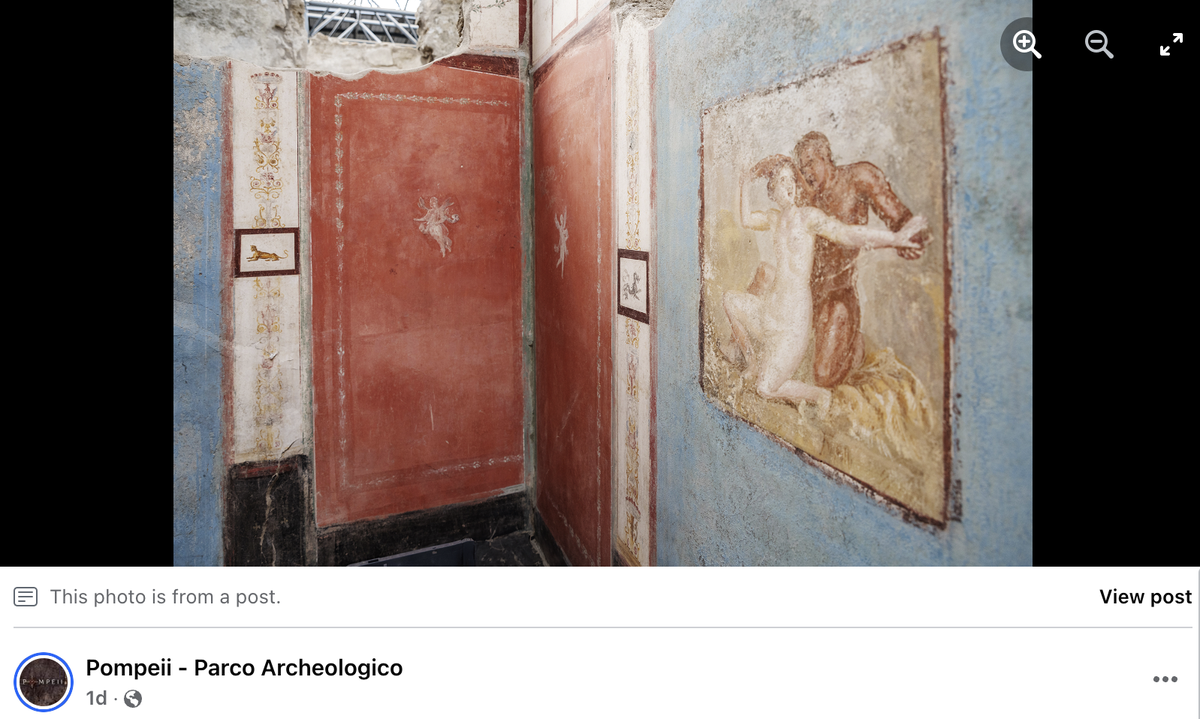
Archaeologists were struck by the level of artistry and the preservation of multiple paintings and frescoes, according to the release.
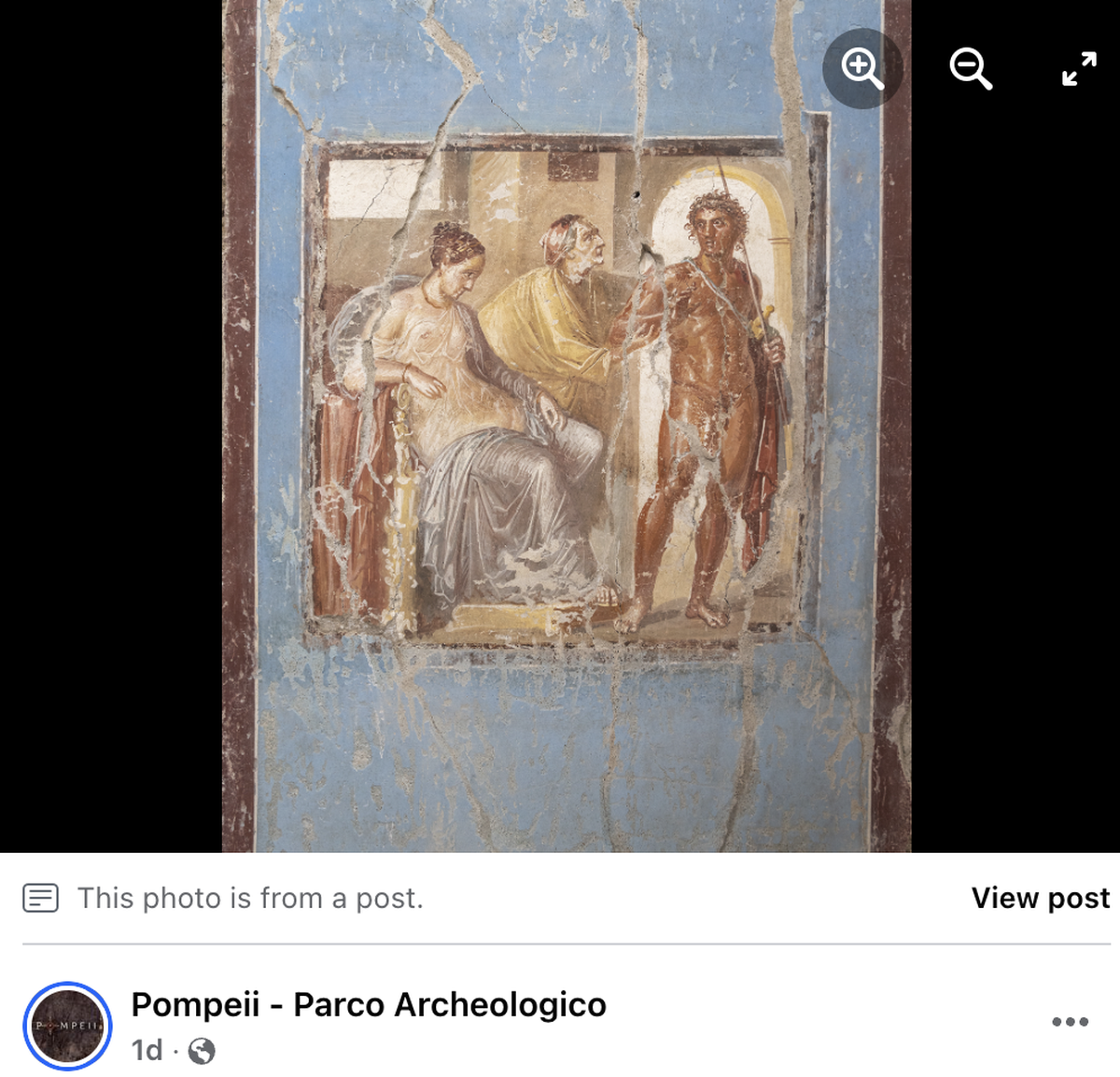
One fresco depicts the myth of Hippolytus and Phaedra, a tragedy of love and betrayal that ends with Hippolytus’ death by his horse-drawn chariot.
The painting decorates the walls and earns the site the name House of Phaedra, archaeologists said.
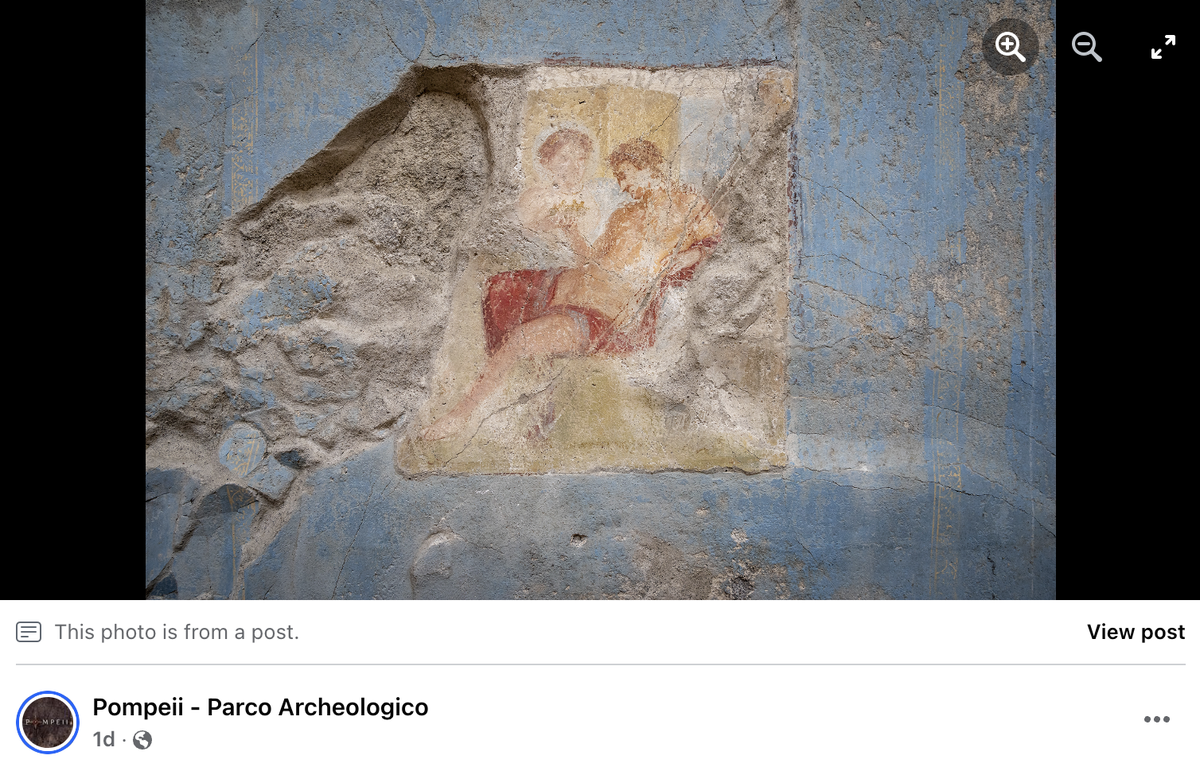
Another image depicts a symplegma, or embrace, between a satyr and a nymph, both mythical creatures, according to the release. The image of a divine couple, possibly Venus and Adonis, was found damaged, likely from the Bourbon explorations in the early 1800s, archaeologists said.
A window next to the paintings opens onto a partially built courtyard, where archaeologists said construction was ongoing at the time of the explosion that buried Pompeii.
There is a large pool with red walls and a small channel that would have funneled rainwater into a cistern, according to the release.
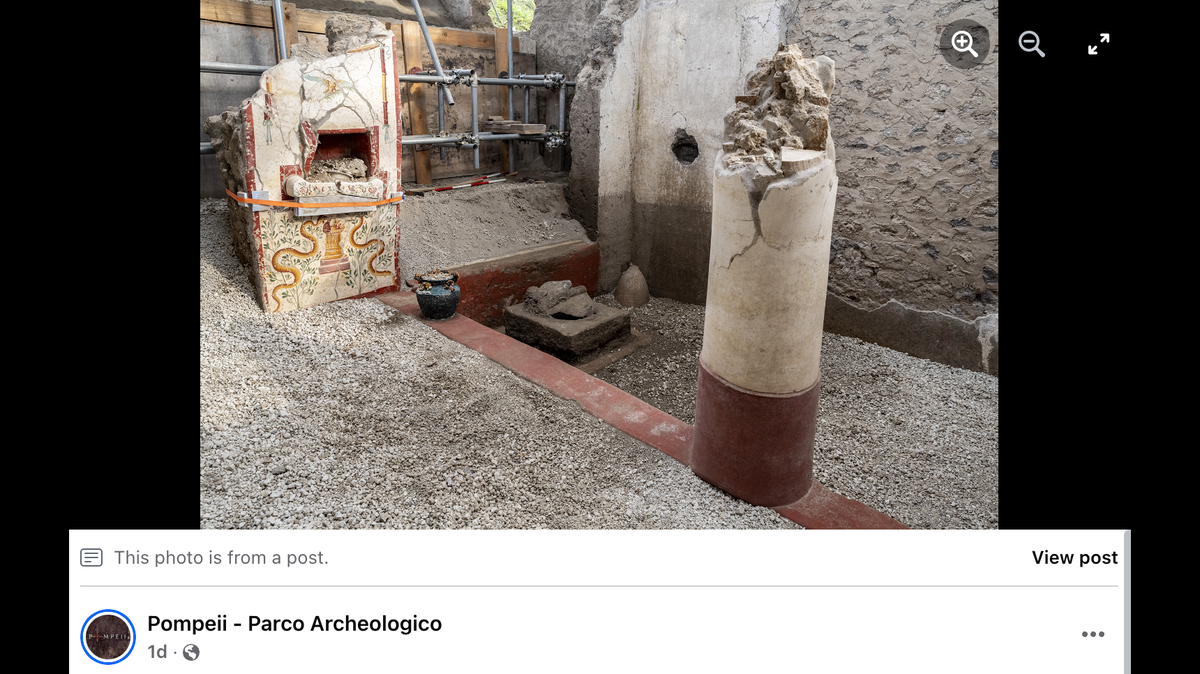
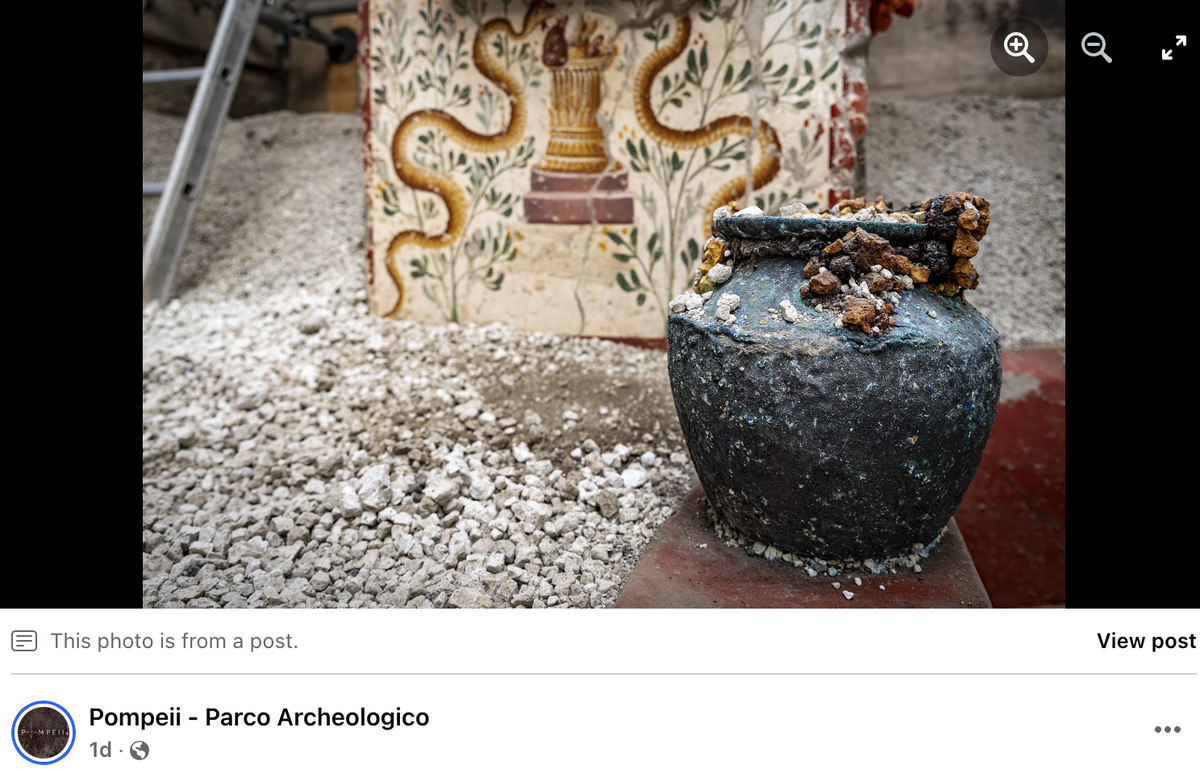
The courtyard is surrounded by plant and animal imagery, archaeologists said, including a bird of prey holding a palm branch, two facing snakes, a pine cone, an egg, a fig, a date, three sparrows, berries, and shrubs and leaves that make up the background.
The snakes frame an altar where offerings would have been placed, according to the release. Here, archaeologists found the last offering made in the home before the eruption of Mount Vesuvius in 79 A.D.
There was a ceramic incense burner and a lamp with signs of burning, archaeologists said. Analysis found scented sprigs and parts of dried fig with the objects.
Colored marble and a sculpture of a face linked to Dionysus was also found at the altar.
The excavation projects not only discover new sites and artifacts but also preserve and restore them, according to the release. The project at the tiny home, and in other surrounding areas, will continue.
“Pompeii is an almost endless treasure trove for studying aspects of daily life,” Alessandro Sebastiani, a Roman archaeologist and professor at the University at Buffalo, told McClatchy News in August.
Pompeii is in southwestern Italy.
