Jumping creature — with bald spot and ‘eyelashes’ — found in India. It’s a new species

Hidden under the leaf litter, one tiny creature is easy to miss.
It’s just a few millimeters long, and the animal is waiting for the perfect moment to reach its legs out from under a leaf and propel itself at a critter passing by.
This jumping spider lives in the forests of southern India and now has been identified as a new species, according to a study published Oct. 11 in the peer-reviewed journal ZooKeys.
Photos of the spider have previously been posted on animal identification platform iNaturalist, according to the study, but it wasn’t until researchers compared the spider to other species in the area that they knew it was an unique animal.
Tenkana jayamangali, named after a river that flows near its habitat, has a brown body with white hairs, according to the study.
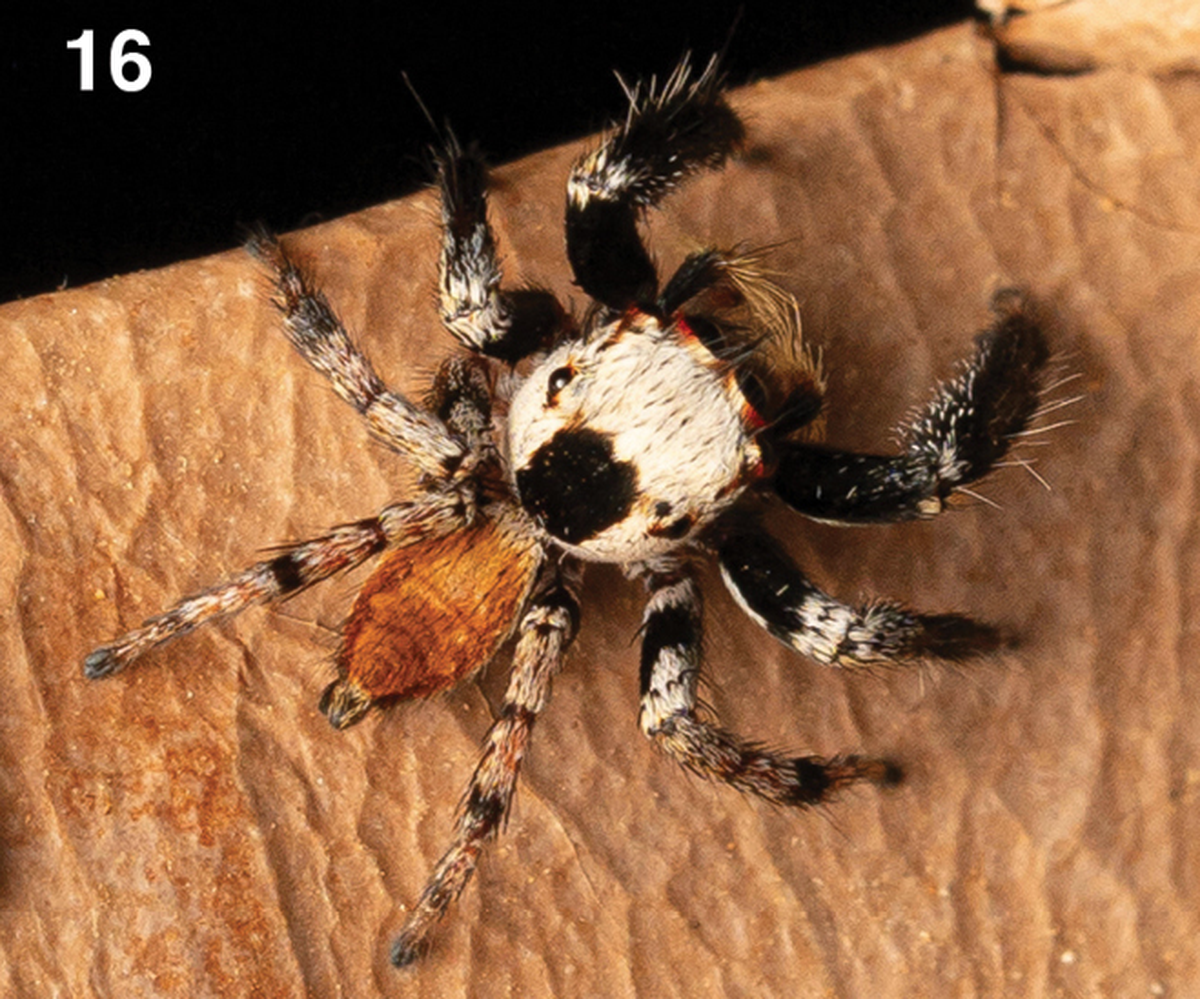
“In life, white hairs cover most of its surface area leaving (a) small patch of bald black” on the skin of the back of the body, researchers said.
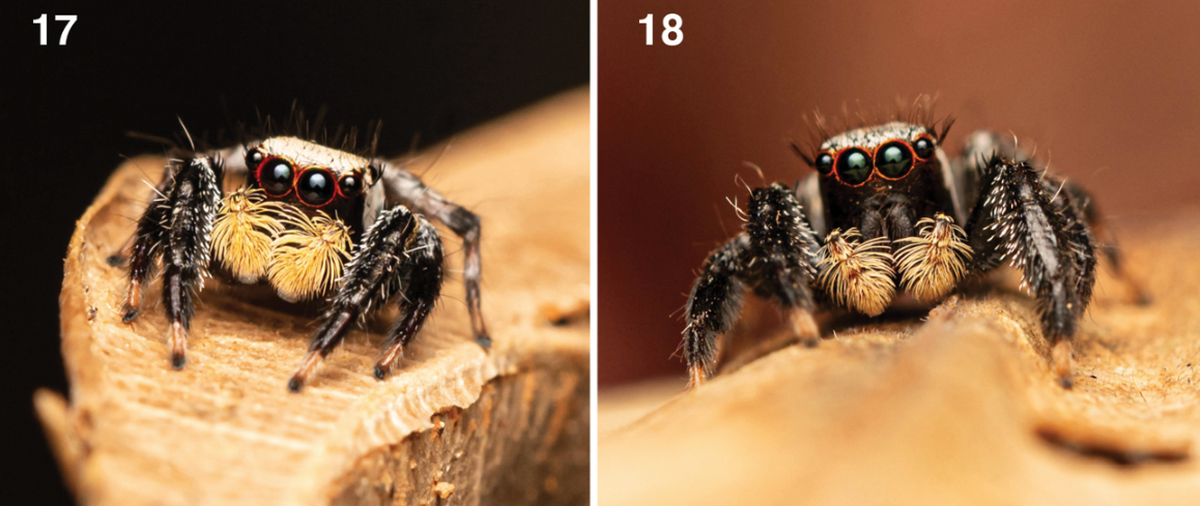
Behind their eyes, “tufts of thick bunch of hairs” creates the appearance of “eyelashes,” according to the study, and small “reddish-orange” hairs surround their anterior eyes, or the second set of smaller eyes.
The abdomen, or back section of the spider, is “bright orange,” with brown and black mottling on a yellow surface layer, researchers said.
Long yellow hairs stick out from the pedipalps, or the smaller, leg-like extremities on the front of the spider, giving the appearance of a large, yellow, fluffy mustache. (description)
The spider’s coloration and genitalia length set it apart from other closely related species, according to the study.
“Though generally small in size, (jumping spiders’) large eyes, prodigious jumping ability, often brilliant colors and cocky, inquisitive activity make them very appealing,” the Australian Museum said, calling the spider group the “personalities of the spider world.”
Their large eyes allow the spiders to track prey before they live up to their name and launch their bodies with strong back legs and attack their prey, the museum said.
The new species was discovered in Tumakuru, in the center of the southern peninsula of India.
The research team includes Kiran Marathe, John T.D. Caleb, Wayne P. Maddison, B.G. Nisha, Chinmay C. Maliye, Y.T. Lohit and Krushnamegh Kunte.