Body of man in work suit discovered near field in Poland. He was a prisoner of war
Over the course of World War II, an estimated 6 million Polish citizens lost their lives.
Nearly half of the casualties were from the Jewish population, but the other half was made up of soldiers and civilians turned prisoners of war fighting for the end of the Holocaust.
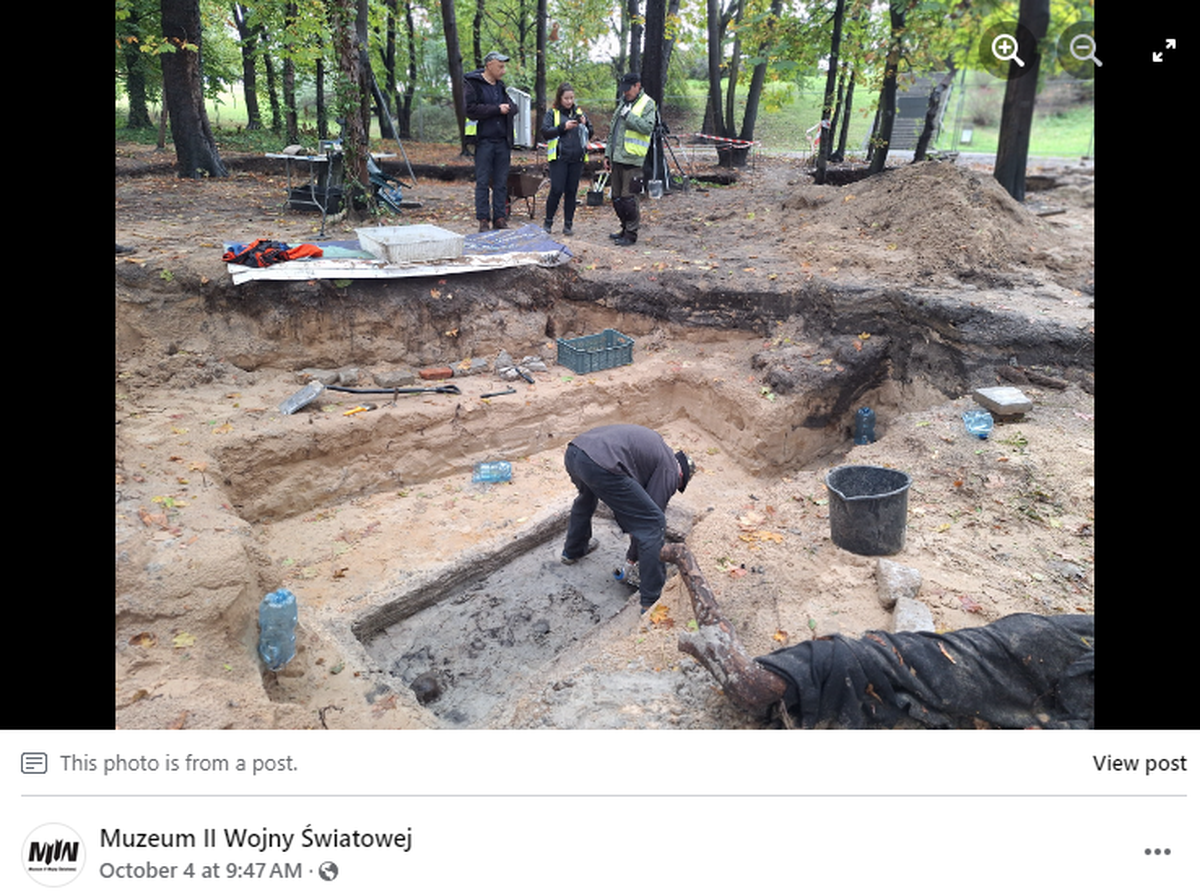
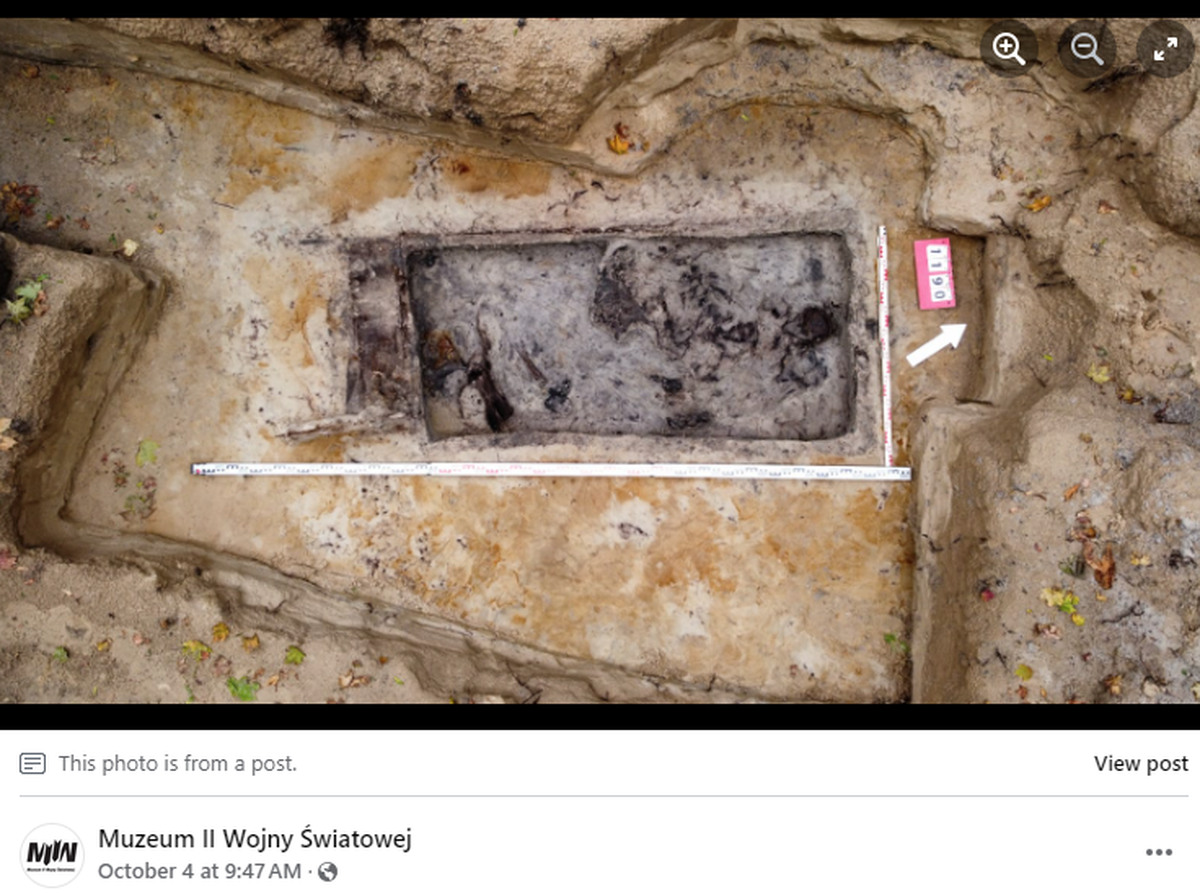
At the end of September, the bodies of three men were found buried near a field artillery post in Gdańsk, according to an Oct. 10 news release from the Polish Ministry of Science and Higher Education.
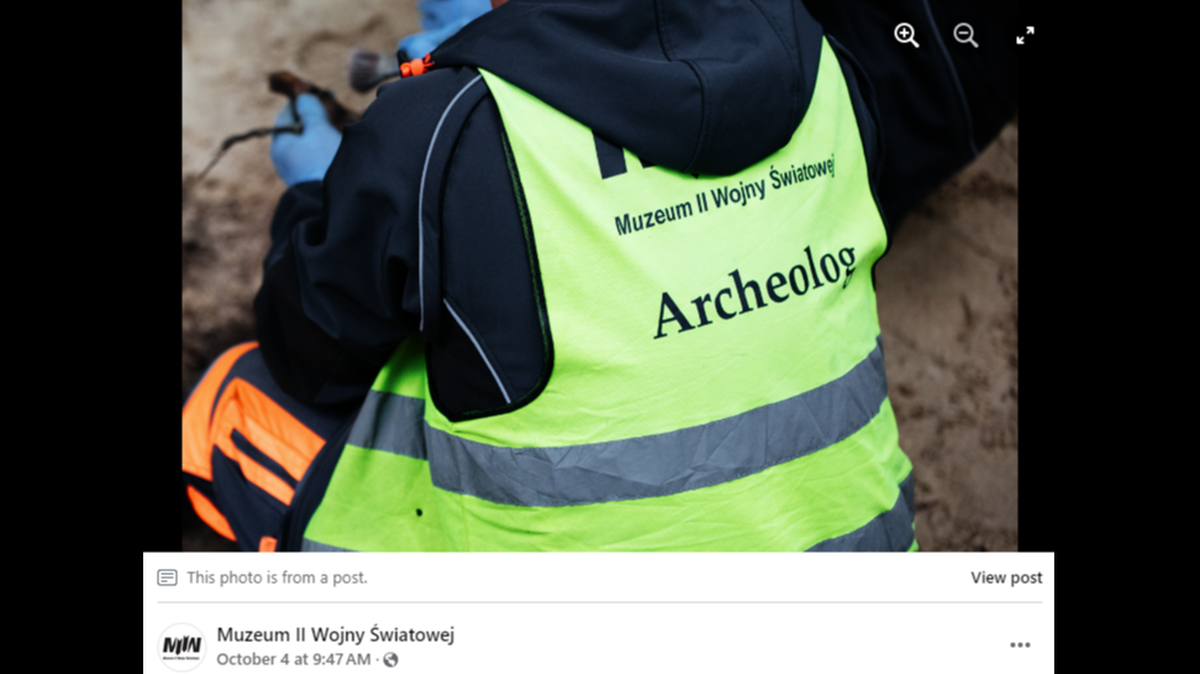
The excavation project, conducted by the Museum of the Second World War, did not stop there, and on Oct. 4, the museum announced another body had been located.
All four bodies were found wearing civilian clothes as opposed to military uniforms, but it wasn’t until the discovery of the fourth body that researchers were able to identify the men’s role in the war, officials said.
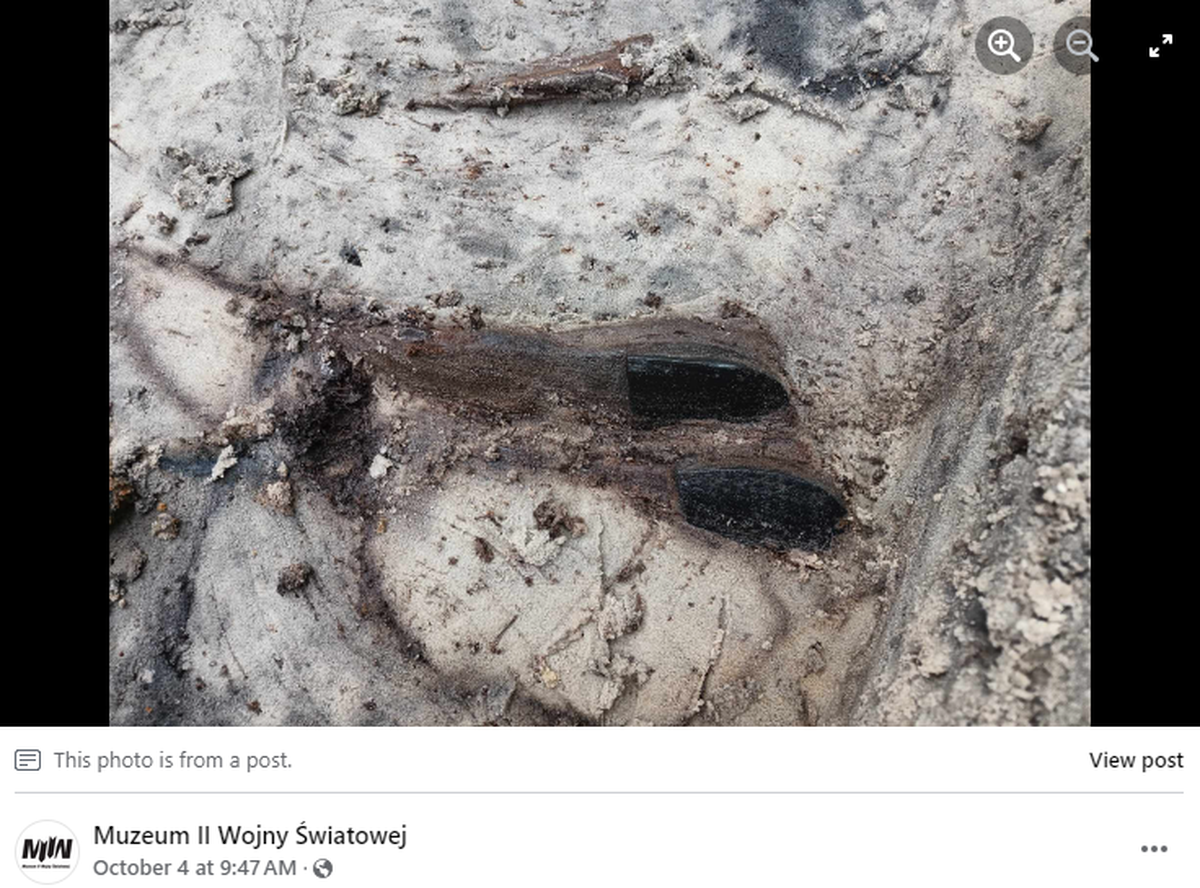
The fourth man was wearing leather half-boots and a one-piece work suit, the museum said in an Oct. 9 Facebook post.
In the right pocket of his suit, a pencil was found with the words “St. Majewski” imprinted on the side, according to the release.
This was the name of the pencil’s manufacturer, officials said. The company was founded in Pruszków in 1889 and was operational in the years between WWI and WWII before it was nationalized in 1948, according to the museum.
One of the other bodies had been found with the leather sweatband of a hat that was embossed with the word “Bydgoszcz,” another city in Poland, that suggested these bodies belong to Poles, officials said.
This, combined with the pencil and location of the burials, confirmed to officials that the bodies belonged to prisoners of war who had been forced to organize and work on the German military depot built at the site.
The German compound was built between the years 1939 and 1941, officials said.
The fourth body had significant signs of trauma, including damage to the face of the skull, chest and pelvis, and researchers believe these Polish civilians were likely murdered by some Germans during the war, according to the museum.
All four sets of remains have been exhumed for analysis, officials said.
The depot has been studied since 2016, and in the years since, explosives, 82,000 artifacts and the graves of nine Polish soldiers have been uncovered, according to the ministry.
Funerals were held for the soldiers and their remains were later buried at the Polish Army Soldiers cemetery, officials said.
Gdańsk is on the northern coast of Poland along the Baltic Sea.
Google Translate and Facebook translate was used to translate the news release from the Ministry of Science and Higher Education and the Facebook posts from the Museum of the Second World War.