Hidden creature — with colored groin — discovered as new species in Ecuador. See it
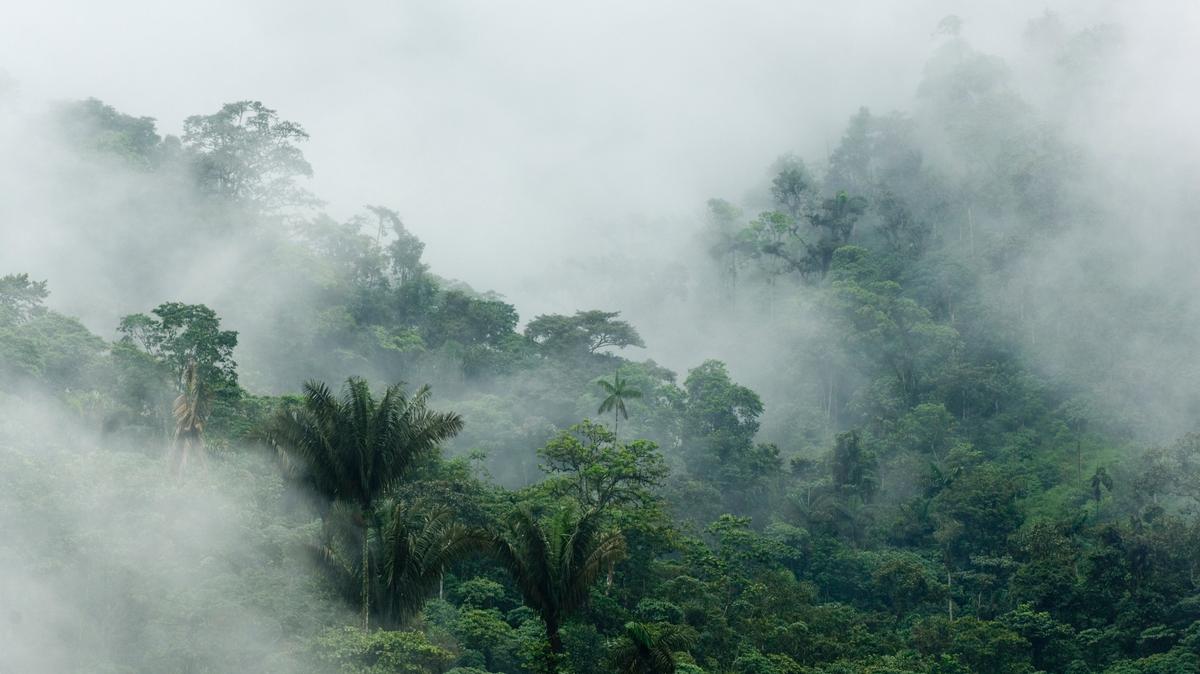
In the western Amazon, the Shuar community lives in the Cordillera del Cóndor, a tropical mountain range.
The Shuar believe in Arútam, a spiritual divine power that exists in the environment, living in the water, rocks and trees of the Amazon.
Now, researchers have discovered a new species that inhabits the same world.
Noblella arutam, or the Arutam leaf litter frog, was discovered hidden under leaves on the forest floor, actively moving around in the night, according to a study published Oct. 2 in the peer-reviewed journal PeerJ.
The frog is less than an inch long, and a brown and tan color with black spots, according to the study.
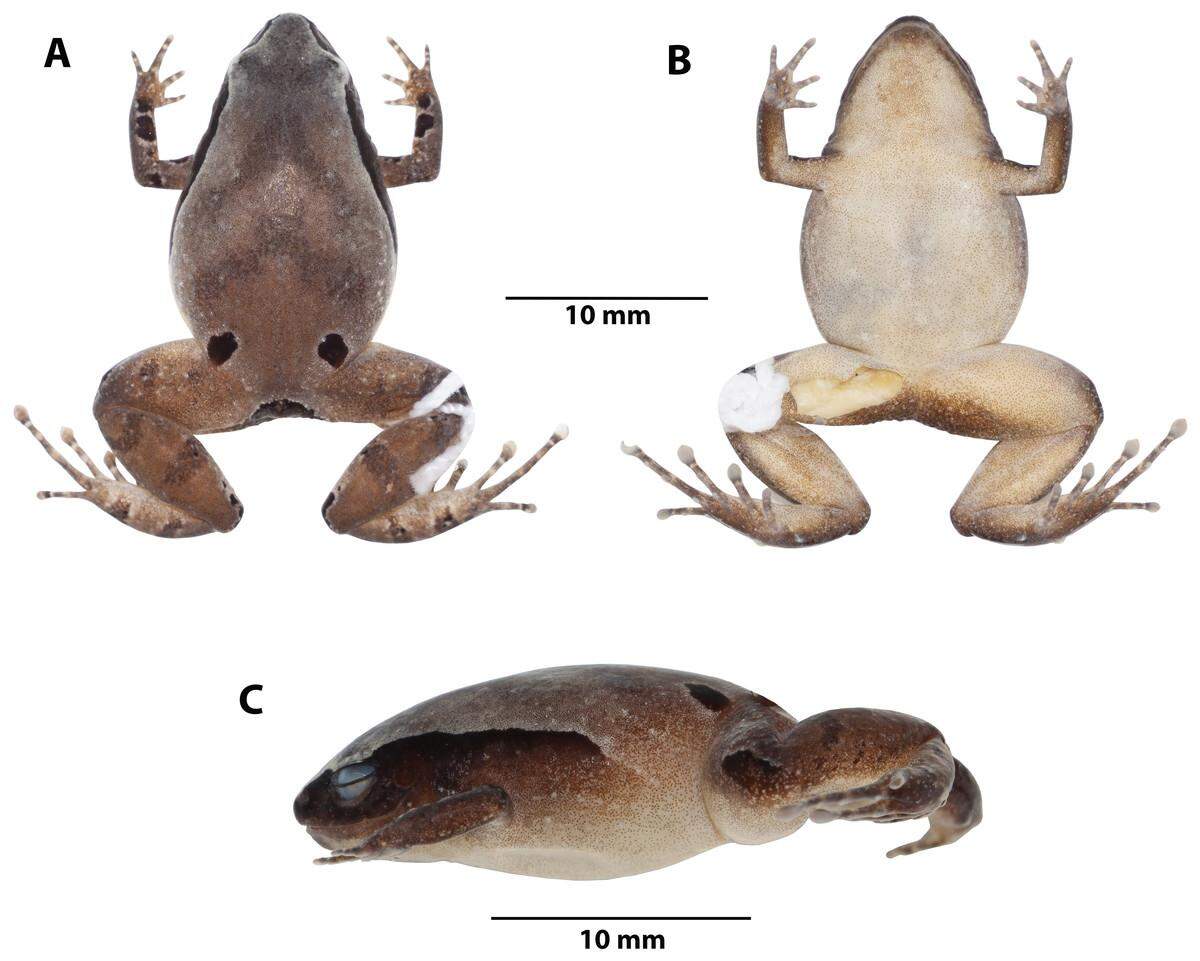
The frog’s skin has a few small bumps but is primarily smooth, researchers said, and there are bands of color from the tip of the snout down the side of its body.
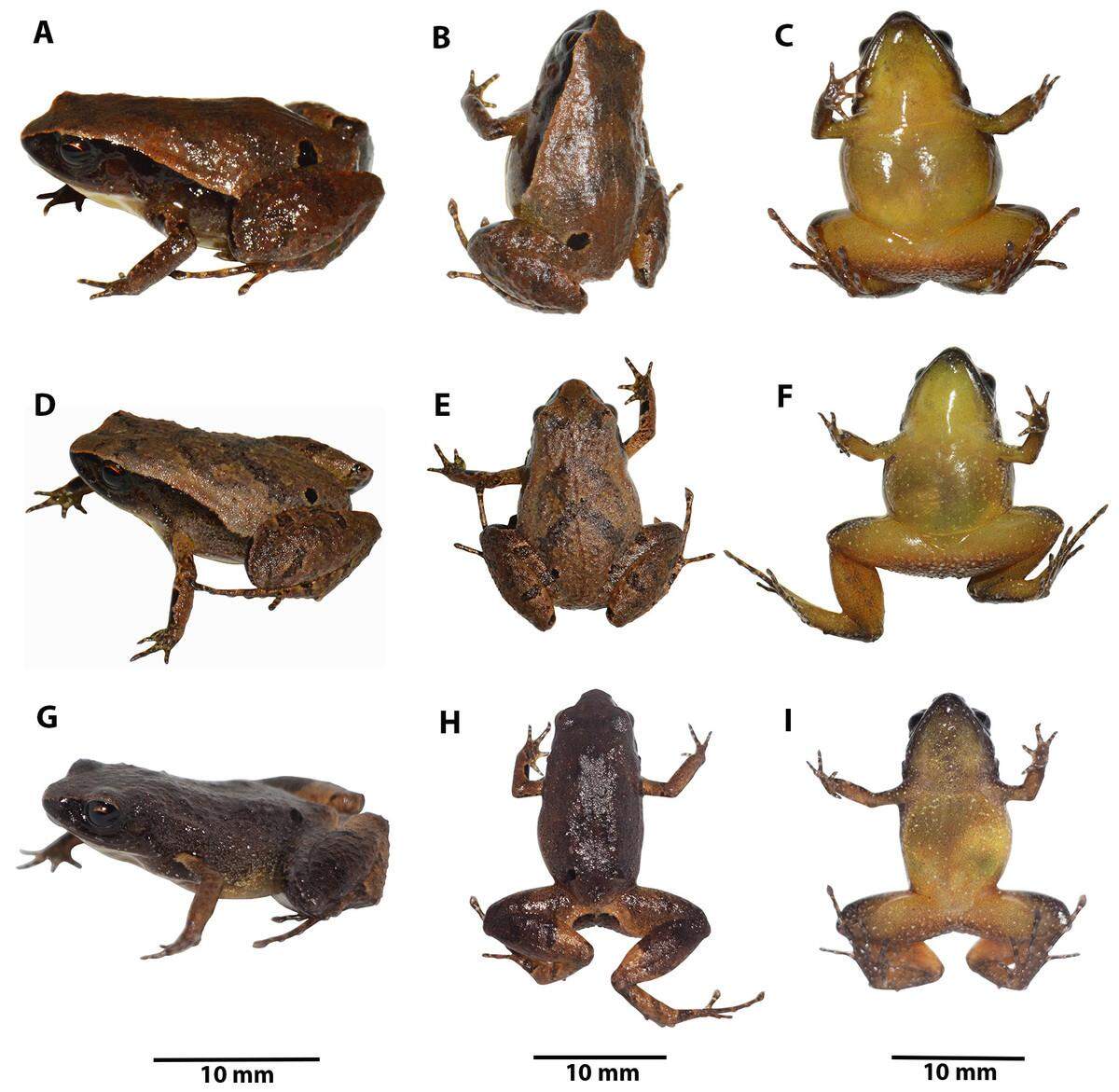
Ranging from light to dark in color, the Arutam leaf litter frogs have “groins yellow to orange with minute brown dots,” according to the study.
The eyes are also notable. The “iris (is) black with reddish copper around (the) pupil and scattered small dots of the same color,” researchers said.
Researchers didn’t hear the frogs call, and when they captured a few specimens in pitfall traps, they found the frogs’ stomachs were filled with beetles, fly larvae and ants.
In the rainforest, the environment and the frogs face serious threats.
“The main threat to this locality is habitat degradation or loss caused by mining activities because it is within a large-scale mining concession,” researchers said. “Other anthropogenic activities, such as agriculture and livestock farming, have been identified as threats to the native ecosystems of the Cordillera del Cóndor.”
The study recommends the frogs be listed as “critically endangered.”
The Cordillera del Cóndor is a range in the southern Andes along the border of southeast Ecuador and northwest Peru.
The research team includes David Brito-Zapata, Juan D. Chávez-Reyes, Matheo David Pallo-Robles, Julio C. Carrión-Olmedo, Diego F. Cisneros-Heredia and Carolina Reyes-Puig.