Bristly sea creature found in another animal’s burrow in Red Sea. It’s a new species
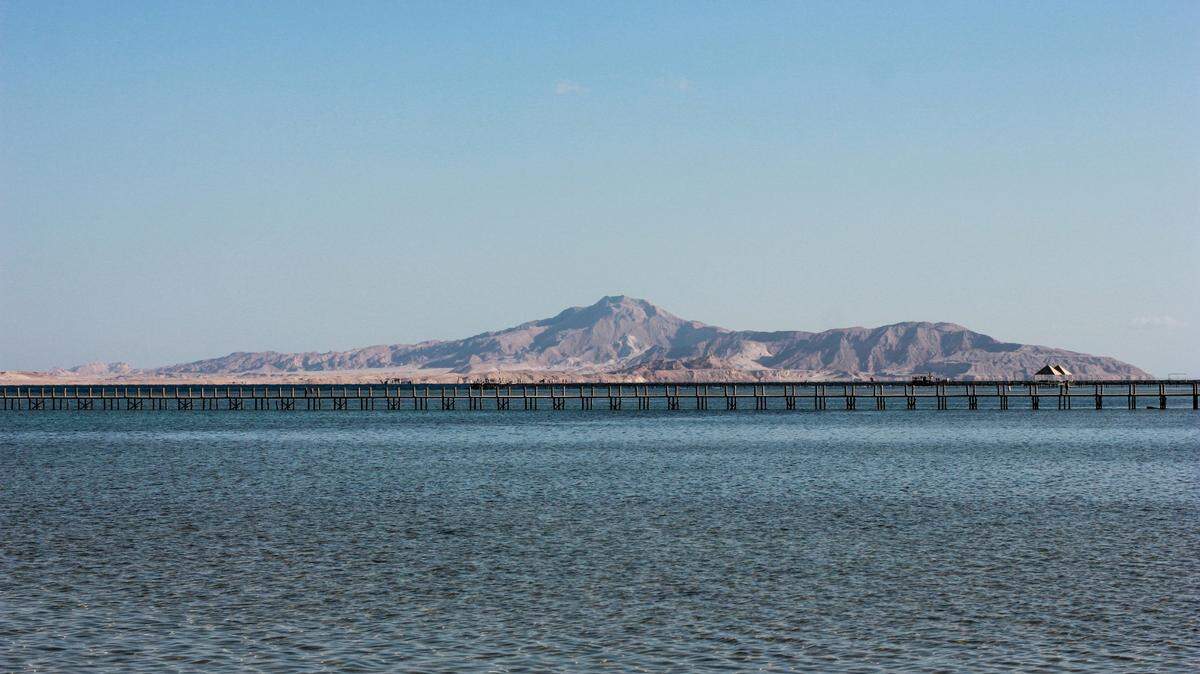
Overlooking the Red Sea, the King Abdullah Monument is a tower of blue and green. It’s on the site of a famous speech from Saudi Arabia’s former king, and depicts a waterfall flowing into the ground.
Just a few feet away, the mangrove-covered coastline acts as a refuge for birds, fish and crustaceans.
It is here that researchers searched the shallow reef flats for undiscovered creatures.
When they spotted an animal’s burrow tucked in the coral rubble, researchers took a look inside, according to a study published Aug. 16 in the journal Zootaxa.
Instead of finding the burrow’s creator, a small crab was looking back at them, according to the study, and researchers used a suction tool to bring the crab to the surface.
The animal was sent to the Florida Museum of Natural History in Gainesville, where it was examined, and researchers noticed unique features, according to the study.
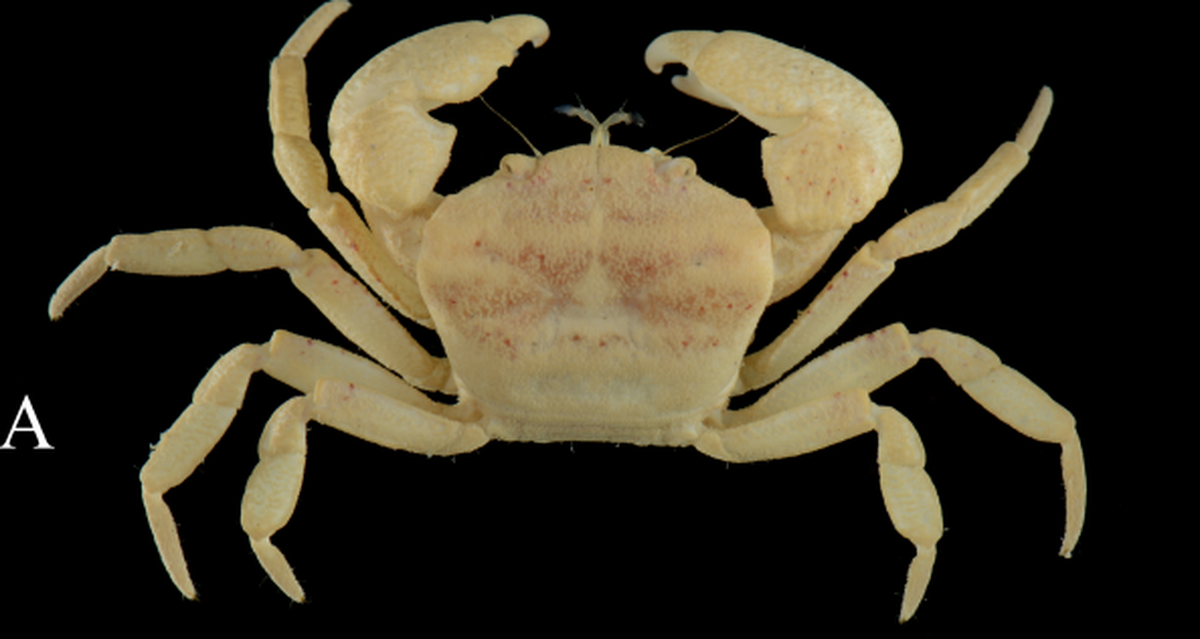
The crab was an “overall straw yellowish” color with “scarce reddish dots and small reddish patches,” researchers said.
Its carapace, or body, was less than half an inch wide, and is wider than it is long, according to the study. The crab had seven legs, but one had been lost.
The crab’s entire body was also covered in dense “felt-like” setae, or hair-like bristles, researcher said.
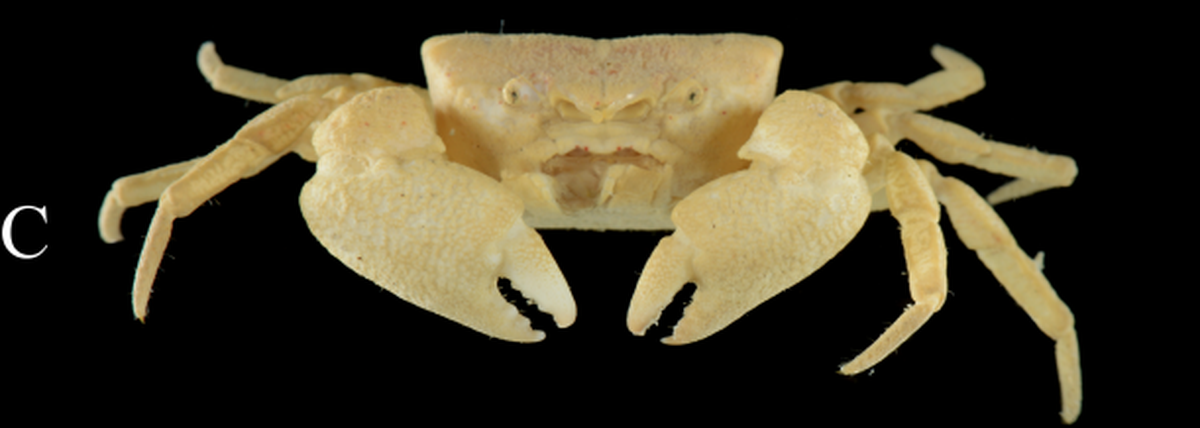
The crab was named Camptoplax ahmar after the Arabic word for “red” to refer to the sea where it was found, according to the study.
Compared to other related species, C. ahmar has a slightly concave carapace and shorter and stouter legs, researchers said.
“The type specimen of C. ahmar sp. Nov. was extracted from a burrow of an unknown host … in very shallow water,” according to the study. “Whether burrows are the typical habitat of the Red Sea species remains uncertain.”
The crab was discovered on the western coast of Saudi Arabia along the Red Sea.